


Related: Overcoming the Challenges of Green Fleet Procurement
Five Steps for Managing Your Fleet's Energy Budget
Energy consumption accounts for a large part of a fleet’s operating budget. Fleet managers need to look for efficient and long-lasting ways to reduce this expense.
by Christopher Lyon
December 1, 20156 min to read
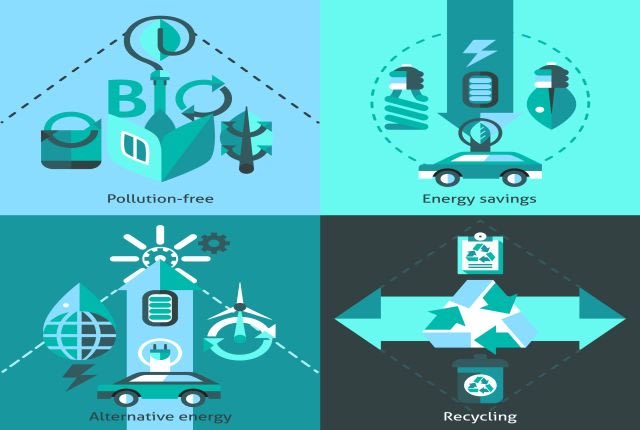
There are several alternative energy options fleet managers can consider to maximize their fleet’s energy budget and increase energy savings. Photo via iStockphoto.com
Because a typical vocational fleet spends a large portion of its total operating budget on energy or fuel, fleet managers are always looking for ways to reduce energy costs. There are really only two methods for doing so: consuming less of the energy the fleet is currently using, or switching to a lower-cost energy source.
Most fleets have to maintain service during any conversion process. They may also have to figure out how to relocate vehicles on an emergency, short-term, or permanent basis. Funding is another important consideration.
Depending on how a fleet approaches energy cost reduction, it could require significant capital expenditures, one-time expense payouts, or ongoing supplemental maintenance and operating costs. Fleet managers might also need to prove an acceptable return on investment (ROI) within a reasonable payback period.
There are five steps fleet managers can take to determine the best ways to maximize their fleets’ energy budgets.
1. Analyze Drive and Duty Cycles
Most of the processes and technologies for reducing fleet energy costs are sensitive to drive and duty cycles. While these terms are often used interchangeably, they are actually separate measurements of how a fleet operates. A drive cycle defines how vehicles operate based on factors such as average speed, amount of incidental idling time, power export time (PTO operation, etc.), and the longest average continuous running time per cycle.
A duty cycle defines how much a vehicle is used and looks at factors such as the length of the average operating cycle, number of operating cycles per period, total miles driven per measurement period, percentage of loaded versus empty operation, and percentage of on-road versus off-road operation.
Because the effectiveness of energy reduction technologies is closely related to a fleet’s drive cycles, fleet managers can utilize drive cycle data to identify technologies that could reduce their energy budgets.
They can then use duty cycle data to determine if the projected savings associated with an alternative are adequate to cover the investment and provide the desired ROI.
Remember, a single fleet can have multiple drive and duty cycles, so one approach to energy cost reduction might not work across the board. Also, drive and duty cycles are often seasonally dependent.
2. Remember the Basics
In many cases, the simplest and most economical approach to reducing energy costs is to consume less of it. There are simple techniques that have been recognized for so long, they are often downplayed — but when implemented properly, they can be very effective.
A short list of these cost-reduction techniques includes:
Maintaining proper tire inflation.
Reducing vehicle weight.
Reducing rolling resistance.
Reducing idling (driver coaching, reminder signs, etc.).
Maintaining vehicles properly.
Since the powertrains of newer vehicles are computer-controlled, fleets can often re-map the engine performance curves and transmission shift points of their trucks to improve overall powertrain efficiency.
When ordering new trucks, fleet managers should carefully choose and match components to specific drive and duty cycles, it can produce impressive energy reductions.
3. Implement Telematics and Driver Behavior Modification
There are a number of ways to improve vehicle operational efficiency. Two approaches that provide great potential are telematics and driver behavior modification. The most familiar application of telematics is GPS functionality. It can have a direct impact on fleet operating costs by reducing miles driven. The ability to track vehicle condition in real-time offers multiple possibilities for energy management. By mapping the powertrain control module (PCM), the center of control for the engine’s computer, to the telematics system, fleet managers can read system fault codes, tire pressures, and other information.
By using an exception reporting system, vehicles with defects are flagged so repairs can be made at the earliest opportunity. The data collected can also be used to develop drive cycle profiles and identify issues such as hard acceleration and braking, sudden radial maneuvers and engine idle time.
The driver can impact overall fuel economy by as much as 30 percent. The most effective behavior programs provide the driver with real-time performance feedback.
4. Consider Hybrid and Electrification Technology
For vocational trucks, hybrid and electrification technology can be an effective choice. This technology can reduce energy costs by allowing the engine to operate in an optimum efficiency range, recapture kinetic energy normally lost during braking, capture surplus engine energy for use at a later time (driveline or power export), facilitate engine idle management, and allow for the primary vehicle power source to be downsized.
When utilizing hybrid vehicles, the selected technology should be matched to the drive and duty cycles.
Many vocational trucks are driven a relatively limited number of miles per day, so the efficiencies associated with full hybrid drivetrains might not justify the cost and complexity of such a system. This has resulted in the development of work-site hybrids. These vehicles utilize surplus engine power, stored as electric energy (sometimes supplemented by plug-in battery charging) to operate truck-mounted equipment without having to run the primary engine.
This technology is much simpler than full hybrid powertrains, but still provides substantial idle time reductions during stationary work-site operations. Idle management can be further enhanced by using the system to maintain cab heating and cooling.
5. Evaluate Energy Options
Fleet managers have several lower-cost energy options such as biodiesel, electricity, natural gas (CNG or LNG) and propane autogas.
Biodiesel is generally more expensive than conventional diesel fuel; however, in some regulatory environments, it offers significant tax advantages that may result in lower total cost. In these areas, biodiesel represents a significant opportunity for fleet managers, since it is basically a drop-in replacement for conventional diesel.
The primary expense associated with the conversion to biodiesel is cleaning fuel storage tanks before taking delivery and changing fuel filters frequently until the biodiesel has cleaned all residues out of the vehicle tanks.
Electricity is typically the lowest-cost alternative fuel available to fleets, and when the capabilities of an available vehicle fit the associated drive and duty cycles, operating cost savings are very attractive.
There is a fine line between extended-range electric vehicles and series electric hybrids. If the onboard motor generator set is large enough to provide all of the truck’s power demands, it crosses over to being a hybrid.
Natural gas has the lowest cost of all the alternative internal combustion engine fuels currently in use and generates the smallest carbon footprint. These advantages are offset in some drive and duty cycle applications by both high conversion and infrastructure costs. If a fleet has access to public natural gas fueling infrastructure, or if the quantity of fuel consumed at a given location is enough to justify the infrastructure investment required for a captive facility, natural gas has the potential to generate major energy cost savings.
Compressed natural gas (CNG), currently the most commonly used natural gas variant, imposes weight and space penalties on trucks, so, in many cases, it may not be feasible to convert existing trucks to use CNG. Most of these weight and space issues can be addressed when designing new vehicles.
Liquefied petroleum gas, also known as propane autogas, has the second-lowest carbon footprint of currently available alternative fuels and is priced between natural gas and gasoline. It has the advantage of requiring the lowest infrastructure costs of any of the alternative fuels (other than electricity if major infrastructure investments are not required). It also has a much higher energy density than CNG and is stored at a lower pressure, so the tanks are lighter and cheaper. This makes it much easier to convert existing vehicles and more attractive for fleets with lower volumes per fueling facility.
Christopher Lyon is a former fleet manager and currently serves as director of fleet relations for NTEA – The Association for the Work Truck Industry. He can be reached via e-mail at chris@ntea.com.
Topics:Plug-In Hybrid Electric VehiclesGasoline-Electric HybridsFleet BudgetHow-to GuidesClean EnergyElectric VehiclesHybrids
Originally posted on Automotive Fleet
Subscribe to Our Newsletter
More Electric Vehicles
EV Charging Use Is Outpacing Infrastructure Growth
ChargePoint’s 2026 Charging Forward Report points to rising charger use, higher-powered charging, commercial vehicle electrification, and energy-management technology. Here’s what fleets should know.
Read More →
EV Realty Names Henrik Holland President as Charging Platform Expands
The former Prologis Mobility and Shell executive will help expand EV Realty’s truck charging business and move its power-first infrastructure model into autonomous vehicle depots and other fleet sectors.
Read More →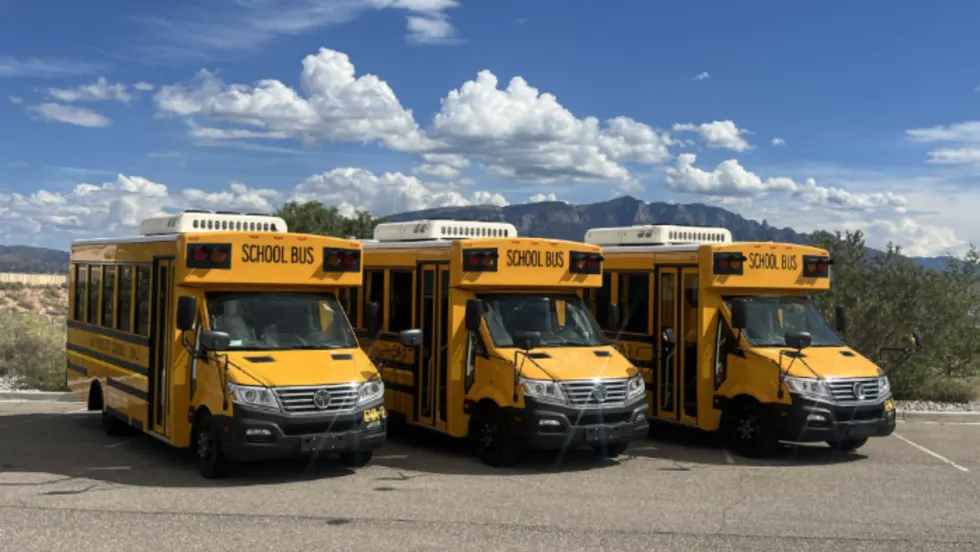
GreenPower Expands New Mexico EV Pilot With Larger Buses, V2G Testing
After logging more than 17,000 electric miles in the first year, New Mexico’s statewide pilot is moving into its second phase with larger vehicles, continued charging evaluations, and more.
Read More →
Can EV-as-a-Service Help Fleets Scale Electrification?
Sustainability Partners CEO Adam Cain explains how matching EVs, charging infrastructure, and duty cycles can help fleets scale electrification.
Read More →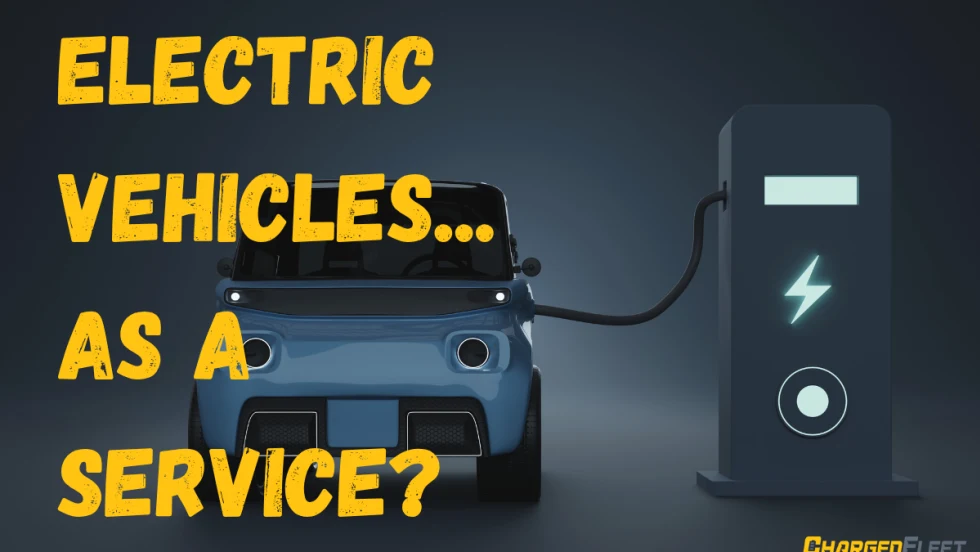
How EV-as-a-Service Is Moving Fleets Beyond Pilots
Adam Cain, president and CEO of Sustainability Partners, explains how EV-as-a-service can help fleets scale deployments by addressing duty-cycle requirements and charging challenges.
Read More →
PowerFlex, The Mobility House Join Forces to Advance Fleet Electrification
Two EV charging providers are joining forces to deliver a broader portfolio of energy management and fleet electrification solutions.
Read More →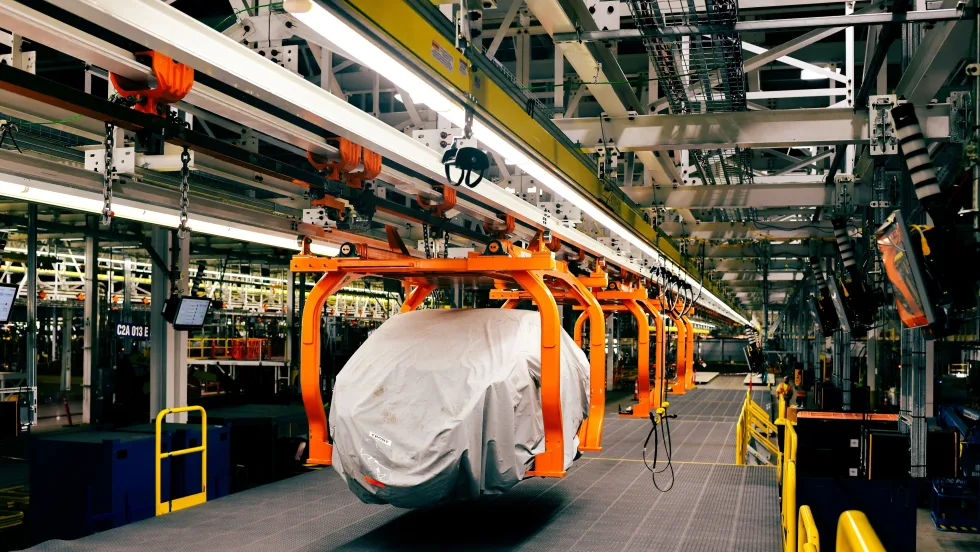
Ford Retools Louisville Plant for Fathom Electric Truck Production
Ford's $2 billion Louisville Assembly Plant overhaul introduces a three-part assembly process for the Fathom midsize electric truck, with production scheduled to begin in 2027.
Read More →
Merchants Fleet Reports 290M EV Miles as Fleets Navigate Changing Electrification Market
From millions in operating savings to hundreds of millions of EV miles, Merchants Fleet’s latest report reveals what’s working and what’s changing in fleet electrification.
Read More →
California District Commits to Electrify 25% of School Bus Fleet by 2028
One of the nation's largest school bus electrification projects to date demonstrates how grants, charging infrastructure, and public-private partnerships can help fleets transition to EVs at scale.
Read More →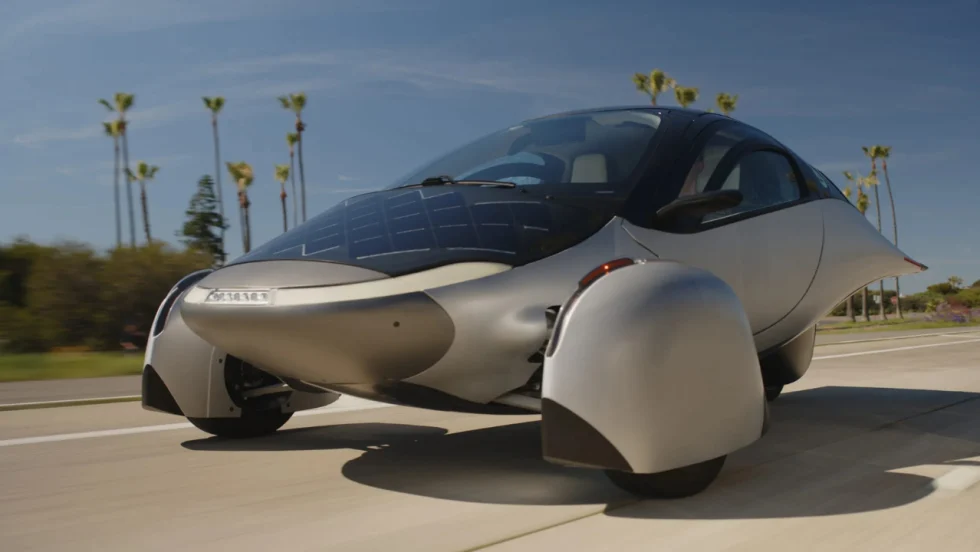
Aptera Orders Bodies and Chassis for Its First 40 Production Vehicles
Aptera Motors Corp. has issued purchase orders for the major structural components of its first 40 vehicles, and body and chassis components are expected to begin arriving in October.
Read More →