


Electrification Is Not for Every Fleet
Navigating the complexities of transitioning to electric vehicles requires careful consideration of operational needs, infrastructure readiness, and financial implications.
Electrification is not a one-size-fits-all solution — it works brilliantly for some but remains impractical for others.
Photo: Automotive Fleet
The push toward fleet electrification is undeniable, driven by declining battery costs, regulatory mandates, and the promise of lower total cost of ownership (TCO).
However, as the industry races toward an electric future, not every fleet should make the leap just yet. For fleet managers, directors, and other stakeholders, electrifying must be grounded in operational realities, financial considerations, and strategic foresight.
Electrification is not a one-size-fits-all solution — it works brilliantly for some but remains impractical for others. Here’s how to evaluate whether it’s right for your fleet.
When Electrification Works
Electrification can yield significant benefits when certain foundational elements are in place.
Fleets with predictable duty cycles, strong preventive maintenance practices, and data-driven optimization strategies are better positioned to succeed with electric vehicles (EVs). These fleets can leverage EVs’ lower operating costs and reduced emissions while avoiding common pitfalls.
Operational Discipline: EVs thrive in structured environments where routes are predictable, vehicles are charged consistently, and drivers adhere to operational best practices.
The Right Use Case: Strategic approaches that focus on the advantages of specific models or technology capabilities provide the best chance for success. For example, last-mile delivery fleets using purpose-built EVs like Rivian vans have seen improved efficiency and driver satisfaction due to vehicle design tailored to their specific needs.
Stakeholder Relationships: Strong relationships with stakeholders— customers, landlords, and utilities — can unlock opportunities like destination charging at customer facilities or shared infrastructure investments. Fleets that work closely with partners can reduce costs and enhance operational efficiency.
Long-Term Planning: Fleets with a forward-looking strategy spanning 5–10 years are better equipped to navigate the complexities of electrification, which includes planning for infrastructure upgrades and aligning procurement decisions with long-term business goals.
When Electrification Falls Short
Despite its promise, electrification isn’t suitable for every fleet — at least not yet. Several factors can make the transition challenging or impractical:
Poor Fleet Fundamentals: There are things every fleet manager should be doing to get the most out of their operations. These include preventive maintenance, standard operating processes, residual value management, and leveraging telematics data to drive continuous improvement. Without having a good handle on fundamental fleet performance indicators like vehicle availability (or uptime) or TCO (e.g., per mile, lifetime value), the benefits of EVs may be lost, as it’ll be tough to know the before and after.
Poor Access to Capital: The upfront investment in EVs and charging infrastructure remains a significant barrier. While government incentives are available, they are not guaranteed and may not fully offset the costs. Innovative private financing options (e.g., EV as a service) have emerged to address this, but often don’t work well for very small fleets or those without reliable revenue forecasts.
Infrastructure Limitations: Charging infrastructure development is complicated, time-consuming, and costly. More so for fleets without dedicated facilities. Retrofitting existing sites often requires coordination with utilities and landlords, which often drives delays.
Technology Constraints: Fleets with heavy-duty vehicles, heavy payloads, or long-distance routes may find current EV technology insufficient due to limited range and payload capacity. Since the technology is still relatively young, options are not ubiquitous for all applications yet. In such cases, alternative solutions like hybrid systems and other low-emission fuels may be more viable to drive down costs and emissions
Market Immaturity: The EV market is still evolving, with many manufacturers focusing on light-duty vehicles while medium- and heavy-duty options remain limited. Additionally, the recent bankruptcy of startups like Nikola or Canoo highlights the risks of relying on less-established OEMs even when they provide the most innovative solutions.
Exploring Alternatives
For fleets not ready to fully electrify, incremental solutions can still deliver benefits:
Hybrid Models: Combining electric components with existing powertrains allows fleets to reduce costs and emissions while maintaining operational flexibility. Technologies like Range Energy’s battery-powered trailers can improve fuel economy without requiring a complete powertrain conversion.
Infrastructure Partnerships: Collaborating with landlords, utilities, or other charging solution providers (e.g., charging depots and other fleets) to share infrastructure costs can make charging more accessible and affordable.
The Bottom Line
Electrification is a transformative opportunity but also a complex undertaking. Fleet managers must weigh the benefits against operational realities and financial constraints.
For some managers, getting the fundamentals right or waiting until the technology matures for their use cases is prudent. For others, embracing electrification now could unlock immediate gains in efficiency and sustainability.
Electrification isn’t for everyone — yet — but every fleet should start preparing today by assessing its potential and building a roadmap for the future. Whether you’re ready to dive in or take a cautious approach, success lies in thoughtful planning and informed decision-making.
Originally posted on Automotive Fleet
More Electric Vehicles
EV Charging Use Is Outpacing Infrastructure Growth
ChargePoint’s 2026 Charging Forward Report points to rising charger use, higher-powered charging, commercial vehicle electrification, and energy-management technology. Here’s what fleets should know.
Read More →
EV Realty Names Henrik Holland President as Charging Platform Expands
The former Prologis Mobility and Shell executive will help expand EV Realty’s truck charging business and move its power-first infrastructure model into autonomous vehicle depots and other fleet sectors.
Read More →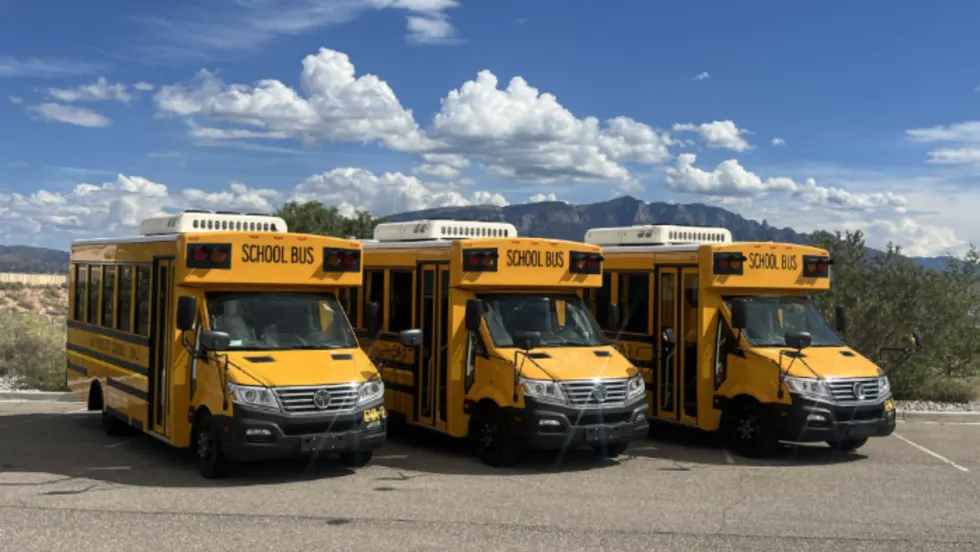
GreenPower Expands New Mexico EV Pilot With Larger Buses, V2G Testing
After logging more than 17,000 electric miles in the first year, New Mexico’s statewide pilot is moving into its second phase with larger vehicles, continued charging evaluations, and more.
Read More →
Can EV-as-a-Service Help Fleets Scale Electrification?
Sustainability Partners CEO Adam Cain explains how matching EVs, charging infrastructure, and duty cycles can help fleets scale electrification.
Read More →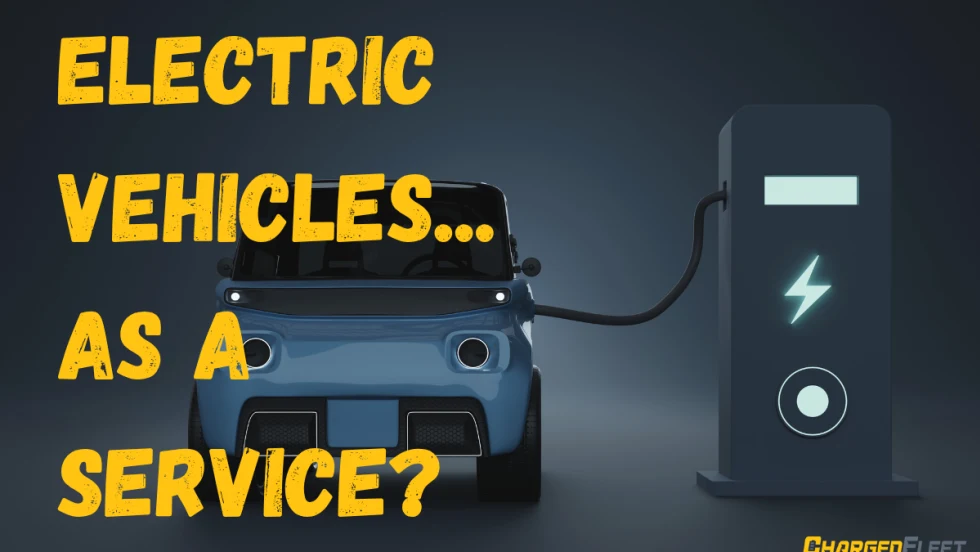
How EV-as-a-Service Is Moving Fleets Beyond Pilots
Adam Cain, president and CEO of Sustainability Partners, explains how EV-as-a-service can help fleets scale deployments by addressing duty-cycle requirements and charging challenges.
Read More →
PowerFlex, The Mobility House Join Forces to Advance Fleet Electrification
Two EV charging providers are joining forces to deliver a broader portfolio of energy management and fleet electrification solutions.
Read More →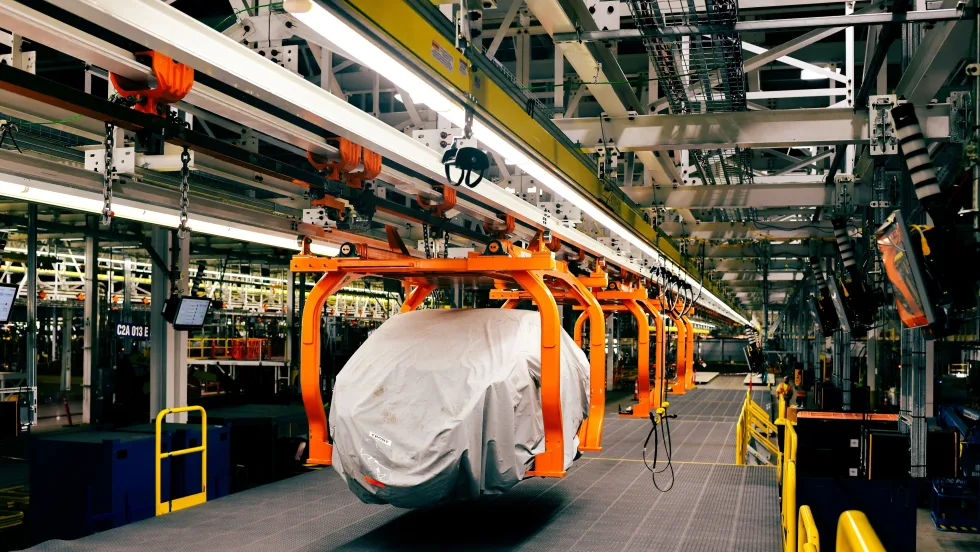
Ford Retools Louisville Plant for Fathom Electric Truck Production
Ford's $2 billion Louisville Assembly Plant overhaul introduces a three-part assembly process for the Fathom midsize electric truck, with production scheduled to begin in 2027.
Read More →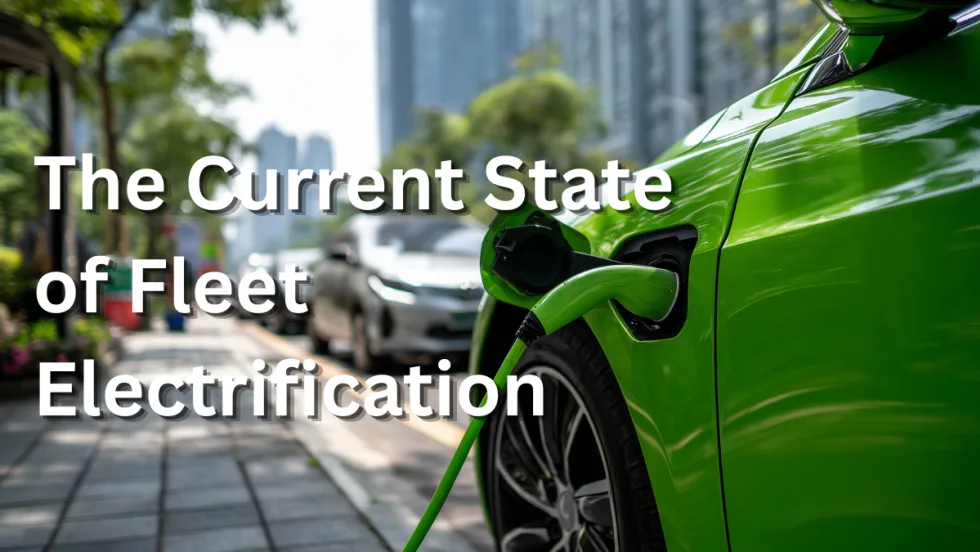
Merchants Fleet Reports 290M EV Miles as Fleets Navigate Changing Electrification Market
From millions in operating savings to hundreds of millions of EV miles, Merchants Fleet’s latest report reveals what’s working and what’s changing in fleet electrification.
Read More →
California District Commits to Electrify 25% of School Bus Fleet by 2028
One of the nation's largest school bus electrification projects to date demonstrates how grants, charging infrastructure, and public-private partnerships can help fleets transition to EVs at scale.
Read More →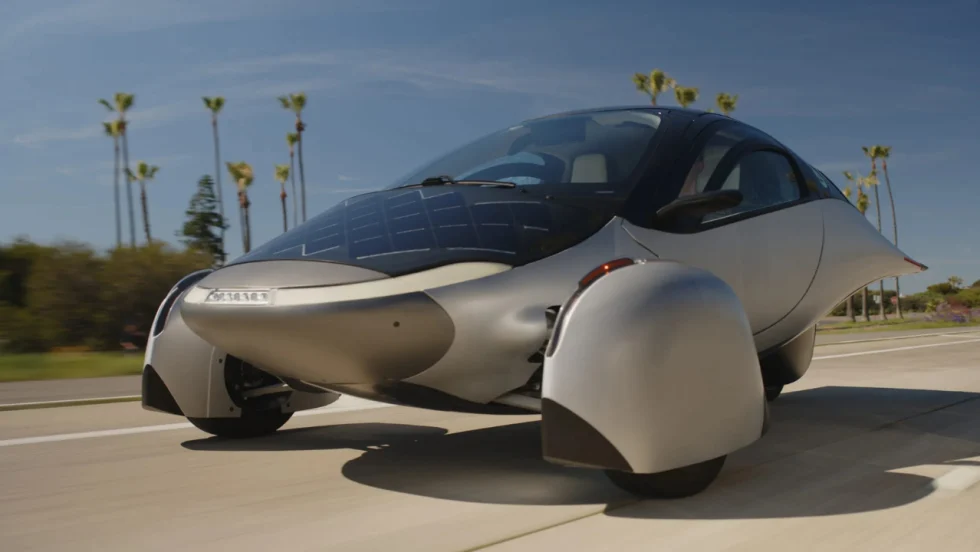
Aptera Orders Bodies and Chassis for Its First 40 Production Vehicles
Aptera Motors Corp. has issued purchase orders for the major structural components of its first 40 vehicles, and body and chassis components are expected to begin arriving in October.
Read More →