


Electric Vehicles as a Service Can Streamline Fleet Electrification
An EVaaS program in Hawaii demonstrates how a networked management platform can coordinate the charging of light and medium-duty electric fleet vehicles.
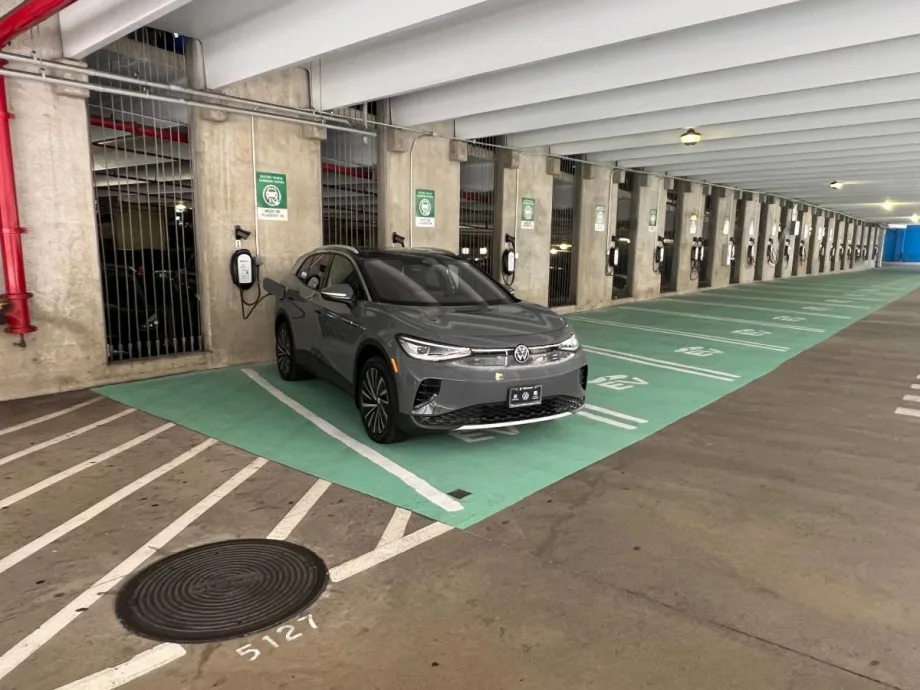
As part of an EVaaS program, 20 new EV charging stations were installed at Daniel K. Inouye International Airport near Honolulu, located in the airport's international parking structure. Available 24 hours per day, the stations are equipped with OpConnect Level 2 chargers that use standard J1772 connectors, also known as a J plug or Type 1 connector.
Photo: Sustainability Partners
Fleet electrification is accelerating across public- and private-sector fleets, but many such entities face common barriers in introducing these zero-emission vehicles.
That includes long procurement cycles and complex funding requirements, along with both charging installation and ongoing maintenance.
While there is no simple way to address those barriers, there are methods that can expedite the process, including the electric vehicle-as-a-service (EVaaS) model. This usage-based solution integrates vehicles, chargers, and infrastructure under a single “as a service” framework.
How Does EVaaS Work?
EVaaS programs enable fleets to electrify without upfront capital. It funds, procures, installs, and maintains both vehicles and charging infrastructure, while public or private fleets pay a predictable monthly usage fee. The result is a scalable, technology-agnostic platform designed to be reliable for the long-term and operate continuously.
In Hawaii, EVaaS is supporting the electrification of light- and heavy-duty vehicles and associated charging to meet the state’s ambitious clean energy goals as outlined by the Hawaii Clean Energy Initiative (HCEI). That includes a goal of 100% clean energy by 2045 and a 50% reduction in greenhouse gas emissions by 2030, based on 2005 levels.
Hawaii’s charging infrastructure incorporates a mix of Ford, Tesla, Chargepoint, OpConnect, Siemens and ABB Level 2 units, alongside Tritium, ABB, Phihong, and Webasto DC fast chargers strategically located across airports, municipal, and state facilities.
Chargers are connected to a networked management platform that monitors usage, energy throughput, and maintenance alerts. This data-driven visibility enables fleet managers to streamline charging schedules, track performance, and ensure system reliability across diverse vehicle categories.
Wider Fleet Uses For EVaaS
Light- and heavy-duty fleet vehicles aren’t the only types an EVaaS program supports. In Sustainability Partners’ case, vehicle types can include light-duty sedans and police pursuit vehicles, buses, fire trucks, Class-7 flatbed trucks, dump trucks and box trucks, ATVs, street sweepers and even hybrids.
Each deployment integrates the appropriate telematics, charging technology, maintenance, and battery health information to match vehicle type, duty cycle, and turnaround requirements.
EVaaS eliminates common procurement and funding bottlenecks by bundling vehicles, chargers, and maintenance services into a single program.
This allows fleet leaders to focus on mission-critical operations while ensuring that maintenance, repairs, and system updates are handled efficiently. With performance monitoring integrated into EVs and chargers, overall fleet uptime and reliability improve.
An EVaaS Case Study In New Mexico
Another astute EVaaS example is in New Mexico, which covers multiple agencies, cities and counties, including light- and heavy-duty vehicles, charger installations, and associated power infrastructure.
Public benefit companies prioritize public value over product sales. In an EVaaS application, it negotiates volume pricing discounts across vendors and passes those savings through to customers.
This vendor-neutral approach gives agencies flexibility to select proven technologies while ensuring interoperability and service consistency across their EV portfolios.
For public agencies seeking to electrify at scale, EVaaS provides a path forward, turning infrastructure from a financial and installation obstacle into a managed service that delivers long-term operational and environmental benefits.
More Charging
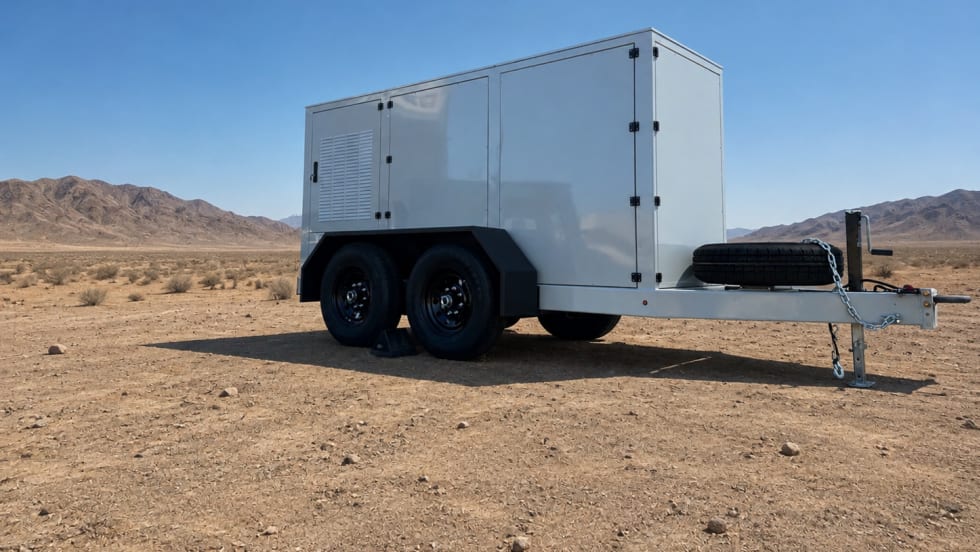
Xos Mobile Charging Hub Surpasses 1 GWh of Energy Delivered
As fleets electrify, charging capacity does not always arrive on the same timeline as the vehicles. Operating data from one Xos Hub shows how mobile, grid-independent charging can support vehicles when permanent infrastructure or utility upgrades aren't available.
Read More →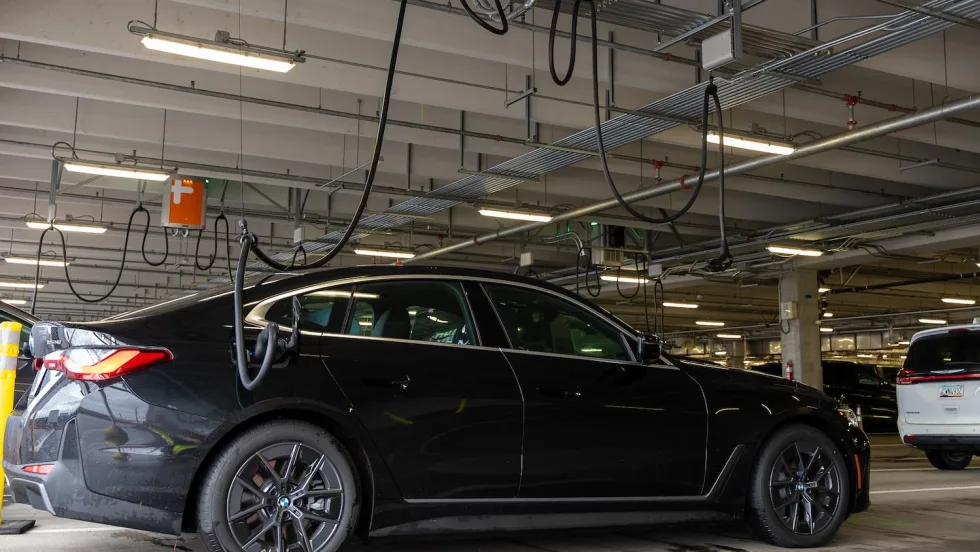
ChargePoint Adds Overhead EV Fast Charging at Portland International Airport
The installation can charge up to 20 rental vehicles simultaneously and uses overhead equipment to preserve ground-level space at the airport's Quick Turnaround Facility.
Read More →
Octopus Energy Launches Public EV Charging App in U.S.
Octopus Charge allows EV drivers to locate and access public charging stations through a single app, building on the company's Electroverse platform in Europe.
Read More →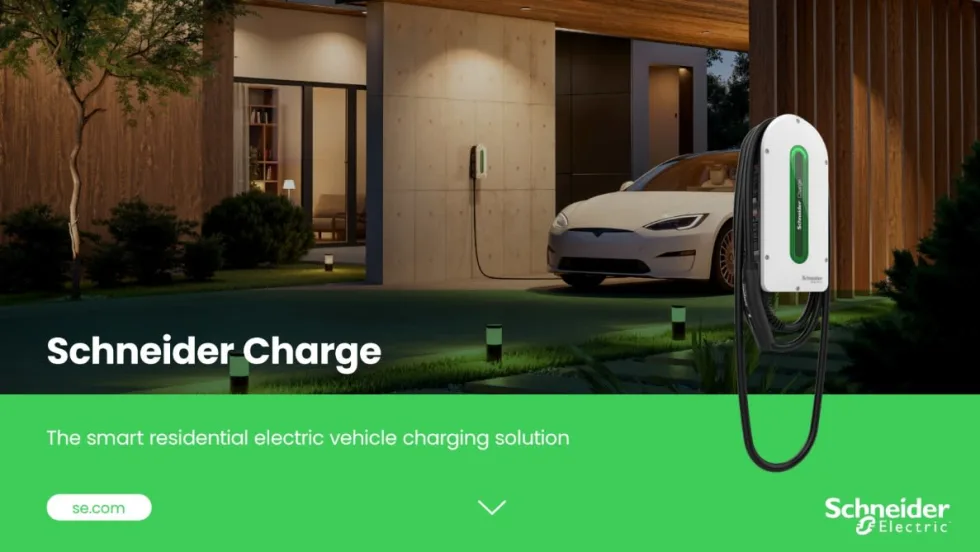
Schneider Electric Launches Level 2 Home EV Charger With Integrated Load Management
Schneider Charge uses integrated SmartAmp technology to adjust charging output based on household electrical demand and is available with NACS or J1772 connectors.
Read More →
Why EV Charging Reliability Is More Complicated Than It Looks
GridLink CEO Josh Silets explains what causes EV chargers to fail, why fleet operators often struggle to identify the source, and what questions they should ask charging vendors.
Read More →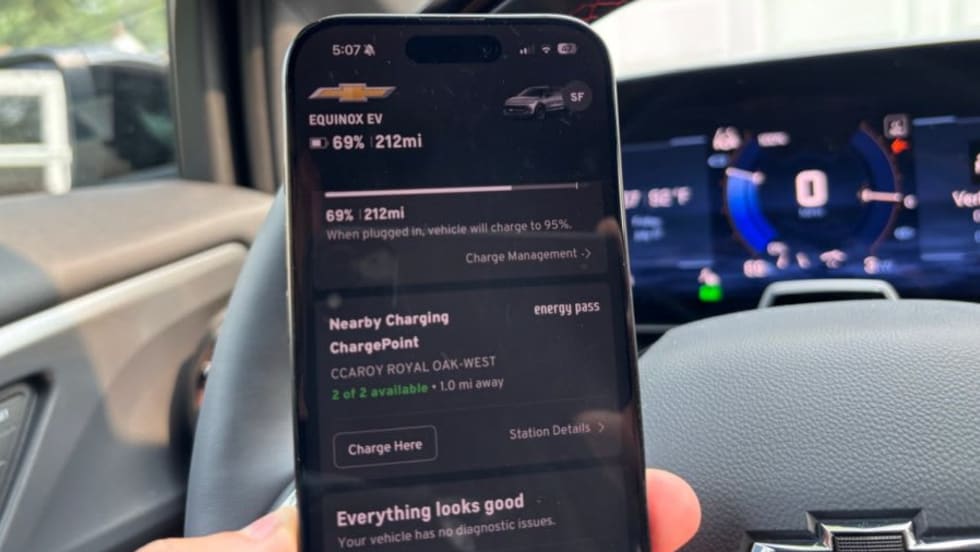
GM Adds ChargePoint Network to Energy Pass Platform
The integration gives GM EV drivers access to additional DC fast chargers and Level 2 stations through a single app while expanding the automaker's public charging ecosystem.
Read More →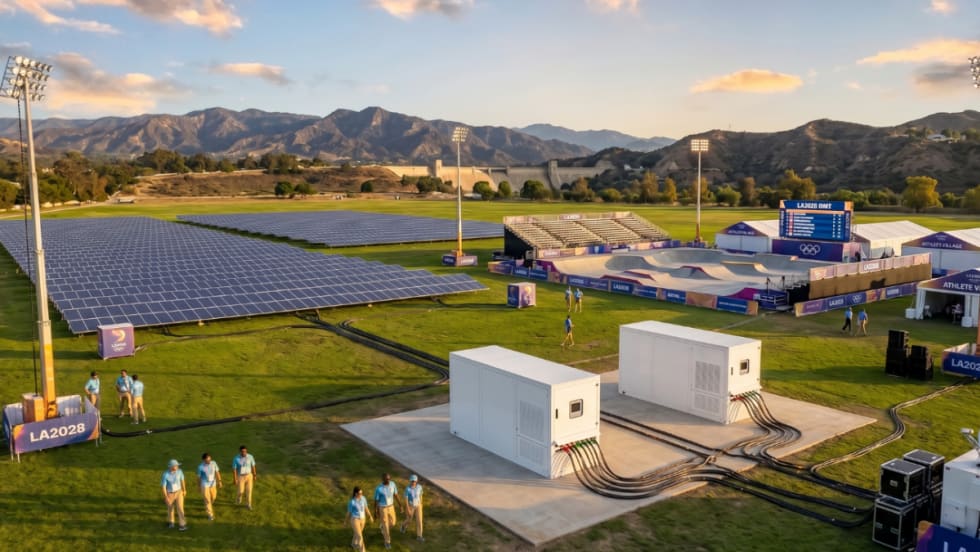
Xos White Paper Asserts LA Olympics Will Lack Enough EV Chargers
The commercial EV fleet company recommends some faster and more flexible remedies to relieve the anticipated shortfall.
Read More →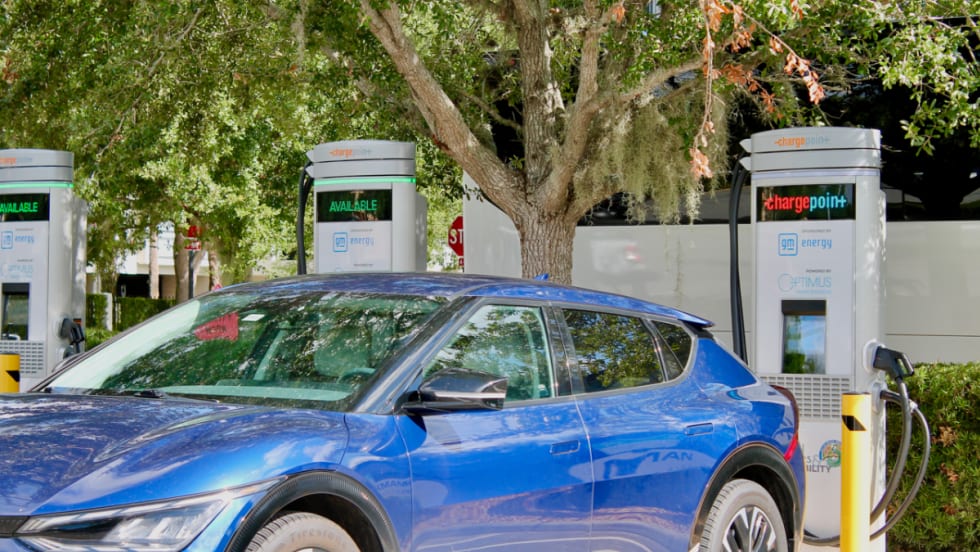
ChargePoint, Optimus Expand Fast-Charging Network Across Southeastern U.S.
ChargePoint will serve as the exclusive solutions provider, delivering hardware, software, and services to support Optimus’ growing charging network.
Read More →
Running A Profitable Electric Rental Fleet
How do you successfully operate an all-electric rental car fleet? Whether you manage a rental fleet or another commercial fleet, this conversation offers practical lessons on deploying, operating, and scaling electric vehicles.
Read More →
Why Charging May Never Be As Easy As Filling Up Gas
A seamless charge depends on a string of independent companies getting it right together, every time. How can electric fleets navigate the challenges to create a successful charging plan?
Read More →