



Learn More: Charging into Medium-Duty Electric Vehicles
Don’t Let Medium-Duty EVs Catch Your Fleet by Surprise
Adam Wilkum, director of e-Mobility for Roush CleanTech, discusses the importance of researching what will work best for your operation sooner rather than later.
December 1, 2021
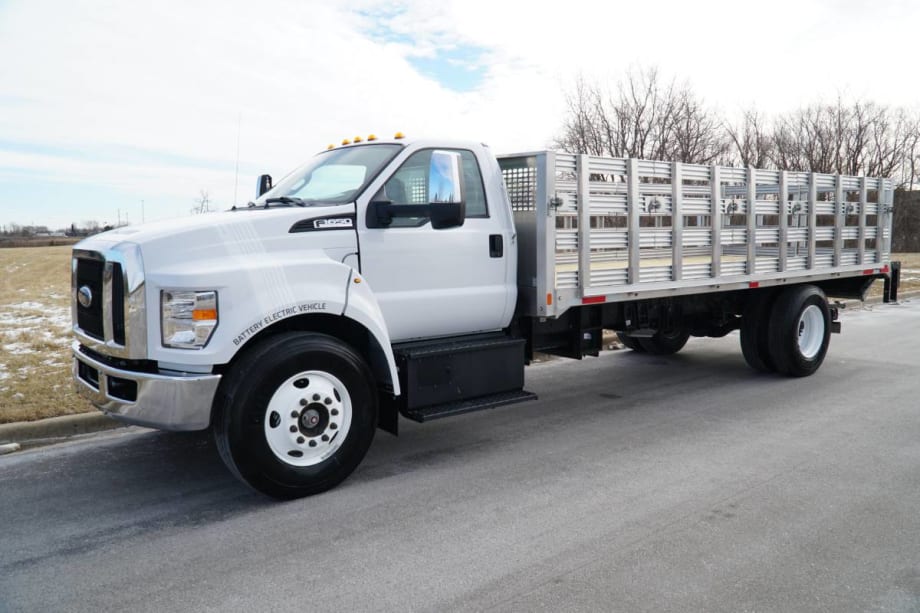
Roush CleanTech’s all-electric Ford F-650 adheres to the California Zero Emissions Powertrain certification program, meets all U.S. Department of Transportation regulations, and complies with all applicable Federal Motor Vehicle Safety Specifications requirements.
Photo: Roush CleanTech
5 min to read
Medium-duty electric trucks aren’t just a concept sketch anymore. They are very real, and vocational fleet managers need to start brushing up on the best and most practical ways to incorporate them into their operation. Adam Wilkum, director of e-Mobility for Roush CleanTech, spoke to Work Truck about how medium-duty EVs are changing the game and what fleets can do to ensure they get the best return on investment.
Medium-Duty EV Fleet Effects
It’s no secret medium- and heavy-duty truck technology tends to lag behind that of light-duty vehicles. Therefore, it makes sense the same would go for electric vehicle (EV) technology.
Wilkum said when it comes to the medium-duty segment, he’s currently seeing direct-drive propulsion motors being replaced by electric motors that are integrated into the rear axle and more efficient high voltage battery packaging.
“We will begin to see traditional HVAC systems replaced with more efficient heat pump-style systems in the near future,” he stated.
By integrating an “eAxle” into a vehicle design, the need for a driveshaft is eliminated. This can make the vehicle more efficient and offer a slight increase in miles that can be driven per kilowatt-hour of energy consumed, according to Wilkum.
“Any time you can remove a moving part, you are reducing the need for future maintenance needs. Battery packaging for medium- and heavy-duty trucks has proven to be a challenge because of the sheer volume of batteries needed to power these vehicles to a useable range,” he explained.
By working with its battery partner Proterra, Roush CleanTech has been able to design its chassis to package heavy-duty batteries between the vehicle frame rails, greatly improving safety and ground clearance.
HVAC loads are most frequently the highest accessory drain on an electric vehicle, and reversible heat pump-style heating and cooling can drastically reduce the power needed.
Becoming Mainstream
It appears news reports of the emergence of medium- and heavy-duty EVs are becoming more frequent, but it begs the question: will anyone be able to crack the code to make running an electric-powered truck viable?
Wilkum believes the answer comes in two parts: regulation and total cost of ownership.
Regulations abound when it comes to the adoption of zero-emission vehicles. California and the state’s Air Resources Board (CARB) come out on top with the Advanced Clean Trucks regulation passed in early 2021, and the follow-up Advanced Clean Fleets legislation projected to be law by the end of 2022.
“In a nutshell, these mandates will require vehicle manufacturers to begin selling electric vehicles, and fleet owners to begin purchasing electric vehicles starting in 2024,” he explained. “The requirements steadily increase year over year to 2035 depending on vehicle class, 2b through 8. While this mandate currently only applies in California, it’s important to note 15 other states have partnered with CARB and signed a memorandum of understanding stating all medium- and heavy-duty new vehicle sales will be 30% by 2030, and 100% by 2050.”
To ease total cost of ownership, discovering funding grants to offset the initial purchase price will help to level the playing field between internal-combustion engine vehicles and medium- and heavy-duty electric trucks.
“Economies of scale have historically shown the price of these vehicles will continue to decrease as more of them are built, which will be accelerated by legislative mandates,” he said. “High-voltage batteries are by far the most expensive part of an EV, and a 2018 study by CARB predicted battery pricing will decrease by about 9% year over year in medium and heavy-duty vehicles. In other words, EVs save time and money over the vehicle lifespan.”
What Fleet Managers Need to Know
According to Wilkum, the first step in pursuing electric trucks for your fleet is to determine if those currently available for purchase will meet your duty cycle requirements.
“As of 2021, vehicles in the Class 6-7 space offer ranges anywhere from 80 to 230 miles on a single charge. It’s important to note the price of the truck increases considerably with the amount of capable range,” he said.
The second step is to determine where you will charge the vehicle, and how quickly you will need to replenish the battery to ensure you have enough available power at your facility. The next step would be to obtain funding for the purchase, and there are several tools available on the internet to search for available EV funding.
“Partnering with your OEM of choice can make the entire process much easier and increase your chances of being awarded funding if you don’t have experience applying for grant funding,” he elaborated.
EV FAQs
At both the federal and state level, an increase in regulations that will help mitigate greenhouse gas emissions has brought interest in medium- and heavy-duty EV options to a fever pitch. Most of the questions Roush CleanTech receives on the matter revolve around usable range, vehicle specifications, and charging infrastructure.
As with any new technology, fleet managers are educating themselves on these topics to determine what will work for them.
“We also get a lot of questions on topics like second life of batteries, useful life of high voltage batteries, safety, and serviceability. We try to educate fleet owners on the coming mandates and rapidly changing emission laws that will apply to their fleet. The transportation landscape is changing rapidly, and I would encourage any fleet owner to educate themselves now, instead of possibly being forced into a purchasing decision on short notice to meet compliance,” warned Wilkum.
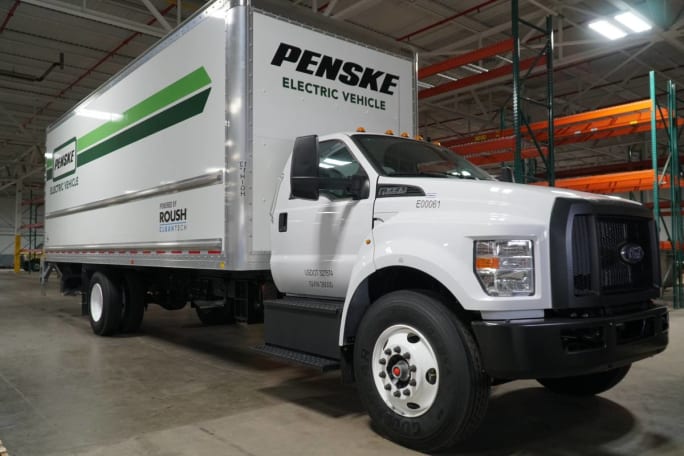
Roush CleanTech provided Penske Truck Leasing with all-new Ford F-650 battery electric vehicles for deployment across Southern California.
Photo: Roush CleanTech
Preparing for the Tipping Point
Wilkum predicts the tipping point for fleet operators to make significant moves into electric trucks will be caused by a variety of factors over the next decade. It is apparent the industry is now realizing the momentum behind electrification shows no signs of stopping or being left in the dust as a “fad.”
“Technology is improving rapidly, and the consensus from the industry is once battery pricing reaches $100 per kilowatt-hour, the total cost of ownership will equal that of internal combustion vehicles. There are varying projections as to when this will happen, but some studies predict this will happen as soon as 2024,” he said.
All in all, it’s vital to keep in mind medium- and heavy-duty fleets have a wide range of operating conditions and requirements. Wilkum believes it will take a range of strategies to meet the needs of a variety of fleets.
“We’re fortunate to have choices available, but researching what fits your particular needs the best will require some homework.”
Originally posted on Work Truck Online
Subscribe to Our Newsletter
More Electric Vehicles

PowerFlex, The Mobility House Join Forces to Advance Fleet Electrification
Two EV charging providers are joining forces to deliver a broader portfolio of energy management and fleet electrification solutions.
Read More →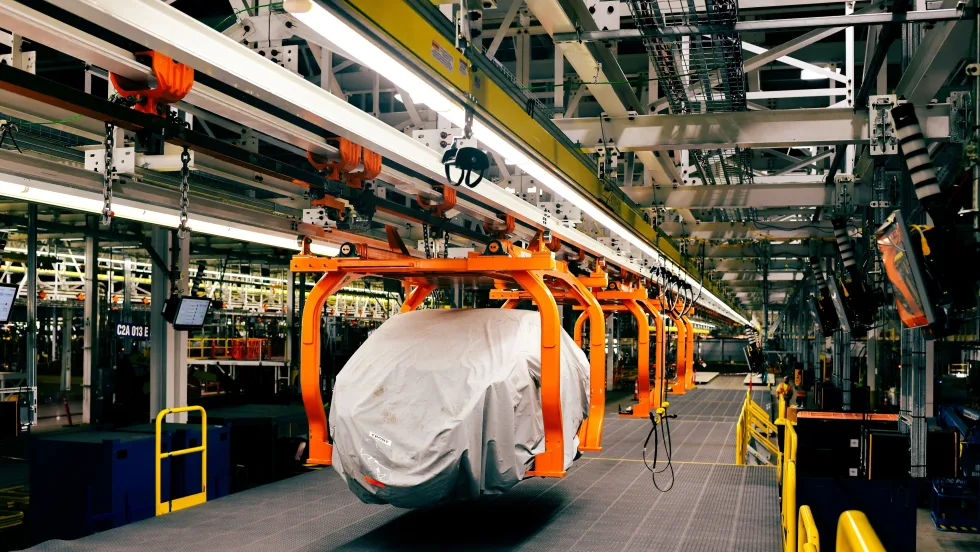
Ford Retools Louisville Plant for Fathom Electric Truck Production
Ford's $2 billion Louisville Assembly Plant overhaul introduces a three-part assembly process for the Fathom midsize electric truck, with production scheduled to begin in 2027.
Read More →
Merchants Fleet Reports 290M EV Miles as Fleets Navigate Changing Electrification Market
From millions in operating savings to hundreds of millions of EV miles, Merchants Fleet’s latest report reveals what’s working and what’s changing in fleet electrification.
Read More →
California District Commits to Electrify 25% of School Bus Fleet by 2028
One of the nation's largest school bus electrification projects to date demonstrates how grants, charging infrastructure, and public-private partnerships can help fleets transition to EVs at scale.
Read More →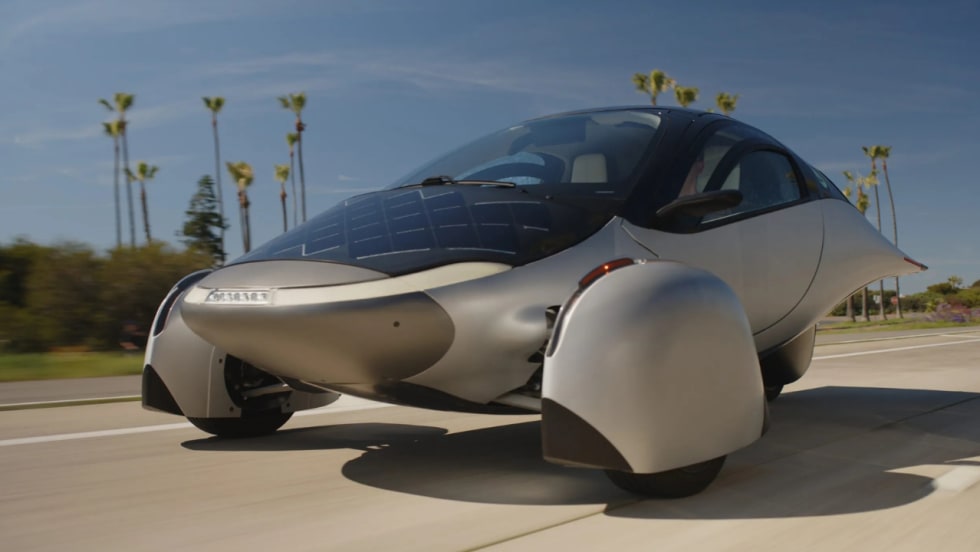
Aptera Orders Bodies and Chassis for Its First 40 Production Vehicles
Aptera Motors Corp. has issued purchase orders for the major structural components of its first 40 vehicles, and body and chassis components are expected to begin arriving in October.
Read More →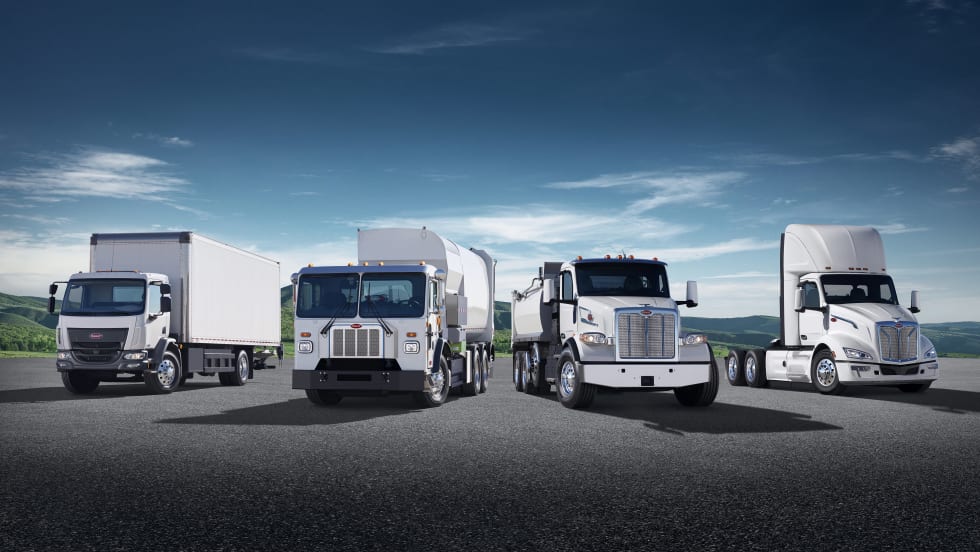
Peterbilt Expands Sourcewell Purchasing Agreement to Include Electric Trucks
The cooperative purchasing contract, now extended through July 2028, adds Peterbilt's battery-electric lineup for eligible government, education, nonprofit and tribal organizations.
Read More →
PITT OHIO Donates DC Fast Chargers to Community College of Allegheny County
The logistics company donated two 75-kW DC fast chargers to CCAC to support electric vehicle education and workforce training programs.
Read More →
California Governor Approves Instant ZEV Rebates For First-Time Buyers
That instant rebate is the centerpiece of a broader $600 million package Governor Newsom signed into law, keeping California active in the global clean transportation race.
Read More →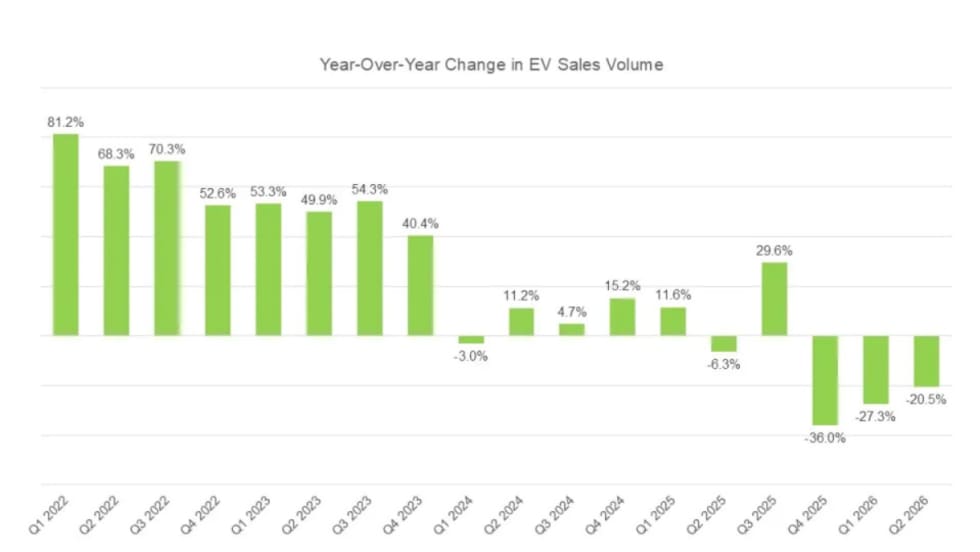
New Vehicle Models Stabilize Electrified Market In Q2
But more credit goes to hybrids than to all-electric vehicles, as more buyers look for fuel-efficient alternatives amid high gas prices.
Read More →
Xos White Paper Asserts LA Olympics Will Lack Enough EV Chargers
The commercial EV fleet company recommends some faster and more flexible remedies to relieve the anticipated shortfall.
Read More →