



Related News:Ford Pro Launches Fleet Smart Charging Bundle
Ford Pro, Southern Company Show How EV Fleets Can Save Energy
A recent pilot program determined how well a large enterprise fleet could be powered responsibly, manage site-level energy demand, and ensure drivers always had access to charging when and where they needed it.
September 4, 2025
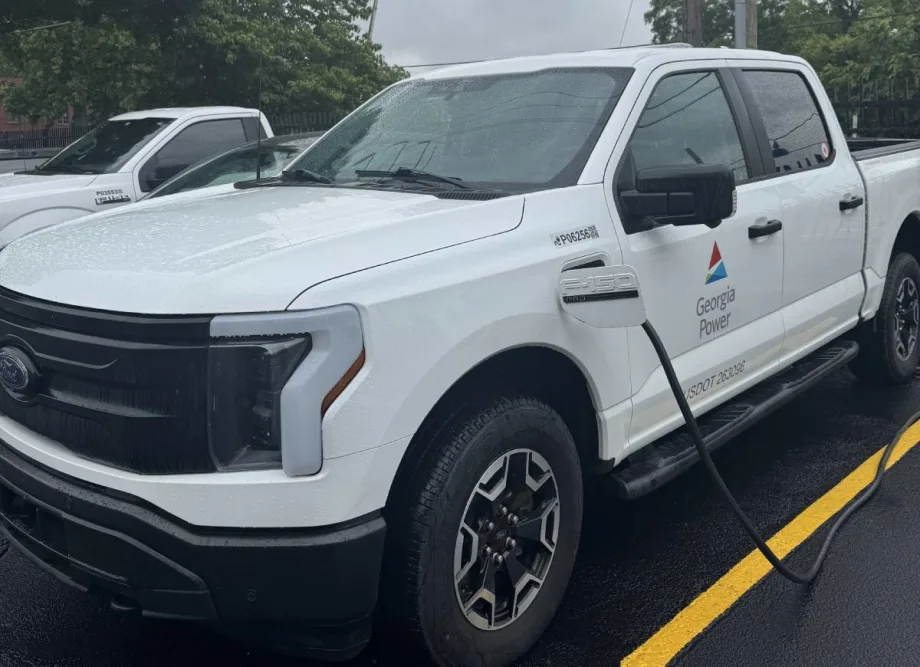
The company leveraged its more than 200 existing Ford F-150 Lightning trucks and over 150 Level 2 AC Ford Pro chargers at its subsidiaries.
Photo: Ford Pro
3 min to read
Earlier this year, Ford Pro and Atlanta-based energy provider Southern Company launched a six-month pilot program to gain valuable insights into the opportunities and challenges associated with managed charging for electric commercial fleet operations and its impact on the electric grid.
The pilot confirmed that fleets can shift charging into lower-cost periods, respond to grid signals in real-time, and be ready for all operations. These learnings can potentially help commercial customers manage fleet electrification at scale, inform future potential EV customer programs, and bolster energy reliability.
An Ideal Electric Fleet To Test Charging
During the pilot, Southern Company, which owns Georgia Power, focused on understanding fleet charging behavior and how dynamic rates and demand response capabilities impact the crucial need to balance energy loads to create more resilient grid operations.
The company leveraged its more than 200 existing Ford F-150 Lightning trucks and over 150 Level 2 AC Ford Pro chargers at its subsidiaries. Ford Pro Intelligence monitored and analyzed data from vehicles and chargers, giving Southern Company visibility into charging patterns and energy use.
With a diverse fleet that spans multiple states, Southern Company’s fleet operations provided the ideal testbed for electrification. The pilot showed how a large enterprise fleet could be powered responsibly, manage site-level energy demand, and ensure drivers always had access to charging when and where they needed it.
Energy Savings and Insights for Future Grid and Customer Benefits
The results make a compelling case for the future of smart electrification, including shifting nearly a quarter of energy for fleet charging into more optimal windows with lower cost periods, cutting energy costs by nearly a third, and temporarily lowering site demand by over one megawatt of responsive load reduction, all while keeping the fleet fully operational.
Intelligent energy management played an important role during the six-month pilot. For Southern Company, Ford Pro’s software became a strategic tool, indicating when vehicles were charging and adjusting schedules automatically. The results showed that fleets can align with pricing and grid conditions while continuing to operate without disruption.
The impact was immediate. Ford Pro conducted strategic demand response tests that used its charging software to schedule charging pauses at specified times of high demand and peak pricing, while avoiding a disruption to operations.
Southern Company’s fleet operated throughout the tests, demonstrating that dynamic fleet charging can respond to utility signals while protecting business-critical uptime. As a result, Southern Company was able to reduce total charging demand by 0.5 megawatts (500 kW) of power during a 30-minute demand response event, averaging about 10 kW of savings per charger.
Conducting The Charging Tests
This demand response test was conducted over three days at different times, varying in duration during the pilot. This demonstrated potential for energy savings and grid efficiency, while also maintaining charger reliability for fleet drivers. Ford Pro’s software proved helpful in continuing to provide the visibility and control needed to better understand the pilot outcomes and future data-driven decisions for fleet charging capabilities.
“Ford Pro’s energy management algorithm was able to throttle chargers to avoid windows of peak grid demand, shifting charging within the drivers’ existing charging window while still ensuring that drivers got the energy they expected out of a charging session," said Tom Canada, fleet electrification project manager for Southern Company subsidiary Georgia Power. “The insights gleaned from this pilot represent valuable learnings that can be applied to help us manage our electric vehicle fleets more efficiently and better advise customers who may approach our electric utilities for advice about managed charging for their fleets.”
In sum, by combining data from Ford vehicles and chargers with its software, Ford Pro empowers companies like Southern Company to envision potential EV charging efficiency and savings for both EV fleet customers and grid reliability for all.
More Charging
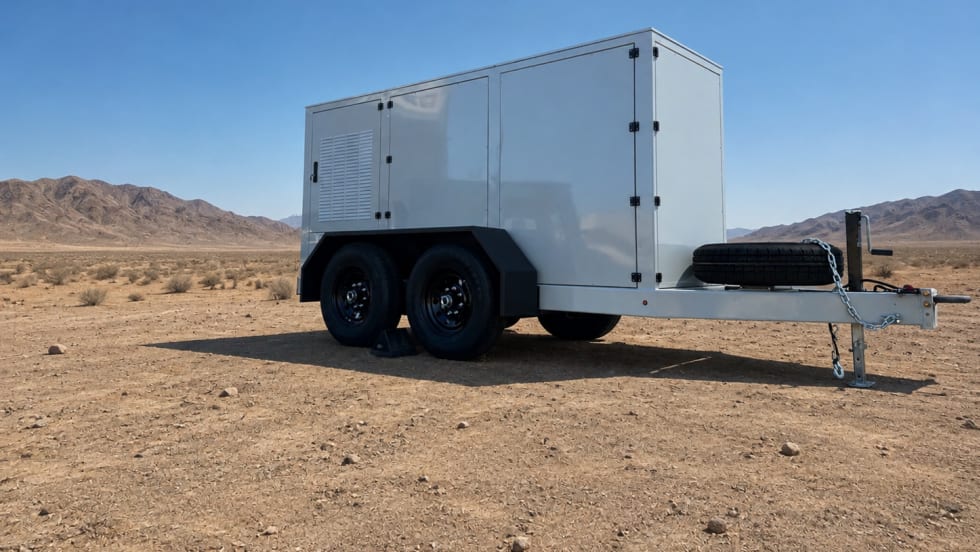
Xos Mobile Charging Hub Surpasses 1 GWh of Energy Delivered
As fleets electrify, charging capacity does not always arrive on the same timeline as the vehicles. Operating data from one Xos Hub shows how mobile, grid-independent charging can support vehicles when permanent infrastructure or utility upgrades aren't available.
Read More →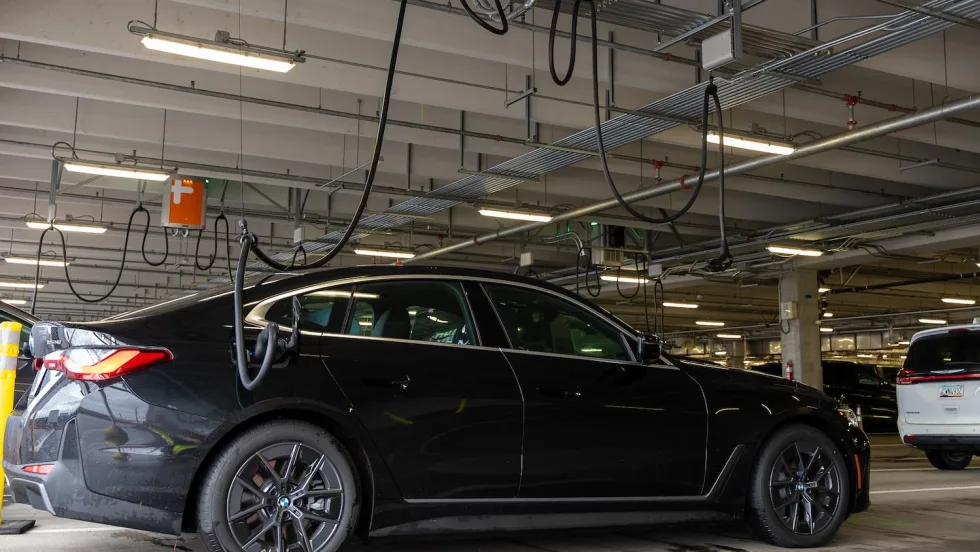
ChargePoint Adds Overhead EV Fast Charging at Portland International Airport
The installation can charge up to 20 rental vehicles simultaneously and uses overhead equipment to preserve ground-level space at the airport's Quick Turnaround Facility.
Read More →
Octopus Energy Launches Public EV Charging App in U.S.
Octopus Charge allows EV drivers to locate and access public charging stations through a single app, building on the company's Electroverse platform in Europe.
Read More →
Schneider Electric Launches Level 2 Home EV Charger With Integrated Load Management
Schneider Charge uses integrated SmartAmp technology to adjust charging output based on household electrical demand and is available with NACS or J1772 connectors.
Read More →
Why EV Charging Reliability Is More Complicated Than It Looks
GridLink CEO Josh Silets explains what causes EV chargers to fail, why fleet operators often struggle to identify the source, and what questions they should ask charging vendors.
Read More →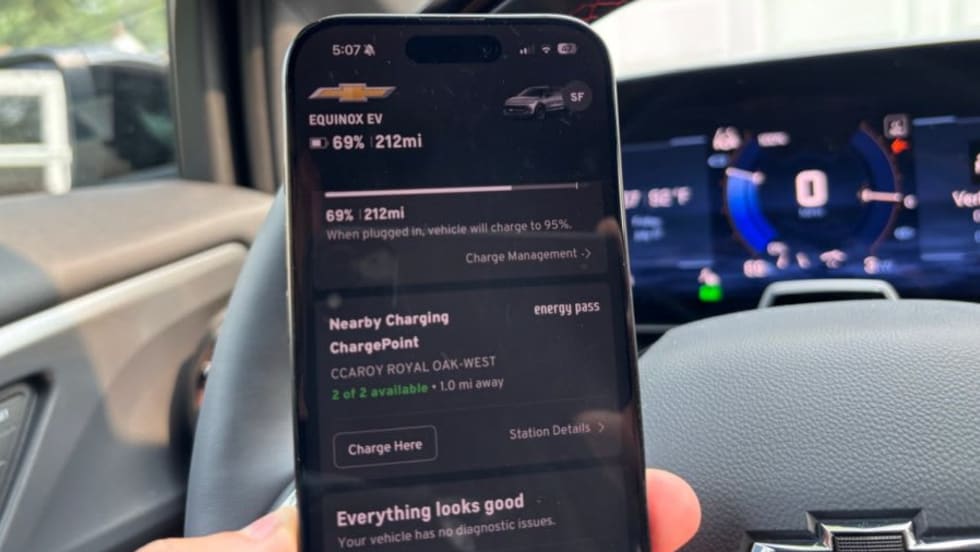
GM Adds ChargePoint Network to Energy Pass Platform
The integration gives GM EV drivers access to additional DC fast chargers and Level 2 stations through a single app while expanding the automaker's public charging ecosystem.
Read More →
Xos White Paper Asserts LA Olympics Will Lack Enough EV Chargers
The commercial EV fleet company recommends some faster and more flexible remedies to relieve the anticipated shortfall.
Read More →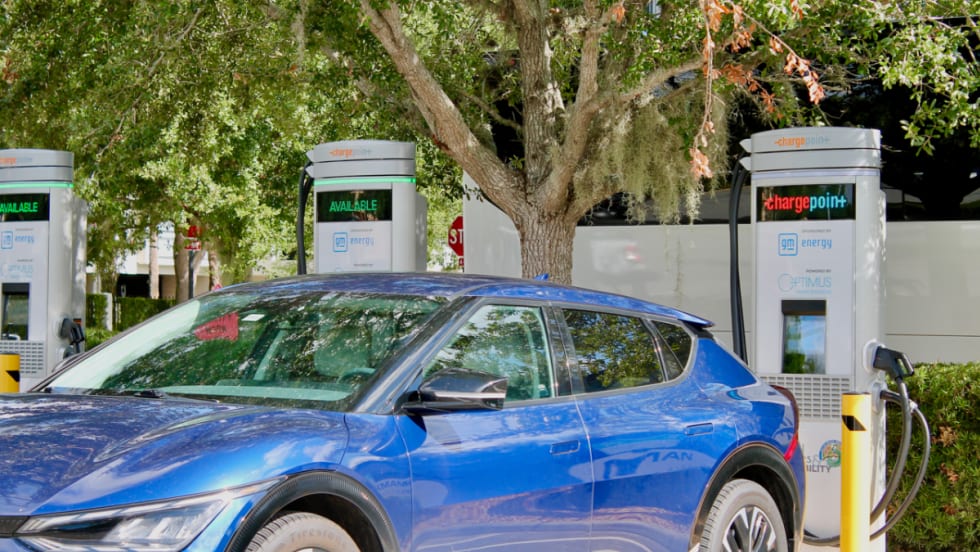
ChargePoint, Optimus Expand Fast-Charging Network Across Southeastern U.S.
ChargePoint will serve as the exclusive solutions provider, delivering hardware, software, and services to support Optimus’ growing charging network.
Read More →
Running A Profitable Electric Rental Fleet
How do you successfully operate an all-electric rental car fleet? Whether you manage a rental fleet or another commercial fleet, this conversation offers practical lessons on deploying, operating, and scaling electric vehicles.
Read More →
Why Charging May Never Be As Easy As Filling Up Gas
A seamless charge depends on a string of independent companies getting it right together, every time. How can electric fleets navigate the challenges to create a successful charging plan?
Read More →