


ZETA Maps Out Path To All-EV Sales By 2030
ZETA’s policy platform is a six-part strategy to create jobs in every congressional district, secure American global EV manufacturing leadership, improve public health, and reduce carbon pollution.

Photo: Oregon Dept. of Transportation
ZETA has set forth six key policy goals to achieve 100% EV sales by 2030.
(Zero Emission by OregonDOT is licensed under CC BY 2.0)
Photo: Oregon Dept. of Transportation
The Zero Emission Transportation Association (ZETA) on Jan. 12 published the coalition’s comprehensive federal roadmap to achieve 100% electric vehicle sales by 2030, according to a press release.
“ZETA’s policy platform results from extensive outreach, research and collaboration with the electrical vehicle sector, advocates, and policymakers,” said Joe Britton, Executive Director of ZETA. “We’ve worked diligently to develop a roadmap of recommendations that reflect the best path forward to electrify the transportation sector and meet this pivotal economic opportunity head on.”
The transition to electric vehicles (EVs) offers national policymakers a chance to create hundreds of thousands of domestic manufacturing jobs, protect public health, and secure American leadership in this innovative space. ZETA looks forward to working with President-elect Biden and Congress to cultivate a strong clean transportation sector and accelerate the transition to EVs.
ZETA’s platform provides federal policymakers with a comprehensive guide to accelerate the adoption of EVs. It consists of 34 policy proposals across six pillars:
1. Light-Duty Electric Vehicle Consumer Adoption
Point-of-sale consumer incentives, along with early retirement and tax incentives, will accelerate the demand for electric vehicles.
2. Medium- and Heavy-Duty Electrification
Buses, service, and delivery vehicles are primed for electrification, and fleet buyers are eager to save on service, maintenance, and fuel costs. New tax credits, retirement incentives, and targeted programs will further accelerate and drive demand for electric medium- and heavy-duty vehicles.
3. National Charging Initiative
ZETA is calling for a $30 billion investment in charging infrastructure. An investment of this scale will create thousands of jobs, stimulate local economies, eliminate range anxiety, and pave the way for transportation electrification that meets every community’s needs.
4. Encourage Domestic Manufacturing
The automotive industry was once the symbol of a dominant American manufacturing sector. Electric vehicles give us a unique opportunity to re-establish the United States as global leaders in production and innovative technology. ZETA’s policy proposals promote production across the entire supply chain, from raw materials to manufacturing to battery recycling.
5. Performance and Emissions Standards
Strong emissions targets will protect public health and send powerful market signals to speed the transition to zero-emission modes of transportation.
6. Federal Leadership
ZETA urges the federal government to lead the way by committing to the electrification of its own fleet, investing in charging infrastructure, and promoting federal EV rental. Federal leadership can provide an aligned vision for electrification that empowers local leaders with the necessary expertise and resources.
ZETA is an industry-backed coalition advocating for national policies that will enable 100% electric vehicle sales throughout the light-, medium- and heavy-duty transportation sectors by 2030.
More Electric Vehicles
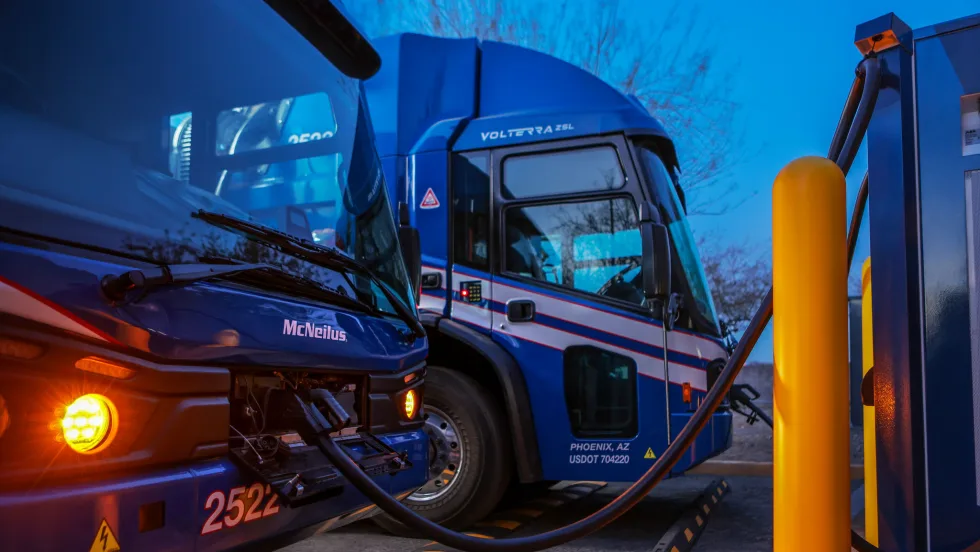
How Republic Services Decides Where Its Next Electric Trucks Can Go
With 250 electric collection trucks now in service, Republic Services is learning that scaling electrification depends less on proving the vehicle and more on whether each site can support what comes next.
Read More →
EV Charging Use Is Outpacing Infrastructure Growth
ChargePoint’s 2026 Charging Forward Report points to rising charger use, higher-powered charging, commercial vehicle electrification, and energy-management technology. Here’s what fleets should know.
Read More →
EV Realty Names Henrik Holland President as Charging Platform Expands
The former Prologis Mobility and Shell executive will help expand EV Realty’s truck charging business and move its power-first infrastructure model into autonomous vehicle depots and other fleet sectors.
Read More →
GreenPower Expands New Mexico EV Pilot With Larger Buses, V2G Testing
After logging more than 17,000 electric miles in the first year, New Mexico’s statewide pilot is moving into its second phase with larger vehicles, continued charging evaluations, and more.
Read More →
Can EV-as-a-Service Help Fleets Scale Electrification?
Sustainability Partners CEO Adam Cain explains how matching EVs, charging infrastructure, and duty cycles can help fleets scale electrification.
Read More →
How EV-as-a-Service Is Moving Fleets Beyond Pilots
Adam Cain, president and CEO of Sustainability Partners, explains how EV-as-a-service can help fleets scale deployments by addressing duty-cycle requirements and charging challenges.
Read More →
PowerFlex, The Mobility House Join Forces to Advance Fleet Electrification
Two EV charging providers are joining forces to deliver a broader portfolio of energy management and fleet electrification solutions.
Read More →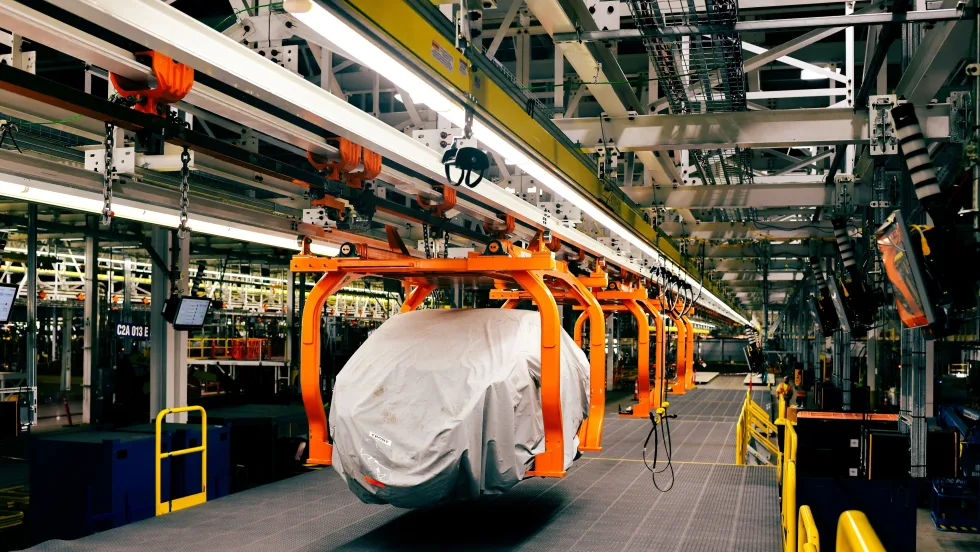
Ford Retools Louisville Plant for Fathom Electric Truck Production
Ford's $2 billion Louisville Assembly Plant overhaul introduces a three-part assembly process for the Fathom midsize electric truck, with production scheduled to begin in 2027.
Read More →
Merchants Fleet Reports 290M EV Miles as Fleets Navigate Changing Electrification Market
From millions in operating savings to hundreds of millions of EV miles, Merchants Fleet’s latest report reveals what’s working and what’s changing in fleet electrification.
Read More →
California District Commits to Electrify 25% of School Bus Fleet by 2028
One of the nation's largest school bus electrification projects to date demonstrates how grants, charging infrastructure, and public-private partnerships can help fleets transition to EVs at scale.
Read More →