



Related News: Q&A: WiTricity CMO Amy Barzdukas on Wireless Charging for MD Trucks
Wireless Charging Could Cut EV Fleet Costs in Half
A study by Witricity shows how fleets can adapt their charging model to business workflows by bringing the charge to EVs where they are.
September 23, 2021

Untethered from the cord, vehicles have more time to charge, and can do so at lower power, such as at the dock being loaded, at the depot being cleaned or prepped, or while parked.
Photo: Witricity
3 min to read
WiTricity, a company that provides wireless charging systems, on Sept. 22 released results of a study that evaluated the relative total cost of ownership (TCO) of adopting and running an electric vehicle (EV) fleet for last-mile parcel delivery when those vehicles were equipped with wireless charging instead of plug-in charging.
The study found that when using wireless charging technology, last-mile EV fleets saved up to 50% in TCO.
In a standard plug-in model, EVs are taken out of service to charge: a driver moves the EV to the charger, plugs in, and there the EV remains until sufficiently charged. In contrast, wireless charging lets fleets adapt their charging model to existing business workflows by bringing the charge to the EVs where they are: at the dock being loaded, at the depot being cleaned or prepped, or while parked. Untethered from the cord, vehicles have more time to charge, and can do so at lower power.
The outcome: lower costs by flattening the curve on “demand charges,” the compensation paid to the utility for maintaining the grid with sufficient capacity to energize a customer’s needs at peak draw. Given that electric utility charges are one of the top three components of the lifetime cost of an EV (the other two are vehicle miles traveled and vehicle purchase price), the result is a reduction in the overall TCO of going electric.
“With businesses and government agencies upgrading their last-mile fleets to be electric — from delivery vans to mail trucks — there are clear, major benefits of being able to charge those wirelessly,” said Alex Gruzen, WiTricity CEO. “Our analysis shows that WiTricity’s technology introduces great flexibility with significantly lower costs.”
WiTricity compared the use of 50kW plug-in charging to 24kW wireless charging with the fleet running two 8-hour shifts, leaving four hours per shift for charging and depot operations. The study found that wireless charging in place of plug-in charging:
Doubles the duration of charging operations. This is because wireless charging pads can be installed at key locations across the depot — loading docks, cleaning areas, parking areas — so vehicles can charge in parallel to other depot operations just by parking as they normally would.
Reduces peak electrical demand for the depot by half. Spreading the charging load across more time means that the demand charges from the utility are lower. This also has a further benefit of reducing overall stress on the electric grid.
Decreases exposure to back-up energy generation infrastructure and operation costs. Like the peak load calculations for energy demand charges, the demand for power from backup energy sources like micro-turbines or traditional diesel generators is lessened as well.
Cuts down on labor costs and maintenance. With wireless charging, no human intervention is required to plug and unplug, so there’s increased autonomy and lower labor costs. Additionally, wireless charging incurs very low maintenance because there are no serviceable parts, active cooling, or mechanical connectors that wear out or need to be replaced.
WiTricity information:witricity.com / Study information here.
More Charging
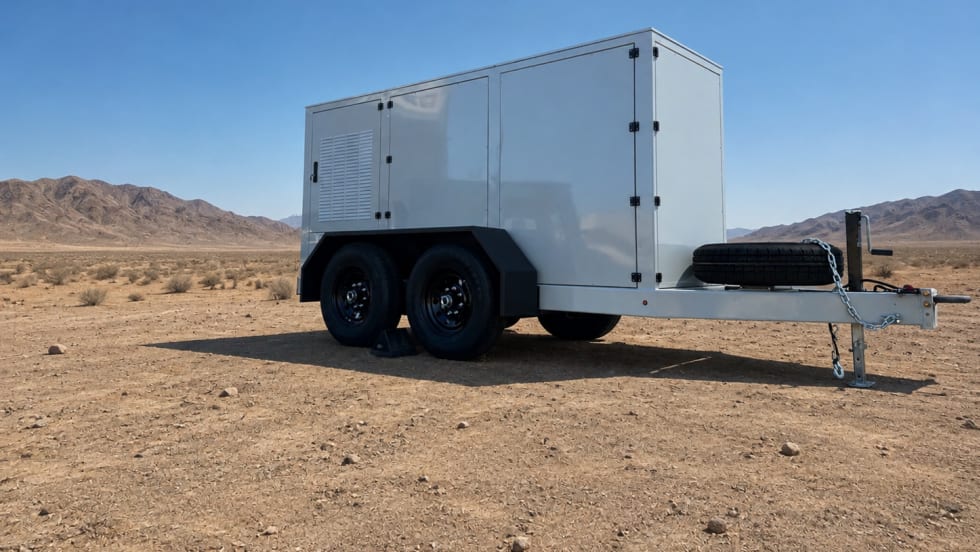
Xos Mobile Charging Hub Surpasses 1 GWh of Energy Delivered
As fleets electrify, charging capacity does not always arrive on the same timeline as the vehicles. Operating data from one Xos Hub shows how mobile, grid-independent charging can support vehicles when permanent infrastructure or utility upgrades aren't available.
Read More →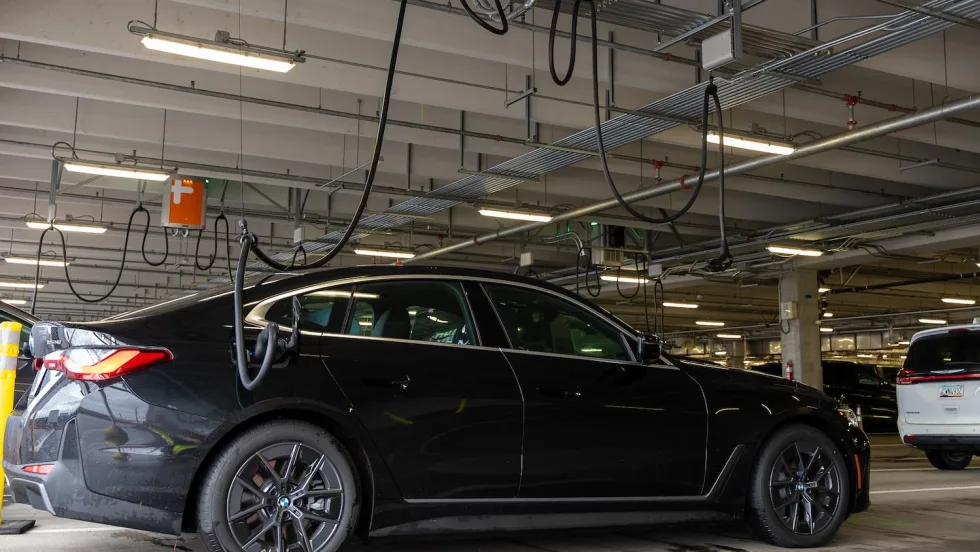
ChargePoint Adds Overhead EV Fast Charging at Portland International Airport
The installation can charge up to 20 rental vehicles simultaneously and uses overhead equipment to preserve ground-level space at the airport's Quick Turnaround Facility.
Read More →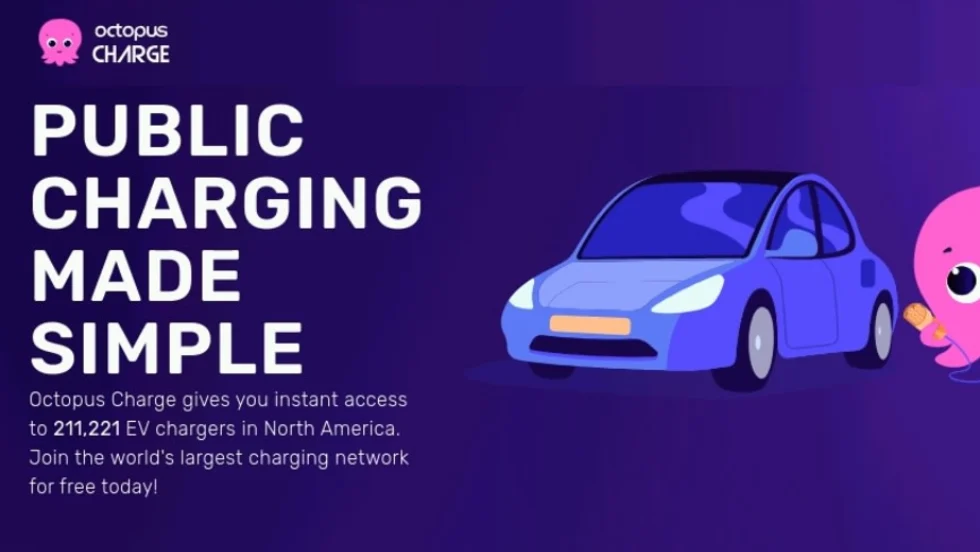
Octopus Energy Launches Public EV Charging App in U.S.
Octopus Charge allows EV drivers to locate and access public charging stations through a single app, building on the company's Electroverse platform in Europe.
Read More →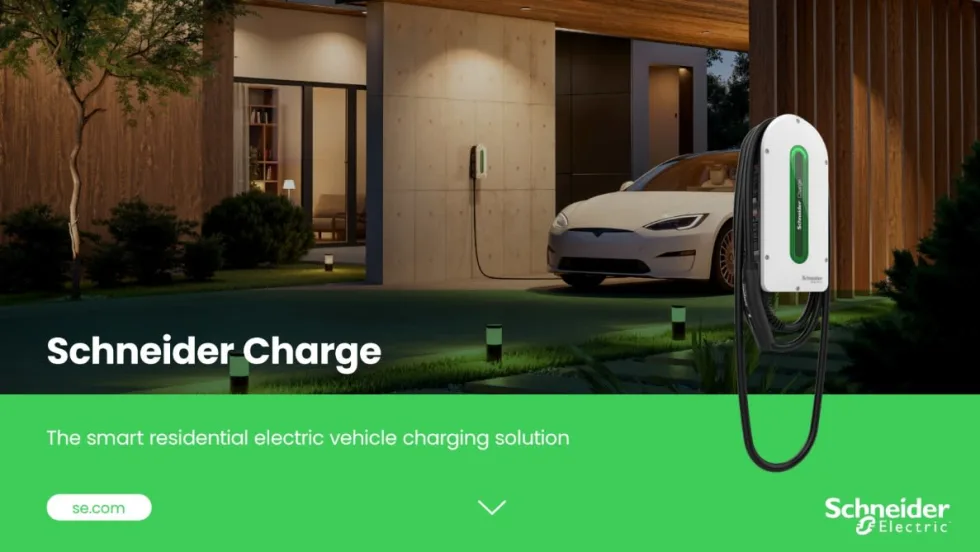
Schneider Electric Launches Level 2 Home EV Charger With Integrated Load Management
Schneider Charge uses integrated SmartAmp technology to adjust charging output based on household electrical demand and is available with NACS or J1772 connectors.
Read More →
Why EV Charging Reliability Is More Complicated Than It Looks
GridLink CEO Josh Silets explains what causes EV chargers to fail, why fleet operators often struggle to identify the source, and what questions they should ask charging vendors.
Read More →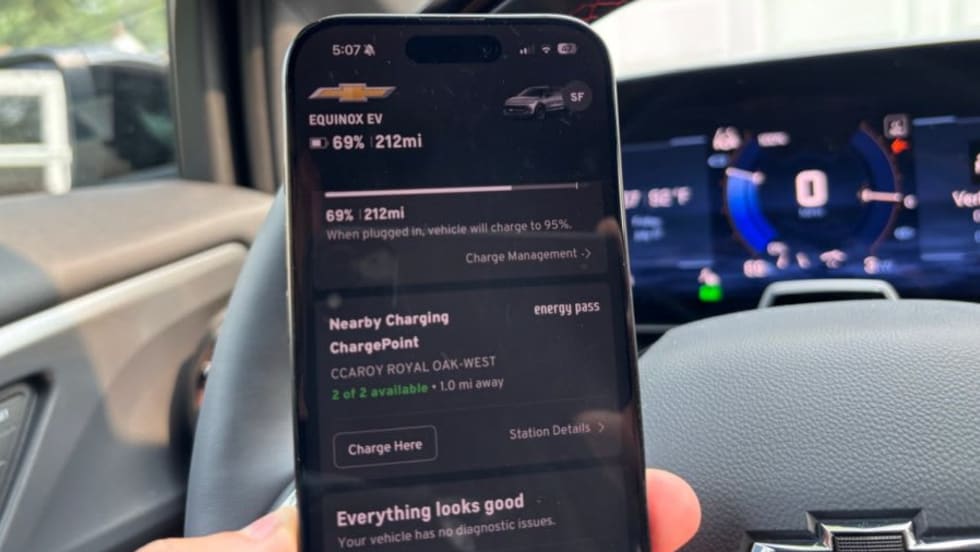
GM Adds ChargePoint Network to Energy Pass Platform
The integration gives GM EV drivers access to additional DC fast chargers and Level 2 stations through a single app while expanding the automaker's public charging ecosystem.
Read More →
Xos White Paper Asserts LA Olympics Will Lack Enough EV Chargers
The commercial EV fleet company recommends some faster and more flexible remedies to relieve the anticipated shortfall.
Read More →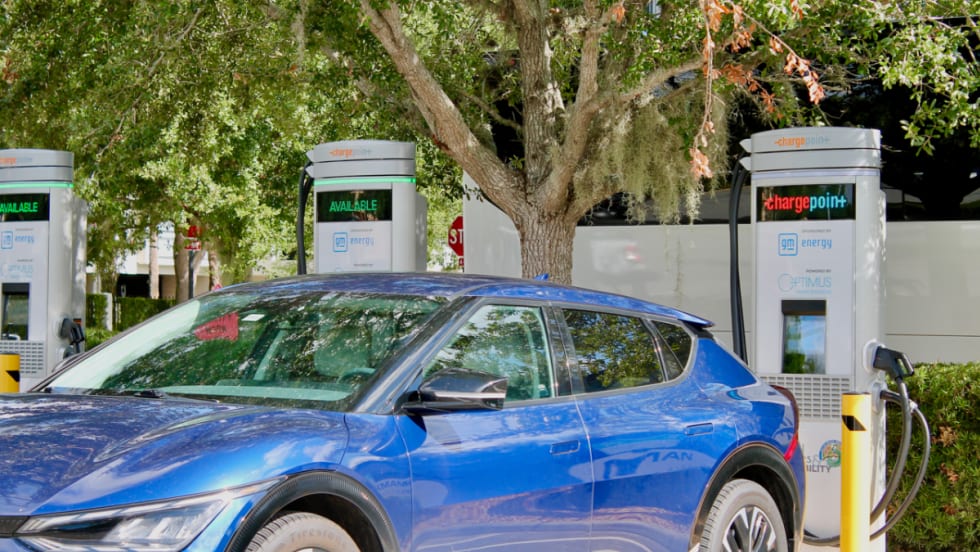
ChargePoint, Optimus Expand Fast-Charging Network Across Southeastern U.S.
ChargePoint will serve as the exclusive solutions provider, delivering hardware, software, and services to support Optimus’ growing charging network.
Read More →
Running A Profitable Electric Rental Fleet
How do you successfully operate an all-electric rental car fleet? Whether you manage a rental fleet or another commercial fleet, this conversation offers practical lessons on deploying, operating, and scaling electric vehicles.
Read More →
Why Charging May Never Be As Easy As Filling Up Gas
A seamless charge depends on a string of independent companies getting it right together, every time. How can electric fleets navigate the challenges to create a successful charging plan?
Read More →