


WEX Unveils Fleet Card Unifying Fueling and Public EV Charging Payments
WEX’s Jay Collins spoke with Automotive Fleet about how unifying fuel and EV charging into one system helps fleets scale electrification without adding administrative complexity.
January 27, 2026

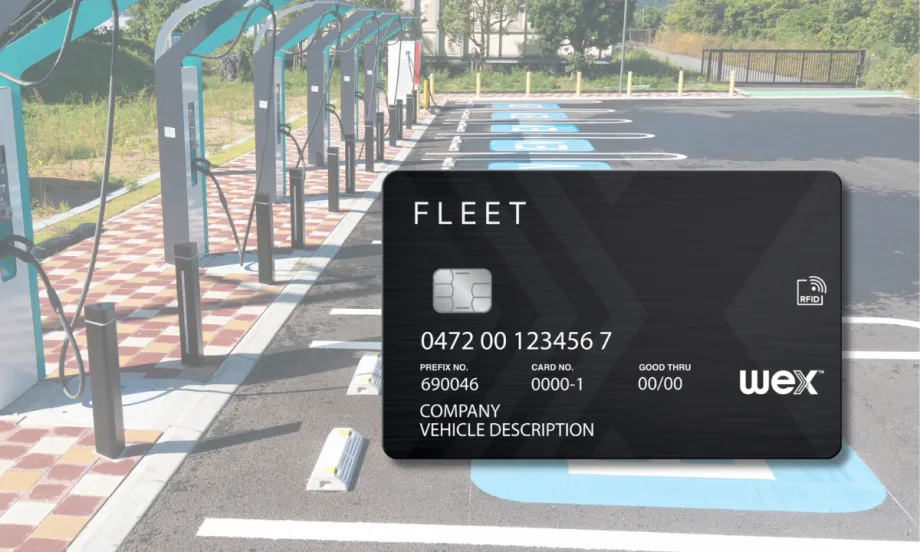
Collins said WEX’s approach is designed to give fleets a single, commercial-grade experience for both fueling and public EV charging, with charging data presented alongside traditional fuel transactions.
Credit: Automotive Fleet
3 min to read
Global commerce platform WEX has introduced the WEX Fleet card with EV payment capabilities, giving fleet customers a single way to pay for both traditional fuel and public electric vehicle (EV) charging.
WEX reports that it is the first fuel card provider to offer fueling and EV charging on a single card, under a single account, and on a single invoice across its proprietary closed-loop fuel network.
The new offering allows all data and payments to flow to one secure system, which includes over 175,000 WEX-accepting public charging ports and over 90% of U.S. gas stations that accept WEX cards.
The WEX Fleet card now with EV payment capabilities is available today for eligible fleet customers.
Addressing Fragmented Payment Systems
As fleets integrate a mix of electric or fuel-powered vehicles, many face fragmented payment systems, multiple cards or apps, and complex reconciliation. According to WEX, the WEX Fleet card with EV payment capabilities helps reduce administrative burden while delivering a more seamless and unified experience for both drivers and operators.
In addition, fleet managers retain unified reporting, purchase controls through the app, and one credit line for all transaction data for fueling and charging.
“Fleets don’t want more cards, more systems, or more reconciliation,” said Carlos Carriedo, chief operating officer, Americas Payments & Mobility. “Our customers want one solution that works everywhere, and that’s exactly what we’re delivering with EV payments built directly into this new WEX Fleet card. It’s simplicity at scale for mixed-energy operations.”
The upgraded card embeds RFID technology directly into the standard WEX Fleet card, eliminating the need for a separate EV charging card or mobile app to activate and pay for a charging session. This allows for a single card and account structure to support internal combustion engine (ICE) vehicles, hybrids, and EVs.
Powered by WEX’s proprietary closed-loop fleet network, rather than open-loop, general-purpose card networks, this approach gives customers end-to-end control of transactions, enabling richer data, stronger security, and fleet-specific purchase controls that support electrification without disrupting existing fueling workflows.
WEX’s Jay Collins on What the EV-Enabled Fuel Card Means for Fleets
For WEX, the addition of EV payment capabilities to its fleet fuel card is less about adding another tool and more about removing friction for fleet managers navigating mixed-energy operations, Jay Collins, vice president of product strategy at WEX, told Automotive Fleet.
What WEX heard from our customers was, “Please don’t make my drivers carry 15 different apps and cards,’” Collins said. “For fleet managers, that turns into 15 different credit lines, invoices, and data sets. That kind of complexity makes them less interested in electrification.”
Collins said WEX’s approach is designed to give fleets a single, commercial-grade experience for both fueling and public EV charging, with charging data presented alongside traditional fuel transactions. Unlike open-loop or consumer-focused payment tools, WEX’s closed-loop card structure allows fleets to retain the same level of visibility, security, and control they expect in the fuel space.
The experience fleets have with charging should be equal to the experience they have with fueling, Collins said. It may be the use case or the vehicle that isn’t right, but “It shouldn’t be that complexity [is holding you back],” he said.
While early EV payment solutions can work for small pilot programs, Collins said they often fall short as fleets scale. As fleet size and energy mix grow, so does the administrative burden, something WEX aims to address by consolidating fueling and charging into one system, one account, and one invoice.
“A lot of first-generation solutions work when you have two or three EVs, but they don’t scale,” Collins said. “Our objective is to remove that complexity at commercial scale.”
Originally posted on Automotive Fleet
More Electric Vehicles
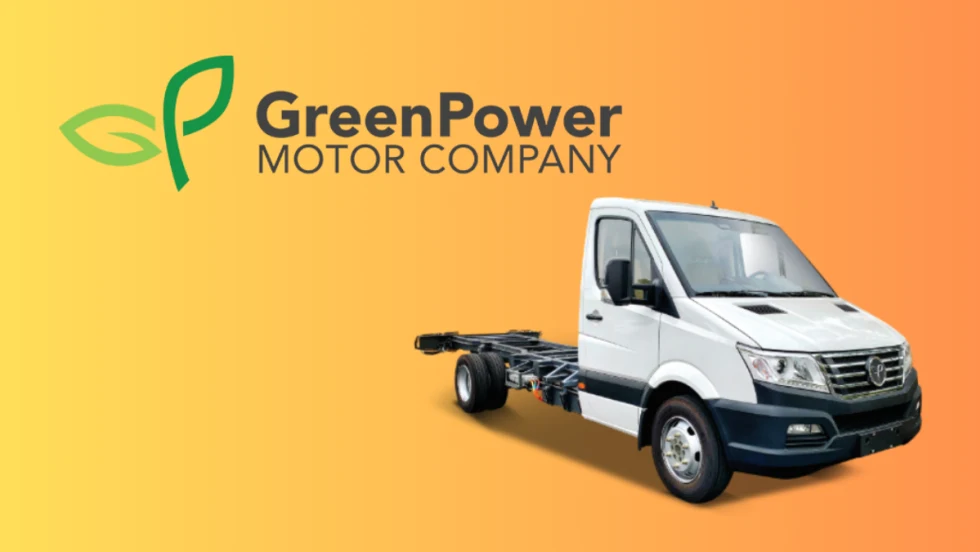
GreenPower Plans 50 Electric Shuttle Buses for Mexico
GreenPower plans to build 50 electric shuttle buses for Mexico using its EV Star Cab & Chassis platform, partnering with local body builders to expand its market reach.
Read More →
Who You Gonna Call? Rivian Turns Electric Vehicles Into Ghostbusters Rides
Rivian teams up with Sony Pictures for a Ghostbusters-inspired Halloween software update, complete with custom sounds, lighting effects, and a special Ecto-R1.
Read More →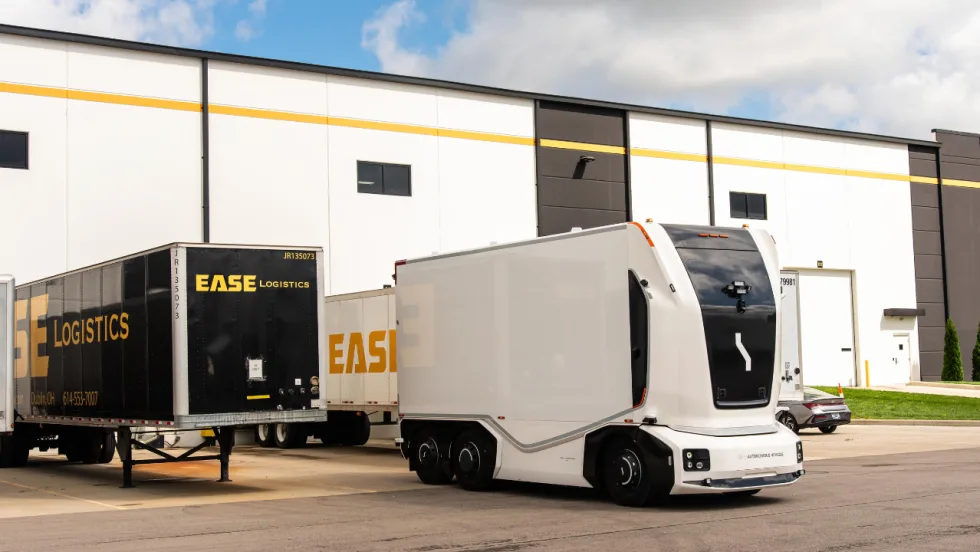
Einride Electric Driverless Trucks Begin Daily Freight Operations in Ohio
Two cabless electric trucks are now moving freight between EASE Logistics facilities, putting autonomous EV technology into daily commercial operations.
Read More →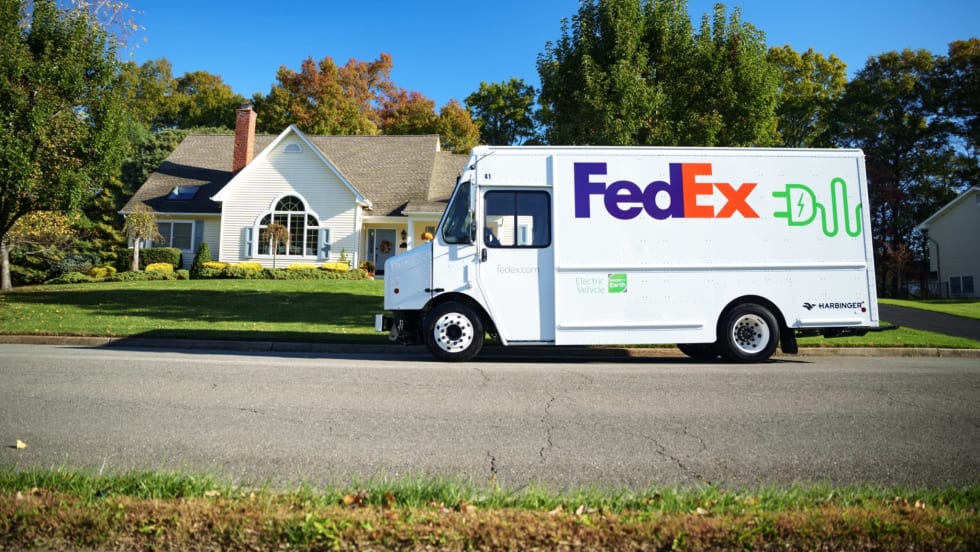
FedEx Orders 2,000 Harbinger Electric Trucks in $300 Million Deal
The Class 5 and 6 electric trucks are planned for delivery by the end of 2027 and will be deployed in FedEx pickup and delivery operations across the U.S. and Canada.
Read More →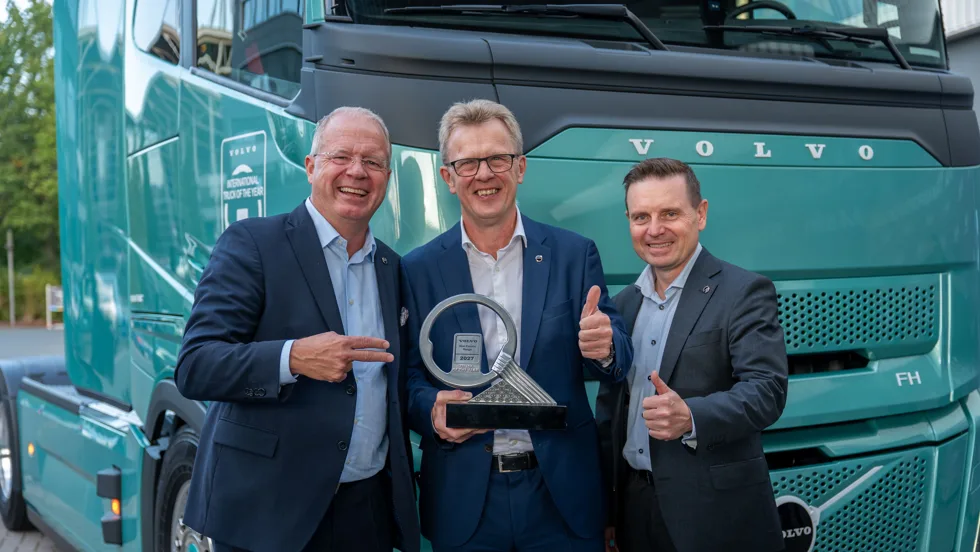
Volvo Trucks’ Electric Range Named International Truck of the Year 2027
The award recognizes Volvo’s global heavy-duty electric lineup, while more than 750 VNR Electric trucks have accumulated nearly 37 million miles in U.S. and Canadian fleet operations.
Read More →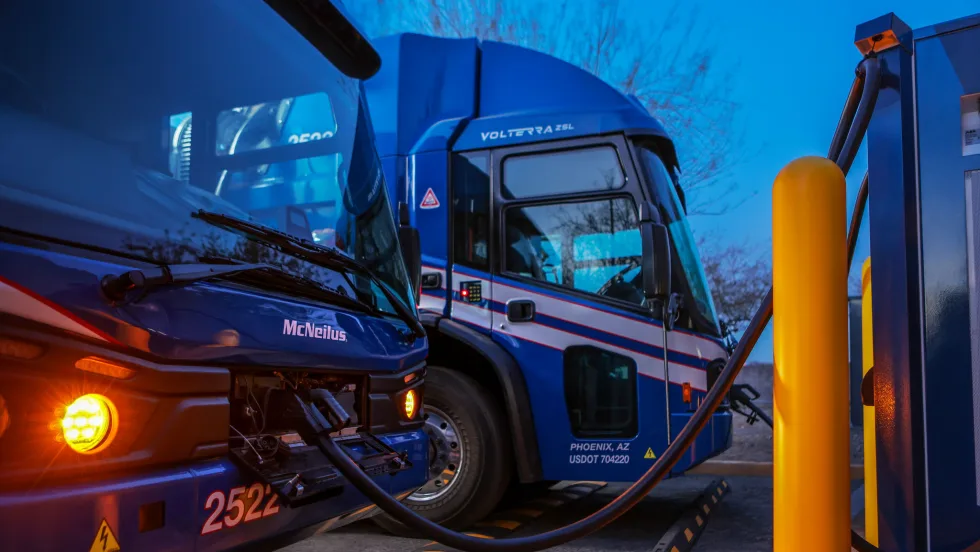
How Republic Services Decides Where Its Next Electric Trucks Can Go
With 250 electric collection trucks now in service, Republic Services is learning that scaling electrification depends less on proving the vehicle and more on whether each site can support what comes next.
Read More →
EV Charging Use Is Outpacing Infrastructure Growth
ChargePoint’s 2026 Charging Forward Report points to rising charger use, higher-powered charging, commercial vehicle electrification, and energy-management technology. Here’s what fleets should know.
Read More →
EV Realty Names Henrik Holland President as Charging Platform Expands
The former Prologis Mobility and Shell executive will help expand EV Realty’s truck charging business and move its power-first infrastructure model into autonomous vehicle depots and other fleet sectors.
Read More →
GreenPower Expands New Mexico EV Pilot With Larger Buses, V2G Testing
After logging more than 17,000 electric miles in the first year, New Mexico’s statewide pilot is moving into its second phase with larger vehicles, continued charging evaluations, and more.
Read More →
Can EV-as-a-Service Help Fleets Scale Electrification?
Sustainability Partners CEO Adam Cain explains how matching EVs, charging infrastructure, and duty cycles can help fleets scale electrification.
Read More →