



End of an Era: ‘That Thing Got a Hemi?’
Toyota's Ambitious Battery Recycling Plans Unveiled
Toyota Motor North America and Redwood Materials aim to create pathways for automotive batteries used in Toyota’s EVs that have reached the end of their life.
November 28, 2023
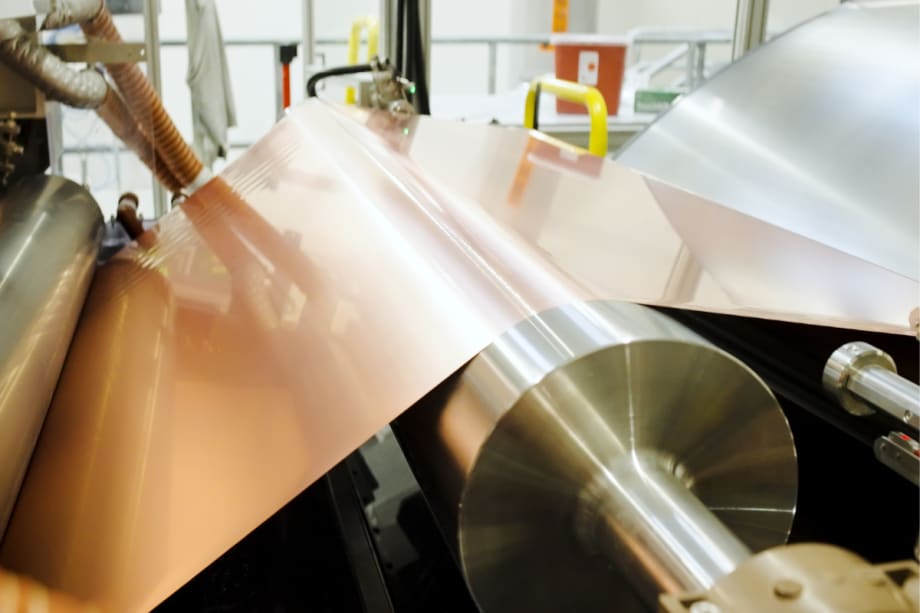
Toyota Motor North America is creating a circular supply chain to optimize logistics with Redwood Materials.
Photo: Toyota Motor North America
3 min to read
Progressing closer to the goal of battery ecosystem circularity, Toyota Motor North America and Redwood Materials expanded recycling agreement that aims to create pathways for automotive batteries used in Toyota’s electrified vehicles that have reached the end of their life.
The plan also includes an agreement for Toyota to source Cathode Active Material (CAM) and Anode copper foil from Redwood’s recycling activities for Toyota’s future, new automotive battery production.
The agreement builds on the collaboration with Redwood announced last year for battery collection and recycling of Toyota’s hybrid and battery electric vehicle batteries.
“Working with Redwood Materials, we are creating a circular supply chain to optimize logistics, expand refining, and ensure that the valuable metals recovered can be reintroduced into our future vehicles,” said Christopher Yang, Group Vice President, Business Development, Toyota Motor North America. “Accelerating our recycling efforts and domestic component procurement gets us closer to our ultimate goal of creating a closed-loop battery ecosystem that will become increasingly important as we add more vehicles with batteries to roads across North America.”
Toyota's Commitment to Carbon Neutrality
Toyota anticipates a significant surge in the demand for automotive battery recycling in the coming years, particularly with the aging of its electrified vehicle fleet, including the initial Prius models introduced over two decades ago.
As a considerable portion of Toyota's retired electrified vehicles is in California, the recycling facility in Nevada, operated by Redwood, is poised to enhance Toyota's North American supply chain.
This move is not only geared towards enhancing sustainability but also aims to optimize operational efficiency throughout the Toyota enterprise, establishing a closed-loop battery ecosystem.
The forecast for Toyota's battery lifecycle ecosystem encompasses the recycling, remanufacturing, and repurposing of nearly five million operational units.
This initiative aligns with Toyota's overarching goals of achieving carbon neutrality for its global operations by 2035 and its vehicles by 2050.
Toyota has committed to developing a closed-loop framework, including a long-term agreement to source CAM and copper foil from Redwood.
The agreement outlines that CAM recovered and produced through Redwood's recycling activities will contribute recycled material to future battery production at Toyota Battery Manufacturing, North Carolina (TBMNC).
This strategic use of recycled materials is expected to shift the focus towards domestic supply chains, providing an environmentally conscious alternative to the current carbon-intensive practices of procuring materials outside the United States. Toyota plans to commence operations at its nearly $14 billion TBMNC automotive battery manufacturing facility in 2025.
Redwood's Bold Move: Second Battery Materials Campus to Transform the Industry
Simultaneously, Redwood is investing substantially to expand its technological capabilities and facilities.
The goal is to supply U.S. battery cell manufacturers and automakers with domestically produced strategic battery materials for the first time.
Redwood's expansion includes the development of a second Battery Materials Campus outside Charleston, South Carolina, in addition to its existing Northern Nevada facility.
Both campuses will engage in the recycling, refining, and manufacturing of battery materials, to scale production to 100 GWh annually.
According to the agreement, Redwood is committed to providing materials containing a minimum of 20 percent recycled nickel, 20% recycled lithium, 50% recycled cobalt in their cathode, and exploring the use of recycled copper in their anode copper foil.
Originally posted on Work Truck Online
More Batteries/Tech
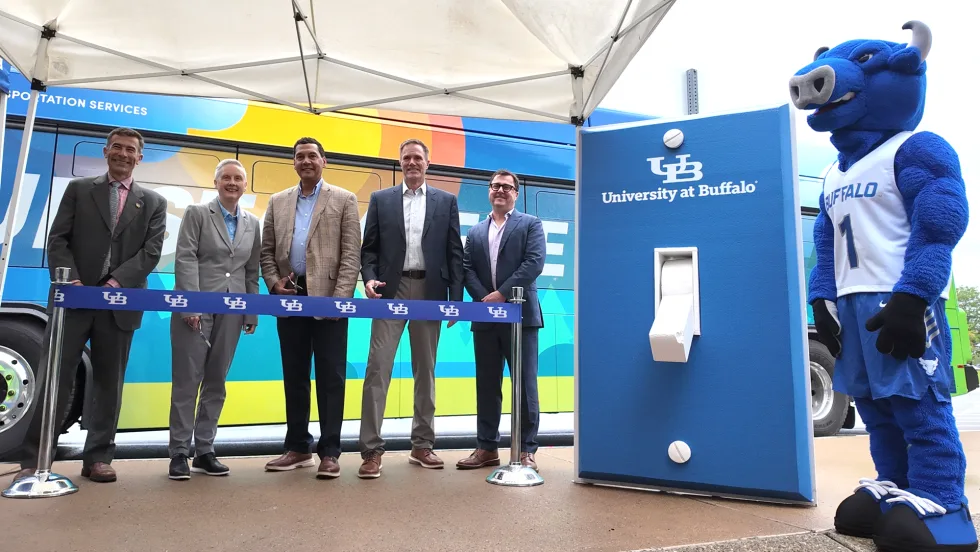
University at Buffalo Deploys 8 Electric Buses, 10 Chargers
The university, WeDriveU, and Zenobē welcomed the first electric buses to the school’s fleet under its zero-emissions roadmap.
Read More →
Samsung SDI Takes Full Control of GM Battery JV as Indiana Plant Pivots to Energy Storage
Samsung SDI is taking full control of its Indiana battery plant with GM, marking a major shift from the EV-focused joint venture Charged Fleet first covered in 2023.
Read More →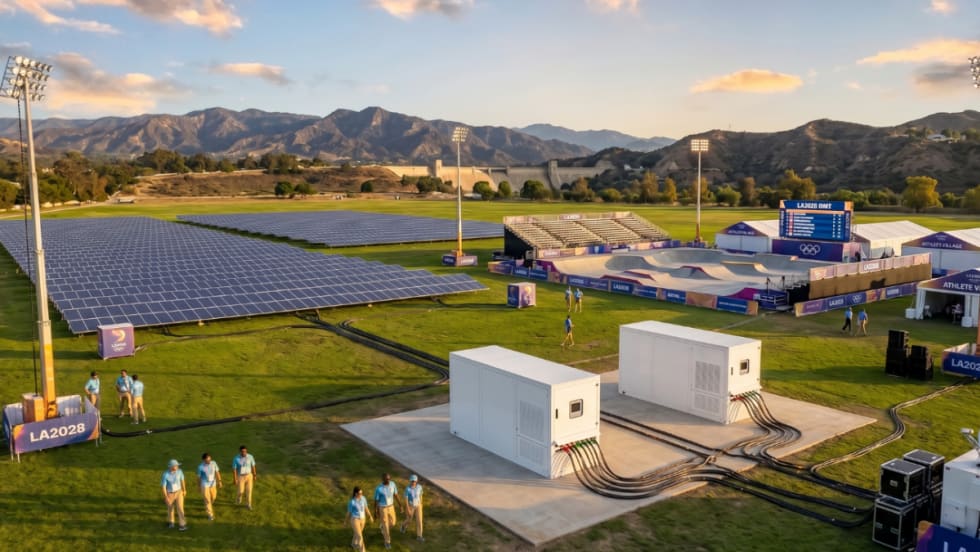
Xos White Paper Asserts LA Olympics Will Lack Enough EV Chargers
The commercial EV fleet company recommends some faster and more flexible remedies to relieve the anticipated shortfall.
Read More →
New EV and Hybrid Training Available For Auto Technicians
The curriculum covers those skill sets highly sought by electric fleet operations.
Read More →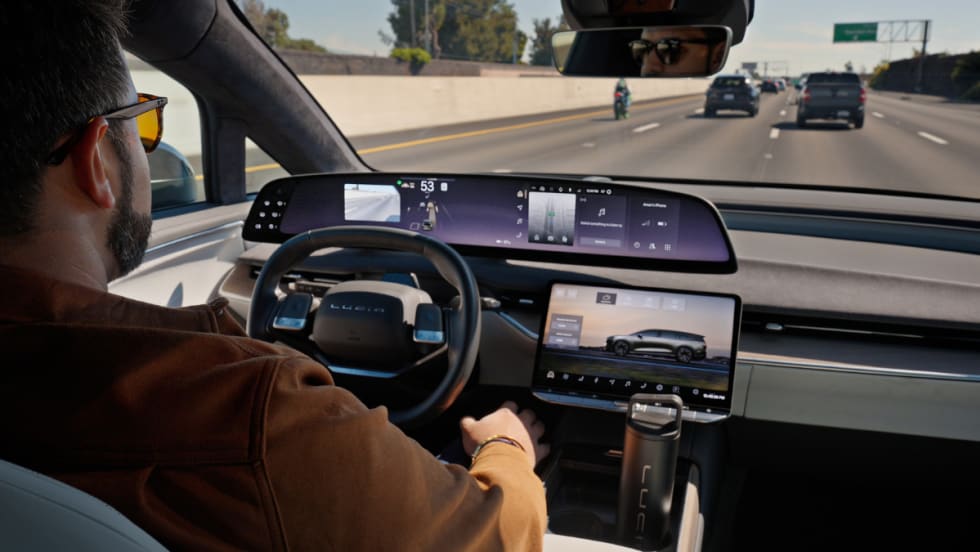
Lucid Adds Hands-Free Highway Driving, Software Updates To Gravity SUV
Hands-free drive assist makes highway driving more comfortable while keeping drivers attentive to the road.
Read More →
California Adopts Sweeping New Autonomous Vehicle Regulations
Updated DMV rules open the door for heavy-duty AV testing and deployment while strengthening safety standards, emergency response coordination, and manufacturer accountability.
Read More →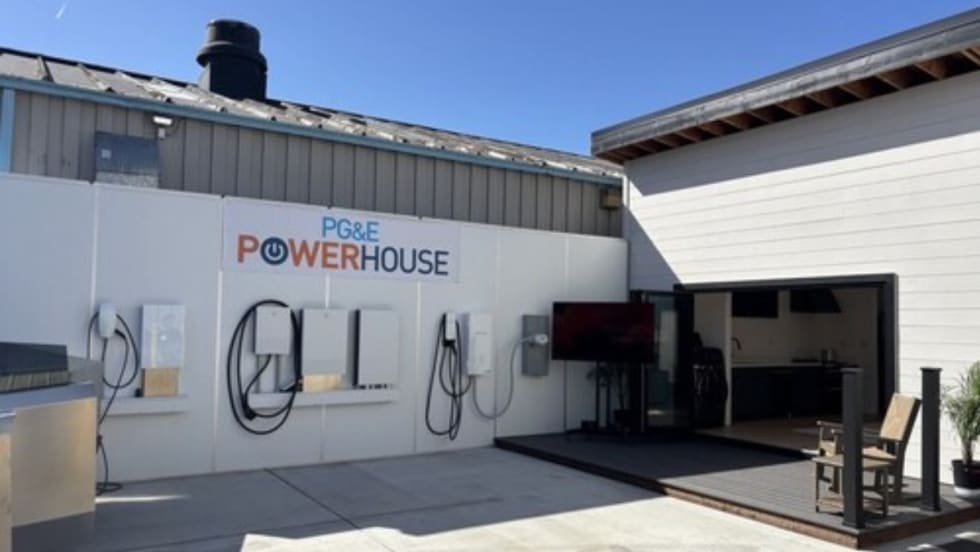
All Electric Test House Could Ease Path To EV Usage
An experimental model home shows how residential charging could enable electric fleet operations by allowing drivers to take EVs home.
Read More →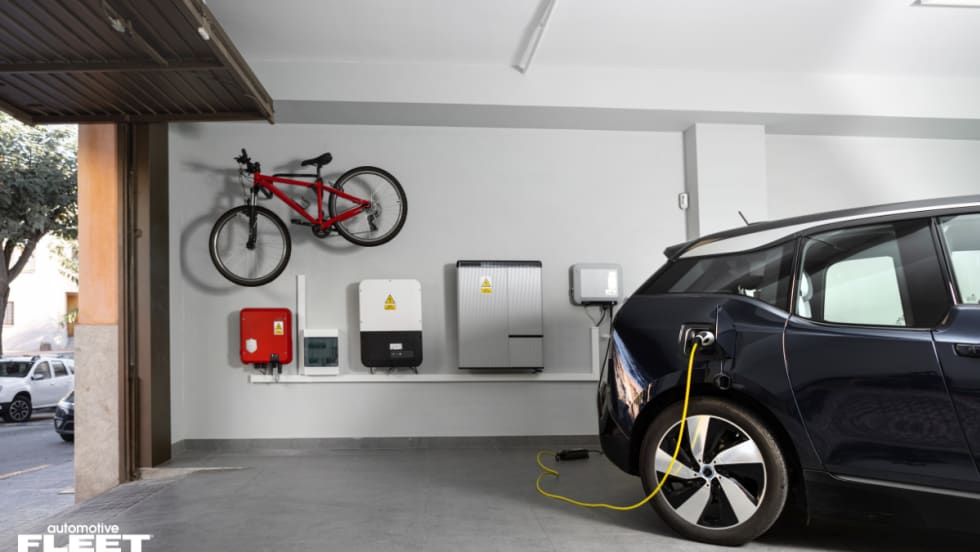
WEX Launches Solution to Close EV At-Home Charging Visibility Gap
At NAFA I&E 2026, WEX debuted an EV solution that adds a layer of verification to help fleets track, validate, and trust every at-home charging dollar.
Read More →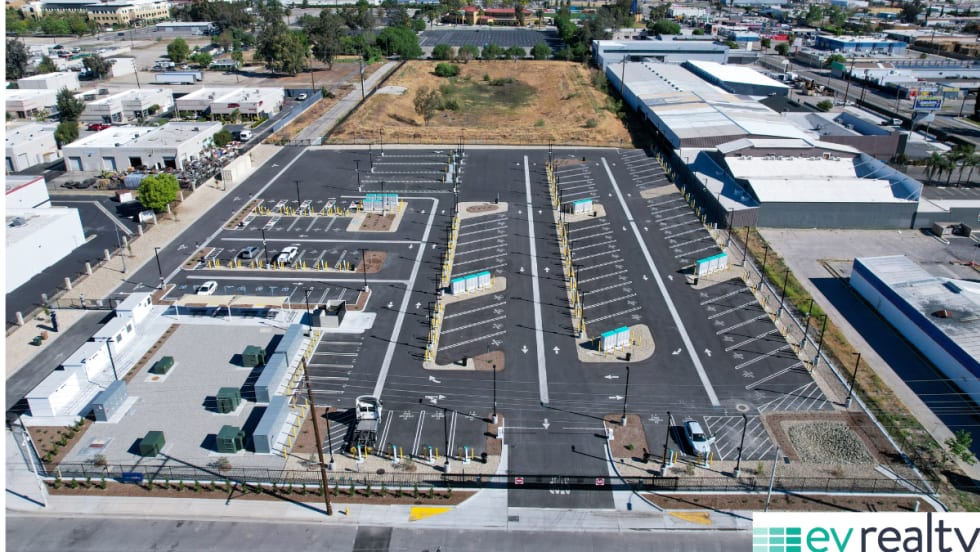
Major Truck Charging Hub Opens In Southern California
EV Realty opens a 76-port, 9 MW truck charging hub in San Bernardino, designed to support more than 200 medium- and heavy-duty vehicles per day with CCS and MCS capability.
Read More →
Software Speeds Up EV Fleet Charging
Learn about a new level of energy management that helps fleets control costs while maintaining service reliability. [VIDEO]
Read More →