



Want More? What are Automakers Doing to Bridge the EV Charging Gap?
Tesla Recalls Over 239,000 Vehicles for Potential Rearview Camera Image Defect
The recall addresses a circuit board issue that may cause rearview camera failure, resolved with an OTA update or parts replacement if needed.
January 14, 2025
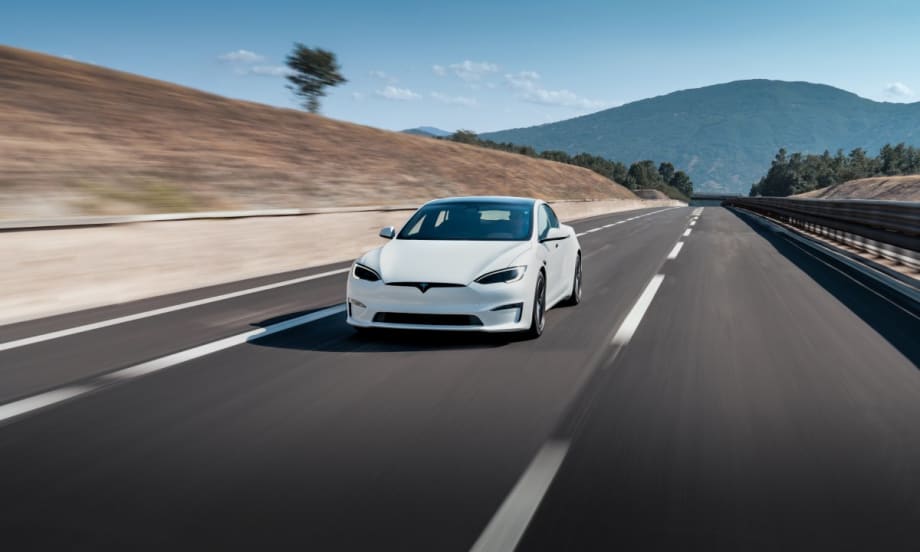
Tesla has recalled an estimated 239,382 Model 3, Model S (pictured), Model X, and Model Y vehicles from 2023-2025 model years.
Photo: Tesla
2 min to read
Tesla is recalling an estimated 239,382 units of certain 2024-2025 Model 3, Model S, 2023-2025 Model X, and 2023-2025 Model Y vehicles due to a potential computer issue resulting in the loss of the rearview camera image.
Beginning on or shortly after December 18, 2024, affected vehicles began receiving an over-the-air (OTA) software update that changes the vehicle power-up sequence to prevent the shorting failure condition to the primary and/or secondary power component.
Reason for the Recall
The computer circuit board may short, resulting in the loss of the rearview camera image. Due to this issue, these vehicles fail to comply with the requirements of Federal Motor Vehicle Safety Standard (FMVSS) number 111, "Rear Visibility."
With the condition present, the rearview camera display will appear blank when the vehicle is shifted to Reverse.
Loss of the rearview camera display may affect the driver’s rear visibility and increase the risk of a collision. The driver may continue to reverse the vehicle by performing a shoulder check and using their mirrors.
What Remedies Are Available?
As of December 30, 2024, Tesla has identified 887 warranty claims and 68 field reports related to the condition.
Beginning on December 18, 2024, at no cost to customers, affected vehicles began receiving an OTA software update to the vehicle’s power sequence. Tesla will also identify any vehicles that experienced a circuit board failure or stress that may lead to a circuit board failure and replace the affected computers.
Beginning on December 16, 2024, vehicles in production received the software remedy described above, while Model 3, Model S, and Model X vehicles in production also received different car computer variants.
No further action is necessary from owners of affected vehicles equipped with software release 2024.44.25.3, 2024.45.25.6, or a later release if an affected vehicle has not experienced the shorting failure condition or stress that may lead to the shorting failure condition.
Owner notification letters are expected to be mailed on March 7, 2025.
Topics:Sustainabilityvehicle safetyRecallsNHTSArearview camerasSafety & ComplianceElectric VehiclesSuppliers
Originally posted on Automotive Fleet
More Electric Vehicles

EV Charging Use Is Outpacing Infrastructure Growth
ChargePoint’s 2026 Charging Forward Report points to rising charger use, higher-powered charging, commercial vehicle electrification, and energy-management technology. Here’s what fleets should know.
Read More →
EV Realty Names Henrik Holland President as Charging Platform Expands
The former Prologis Mobility and Shell executive will help expand EV Realty’s truck charging business and move its power-first infrastructure model into autonomous vehicle depots and other fleet sectors.
Read More →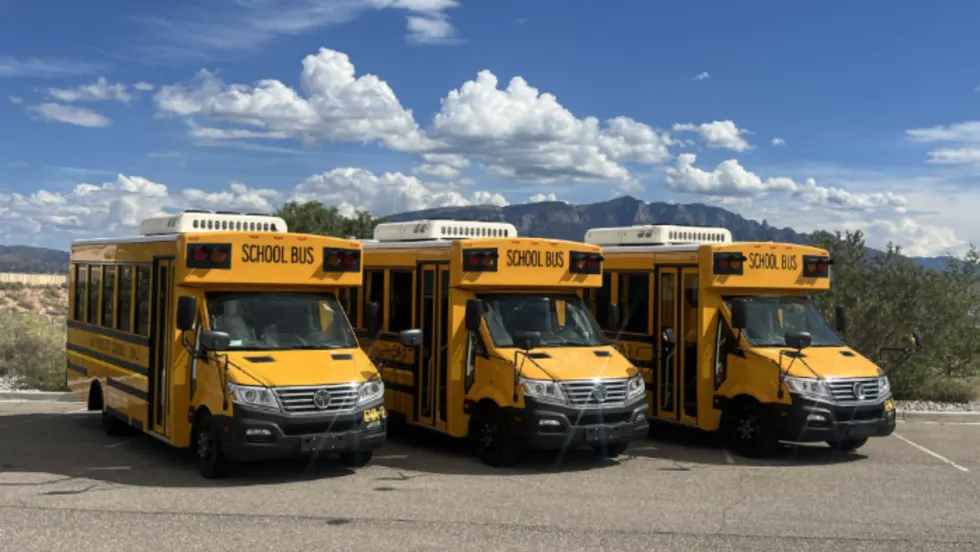
GreenPower Expands New Mexico EV Pilot With Larger Buses, V2G Testing
After logging more than 17,000 electric miles in the first year, New Mexico’s statewide pilot is moving into its second phase with larger vehicles, continued charging evaluations, and more.
Read More →
Can EV-as-a-Service Help Fleets Scale Electrification?
Sustainability Partners CEO Adam Cain explains how matching EVs, charging infrastructure, and duty cycles can help fleets scale electrification.
Read More →
How EV-as-a-Service Is Moving Fleets Beyond Pilots
Adam Cain, president and CEO of Sustainability Partners, explains how EV-as-a-service can help fleets scale deployments by addressing duty-cycle requirements and charging challenges.
Read More →
PowerFlex, The Mobility House Join Forces to Advance Fleet Electrification
Two EV charging providers are joining forces to deliver a broader portfolio of energy management and fleet electrification solutions.
Read More →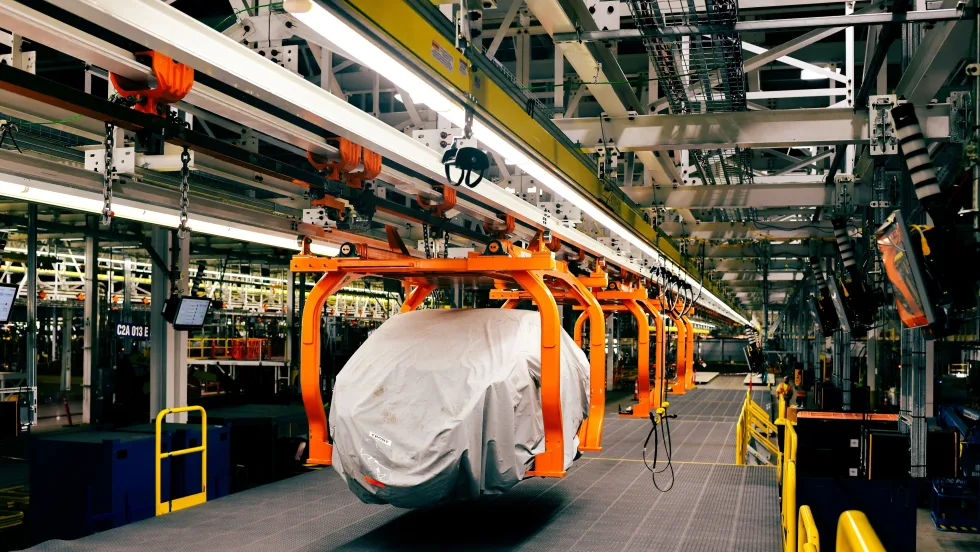
Ford Retools Louisville Plant for Fathom Electric Truck Production
Ford's $2 billion Louisville Assembly Plant overhaul introduces a three-part assembly process for the Fathom midsize electric truck, with production scheduled to begin in 2027.
Read More →
Merchants Fleet Reports 290M EV Miles as Fleets Navigate Changing Electrification Market
From millions in operating savings to hundreds of millions of EV miles, Merchants Fleet’s latest report reveals what’s working and what’s changing in fleet electrification.
Read More →
California District Commits to Electrify 25% of School Bus Fleet by 2028
One of the nation's largest school bus electrification projects to date demonstrates how grants, charging infrastructure, and public-private partnerships can help fleets transition to EVs at scale.
Read More →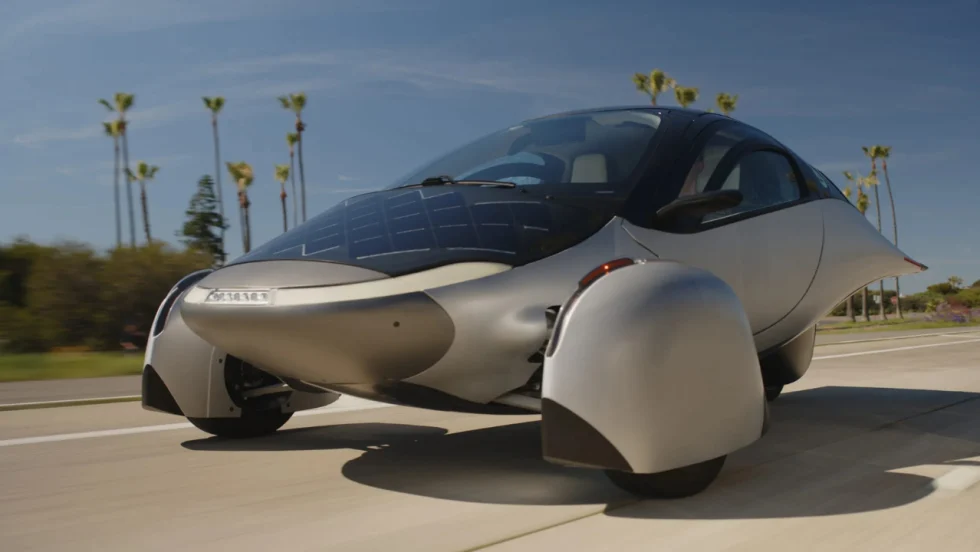
Aptera Orders Bodies and Chassis for Its First 40 Production Vehicles
Aptera Motors Corp. has issued purchase orders for the major structural components of its first 40 vehicles, and body and chassis components are expected to begin arriving in October.
Read More →