


Related: New Mobility, Autonomous and E-Tech Upfront at BusCon 2019
Study Looks at Cold Weather Effects on Electric Bus Range
As transit agencies plan to replace their traditional diesel-fueled buses with zero-emission buses, they will need to consider the effects of extreme weather on the new buses replacing their existing fleets.
by Staff
January 12, 2020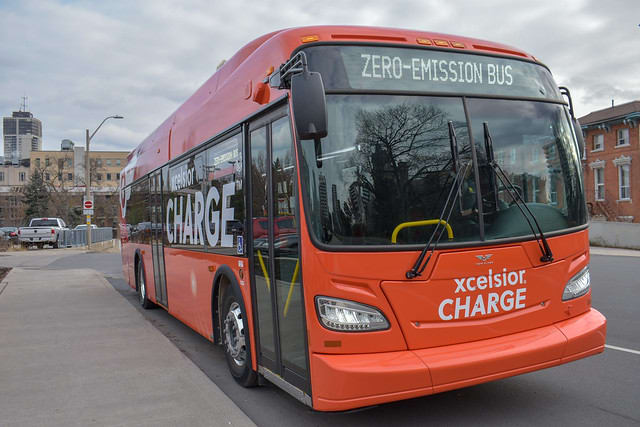
This paper attempts to compare both battery electric and fuel cell electric buses’ fuel economy in relation to varying temperature trends.
Photo via Joey Coleman/Flickr.
3 min to read
The Center for Transportation and the Environment (CTE) with the Midwest Hydrogen Center of Excellence (MHCoE), Cleveland State University (CSU), and the Stark Area Regional Transit Authority (SARTA) have released a study evaluating the relationship between ambient temperature and fuel economy for zero-emission buses.
This study builds upon previous efforts by incorporating daily-level data into the analysis, allowing the team to capture extreme temperature values that would be masked in an evaluation of monthly data.All transit buses, regardless of fuel source, experience some loss of range in extreme weather. As transit agencies plan to replace their traditional diesel-fueled buses with zero-emission buses, they will need to consider the effects of extreme weather on the new buses replacing their existing fleets.
"Transit agencies located in cold weather climates will need to consider the effects of winter on range when planning a transition to zero emission buses," Andrew Thomas, director of the MHCoE, said. "Hydrogen fuel cell buses appears to offer cold weather ranges that will be most compatible with traditional route planning.”
This paper attempts to compare both battery electric and fuel cell electric buses’ fuel economy in relation to varying temperature trends.
“As someone who has relied on a bus year round in an area of the country with very cold weather – I haven’t forgotten standing outside in -30 degrees Fahrenheit last winter – it is important to me that we share these real-world range results of zero-emission buses under a wide range of temperature conditions to ensure that they are deployed successfully throughout the United States,” said Alison Smyth, engineering consultant at CTE.
The Study Team collected data from eight transit agencies: four that deployed hydrogen fuel cell and four that deployed battery electric buses. The results of the analysis show that the loss in range during a temperature change from 50-60°F to 22-32°F was greater for battery electric buses (37.8% decrease) than for fuel cell electric buses (23.1% decrease). Since battery electric buses typically have a smaller range than fuel cell electric buses even under optimal conditions, this is an important consideration for transit agencies that are seeking one-for-one bus replacements.
This study seeks to provide transit agencies with planning insights as they consider strategies for replacing existing fleets, and does not intend to recommend one technology over another.
“As a transit agency operating in the Midwest it is our goal to provide the best service possible to our riders,” said Kirt Conrad, CEO of SARTA. “This includes being able to operate our fleet with the greatest efficiency possible. This study, and its findings, help to show that hydrogen fuel cells are a viable option for other transit agencies in addition to their success here in Stark County.”
This effort was funded under a National Fuel Cell Bus Program grant provided by the Federal Transit Administration.
This story was originally posted on Metro Magazine.
Originally posted on Automotive Fleet
More Charging
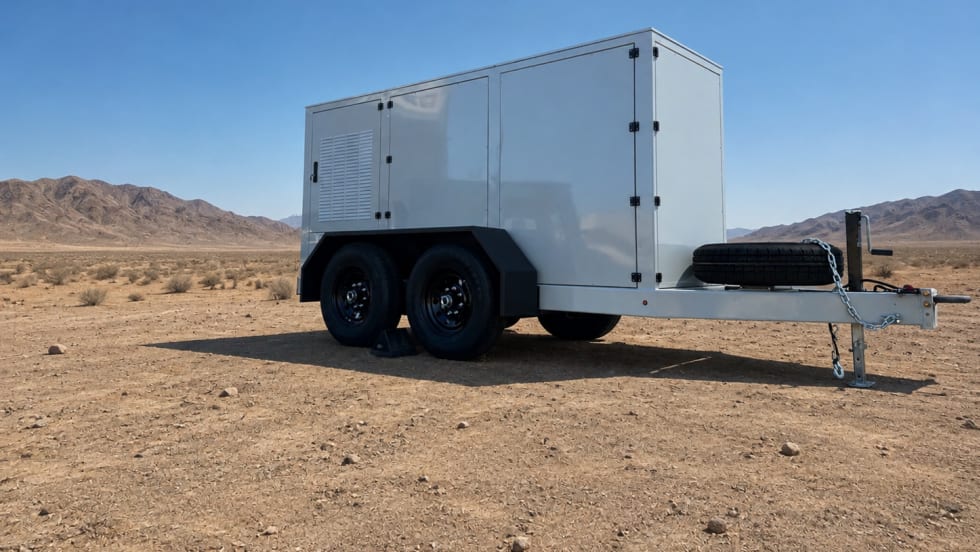
Xos Mobile Charging Hub Surpasses 1 GWh of Energy Delivered
As fleets electrify, charging capacity does not always arrive on the same timeline as the vehicles. Operating data from one Xos Hub shows how mobile, grid-independent charging can support vehicles when permanent infrastructure or utility upgrades aren't available.
Read More →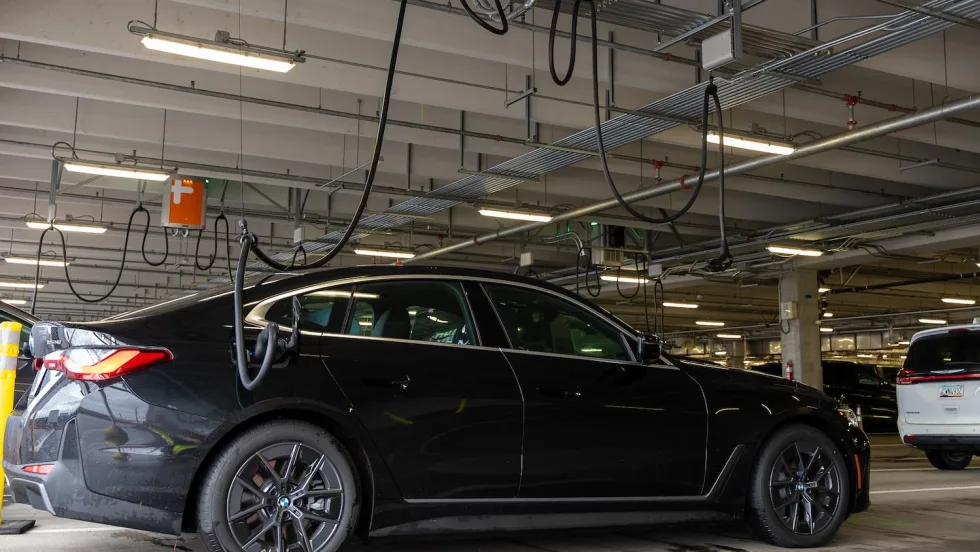
ChargePoint Adds Overhead EV Fast Charging at Portland International Airport
The installation can charge up to 20 rental vehicles simultaneously and uses overhead equipment to preserve ground-level space at the airport's Quick Turnaround Facility.
Read More →
Octopus Energy Launches Public EV Charging App in U.S.
Octopus Charge allows EV drivers to locate and access public charging stations through a single app, building on the company's Electroverse platform in Europe.
Read More →
Schneider Electric Launches Level 2 Home EV Charger With Integrated Load Management
Schneider Charge uses integrated SmartAmp technology to adjust charging output based on household electrical demand and is available with NACS or J1772 connectors.
Read More →
Why EV Charging Reliability Is More Complicated Than It Looks
GridLink CEO Josh Silets explains what causes EV chargers to fail, why fleet operators often struggle to identify the source, and what questions they should ask charging vendors.
Read More →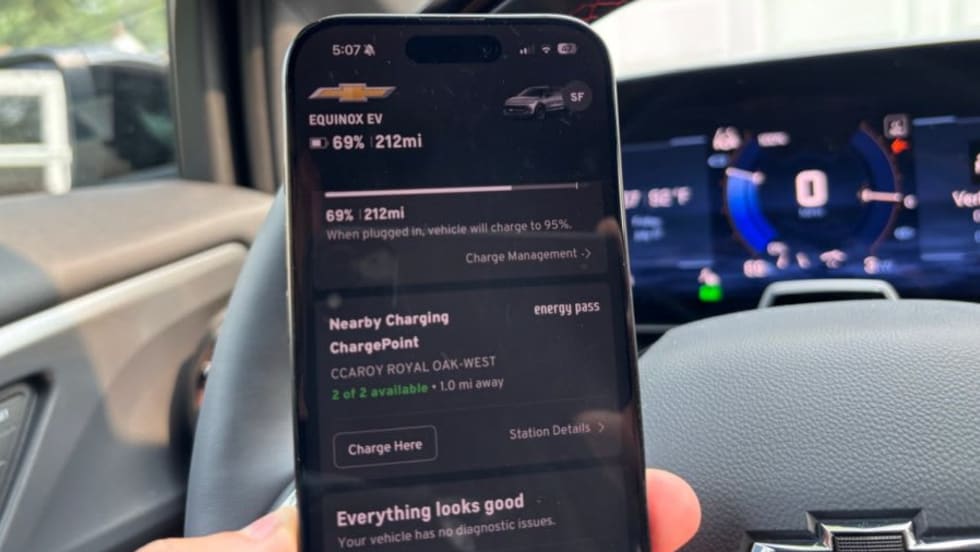
GM Adds ChargePoint Network to Energy Pass Platform
The integration gives GM EV drivers access to additional DC fast chargers and Level 2 stations through a single app while expanding the automaker's public charging ecosystem.
Read More →
Xos White Paper Asserts LA Olympics Will Lack Enough EV Chargers
The commercial EV fleet company recommends some faster and more flexible remedies to relieve the anticipated shortfall.
Read More →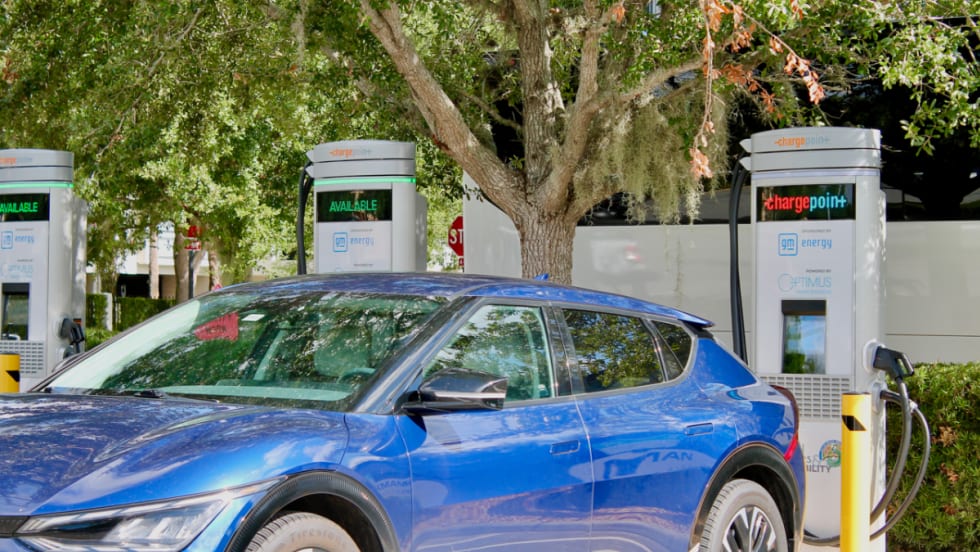
ChargePoint, Optimus Expand Fast-Charging Network Across Southeastern U.S.
ChargePoint will serve as the exclusive solutions provider, delivering hardware, software, and services to support Optimus’ growing charging network.
Read More →
Running A Profitable Electric Rental Fleet
How do you successfully operate an all-electric rental car fleet? Whether you manage a rental fleet or another commercial fleet, this conversation offers practical lessons on deploying, operating, and scaling electric vehicles.
Read More →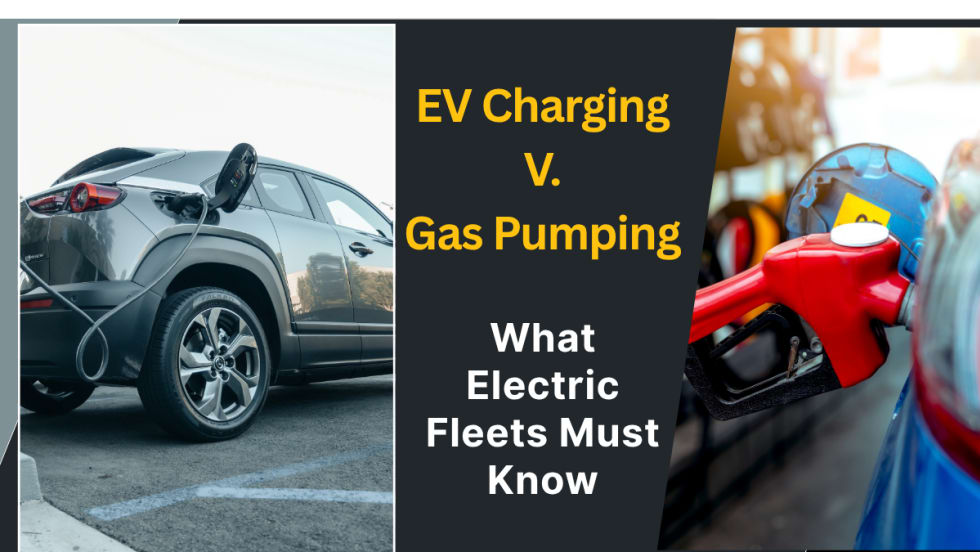
Why Charging May Never Be As Easy As Filling Up Gas
A seamless charge depends on a string of independent companies getting it right together, every time. How can electric fleets navigate the challenges to create a successful charging plan?
Read More →