



Going Worldwide: Fleet Management Company SVT Fleet Solutions Announces Global Launch
Q&A with SVT: Do We Need Another Fleet Management Company?
SVT Fleet Solutions is ready to fill a gap in the market by helping large commercial and municipal fleets navigate the transition to zero-emission vehicles from Class 1 to 8 — through a single-source provider.
June 15, 2023
SVT’s umbrella of services ranges from mapping the fleet’s sustainability goals and implementation timeline to securing and disposing the assets and “everything in between,” according to Don Kelley, SVT’s president.
Photo: Automotive Fleet/Canva
6 min to read
On May 16, SVT Fleet Solutions (SVT) announced the launch of its suite of fleet management services.
SVT is owned by Velocity Vehicle Group, one of the largest commercial truck dealerships in the U.S. and with locations in Mexico and Australia.
Sitting Down with Don Kelley of SVT
Automotive Fleet reconnected with SVT’s President Don Kelley to dig deeper into the new company’s business model.
AF: What is SVT’s sweet spot in terms of fleet size and vehicle class?
KELLEY: We serve all types of rolling stock, from [heavy-duty] Class 8 vehicles all the way down to material handling equipment in the warehouses. Large private fleets or municipal fleets with over 100 assets are a prospect for SVT.
AF: There are many fleet management players, including the traditional fleet management companies (FMCs) and now new types of consultancies serving various fleet sectors. Why is there a need for SVT?
KELLEY: We saw a need in the marketplace. The landscape has changed over the last three or four years, and most of it is tied to sustainability.
The largest private and municipal fleets in North America, particularly in California, are required to satisfy sustainability mandates through EV power and zero emission vehicles, and there’s a timetable placed on that transition.
In other areas of the country there are large national fleets making this transition voluntarily, because they believe it's the right thing to do.
These large fleets and municipalities need to source and procure new electric vehicles and understand the charging infrastructure and all the components that are required to make this journey towards sustainability.
There are companies that play in each one of those narrow niches, and there are more every day because it's such a hot topic.
But there aren't any companies that bring a holistic approach to fleet management, to provide resources that touch all these components. And that's what SVT was created to do.
SVT simplifies the fleet management process by providing a full spectrum of services under one umbrella. Sustainable fleet management can and should be done in a way that is both efficient and environmentally conscious through adoption of battery-electric trucks, exploring alternative fuel options, and optimizing the lifecycle of vehicles through proper maintenance and repairs.
AF: The existing fleet management companies are focusing on these goals too. How is SVT different?
KELLEY: Most large FMCs predominantly focus on Class 1 through Class 6 assets – cars, pickups, vans, utility trucks.
And there are truck leasing companies such as Ryder, Penske, and Transervice that play in the market as a type of FMC. But their core competency is leasing and logistics.
And then you have companies like Vehicare, Amerit Fleet Solutions, and Cox Automotive Mobility, and their primary focus is on maintenance, mostly mobile maintenance. In that niche, they're very good at what they do.
The differentiator for SVT is that we're the umbrella that provides all those services, from securing the asset from an OEM to disposal of the asset and everything in between.
SVT was created to provide a single source as opposed to a fragmented multiple-source solution for large fleets.
We're doing that not only on the service and support side, but also on the sustainability and EV transition side, through alliances with EV charging infrastructure entities and all the OEMs.
It's much harder to do that when your core competency is something else. If you can do it clean sheet and start from scratch, and you build it specifically for that market need, the odds of success are much higher.
AF: Are you looking to bridge the gap from the smaller commercial vehicle classes into Class 8?
KELLEY: If you go through the whole spectrum of rolling stock, which includes electric-powered forklifts and warehouses, everything from material handling equipment on up to Class 8 trucks, you touch several OEMs as you go through that spectrum.
Our parent company Velocity is partnered with 14 different manufacturers, which includes assets from Class 8 all the way down to pickup trucks and cargo vans.
But we are a standalone company and are OEM agnostic.
We're not tied to those 14 OEMs. If we have a client or a prospect that wants to work with an OEM not in that group, we’re able to accommodate their needs.
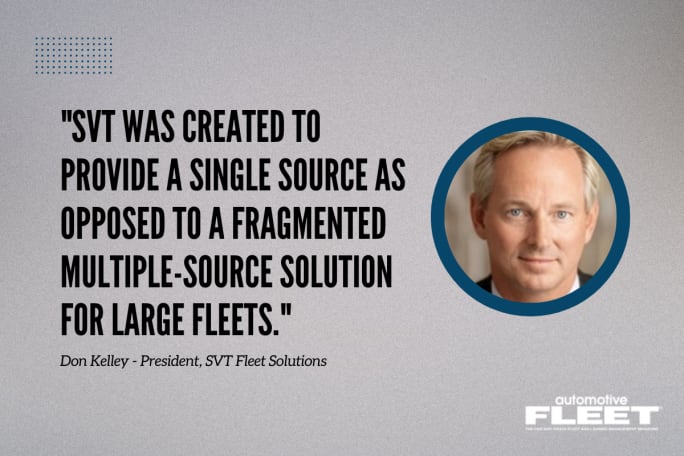
SVT’s President Don Kelley goes deeper into the new company’s business model.
Photo: SVT/Automotive Fleet
AF: How do you help fleets define their sustainability goals?
KELLEY: Our process is for fleets to help us understand where they are today. That's a deep dive into what their fleet is, what their market is, what are any changes that they project down the road, and then define what their objectives are. Where do they want to be at a specific time?
A lot of big corporations have dates to meet certain objectives for zero emissions. But most companies don't have that yet, especially the ones that aren't based in California. It's an emerging need that they know is on the horizon that they must be aware of and engage a resource of experts.
If we understand where you are, now we understand where you want to get to, we can develop the map that will get you from here to there. And then we can quantify the financial impact of that entire journey, not just from an investment standpoint, but also a return standpoint.
AF: You’re starting with a small team to start. How do you scale? What does expansion look like?
KELLEY: Even though SVT itself is not massive from a headcount standpoint, we’re backed by a very large multinational corporation in our parent company Velocity.
We can draw on their resources and expertise not only on the EV and sustainability sides, but on the OEM side as well.
Once we've established a value within a particular fleet, there's organic growth opportunity and that will come quickly. Each client that we add will turn out to be a very large relationship down the road.
AF: Do you see a new form of lease to serve this new EV ecosystem, or a Fleet-as-a-Service model with one payment that ties in the vehicle, the charging infrastructure, and the electricity?
KELLEY: I think that's yet to be seen. The traditional truck lease agreement doesn't necessarily lend itself to EV operations. But how we pursue that will evolve with the market.
Electric vehicle OEMs now provide some fairly lengthy warranty programs. And that changes the perspective on the amount of risk relative to the costs of this new equipment. But the largest private fleets in America don’t have the flexibility to put their distribution to their customers at risk by doing anything that hasn't been tested, piloted, and proven. They’re not going to run an experiment on their customer base.
AF: Regarding the multitude of new OEMs that have emerged to sell EVs into the commercial fleet market, we’ll likely see a lot of consolidation. How will SVT navigate that?
KELLEY: It's about working closely with each of the clients that we have or will have in terms of what level of risk they’re willing to take. The larger OEMs have the ability to withstand the ebb and flow of this new emerging market, where the startups don't have that ability.
If you're going to try one of the new emerging startups, my advice is to do it on a pilot basis, let them have the opportunity to show their value. But if you're talking about the kind of transition that fleets are required to do in California, my advice would be to attach yourself to the major OEMs that have a stronger foundation.
Topics:Sustainabilitycharging infrastructureQ&AZero EmissionsSVT Fleet SolutionsFleet electrificationfleet managementElectric VehiclesCharging
Originally posted on Automotive Fleet
More Electric Vehicles
EV Charging Use Is Outpacing Infrastructure Growth
ChargePoint’s 2026 Charging Forward Report points to rising charger use, higher-powered charging, commercial vehicle electrification, and energy-management technology. Here’s what fleets should know.
Read More →
EV Realty Names Henrik Holland President as Charging Platform Expands
The former Prologis Mobility and Shell executive will help expand EV Realty’s truck charging business and move its power-first infrastructure model into autonomous vehicle depots and other fleet sectors.
Read More →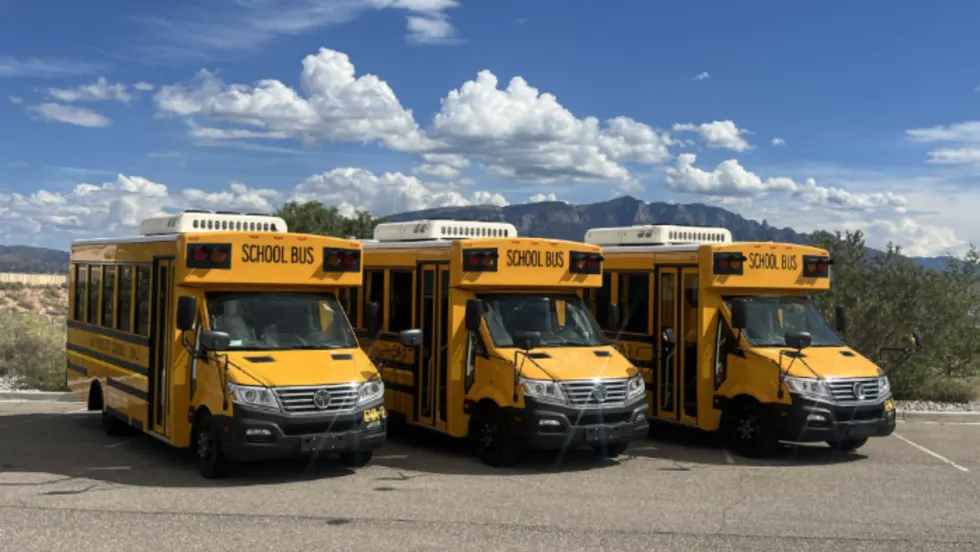
GreenPower Expands New Mexico EV Pilot With Larger Buses, V2G Testing
After logging more than 17,000 electric miles in the first year, New Mexico’s statewide pilot is moving into its second phase with larger vehicles, continued charging evaluations, and more.
Read More →
Can EV-as-a-Service Help Fleets Scale Electrification?
Sustainability Partners CEO Adam Cain explains how matching EVs, charging infrastructure, and duty cycles can help fleets scale electrification.
Read More →
How EV-as-a-Service Is Moving Fleets Beyond Pilots
Adam Cain, president and CEO of Sustainability Partners, explains how EV-as-a-service can help fleets scale deployments by addressing duty-cycle requirements and charging challenges.
Read More →
PowerFlex, The Mobility House Join Forces to Advance Fleet Electrification
Two EV charging providers are joining forces to deliver a broader portfolio of energy management and fleet electrification solutions.
Read More →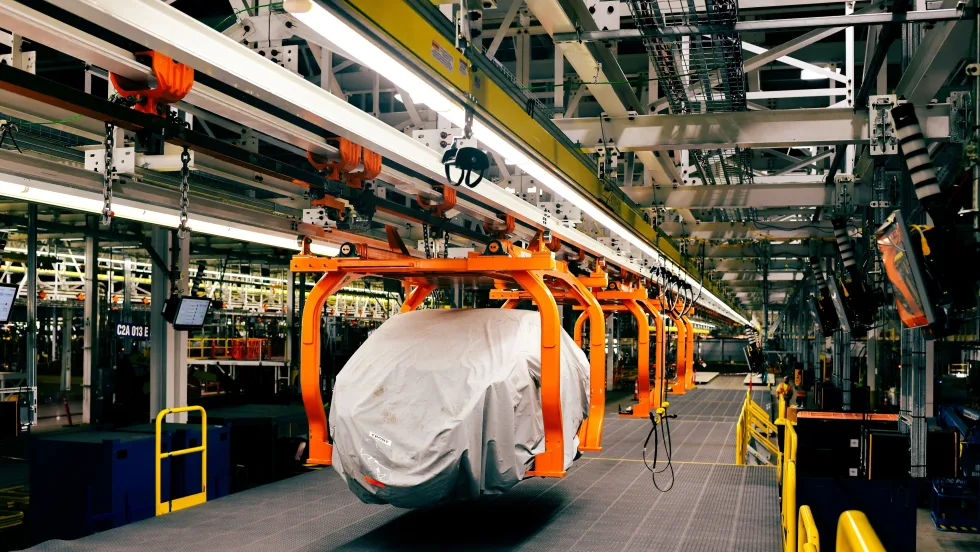
Ford Retools Louisville Plant for Fathom Electric Truck Production
Ford's $2 billion Louisville Assembly Plant overhaul introduces a three-part assembly process for the Fathom midsize electric truck, with production scheduled to begin in 2027.
Read More →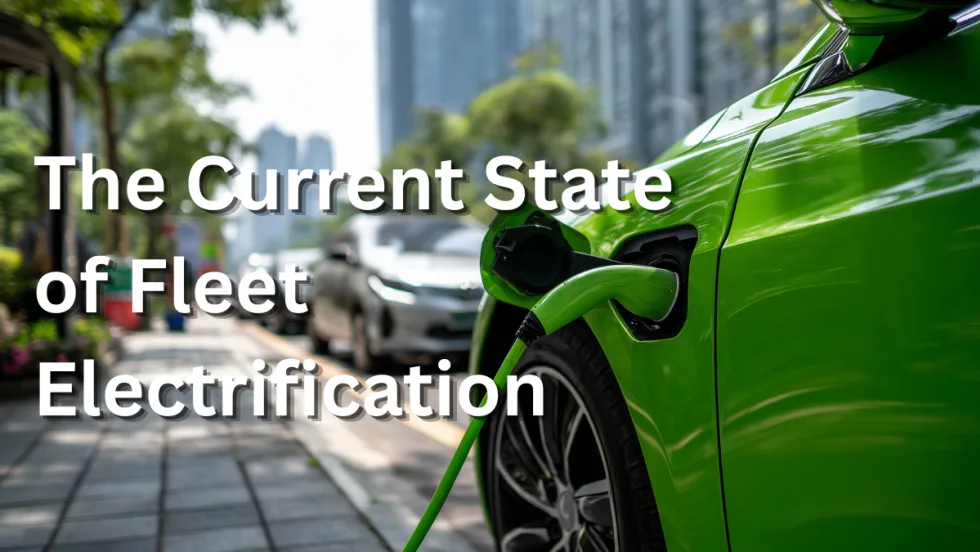
Merchants Fleet Reports 290M EV Miles as Fleets Navigate Changing Electrification Market
From millions in operating savings to hundreds of millions of EV miles, Merchants Fleet’s latest report reveals what’s working and what’s changing in fleet electrification.
Read More →
California District Commits to Electrify 25% of School Bus Fleet by 2028
One of the nation's largest school bus electrification projects to date demonstrates how grants, charging infrastructure, and public-private partnerships can help fleets transition to EVs at scale.
Read More →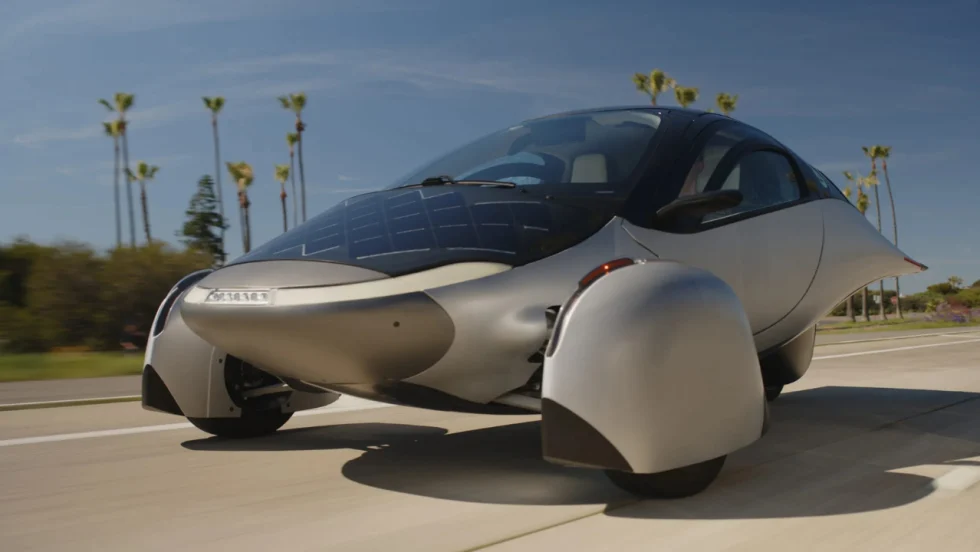
Aptera Orders Bodies and Chassis for Its First 40 Production Vehicles
Aptera Motors Corp. has issued purchase orders for the major structural components of its first 40 vehicles, and body and chassis components are expected to begin arriving in October.
Read More →