



Related Review: Lucid Gravity Centers The Grand EV Debate
Lucid Pursues New Strategy And Revenue Streams
Lucid outlined details of its upcoming midsize EV platform and new Atlas drive unit while highlighting plans to expand software, services, and autonomous mobility partnerships.
March 16, 2026
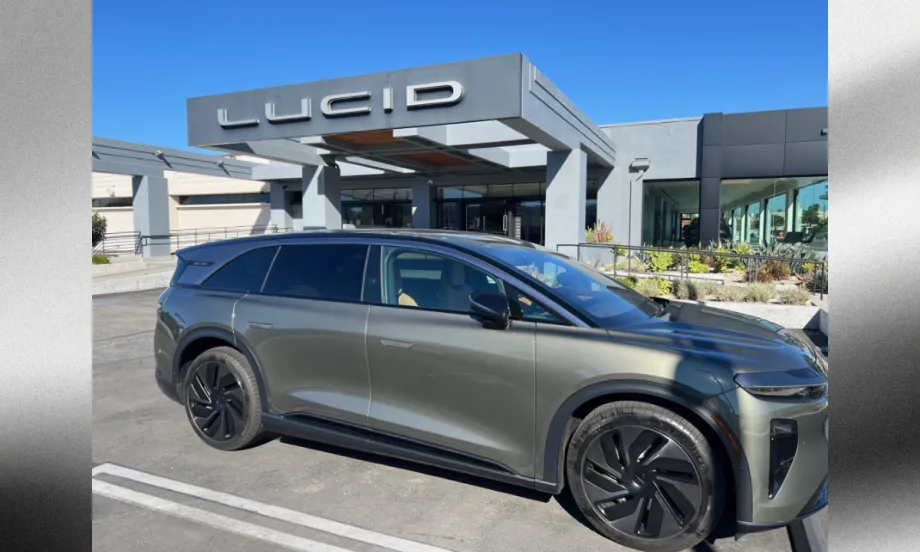
Lucid showcased its Gravity SUV as part of its strategy to scale production and expand its electric vehicle lineup alongside the upcoming midsize platform.
Credit: Martin Romjue / Charged Fleet
3 min to read
Lucid Group recently detailed its upcoming midsize vehicle platform and outlined a strategy to expand recurring revenue streams as the company works toward profitability and positive free cash flow.
The announcement came during Lucid’s investor day in New York on March 12, where the company shared technical and strategic information about its midsize platform and introduced its next-generation Atlas electric drive unit.
Lucid also previewed software and technology updates, including plans for an in-vehicle AI assistant and continued development of autonomy features. The company said it is also advancing discussions with Uber to finalize an agreement to deploy vehicles based on the midsize platform at a scale similar to the planned Gravity robotaxi program, with potential expansion over time.
Lucid also introduced Lunar, a two-seat robotaxi concept based on the midsize platform designed to support autonomous and commercial mobility applications.
“Lucid has already demonstrated its technology and product capabilities,” said Marc Winterhoff, interim CEO of Lucid, in a news release. “The next phase focuses on scaling the business with disciplined capital allocation and cost reductions to support a path toward profitability and free cash flow.”
Uber CEO Dara Khosrowshahi said Lucid’s vehicle efficiency and autonomy-ready architecture support potential collaboration in autonomous mobility deployment.
Strategy Focused on Scale and Diversified Revenue
Lucid said its strategy combines manufacturing scale, cost reductions, expanded software and service revenue, and partnerships.
In 2026, the company plans to focus on scaling production of the Lucid Gravity SUV, expanding global market reach, advancing software services, and improving manufacturing efficiency.
The company identified several factors expected to support its path toward profitability:
Expanding the midsize platform to increase production scale and address a larger vehicle market
Reducing manufacturing costs through engineering and design efficiencies
Diversifying revenue through software, services, platform licensing, robotaxi partnerships, and autonomy
Forming capital-efficient partnerships, including collaborations related to autonomous mobility
“Lucid’s technology leadership is aligned with a business model designed to support scale,” said Taoufiq Boussaid, Lucid’s chief financial officer.
Midsize Platform Introduces New Models and Technology
Lucid said the new midsize platform is designed to support higher production volumes while maintaining the company’s focus on vehicle efficiency and performance.
The platform will support three models. The first two are the Lucid Cosmos and Lucid Earth. The company plans to share details about a third consumer model at a later date.
Vehicles built on the midsize platform are expected to start below $50,000 while maintaining the range and efficiency associated with the brand, Lucid said.
The platform was developed to maintain Lucid’s design and driving characteristics while simplifying manufacturing and reducing costs, said Derek Jenkins, senior vice president of design and brand.
Efficiency remains a central design element for the platform. Lucid noted that higher vehicle efficiency can reduce battery size requirements, which typically represent 30% to 40% of an electric vehicle’s cost.
Supporting the new platform is the Atlas electric drive unit, which Lucid said is designed to be smaller, lighter, and easier to manufacture than previous systems. The design uses identical front and rear housings and mounts to support production scale and cost efficiency.
Lucid also highlighted design-for-manufacturing changes aimed at reducing parts and assembly complexity. For example, the company eliminated traditional door beltline moldings, reducing part counts and assembly steps.
“By designing the vehicle as an integrated system, we can improve efficiency and reduce costs while maintaining performance,” Winterhoff said.
Robotaxi Concept and Mobility Applications
Lucid introduced Lunar, a two-seat robotaxi concept based on the midsize platform.
The concept vehicle is intended to demonstrate how the platform could support autonomous mobility services and commercial fleet applications. Lucid said the design focuses on efficiency, usage, and long-term operating economics.
While still in the concept stage, the Lunar robotaxi illustrates potential future uses for the midsize platform beyond consumer vehicles.
More Electric Vehicles

EV Charging Use Is Outpacing Infrastructure Growth
ChargePoint’s 2026 Charging Forward Report points to rising charger use, higher-powered charging, commercial vehicle electrification, and energy-management technology. Here’s what fleets should know.
Read More →
EV Realty Names Henrik Holland President as Charging Platform Expands
The former Prologis Mobility and Shell executive will help expand EV Realty’s truck charging business and move its power-first infrastructure model into autonomous vehicle depots and other fleet sectors.
Read More →
GreenPower Expands New Mexico EV Pilot With Larger Buses, V2G Testing
After logging more than 17,000 electric miles in the first year, New Mexico’s statewide pilot is moving into its second phase with larger vehicles, continued charging evaluations, and more.
Read More →
Can EV-as-a-Service Help Fleets Scale Electrification?
Sustainability Partners CEO Adam Cain explains how matching EVs, charging infrastructure, and duty cycles can help fleets scale electrification.
Read More →
How EV-as-a-Service Is Moving Fleets Beyond Pilots
Adam Cain, president and CEO of Sustainability Partners, explains how EV-as-a-service can help fleets scale deployments by addressing duty-cycle requirements and charging challenges.
Read More →
PowerFlex, The Mobility House Join Forces to Advance Fleet Electrification
Two EV charging providers are joining forces to deliver a broader portfolio of energy management and fleet electrification solutions.
Read More →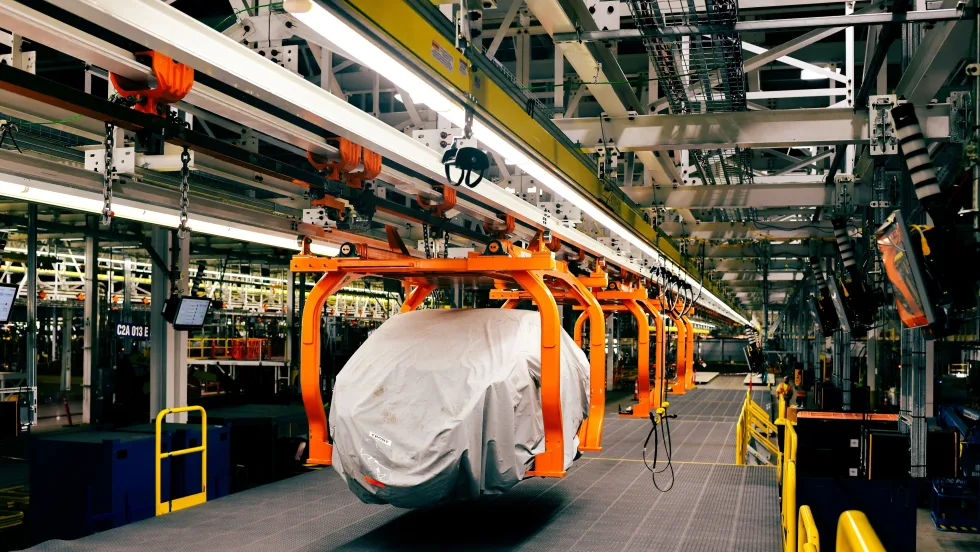
Ford Retools Louisville Plant for Fathom Electric Truck Production
Ford's $2 billion Louisville Assembly Plant overhaul introduces a three-part assembly process for the Fathom midsize electric truck, with production scheduled to begin in 2027.
Read More →
Merchants Fleet Reports 290M EV Miles as Fleets Navigate Changing Electrification Market
From millions in operating savings to hundreds of millions of EV miles, Merchants Fleet’s latest report reveals what’s working and what’s changing in fleet electrification.
Read More →
California District Commits to Electrify 25% of School Bus Fleet by 2028
One of the nation's largest school bus electrification projects to date demonstrates how grants, charging infrastructure, and public-private partnerships can help fleets transition to EVs at scale.
Read More →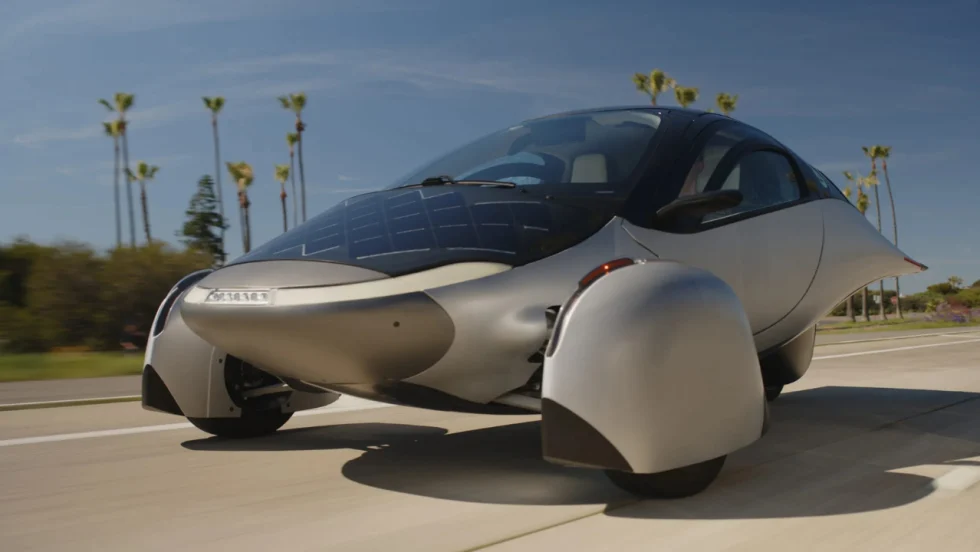
Aptera Orders Bodies and Chassis for Its First 40 Production Vehicles
Aptera Motors Corp. has issued purchase orders for the major structural components of its first 40 vehicles, and body and chassis components are expected to begin arriving in October.
Read More →