



Related News: Lucid Closes $300 Million Investment Deal With Uber
Lucid Plans To Deliver Its First Level 4 Autonomous EV
Lucid moves ahead in electric mobility by pairing advanced AI with luxury design to push toward fully autonomous driving.
November 13, 2025

Lucid is partnering with NVIDIA to integrate advanced AI and Level 4 autonomous driving capabilities into its upcoming vehicles, including the Gravity SUV.
Photo: Lucid
2 min to read
Lucid Group is collaborating with NVIDIA to accelerate its autonomous driving and manufacturing capabilities, the company announced recently.
The partnership positions Lucid to deliver one of the first privately owned passenger vehicles with Level 4 autonomous driving, powered by the NVIDIA DRIVE AV platform. The company will also use NVIDIA’s Industrial AI tools to enhance manufacturing efficiency and establish a unified AI factory, streamlining operations through NVIDIA Omniverse and AI Enterprise software.
Advancing Toward Level 4 Autonomy
“Our vision is clear: to build the best vehicles on the market,” said Marc Winterhoff, interim CEO of Lucid, in a news release. “By combining advanced AI with Lucid’s engineering, we’re taking the next step toward developing the smartest and safest autonomous vehicles on the road.”
Lucid first entered the autonomy space with its internally developed DreamDrive Pro system, introduced in 2021 on the Lucid Air. The system recently gained new hands-free driving and lane-change capabilities through an over-the-air update. The new roadmap, powered by NVIDIA DRIVE AV, begins with Level 2++ (eyes-on, point-to-point driving) for the Lucid Gravity SUV and upcoming midsize vehicles, with plans to achieve full Level 4 autonomy.
Lucid plans to integrate two NVIDIA DRIVE AGX Thor computers, running the NVIDIA DriveOS safety-certified operating system, into its next-generation models. The platform’s centralized architecture and redundant processors will unify all automated driving functions, enabling scalable progress toward higher autonomy levels.
Vehicle and Manufacturing Innovation Through AI
Lucid’s Gravity SUV, which recently made its European debut, will gain new automated driving features through its partnership with NVIDIA. The scalable, software-defined architecture enables continuous innovation through over-the-air updates, keeping Lucid vehicles aligned with the latest safety and automation standards.
Meanwhile, Lucid is applying NVIDIA’s Industrial AI platform to improve efficiency in its production processes. The technology supports predictive analytics, intelligent robotics, and real-time process optimization, making manufacturing more flexible and scalable.
Using digital twins — virtual models of its production facilities — Lucid can simulate and validate factory layouts, optimize robotic workflows, and reduce setup time. These advancements are designed to enhance quality, safety, and cost efficiency while accelerating production timelines.
Lucid’s partnership with NVIDIA represents a major step toward merging autonomous mobility and intelligent manufacturing, advancing the integration of AI across both its operations and vehicle platforms.
More Electric Vehicles
EV Charging Use Is Outpacing Infrastructure Growth
ChargePoint’s 2026 Charging Forward Report points to rising charger use, higher-powered charging, commercial vehicle electrification, and energy-management technology. Here’s what fleets should know.
Read More →
EV Realty Names Henrik Holland President as Charging Platform Expands
The former Prologis Mobility and Shell executive will help expand EV Realty’s truck charging business and move its power-first infrastructure model into autonomous vehicle depots and other fleet sectors.
Read More →
GreenPower Expands New Mexico EV Pilot With Larger Buses, V2G Testing
After logging more than 17,000 electric miles in the first year, New Mexico’s statewide pilot is moving into its second phase with larger vehicles, continued charging evaluations, and more.
Read More →
Can EV-as-a-Service Help Fleets Scale Electrification?
Sustainability Partners CEO Adam Cain explains how matching EVs, charging infrastructure, and duty cycles can help fleets scale electrification.
Read More →
How EV-as-a-Service Is Moving Fleets Beyond Pilots
Adam Cain, president and CEO of Sustainability Partners, explains how EV-as-a-service can help fleets scale deployments by addressing duty-cycle requirements and charging challenges.
Read More →
PowerFlex, The Mobility House Join Forces to Advance Fleet Electrification
Two EV charging providers are joining forces to deliver a broader portfolio of energy management and fleet electrification solutions.
Read More →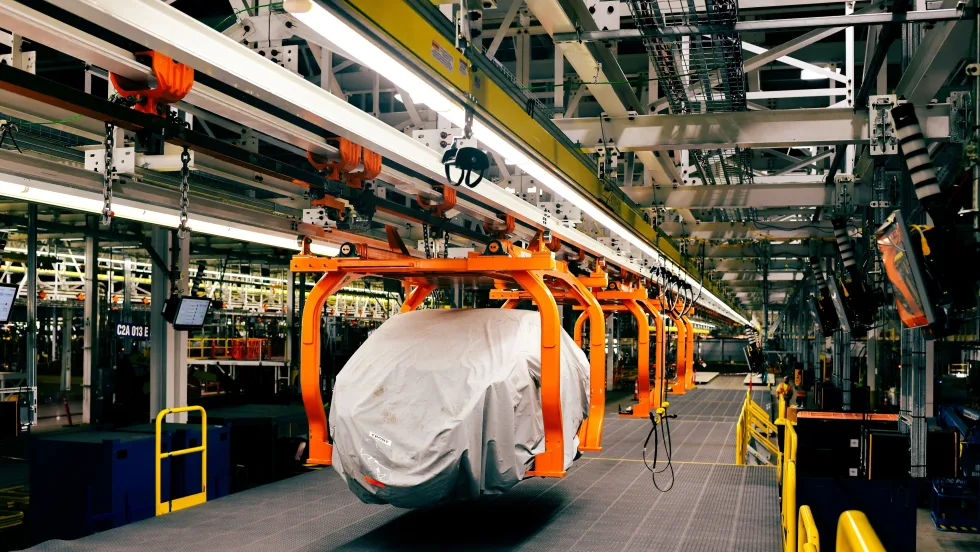
Ford Retools Louisville Plant for Fathom Electric Truck Production
Ford's $2 billion Louisville Assembly Plant overhaul introduces a three-part assembly process for the Fathom midsize electric truck, with production scheduled to begin in 2027.
Read More →
Merchants Fleet Reports 290M EV Miles as Fleets Navigate Changing Electrification Market
From millions in operating savings to hundreds of millions of EV miles, Merchants Fleet’s latest report reveals what’s working and what’s changing in fleet electrification.
Read More →
California District Commits to Electrify 25% of School Bus Fleet by 2028
One of the nation's largest school bus electrification projects to date demonstrates how grants, charging infrastructure, and public-private partnerships can help fleets transition to EVs at scale.
Read More →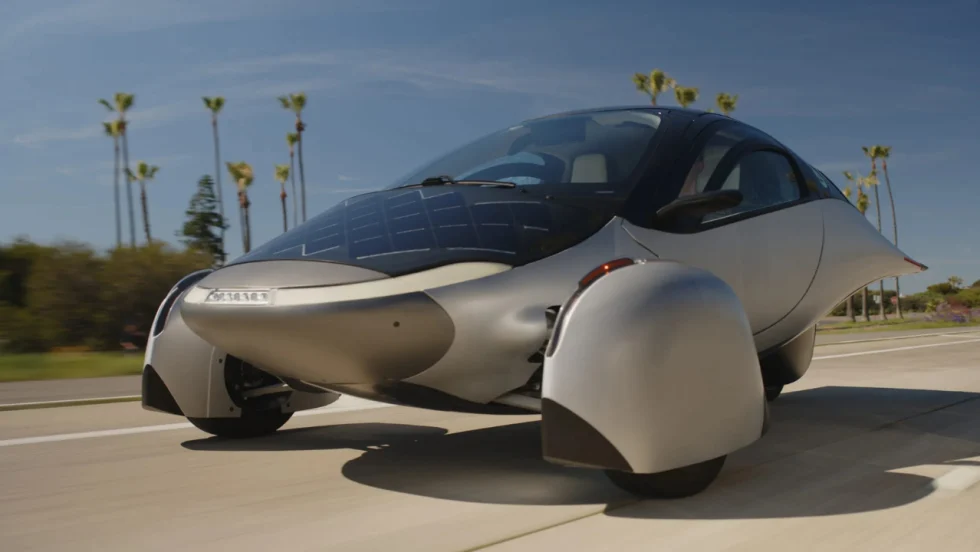
Aptera Orders Bodies and Chassis for Its First 40 Production Vehicles
Aptera Motors Corp. has issued purchase orders for the major structural components of its first 40 vehicles, and body and chassis components are expected to begin arriving in October.
Read More →