


Hyperion Unveils Mobile Station to Widen EV Charging Access
The company will roll out fuel stations for hydrogen and battery vehicles that will be part of a dynamic nationwide charging network starting in 2023.

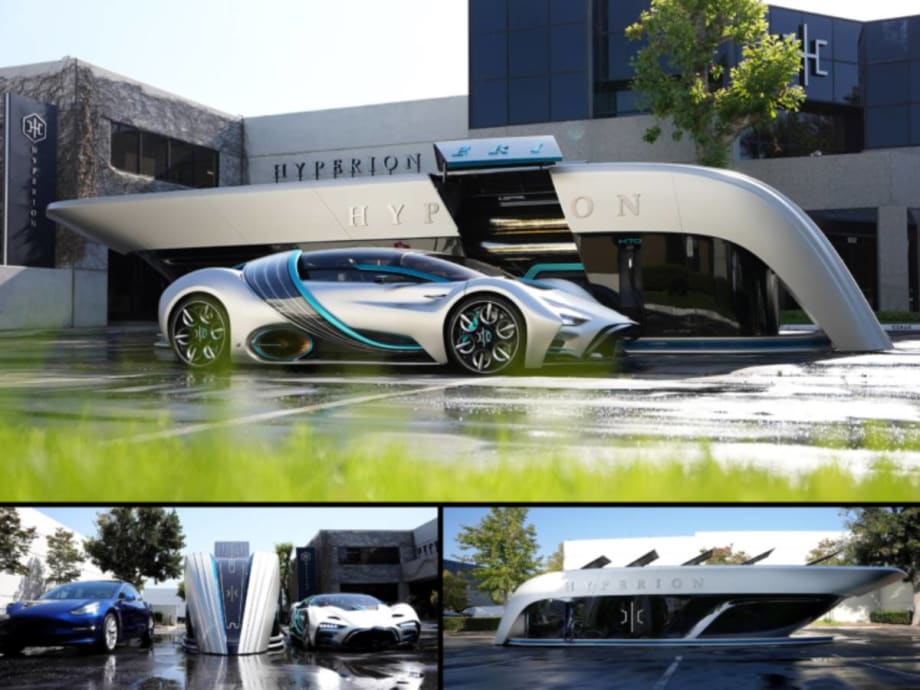
Mobile charging stations from Hyperion Motors will provide BEV and FCEV customers with state-of-the-art touch screen controls, contactless payment, and a self-sanitizing nozzle using UV light.
Photo: Hyperion Motors
Hyperion Motors, Inc., a hydrogen technology company, launched its Hyper:Fuel Mobile Stations, capable of refueling battery electric vehicles (BEVs) and hydrogen fuel cell electric vehicles (FCEVs), the company announced Nov. 22.
The mobilized refueling station will be available nationwide and can be easily deployed and redeployed when driving patterns change. Hyperion will roll out these stations nationwide to form a dynamic network with its partners starting in 2023.
Previously, Hyperion revealed its 1,000-mile range XP-1 in 2020 to demonstrate the benefits of hydrogen-ion storage over lithium-ion.
Using hydrogen-ion storage technology, Hyper:Fuel Mobile Stations address a primary challenge facing many commercial hydrogen trucks and battery cars on the road: refueling and recharging infrastructure.
Investment into infrastructure buildout is plagued and delayed by numerous issues, including site selection and construction costs. Many experts believe this lack of refueling and recharging infrastructure is the largest barrier to FCEV and BEV adoption. Hyperion’s mobile stations can travel to and from existing gas stations, big box stores, and other high-traffic locations to meet real-time demand.
Each station contains a hydrogen dispenser for FCEVs and an optional DC fast-charger for BEVs. This enables it to service two separate vehicle segments simultaneously at lower cost and risk compared with permanently installed charging stations or hydrogen dispensers. FCEV customers can refuel in five minutes and most BEV customers can recharge 80% of their battery in under 20 minutes.
The mobile stations can be equipped to produce hydrogen onsite via water electrolysis. This decentralized approach means it can generate green hydrogen from the sun when combined with solar. On-site fuel generation is clean, green, and can dramatically increase station uptime — another major hurdle for hydrogen stations. The mobilized station can be quickly deployed without long construction delays, opening new markets across the U.S. for automakers to increase FCEV and BEV sales.
Internal systems will include NASA and Shell GameChanger technologies to boost power and increase refueling efficiency. The roof is tiled with solar-tracking photovoltaic panels to maximize direct sunlight. Customers will experience state-of-the-art touch screen controls, contactless payment, and a self-sanitizing nozzle using UV light.
In addition to vehicles, the mobile stations are designed to provide electricity as stationary power sources. By storing electrons for much longer lengths of time than possible for batteries, the station can provide backup power across seasons to improve grid resiliency during weather emergencies or grid failures.
"Todays' energy infrastructure is pushed to its absolute limit,” CEO Angelo Kafantaris said in a news release. “The industry needed a versatile, scalable solution to power our growing needs."
Hyperion’s mobile stations will be manufactured at the company's 65-acre manufacturing headquarters in Columbus, Ohio.
More Charging
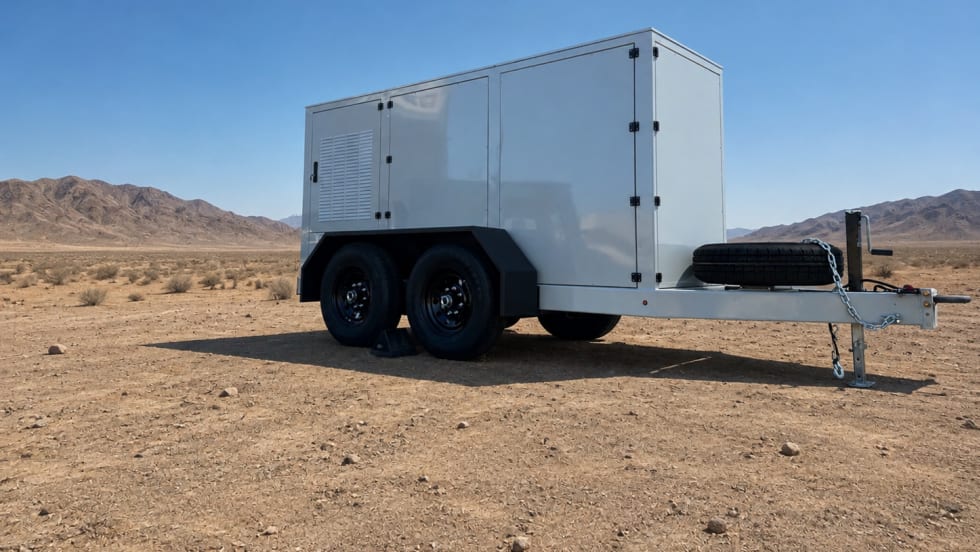
Xos Mobile Charging Hub Surpasses 1 GWh of Energy Delivered
As fleets electrify, charging capacity does not always arrive on the same timeline as the vehicles. Operating data from one Xos Hub shows how mobile, grid-independent charging can support vehicles when permanent infrastructure or utility upgrades aren't available.
Read More →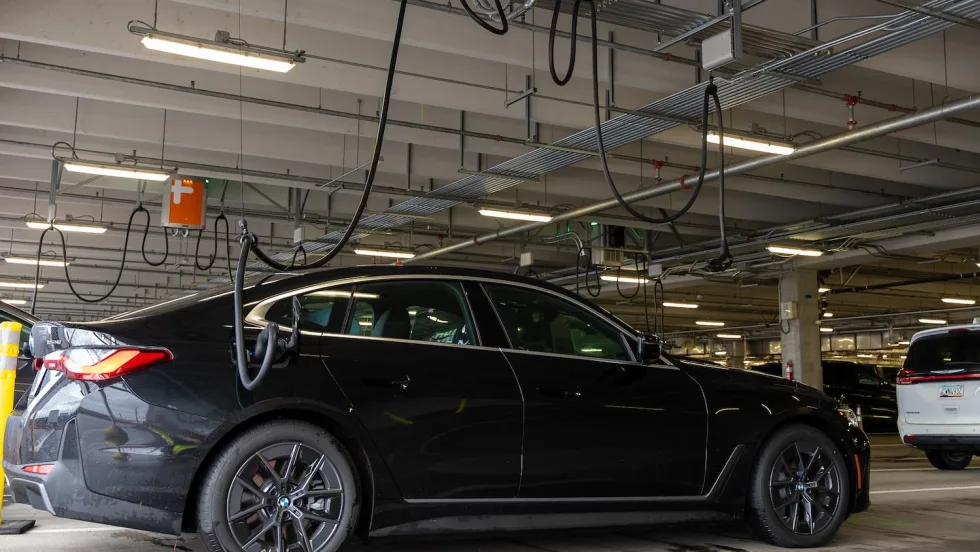
ChargePoint Adds Overhead EV Fast Charging at Portland International Airport
The installation can charge up to 20 rental vehicles simultaneously and uses overhead equipment to preserve ground-level space at the airport's Quick Turnaround Facility.
Read More →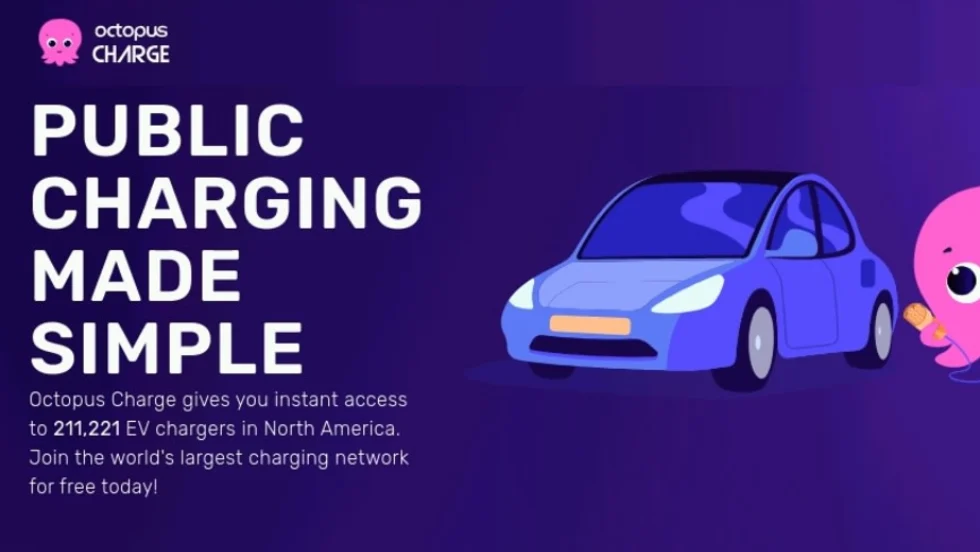
Octopus Energy Launches Public EV Charging App in U.S.
Octopus Charge allows EV drivers to locate and access public charging stations through a single app, building on the company's Electroverse platform in Europe.
Read More →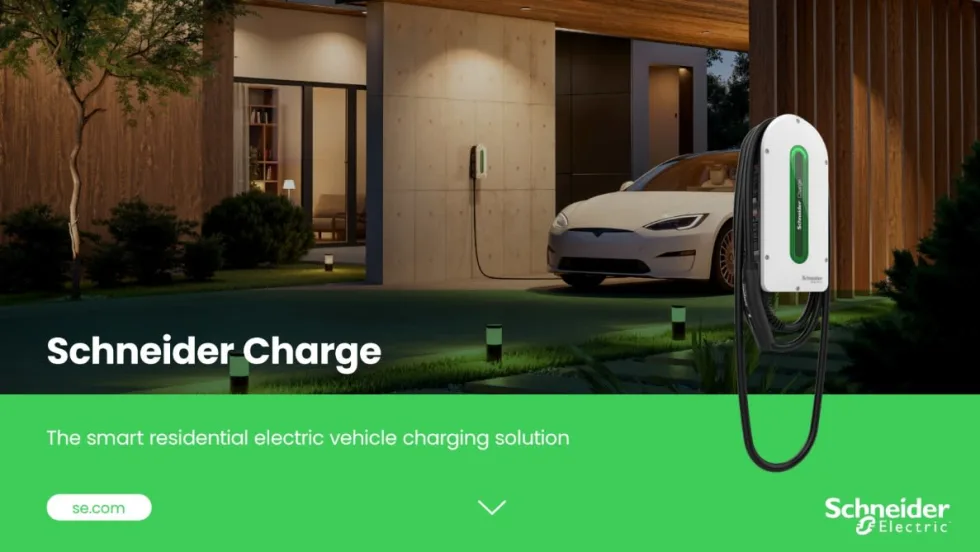
Schneider Electric Launches Level 2 Home EV Charger With Integrated Load Management
Schneider Charge uses integrated SmartAmp technology to adjust charging output based on household electrical demand and is available with NACS or J1772 connectors.
Read More →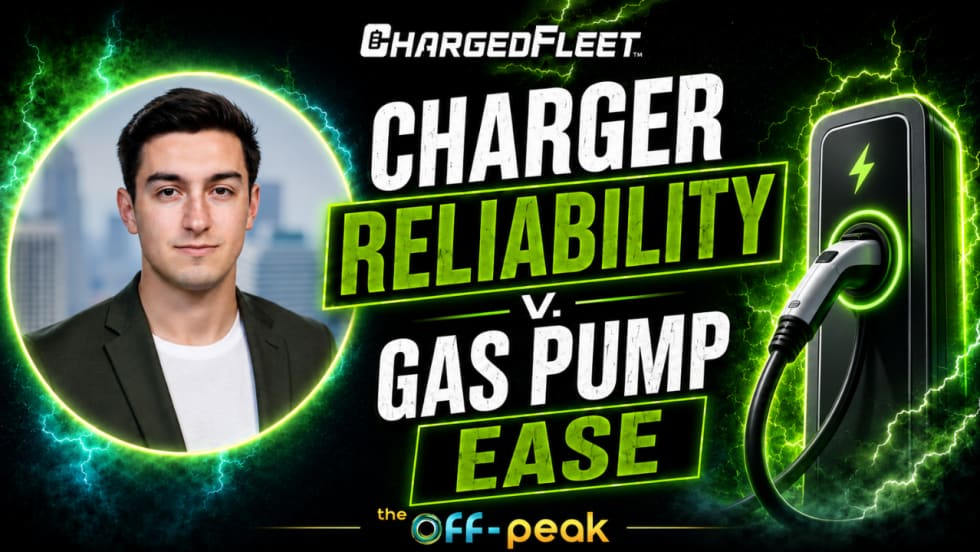
Why EV Charging Reliability Is More Complicated Than It Looks
GridLink CEO Josh Silets explains what causes EV chargers to fail, why fleet operators often struggle to identify the source, and what questions they should ask charging vendors.
Read More →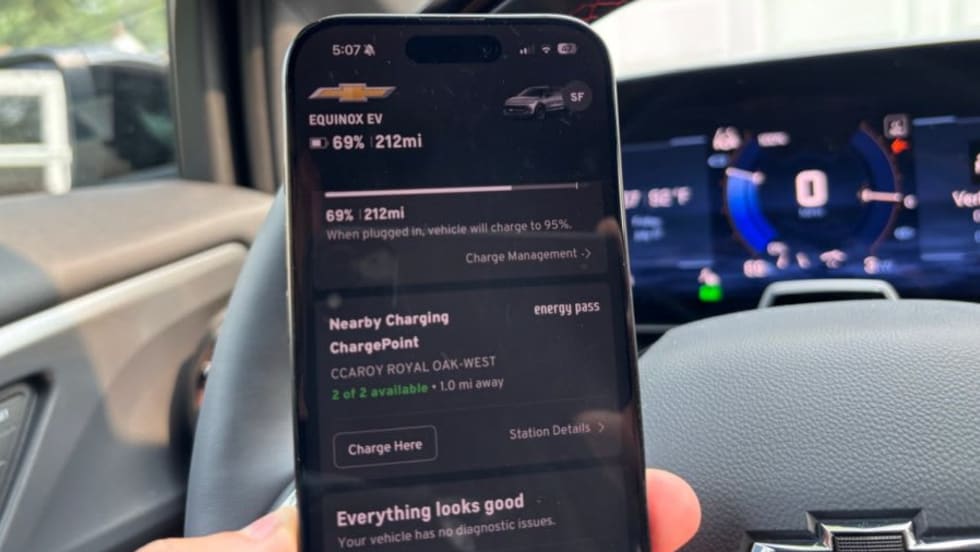
GM Adds ChargePoint Network to Energy Pass Platform
The integration gives GM EV drivers access to additional DC fast chargers and Level 2 stations through a single app while expanding the automaker's public charging ecosystem.
Read More →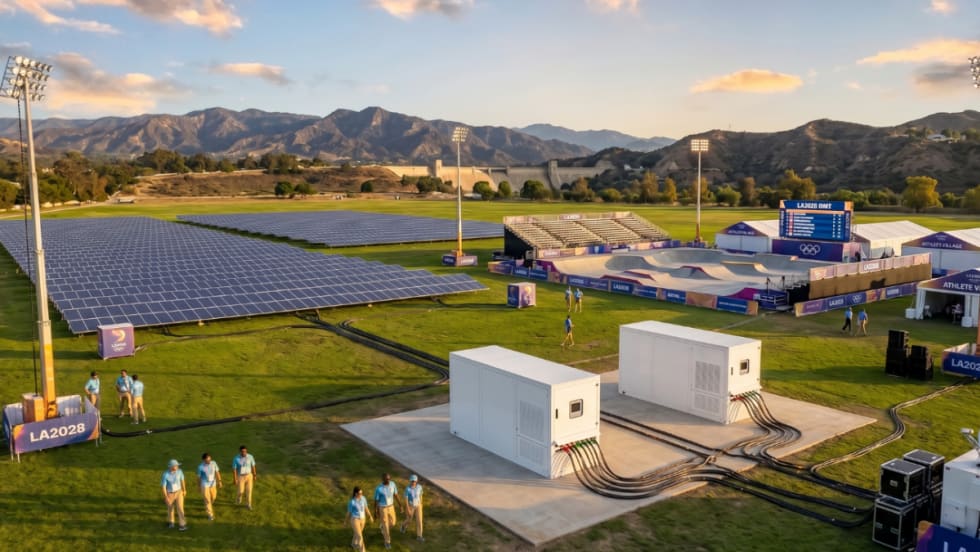
Xos White Paper Asserts LA Olympics Will Lack Enough EV Chargers
The commercial EV fleet company recommends some faster and more flexible remedies to relieve the anticipated shortfall.
Read More →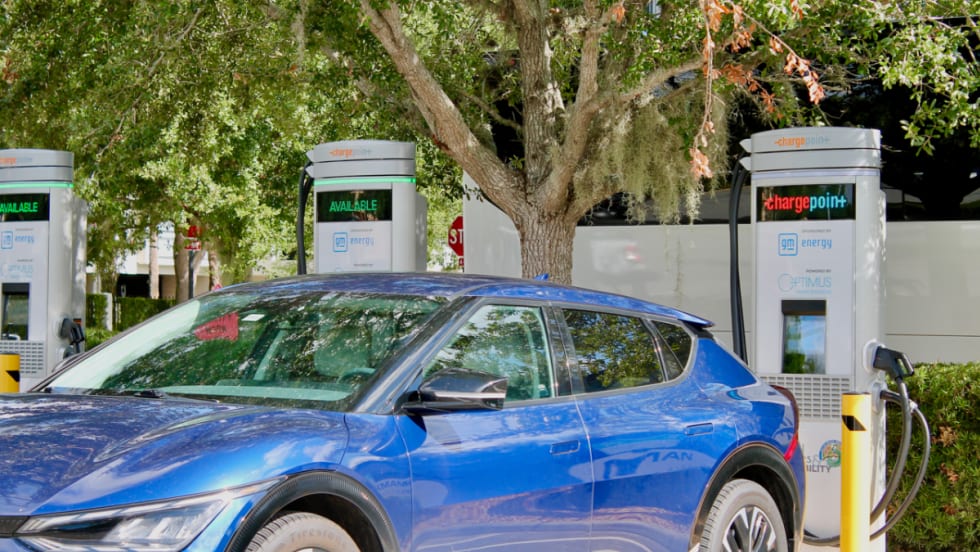
ChargePoint, Optimus Expand Fast-Charging Network Across Southeastern U.S.
ChargePoint will serve as the exclusive solutions provider, delivering hardware, software, and services to support Optimus’ growing charging network.
Read More →
Running A Profitable Electric Rental Fleet
How do you successfully operate an all-electric rental car fleet? Whether you manage a rental fleet or another commercial fleet, this conversation offers practical lessons on deploying, operating, and scaling electric vehicles.
Read More →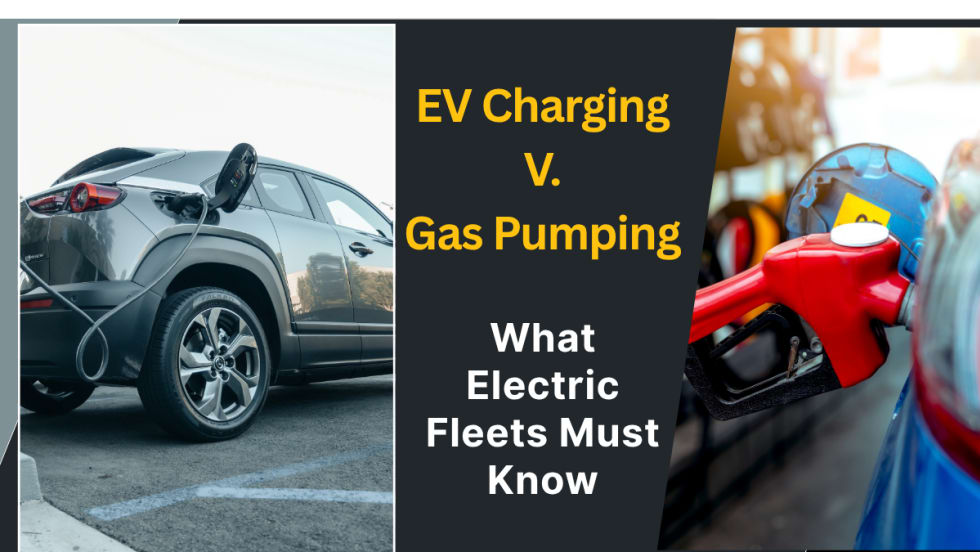
Why Charging May Never Be As Easy As Filling Up Gas
A seamless charge depends on a string of independent companies getting it right together, every time. How can electric fleets navigate the challenges to create a successful charging plan?
Read More →