



Learn More: SDG&E Launches Charging Infrastructure for Trucks & More
How San Diego Gas & Electric Supported Small, Diverse Businesses in 2020
The company is redoubling efforts to further grow its supplier diversity program to support local economic recovery.
March 2, 2021
2 min to read
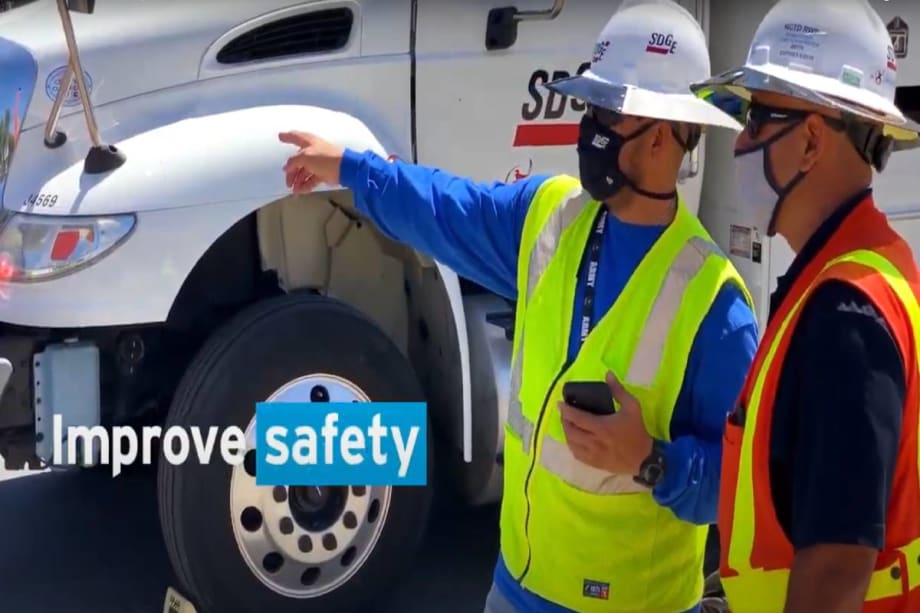
During a year when the economy was devastated by the pandemic, San Diego Gas & Electric sustained small and diverse suppliers by buying more than 40% in goods and services from them, according to the company's newly released 2020 supplier diversity annual report.
Overall, SDG&E injected more than $2 billion into the economy last year, the highest level of expenditures on goods and services in the company's 140-year history. The company invested $872 million on small and diverse suppliers, representing 41.6% of the total expenditures – far exceeding the 21.5% goal set by the California Public Utilities Commission (CPUC). Last year also marks the eighth consecutive year SDG&E's supplier diversity spending surpassed 40%.
SDG&E's supplier diversity program has grown, paving the way for many subcontractors to become prime contractors and add jobs to the local economy.
To encourage large local employers to follow suit, SDG&E recently partnered with the San Diego Regional Economic Development Corp. (EDC) on a new study that analyzes the impact of increased local procurement on quality job creation, and includes recommendations for large employers to support small businesses by buying local.
Here is a breakdown of SDG&E's 2020 spending by diverse business categories:
Minority Business Enterprise: $455.4 million or 21.7%
Women Business Enterprise: $285.9 million or 13.6%
Service-Disabled Veteran Business Enterprise: $120.5 million or 5.7%
Lesbian, Gay, Bisexual, Transgender Business Enterprise: $10.4 million or 0.5%
Diverse suppliers support many of SDG&E's key functions including electric engineering and construction, gas operations, clean transportation, sustainability/environmental services, and wildfire mitigation/vegetation management. Early in the pandemic, SDG&E even partnered with a Vista-based whiskey distillery to refocus production on hand sanitizers for its field crews.
Originally posted on Work Truck Online
More Charging
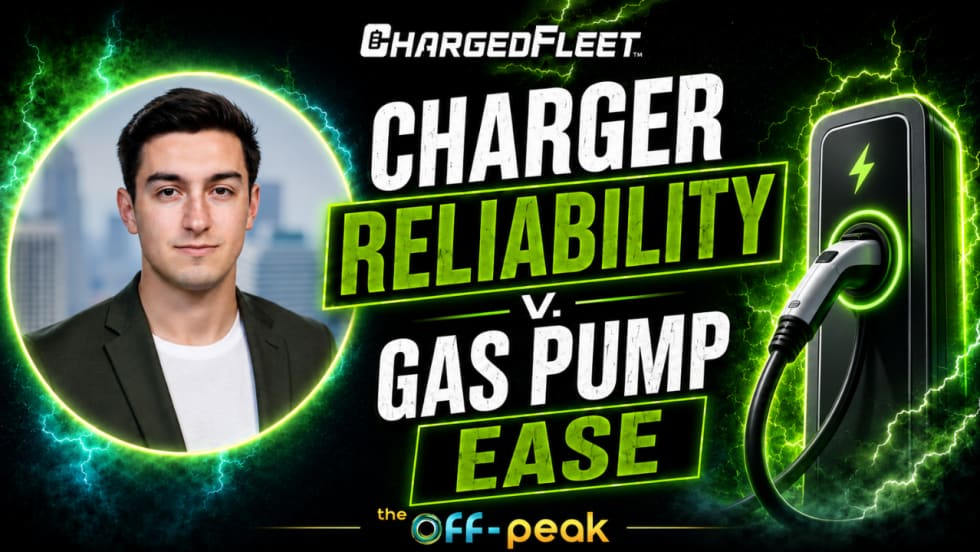
Why EV Charging Reliability Is More Complicated Than It Looks
GridLink CEO Josh Silets explains what causes EV chargers to fail, why fleet operators often struggle to identify the source, and what questions they should ask charging vendors.
Read More →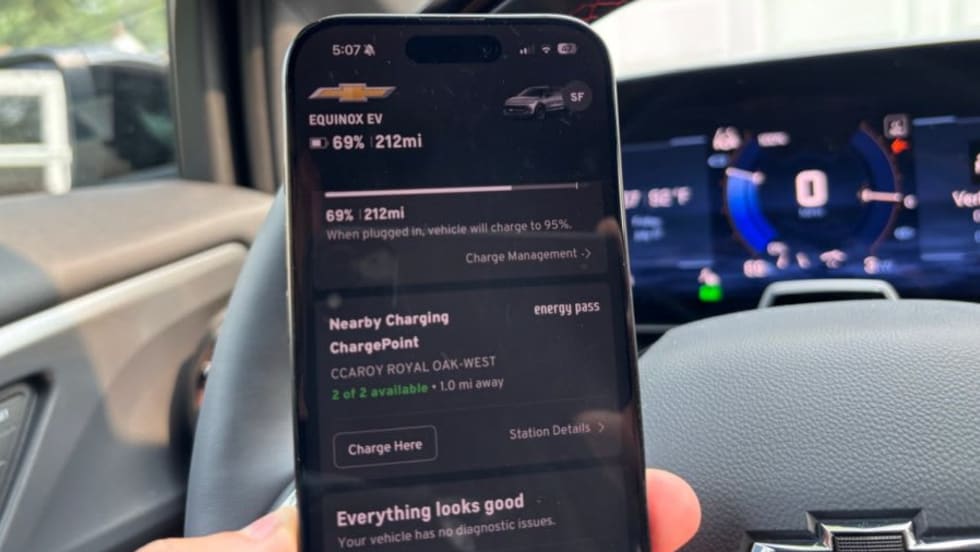
GM Adds ChargePoint Network to Energy Pass Platform
The integration gives GM EV drivers access to additional DC fast chargers and Level 2 stations through a single app while expanding the automaker's public charging ecosystem.
Read More →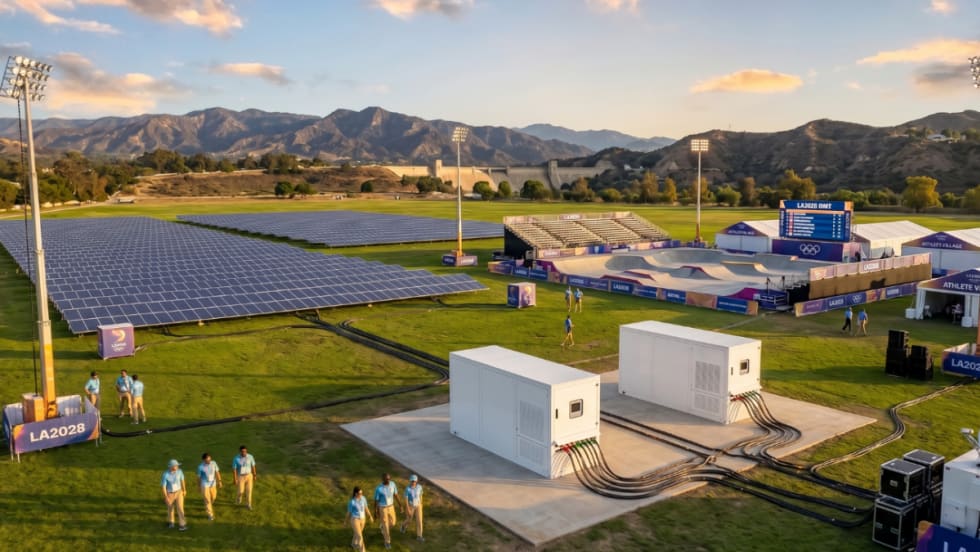
Xos White Paper Asserts LA Olympics Will Lack Enough EV Chargers
The commercial EV fleet company recommends some faster and more flexible remedies to relieve the anticipated shortfall.
Read More →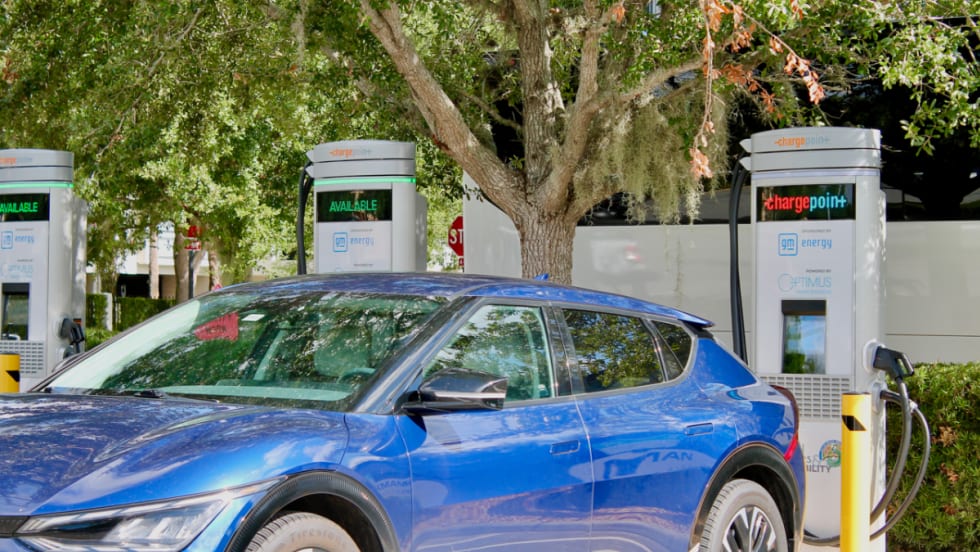
ChargePoint, Optimus Expand Fast-Charging Network Across Southeastern U.S.
ChargePoint will serve as the exclusive solutions provider, delivering hardware, software, and services to support Optimus’ growing charging network.
Read More →
Running A Profitable Electric Rental Fleet
How do you successfully operate an all-electric rental car fleet? Whether you manage a rental fleet or another commercial fleet, this conversation offers practical lessons on deploying, operating, and scaling electric vehicles.
Read More →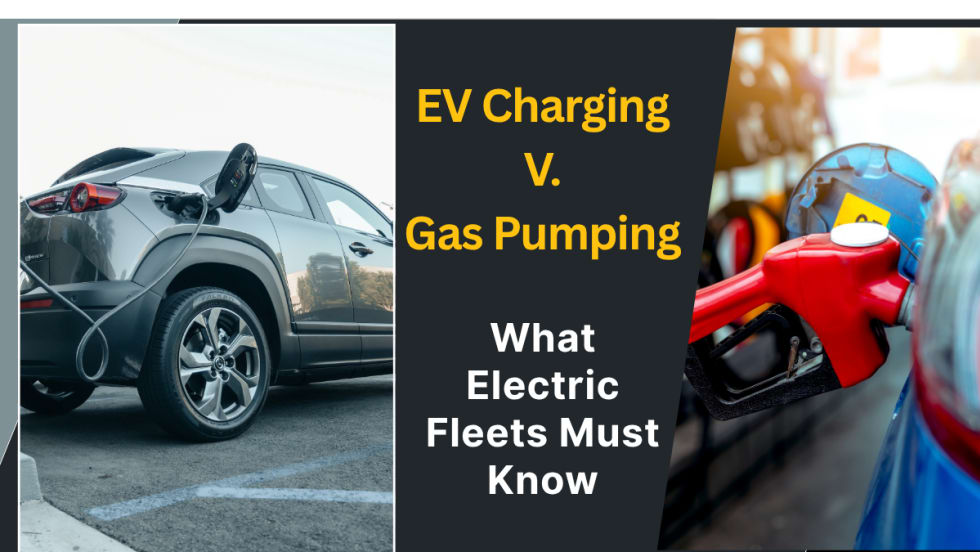
Why Charging May Never Be As Easy As Filling Up Gas
A seamless charge depends on a string of independent companies getting it right together, every time. How can electric fleets navigate the challenges to create a successful charging plan?
Read More →
Electrify America Opens EV Fast Charging Station in Southern California
The large-format depot features 20 hyper-fast chargers capable of delivering 350 kilowatts and is backed by a powerful battery energy storage system.
Read More →
Charging Gaps That Impede Electric Fleets
Find out why charger breakdowns can be so misleading, costing fleets time, money, and usage.
Read More →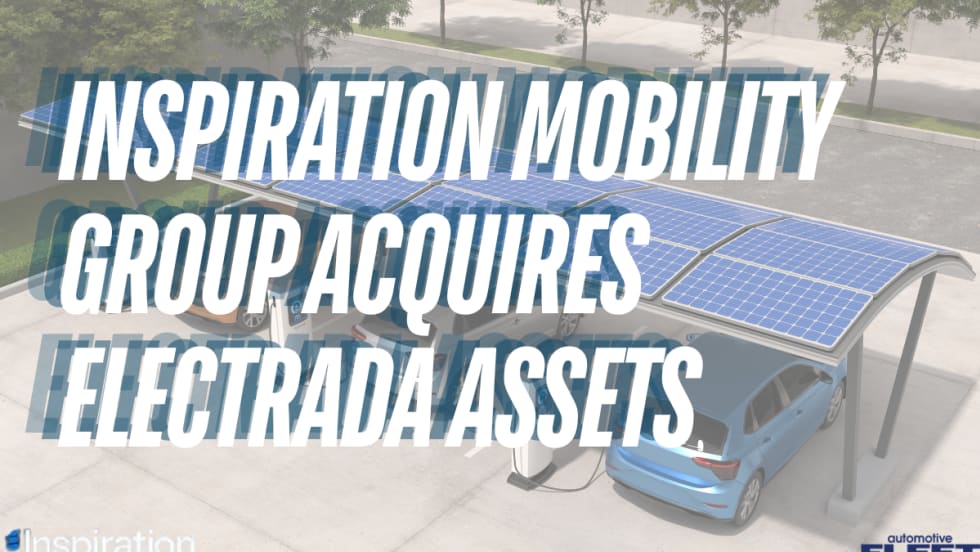
Inspiration Mobility Acquires Key Electrada Assets
Inspiration Mobility Group has acquired select assets of Electrada, adding the fleet electrification provider's team, technology, and charging infrastructure development capabilities to its energy management business.
Read More →
Turo Launches Electric Vehicles vs. Gas Trip Cost Calculator
New free tool helps travelers compare fuel and charging costs side by side before they book, aimed at more affordable summer road trips.
Read More →