


Related: An EV History Lesson for Overcoming EV’s Challenges Today
How Extreme Cold and Heat Affect EV Range
This tool shows that outside temperature can cut an EV range by close to half in some models.
by Charlotte Argue
June 3, 2020
At -15 C (5 F), EVs drop to 54% of their rated range, meaning a car that is rated for 250 miles (402 km) will only get on average 135 miles (217 km).
Photo via Pxfuel.
4 min to read
Optimizing fuel efficiency has been a long-time goal for drivers and fleet operators, but where fuel efficiency for gas vehicles aims to conserve fuel and, in turn, money, efficient driving for EVs focuses on range. Now, with enough data collected from electric vehicles (EV), we’re learning more about the impact of temperature on range.
Drawing from 4,200 connected EVs and 5.2 million trips, Geotab launched a Temperature Tool for EV Range that helps give vehicle operators confidence in knowing the expected range for a variety of EV makes and models at a given temperature, whether in the dead of winter or dog days of summer.
EVs come with an officially listed range that indicates how far they can go on a single charge. However, this standardized rating is best taken as a guideline. Real-world range depends on real-life conditions such as terrain, load, speed, and outdoor temperature all directly related to the vehicle’s efficiency (fuel economy) on any given trip, that can be measured in km/watt-hour (km/Wh).
Cold weather is an EV’s nemesis, being the most notorious range-killer. People often assume range loss in cold temperatures is due to reduced battery performance, but in fact, the real culprit is the auxiliary heater (and the air conditioner in the summer).
To understand how much outside temperature affects range, Geotab looked at anonymized data from thousands of EVs representing 102 different make/model/year combinations. The analysis showed that the average range peaks at 21.5 C (70 F) and drops above and below that temperature consistently across vehicle models.
At this optimal temperature, EVs are achieving 115% above their rated range, meaning most EV owners are exceeding the rated range of the vehicle in ideal temperature conditions. The farther above or below the temperature to the optimal 21.5 C / 70 F, the more range is lost.
At -15 C (5 F), EVs drop to 54% of their rated range, meaning a car that is rated for 250 miles (402 km) will only get on average 135 miles (217 km).
Optimal Degrees
It should be no surprise that the most efficient trips were taken on days where the average outdoor temperature was the same at which many people like to keep their homes for comfort.
Above or below 21-22 C (70-71 F), the driver is more likely to turn on the heat or AC, which draws energy from the battery. An EV’s onboard thermal management system is also designed to draw energy to warm or cool the vehicle’s battery as needed, to ensure it operates in moderate temperatures.
Therefore, the car is working to heat/cool both the occupants and the batteries in cold or hot conditions, taking energy that could have otherwise been used by the motor to go further.
To use the Temperature Tool for EV Range, first select a vehicle model, year and battery size and then slide the temperature bar to see the impact on range. The number indicated in blue is the average range that can be expected at the selected temperature for that vehicle. The red and green lines indicate the worst and best range distributions (10th and 90th percentiles).
The broad spread between the worst range and best range at any given temperature can be attributed to many factors that can impact trip efficiency such as speed, terrain, and driver behavior.
Note, vehicles lose battery capacity over time. Without degradation applied, the result is what the range would have been when the vehicle was new. To account for the capacity loss by age, we applied the average annual loss of 2.3% for older model years.
For full details, check out Geotab’s battery degradation tool.
Tips for maximizing range
By using the following tips, it’s possible to minimize auxiliary load and gain back some of the miles that an EV’s auxiliary system might steal:
Instead of warming up the cabin air, for instance, it’s more energy efficient to use the car’s heated seats and steering wheel, if available, since heating the cabin air can draw 3,000-5,000 watts compared to around 75 watts used to heat both the seats and steering wheel.
It also helps to precondition the vehicle. Turning on the car’s heaters while it’s still plugged in will minimize the auxiliary load by warming (or cooling) the vehicle before it starts its trip. With EVs, doing so is idle-free. If the option is available, park in a temperature-controlled garage to get a similar effect.
Rather than be concerned about losing range, being informed will go a long way. As battery sizes increase with new EV models — and charging infrastructure continues to expand — range loss is becoming less of an issue.
Ultimately, it’s knowing daily distance needs that will ensure the right vehicle is chosen, whether for personal use or an entire fleet.
About the Author
Charlotte Argue is a senior manager a fleet electrification at Geotab, with a focus on enabling fleets to transition to electric.
Originally posted on Automotive Fleet
More Charging
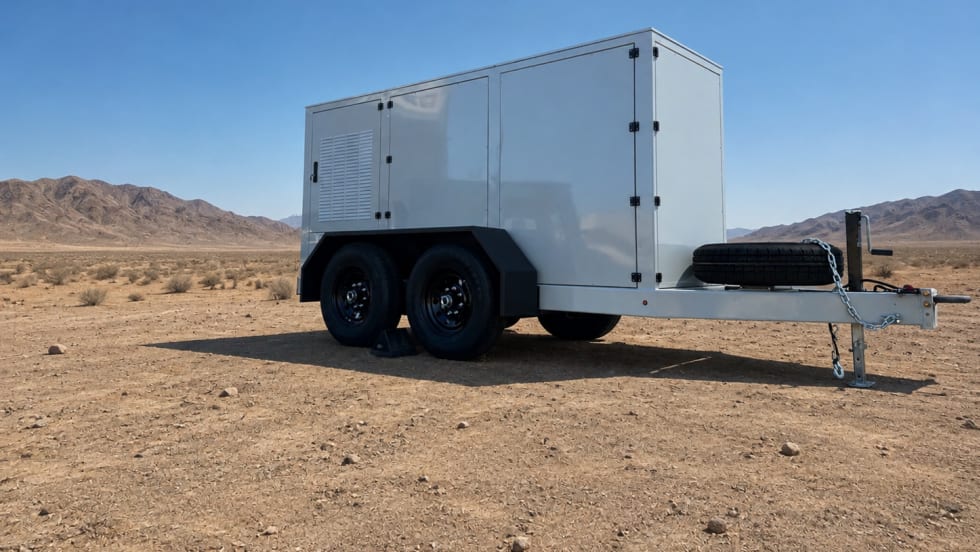
Xos Mobile Charging Hub Surpasses 1 GWh of Energy Delivered
As fleets electrify, charging capacity does not always arrive on the same timeline as the vehicles. Operating data from one Xos Hub shows how mobile, grid-independent charging can support vehicles when permanent infrastructure or utility upgrades aren't available.
Read More →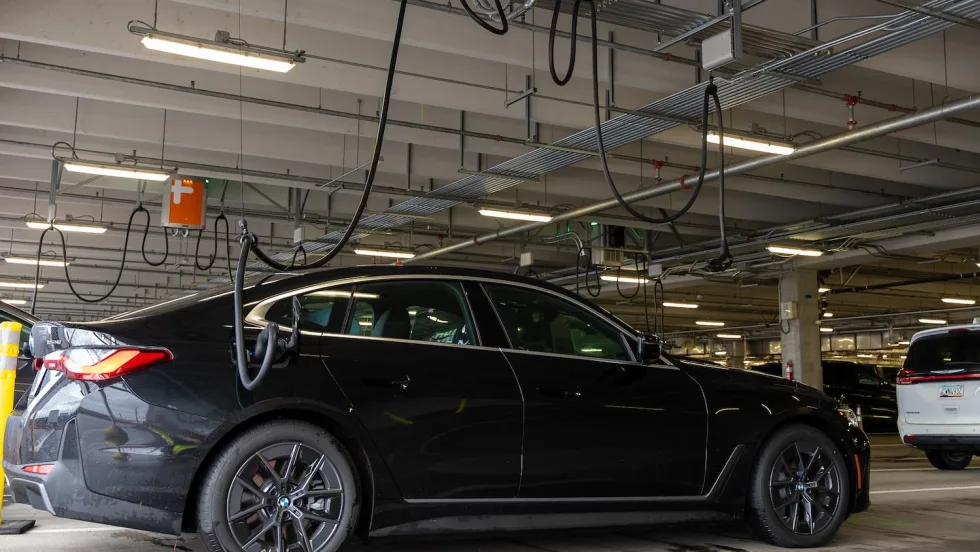
ChargePoint Adds Overhead EV Fast Charging at Portland International Airport
The installation can charge up to 20 rental vehicles simultaneously and uses overhead equipment to preserve ground-level space at the airport's Quick Turnaround Facility.
Read More →
Octopus Energy Launches Public EV Charging App in U.S.
Octopus Charge allows EV drivers to locate and access public charging stations through a single app, building on the company's Electroverse platform in Europe.
Read More →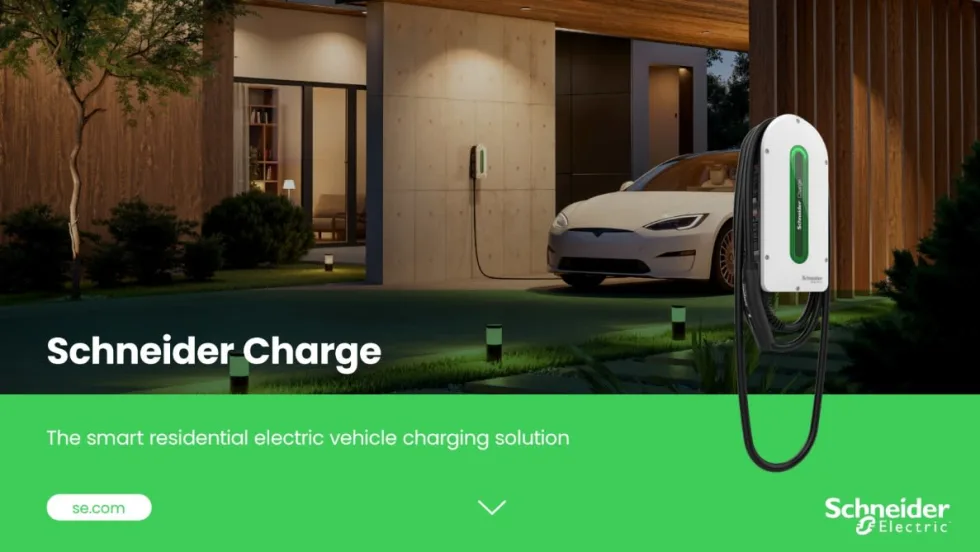
Schneider Electric Launches Level 2 Home EV Charger With Integrated Load Management
Schneider Charge uses integrated SmartAmp technology to adjust charging output based on household electrical demand and is available with NACS or J1772 connectors.
Read More →
Why EV Charging Reliability Is More Complicated Than It Looks
GridLink CEO Josh Silets explains what causes EV chargers to fail, why fleet operators often struggle to identify the source, and what questions they should ask charging vendors.
Read More →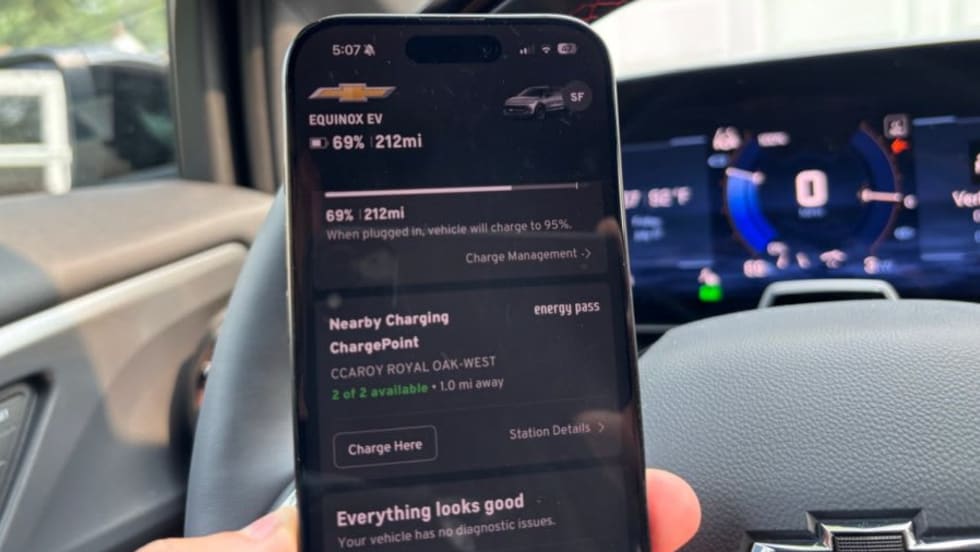
GM Adds ChargePoint Network to Energy Pass Platform
The integration gives GM EV drivers access to additional DC fast chargers and Level 2 stations through a single app while expanding the automaker's public charging ecosystem.
Read More →
Xos White Paper Asserts LA Olympics Will Lack Enough EV Chargers
The commercial EV fleet company recommends some faster and more flexible remedies to relieve the anticipated shortfall.
Read More →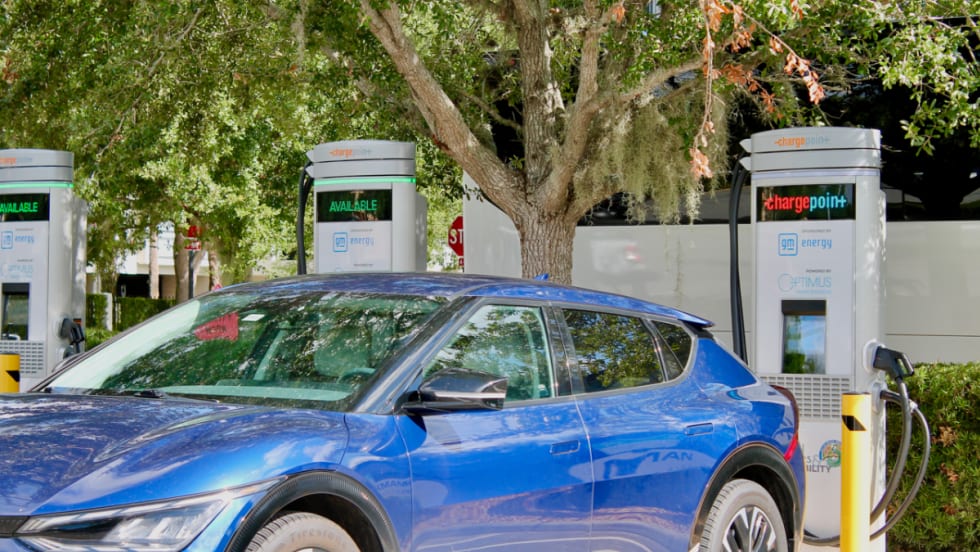
ChargePoint, Optimus Expand Fast-Charging Network Across Southeastern U.S.
ChargePoint will serve as the exclusive solutions provider, delivering hardware, software, and services to support Optimus’ growing charging network.
Read More →
Running A Profitable Electric Rental Fleet
How do you successfully operate an all-electric rental car fleet? Whether you manage a rental fleet or another commercial fleet, this conversation offers practical lessons on deploying, operating, and scaling electric vehicles.
Read More →
Why Charging May Never Be As Easy As Filling Up Gas
A seamless charge depends on a string of independent companies getting it right together, every time. How can electric fleets navigate the challenges to create a successful charging plan?
Read More →