


Related: California Bill Would Triple Rebates for Electric Car Buyers
Gov. Cuomo Announces EV Charging Program, Rebates
The "Make-Ready" Program would run through 2025 to coincide with New York's goal of deploying 850,000 zero-emission vehicles by the end of that year.
by Staff
January 20, 2020
The report recommends that the Public Service Commission direct the state's major electric utilities to build the grid infrastructure needed to enable installation of publicly accessible EV charging stations.
Photo via OpenGridScheduler/Flickr.
5 min to read
The New York State Department of Public Service issued a report recommending the establishment of a statewide utility-supported "Make-Ready" Program to promote responsible electric vehicle charging station deployment.
In addition, Gov. Cuomo announced that more than 20,000 rebates have been approved for New Yorkers to purchase electric cars under the Drive Clean Rebate initiative, which provides residents with a rebate of up to $2,000 for the purchase or lease of a new electric car from participating dealers. In his 2020 State of the State address Cuomo underscored New York's commitment to further encourage electric vehicle, or EV, ownership. Specifically, he directed the Department of Public Service, in consultation with stakeholders, to propose a make-ready initiative that provides utility support to accelerate the development of the EV charging infrastructure needed to meet the expected EV growth in the next five years.
"Accelerating electric vehicle ownership is a key component of New York's nation-leading plan to fight clime change and grow our clean energy economy," Cuomo said in a statement. "The Make Ready initiative will direct the State's utilities to build the grid infrastructure needed to enable the installation of publicly accessible chargers, encouraging more New Yorkers to choose electric vehicles while creating jobs and ensuring our energy dollars stay in-state."
The report recommends that the Public Service Commission direct the state's major electric utilities to build the grid infrastructure needed to enable installation of publicly accessible EV charging stations.
To support EV deployment in New York, the report recommends a number of actions to leverage the utilities' expertise and unique position to promote zero-emission vehicle adoption. The Commission has already approved initiatives to encourage the zero emission's market, including residential time-of-use rates for EV charging and annual per-plug incentives to buy down the cost of installing publicly accessible direct current fast charger stations. The Commission has also approved a number of EV demonstration and pilot projects, and the utilities have developed the framework needed to rollout EVs.
The "Make-Ready" Program would run through 2025 to coincide with New York's goal of deploying 850,000 zero-emission vehicles by the end of that year.
The program will improve EV economics for developers by covering up to 90% of the costs to make-ready a site for EV charging. The report also proposes that the utilities be required to incorporate EV charging scenarios into their annual capital planning processes to encourage thoughtful siting of charging infrastructure. This proposal will encourage accelerated, forward-thinking development of charging infrastructure that is estimated to provide New Yorkers with over $2.6 billion in net benefits and supports the achievement of the State's transportation electrification and clean energy goals.
An EV charging infrastructure forecast would require electric utilities to identify locations suitable for electric vehicle supply equipment and infrastructure siting, and to proactively educate developers on synergistic cost-saving opportunities. The report recommends that the utilities establish a common suitability criterion to identify potential public charging sites, with the objective of maximizing public charging utilization to ensure efficient use of customer funds invested and provide fair and equitable access and benefit to all utility customers, including those in disadvantaged communities.
As EV prices come down and more EVs come to the market, it will be appropriate to develop more charging infrastructure in environmental justice communities — who have been disproportionately impacted by air pollution — and rural neighborhoods. Additionally, communities with low vehicle ownership rates, which are disproportionately impacted by air pollutants due to their proximity to heavily trafficked roads and highways, will benefit from a greater share of EVs on the roads.
New York State has a number of initiatives to support medium and heavy-duty vehicle electrification underway, including bus fleets, which provide additional access to EVs and improved air quality for many disadvantaged communities. Fast-charger EV stations developed in the first year of the "Make-Ready" Program are expected to have positive financial returns for all regions and site configurations, except for the larger 150 kW stations located in Upstate New York. Given publicly visible and accessible infrastructure's vital role in assuaging range anxiety, the report recommends that each region in Upstate New York be eligible for additional incentives to make four or more fast charging locations available in every region.
The EVolve NY initiative, administered by the New York Power Authority, has committed $250 million to expand public fast charging along key transit corridors, creating new charging hubs in major cities and airports, and establishing electric vehicle-friendly model communities that will encourage residents to transition to driving electric vehicles.
The additional infrastructure will complement the goals of the State's Drive Clean Rebate initiative, a $70 million plug-in hybrid and electric car rebate and outreach initiative to encourage the growth of clean and non-polluting car use in New York, promote the reduction of carbon emissions in the transportation sector and help reduce vehicle prices for consumers. Of this, $55 million is dedicated to rebates of up to $2,000 for the purchase of a new plug-in hybrid electric car, all-electric car or hydrogen fuel cell car.
The remaining $15 million is to support improving consumer awareness of electric cars and their many benefits, installing more charging stations across the state, developing and demonstrating new electric car-enabling technologies and other efforts to put more electric cars on New York's roadways. Since it was launched, the New York State Energy Research and Development Authority, which administers the initiative, has approved more than $29 million in rebates for New Yorkers who purchased or leased 45 different types of cars.
Originally posted on Automotive Fleet
More Charging
What Happens When an EV Charger Goes Down at Your Fleet Depot?
A failed EV charger can disrupt routes, delay vehicles, and create unexpected costs. Here's how fleets can troubleshoot problems, arrange backup charging, and minimize downtime.
Read More →
California Opens $28 Million in EV Fast-Charging Incentives
The Fast Charge California Project offers up to $100,000 per charging port for eligible, ready-to-build public charging projects, with applications open through Jan. 14, 2027.
Read More →
Honda Develops In-Motion Wireless EV Charging Technology for Commercial Vehicles
Honda, Taisei and Taisei Rotec are developing a road-embedded wireless charging system capable of transferring up to 150 kW, with public-road testing planned in Japan beginning in fiscal 2027.
Read More →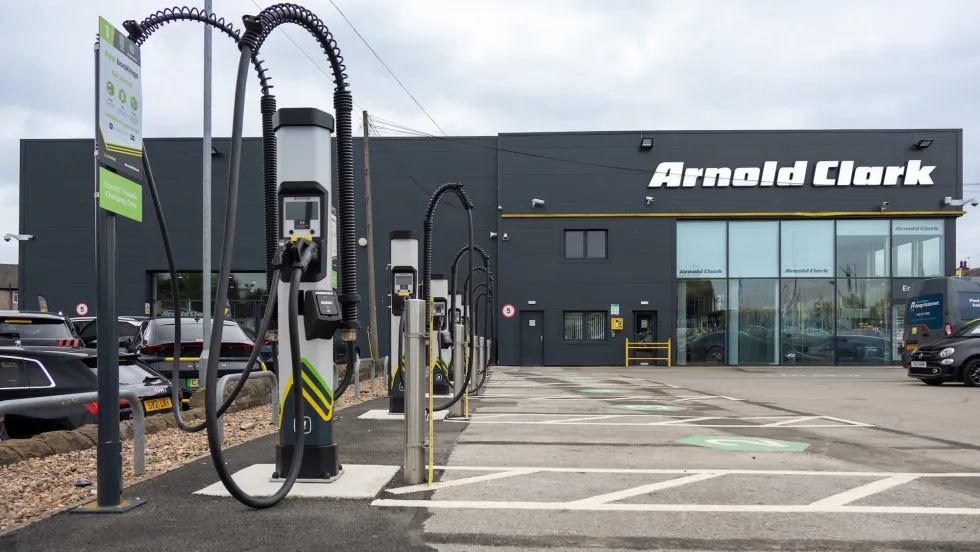
Arnold Clark Charge Opens Six Ultra-Rapid EV Chargers in Huddersfield
The new public charging site brings the Arnold Clark Charge network to 63 locations across the U.K., with charging priced at 55 pence per kWh.
Read More →
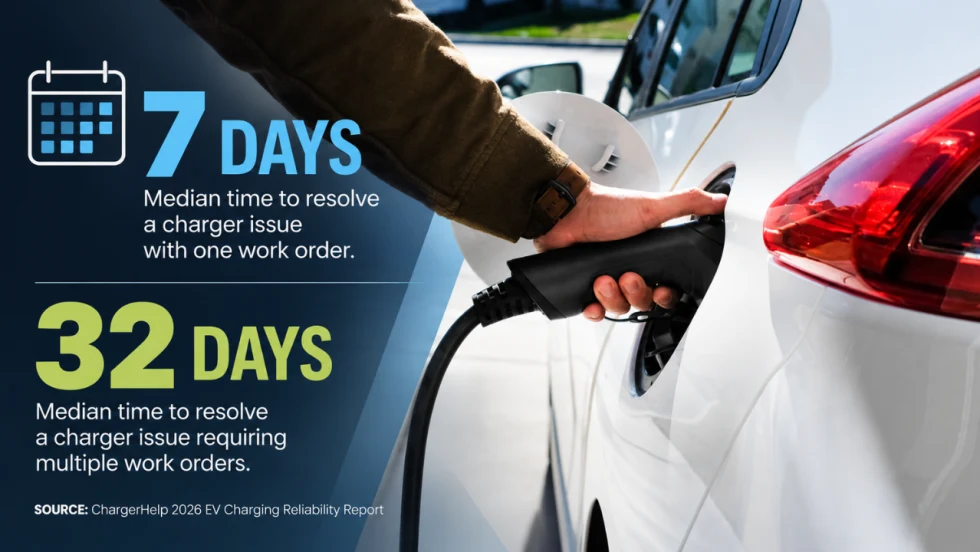
ChargerHelp Report Finds EV Charger Recovery Delays Can Stretch Beyond a Month
An analysis of approximately 500 million data points found charging issues requiring multiple work orders took a median of 32 days to resolve, highlighting the operational impact of diagnostics and repair coordination.
Read More →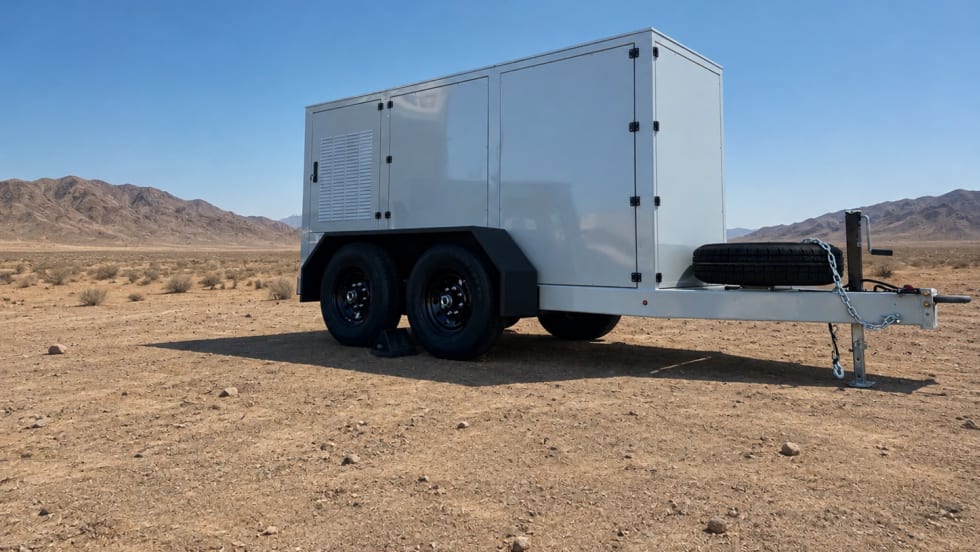
Xos Mobile Charging Hub Surpasses 1 GWh of Energy Delivered
As fleets electrify, charging capacity does not always arrive on the same timeline as the vehicles. Operating data from one Xos Hub shows how mobile, grid-independent charging can support vehicles when permanent infrastructure or utility upgrades aren't available.
Read More →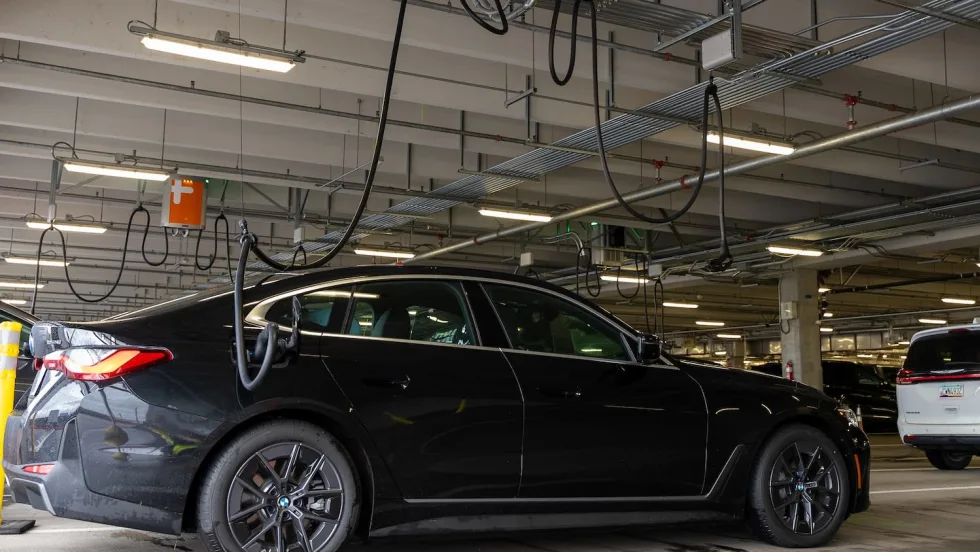
ChargePoint Adds Overhead EV Fast Charging at Portland International Airport
The installation can charge up to 20 rental vehicles simultaneously and uses overhead equipment to preserve ground-level space at the airport's Quick Turnaround Facility.
Read More →
Octopus Energy Launches Public EV Charging App in U.S.
Octopus Charge allows EV drivers to locate and access public charging stations through a single app, building on the company's Electroverse platform in Europe.
Read More →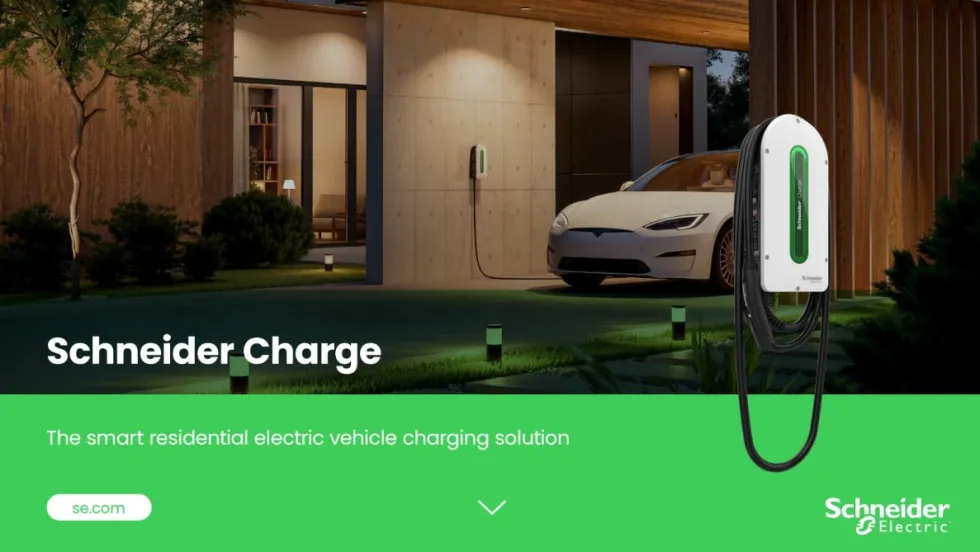
Schneider Electric Launches Level 2 Home EV Charger With Integrated Load Management
Schneider Charge uses integrated SmartAmp technology to adjust charging output based on household electrical demand and is available with NACS or J1772 connectors.
Read More →
Why EV Charging Reliability Is More Complicated Than It Looks
GridLink CEO Josh Silets explains what causes EV chargers to fail, why fleet operators often struggle to identify the source, and what questions they should ask charging vendors.
Read More →