



Look Into the Future: How GM Plans to Grow the Electric Fleet Ecosystem
GM to End Chevy Bolt Production
General Motors is ending production of its Chevrolet Bolt EV and EUV as it turns its focus to other electric vehicle models.
April 26, 2023

The 2019 Chevrolet Bolt EV was awarded with a Top Safety Pick award when outfitted with optional vehicle-to-vehicle front crash prevention.
Photo: Chevrolet
1 min to read
General Motors is planning to end production of its electric Chevrolet Bolt models by the end of 2023, according to CEO Mary Barra during the company’s quarterly conference call.
GM said it plans to produce more than 70,000 Bolt models this year.
The starting price of the 2023 Bolt EV is $26,500, making it one of the least expensive pure EV on the market.
What's Next for GM
The Bolt features older battery technology that has been superseded by GM’s Ultium platform, used in the GMC Hummer EV, Cadillac Lyriq, and BrightDrop commercial vans, as well as upcoming Chevrolet Silverado, Blazer, and Equinox EV models that are launching later this year.
A plant in Detroit that has produced Chevrolet Bolts since 2016 will be used for the production of the electric Chevrolet Silverado and GMC Sierra trucks scheduled for 2024, Barra added.
"When Orion EV assembly reopens in 2024 and reaches full production, employment will nearly triple, and we'll have a company-wide capacity to build 600,000 electric trucks annually," Barra said. "We'll need this capacity because our trucks more than measure up to our customers' expectation, and we'll demonstrate that work and EV range are not mutually exclusive terms for Chevrolet and GMC trucks. So stay tuned."
Originally posted on Automotive Fleet
More Electric Vehicles

Who You Gonna Call? Rivian Turns Electric Vehicles Into Ghostbusters Rides
Rivian teams up with Sony Pictures for a Ghostbusters-inspired Halloween software update, complete with custom sounds, lighting effects, and a special Ecto-R1.
Read More →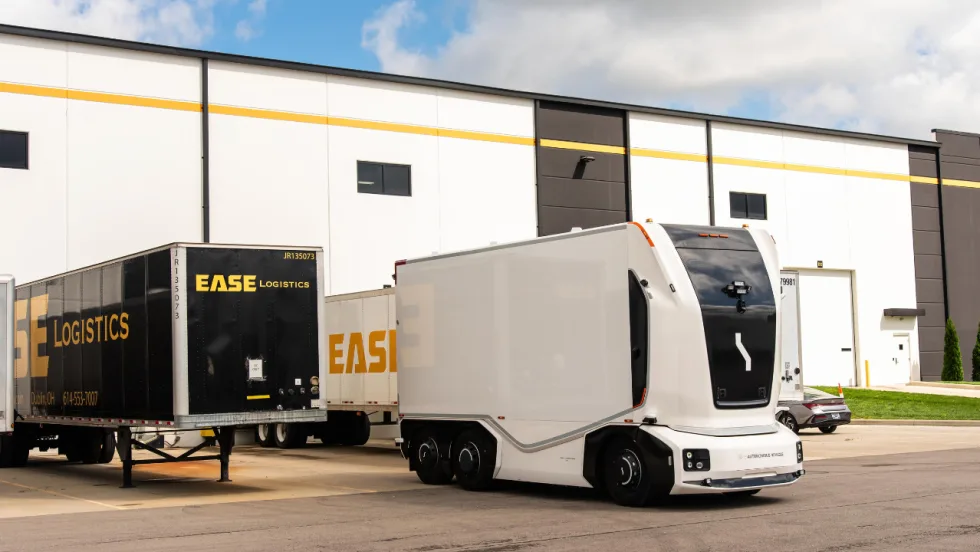
Einride Electric Driverless Trucks Begin Daily Freight Operations in Ohio
Two cabless electric trucks are now moving freight between EASE Logistics facilities, putting autonomous EV technology into daily commercial operations.
Read More →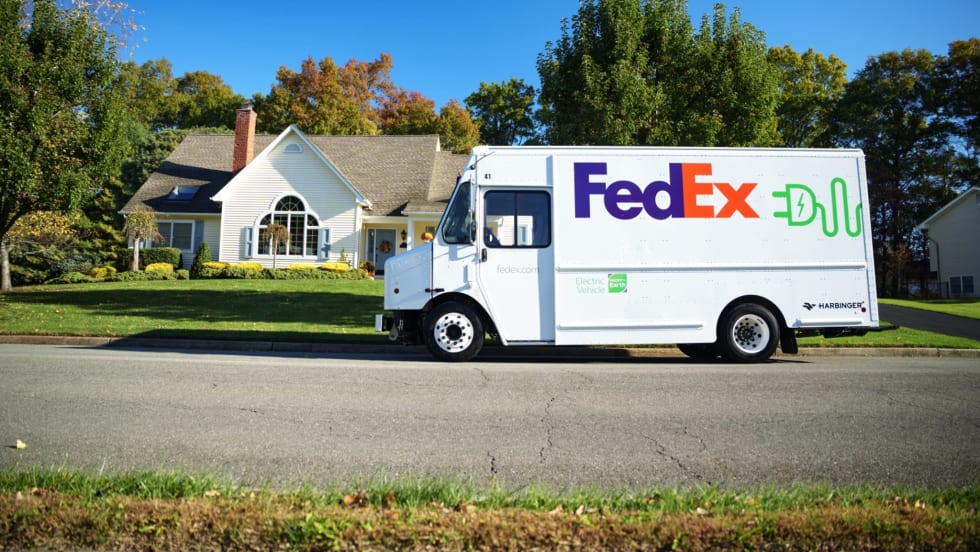
FedEx Orders 2,000 Harbinger Electric Trucks in $300 Million Deal
The Class 5 and 6 electric trucks are planned for delivery by the end of 2027 and will be deployed in FedEx pickup and delivery operations across the U.S. and Canada.
Read More →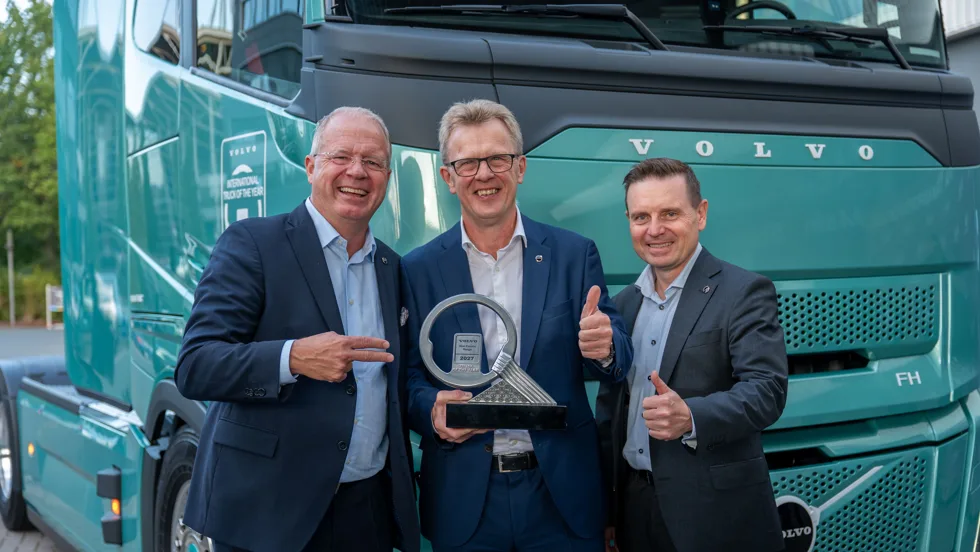
Volvo Trucks’ Electric Range Named International Truck of the Year 2027
The award recognizes Volvo’s global heavy-duty electric lineup, while more than 750 VNR Electric trucks have accumulated nearly 37 million miles in U.S. and Canadian fleet operations.
Read More →
How Republic Services Decides Where Its Next Electric Trucks Can Go
With 250 electric collection trucks now in service, Republic Services is learning that scaling electrification depends less on proving the vehicle and more on whether each site can support what comes next.
Read More →
EV Charging Use Is Outpacing Infrastructure Growth
ChargePoint’s 2026 Charging Forward Report points to rising charger use, higher-powered charging, commercial vehicle electrification, and energy-management technology. Here’s what fleets should know.
Read More →
EV Realty Names Henrik Holland President as Charging Platform Expands
The former Prologis Mobility and Shell executive will help expand EV Realty’s truck charging business and move its power-first infrastructure model into autonomous vehicle depots and other fleet sectors.
Read More →
GreenPower Expands New Mexico EV Pilot With Larger Buses, V2G Testing
After logging more than 17,000 electric miles in the first year, New Mexico’s statewide pilot is moving into its second phase with larger vehicles, continued charging evaluations, and more.
Read More →
Can EV-as-a-Service Help Fleets Scale Electrification?
Sustainability Partners CEO Adam Cain explains how matching EVs, charging infrastructure, and duty cycles can help fleets scale electrification.
Read More →
How EV-as-a-Service Is Moving Fleets Beyond Pilots
Adam Cain, president and CEO of Sustainability Partners, explains how EV-as-a-service can help fleets scale deployments by addressing duty-cycle requirements and charging challenges.
Read More →