



Background News: An Electric Work Truck Built Ford Tough
Ford Plans to Build EVs at Major Canada Plant
The new campus – to be renamed Oakville Electric Vehicle Complex – will be a high-volume manufacturing hub for North America, producing about two million EVs annually by 2026.
April 11, 2023
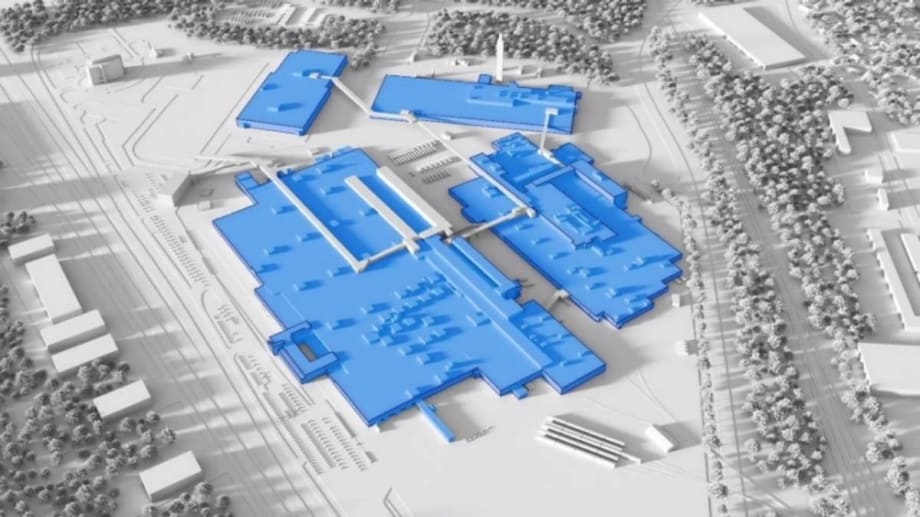
A schematic graphic of the future Oakville Electric Vehicle Complex. Ford will begin to retool and transform the complex in the second quarter of 2024 to prepare for production of next-generation electric vehicles beginning in 2025.
Graphic: Ford
3 min to read
Ford Motor Company is investing $1.34 billion to turn its Oakville Assembly Complex in Canada into a high-volume hub for making electric vehicles.
The plant will be renamed Oakville Electric Vehicle Complex and will be modernized in the second quarter of 2024 to prepare for the production of next-generation EVs. This marks the first time an automotive OEM has announced plans to produce passenger electric vehicles in Canada for the North American market.
The investment will allow Ford to repurpose and transform existing buildings into a state-of-the-art facility that uses Ford of Canada's skilled and experienced workforce. The Oakville Electric Vehicle Complex will feature a new on-site battery plant that will use cells and arrays from BlueOval SK Battery Park in Kentucky. Oakville workers will assemble these components into battery packs that will then be installed in vehicles assembled on-site.
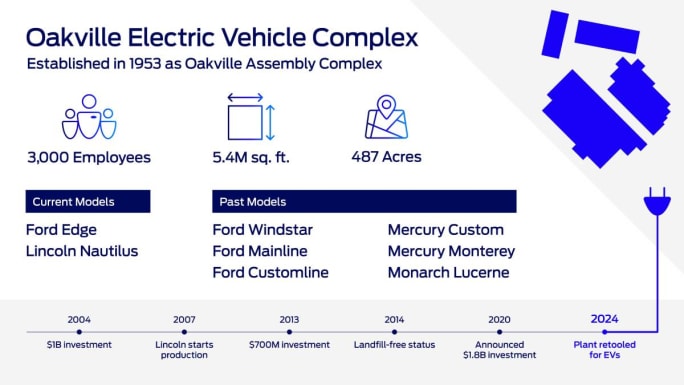
The transformed campus will feature a new 407,000 square-foot on-site battery plant that will use cells and arrays from BlueOval SK Battery Park in Kentucky. Oakville workers will take these components and assemble battery packs that will then be installed in vehicles assembled on-site.
Graphic: Ford
Ford is taking a diverse strategic approach to transforming its industrial system to expand EV production: Building new greenfield sites and also transforming manufacturing sites like in Oakville and Cologne, Germany. In addition to the Oakville Electric Vehicle Complex upgrades:
Ford is creating an all-new electric vehicle manufacturing system in West Tennessee – called BlueOval City – the home of a battery plant and the future home of Ford’s next-generation electric pickup. Together with two battery plants in Kentucky, these sites will create 11,000 new U.S. jobs and expected to begin production in 2025.
Ford is also building a lithium iron phosphate battery plant in Marshall, Michigan. Production is slated to begin in 2026, with 2,500 employees. Ford is among the first automakers to commit to building both lithium iron phosphate and nickel cobalt manganese batteries in the U.S.
Ford is also modernizing its vehicle assembly campus in Cologne, Germany, transforming it to become the Ford Cologne Electrification Center – the company’s first EV center of excellence in Europe. This site will be the production home of the electric Ford Explorer for European customers; production begins later this year.
Ford, LG Energy Solution and Koç Holding have signed a non-binding memorandum of understanding to build one of the largest commercial electric vehicle battery cell production facilities in the European region. The project is on track to break ground near Ankara, Turkey, later this year, with production to start in 2026.
Ford this year is expanding production of the F-150 Lightning at the Rouge Electric Vehicle Center in Dearborn and the Mustang Mach-E at its Cuautitlan facility in Mexico.
"Ford’s investment in retooling its Oakville plant will support thousands of good paying jobs and is an important milestone in our plan to become a leader in the electric vehicle revolution,” said Premier Doug Ford in a news release. “Together, with our industry and union partners, we’re building up a world class, home grown electric vehicle supply chain, from mining to manufacturing, so that the vehicles of the future are built right here in Ontario, by Ontario workers.”
[Note: This news release was rewritten and edited with the help of ChatGPT]
More Electric Vehicles
EV Charging Use Is Outpacing Infrastructure Growth
ChargePoint’s 2026 Charging Forward Report points to rising charger use, higher-powered charging, commercial vehicle electrification, and energy-management technology. Here’s what fleets should know.
Read More →
EV Realty Names Henrik Holland President as Charging Platform Expands
The former Prologis Mobility and Shell executive will help expand EV Realty’s truck charging business and move its power-first infrastructure model into autonomous vehicle depots and other fleet sectors.
Read More →
GreenPower Expands New Mexico EV Pilot With Larger Buses, V2G Testing
After logging more than 17,000 electric miles in the first year, New Mexico’s statewide pilot is moving into its second phase with larger vehicles, continued charging evaluations, and more.
Read More →
Can EV-as-a-Service Help Fleets Scale Electrification?
Sustainability Partners CEO Adam Cain explains how matching EVs, charging infrastructure, and duty cycles can help fleets scale electrification.
Read More →
How EV-as-a-Service Is Moving Fleets Beyond Pilots
Adam Cain, president and CEO of Sustainability Partners, explains how EV-as-a-service can help fleets scale deployments by addressing duty-cycle requirements and charging challenges.
Read More →
PowerFlex, The Mobility House Join Forces to Advance Fleet Electrification
Two EV charging providers are joining forces to deliver a broader portfolio of energy management and fleet electrification solutions.
Read More →
Ford Retools Louisville Plant for Fathom Electric Truck Production
Ford's $2 billion Louisville Assembly Plant overhaul introduces a three-part assembly process for the Fathom midsize electric truck, with production scheduled to begin in 2027.
Read More →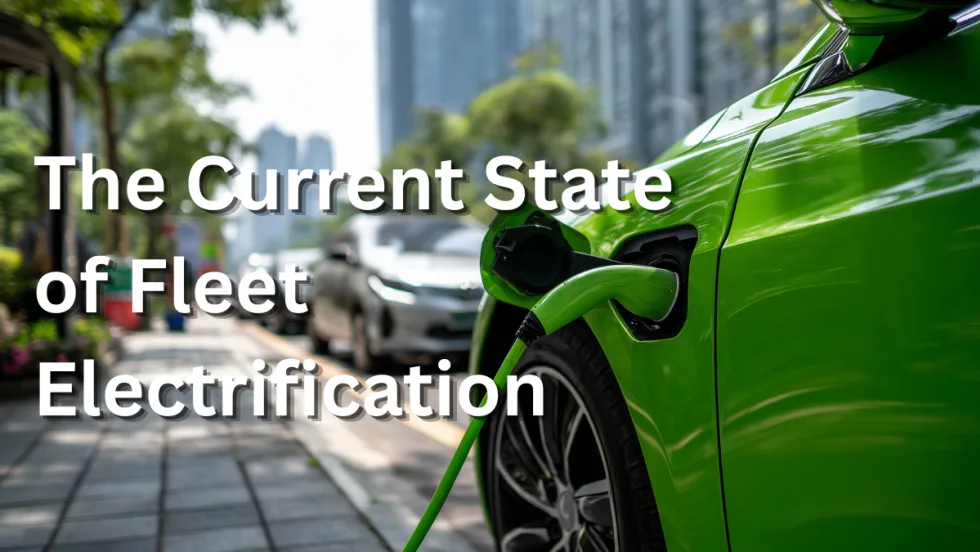
Merchants Fleet Reports 290M EV Miles as Fleets Navigate Changing Electrification Market
From millions in operating savings to hundreds of millions of EV miles, Merchants Fleet’s latest report reveals what’s working and what’s changing in fleet electrification.
Read More →
California District Commits to Electrify 25% of School Bus Fleet by 2028
One of the nation's largest school bus electrification projects to date demonstrates how grants, charging infrastructure, and public-private partnerships can help fleets transition to EVs at scale.
Read More →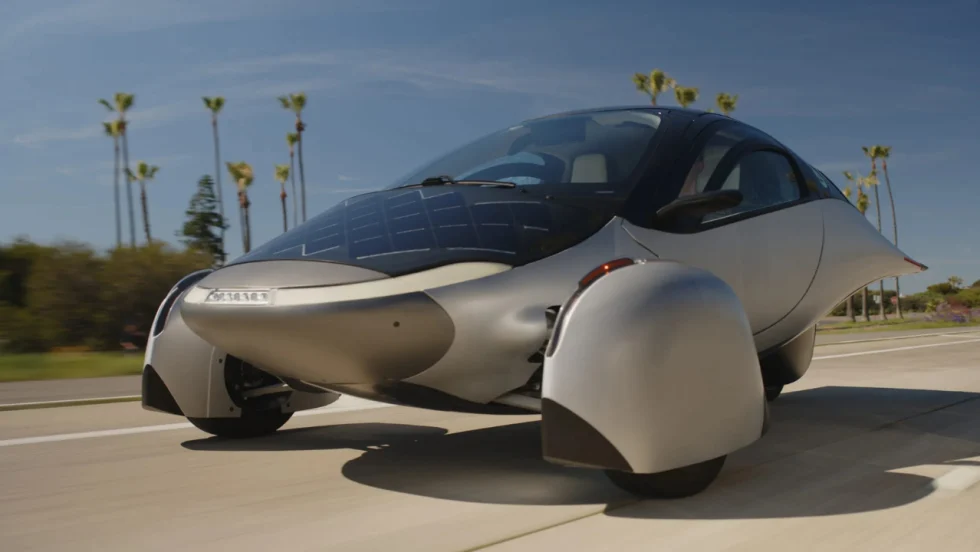
Aptera Orders Bodies and Chassis for Its First 40 Production Vehicles
Aptera Motors Corp. has issued purchase orders for the major structural components of its first 40 vehicles, and body and chassis components are expected to begin arriving in October.
Read More →