



Check Out:Registration Data Shows Remarkable Hybrid Powertrain Growth
Fleet Managers Cite Data as Major Hurdle in EV Transition, EVAI Survey Shows
Despite strong interest in EVs, fleet managers struggle with data needed to track costs and scale adoption.
April 16, 2025
The March 2025 online survey by EVAI, presented to more than 2,500 fleet executives, highlights the challenges and frustrations faced by today’s vehicle fleets in leveraging advanced data
Photo: Kindel Media via Pexels / Automotive Fleet
3 min to read
EVAI, a provider of AI-powered data analytics for fleet operations, released the results of its latest industry survey, revealing significant insights into the use of total cost of ownership (TCO) metrics and the current state of electric vehicle (EV) adoption among vehicle fleet managers.
The March 2025 online survey, presented to more than 2,500 fleet executives, highlights the challenges and frustrations faced by today’s vehicle fleets in leveraging advanced data for fleet TCO metrics and making informed decisions in converting from internal combustion engine (ICE) vehicles to EVs.
Fleet size remains relatively large, with many only partially through the EV adoption process or still weighing their options.
41% manage fleets with 51-100 vehicles
39% oversee fleets with more than 100 vehicles
41% have partially transitioned to EVs
40% are still exploring EV options
Cost and Infrastructure Keep Fleets on the Fence, ESG Goals and Savings Give Them a Push
Although there is a continued interest in EVs, fleets of all sizes struggle with the same obstacles:
High upfront vehicle costs (20%)
Charging infrastructure concerns (20%)
Uncertain resale value (20%)
However, some fleet managers see financial and environmental benefits but need help justifying the switch.
Lower operational costs (20%)
Sustainability and ESG goals (20%)
Government incentives (20%)
Fleets Lack the Proper Tools to Track TCO
An almost even split reveals some fleets are ahead with TCO tracking while others still lack the systems to monitor it effectively.
41% rigorously track TCO
40% need better tools to track it
The most important TCO cost factors are vehicle purchase price (29%) and charging infrastructure costs (21%)
Considering this, most fleets want to focus on long-term planning, but a lack of predictive data holds back investment.
70% consider long-term operational savings when evaluating EV investments
Energy and maintenance metrics lead the way when evaluating EV fleet performance:
Top KPIs: fuel/energy efficiency (21%) and maintenance costs (21%)
The Bottom Line
Fleet managers remain committed to electrification but say the lack of accessible, real-time data makes it hard to build a strong business case. Concerns about return on investment and operational disruption persist, especially without tools that provide visibility into long-term costs and performance.
If better data tools were available, a significant number of fleet managers would move more quickly toward electrification. Of fleet respondents, 41% are very likely to accelerate EV adoption if real-time TCO tools are available.
Fleet managers want more transparency on EV costs and battery performance over time to make informed decisions. Cost comparisons of EVs vs. ICE vehicles over time (41%) and predictive analytics on battery performance (39%) are the most needed data for making informed EV adoption decisions.
“Fleet managers are clearly committed to electrification, but they need better tools and insights to move forward confidently,” said Ian Gardner, founder and CEO of EVAI. “Our goal is to give them the advanced analytics they need to make informed decisions, select the right EV and charging solutions, and manage that ecosystem to deliver the promised ROI.”
About 61% of survey respondents said access to real-time data would directly help them optimize fleet operations, further underscoring the need for purpose-built tools to support EV transitions.
Topics:Electric FleetFleet electrificationEVsElectrificationEVAIElectric TrucksElectric VehiclesOperationsBatteries/Tech
Originally posted on Automotive Fleet
More Electric Vehicles
EV Charging Use Is Outpacing Infrastructure Growth
ChargePoint’s 2026 Charging Forward Report points to rising charger use, higher-powered charging, commercial vehicle electrification, and energy-management technology. Here’s what fleets should know.
Read More →
EV Realty Names Henrik Holland President as Charging Platform Expands
The former Prologis Mobility and Shell executive will help expand EV Realty’s truck charging business and move its power-first infrastructure model into autonomous vehicle depots and other fleet sectors.
Read More →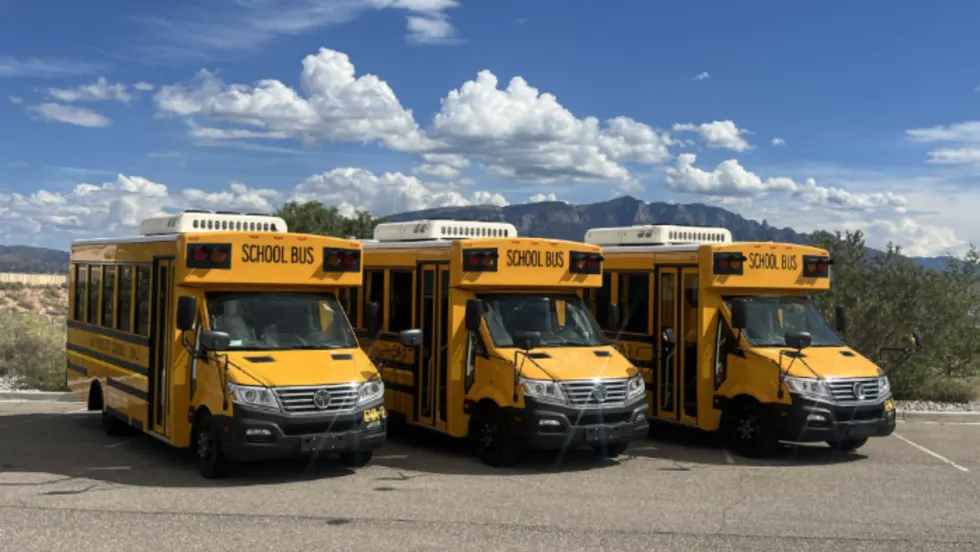
GreenPower Expands New Mexico EV Pilot With Larger Buses, V2G Testing
After logging more than 17,000 electric miles in the first year, New Mexico’s statewide pilot is moving into its second phase with larger vehicles, continued charging evaluations, and more.
Read More →
Can EV-as-a-Service Help Fleets Scale Electrification?
Sustainability Partners CEO Adam Cain explains how matching EVs, charging infrastructure, and duty cycles can help fleets scale electrification.
Read More →
How EV-as-a-Service Is Moving Fleets Beyond Pilots
Adam Cain, president and CEO of Sustainability Partners, explains how EV-as-a-service can help fleets scale deployments by addressing duty-cycle requirements and charging challenges.
Read More →
PowerFlex, The Mobility House Join Forces to Advance Fleet Electrification
Two EV charging providers are joining forces to deliver a broader portfolio of energy management and fleet electrification solutions.
Read More →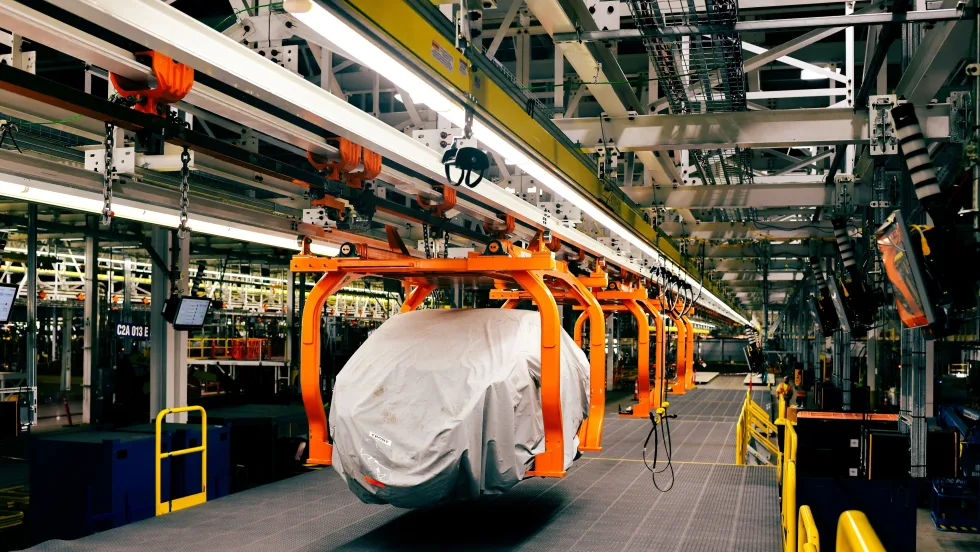
Ford Retools Louisville Plant for Fathom Electric Truck Production
Ford's $2 billion Louisville Assembly Plant overhaul introduces a three-part assembly process for the Fathom midsize electric truck, with production scheduled to begin in 2027.
Read More →
Merchants Fleet Reports 290M EV Miles as Fleets Navigate Changing Electrification Market
From millions in operating savings to hundreds of millions of EV miles, Merchants Fleet’s latest report reveals what’s working and what’s changing in fleet electrification.
Read More →
California District Commits to Electrify 25% of School Bus Fleet by 2028
One of the nation's largest school bus electrification projects to date demonstrates how grants, charging infrastructure, and public-private partnerships can help fleets transition to EVs at scale.
Read More →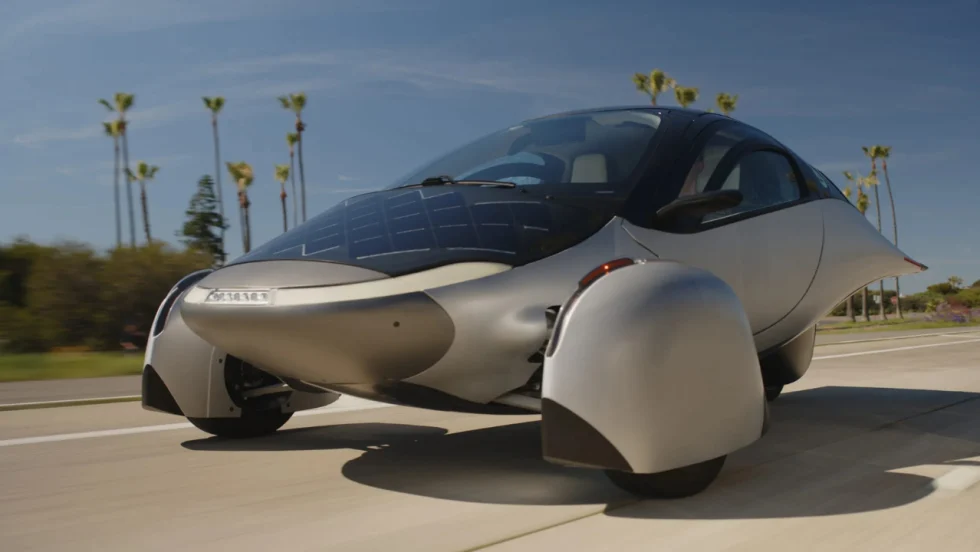
Aptera Orders Bodies and Chassis for Its First 40 Production Vehicles
Aptera Motors Corp. has issued purchase orders for the major structural components of its first 40 vehicles, and body and chassis components are expected to begin arriving in October.
Read More →