


EV Prices Decline in China; Climb in the U.S. and Europe
A new report looking at the global evolution of EVs sheds insight into pricing trends over the last 10 years, noting that OEMs in Europe and the U.S. must make more affordable EV offerings to keep up with their Chinese competitors.


The pricing of EVs in China has fallen by almost half since 2011, whereas in the U.S. and Europe, markets are seeing a rise in price over the same time period.
Photo by Mackenzie Ryder from Pexels
On August 19, JATO Dynamics announced its latest report on the evolution of the electric vehicle (EV) markets in China, the U.S. and Europe. The report explores EV pricing over the past 10 years, as well as the impact of government incentives on growth across these markets.
While governments and policymakers have undoubtedly become increasingly influenced by environmental issues and the green agenda in recent years, analysis in the report finds that not enough is being done to produce affordable EVs across several markets.
While the pricing of EVs in China — the world’s largest market for EVs — has significantly fallen by almost half (47%) since 2011, U.S. and European markets have seen prices rise over the same period, by 38% and 28% respectively.
China’s success in producing affordable EVs comes down to a number of factors, a JATO news release says, including its government’s decision to invest heavily in the domestic market from as early as 2009. Today, consumers in China can buy a brand new EV for as little as €3,700. In contrast, the average retail price for an EV in the U.S. continues to rise faster than any other major global market and now stands at €36,200, up from €26,200 in 2011.
Average retail prices today are highest in Europe. In May 2021, EVs were on average 52% more expensive than ICE cars in the U.K., and 54% more expensive in the Netherlands. In Germany, the average retail price of an EV is €39,755 compared to €36,979 for ICE vehicles. Norway is the only exception, where the average retail price for EVs is €44,500 compared to €53,000 for ICE cars.
Government incentives have been a vital factor supporting the automotive industry to offset the price gap between traditional cars and EVs. China’s commitment to the development of affordable EVs has strengthened the market to such an extent that its government is now in the process of phasing out incentives, while OEMs in Europe and the U.S. continue to rely on such schemes to boost their sales.
In the U.S., tax credits have accelerated the growth of the premium EV market, failing to help lower income buyers purchase EVs with OEMs yet to develop a truly affordable EV offering. Prioritizing environmental action in recent years, European governments have developed a range of incentivisation schemes including tax exemptions and purchase grants with varying success across the continent. For both the U.S. and Europe, it remains to be seen if rolling back these incentives will stimulate manufacturers to take action or see them fall behind competitors in China.
“China has been hugely successful in the race of EV leadership – growing and evolving their model ranges at incredible pace, which is a positive result of a number of factors working in tandem," Ye Qi, member of Volkswagen Sustainability Advisory Council, commented. "The urgent need to combat the country’s air pollution problem, the influence of visionary and entrepreneurial leadership, and the country’s significant financial subsidies all contributed to the impressive adoption rates seen in recent years. Looking ahead, as the climate crisis climbs even higher on government agenda, it’s more likely that Western countries will start to push EVs into the mainstream, with the same determination that China has done since 2013.”
Unless OEMs in Europe and the U.S. find avenues to create more affordable EV offerings, they run the risk of losing their home market advantage to Chinese competitors, Jato says in the news release. As the popularity of SUVs has continued to grow in Western markets, the segment looks set to be an important battleground for manufacturers seeking to establish themselves as leaders within the EV market. In the short term at least, government subsidies and incentives will continue to support EV sales, but for how long remains a crucial question for the industry.
David Krajicek, CEO at JATO Dynamics, said: “Governments and manufacturers have made significant progress over the last decade in expanding the EV market, however, the industry remains under pressure as it continues to adapt to the requirements of sustainability targets and shifting market forces. The incentivisation of EVs has supported Western manufacturers seeking to expand their offering as consumer demand has evolved, however, the industry’s key players must start to address the price gap between EVs and ICE cars if they are to remain competitive with their peers in China.”
Originally posted on Automotive Fleet
More Electric Vehicles
EV Charging Use Is Outpacing Infrastructure Growth
ChargePoint’s 2026 Charging Forward Report points to rising charger use, higher-powered charging, commercial vehicle electrification, and energy-management technology. Here’s what fleets should know.
Read More →
EV Realty Names Henrik Holland President as Charging Platform Expands
The former Prologis Mobility and Shell executive will help expand EV Realty’s truck charging business and move its power-first infrastructure model into autonomous vehicle depots and other fleet sectors.
Read More →
GreenPower Expands New Mexico EV Pilot With Larger Buses, V2G Testing
After logging more than 17,000 electric miles in the first year, New Mexico’s statewide pilot is moving into its second phase with larger vehicles, continued charging evaluations, and more.
Read More →
Can EV-as-a-Service Help Fleets Scale Electrification?
Sustainability Partners CEO Adam Cain explains how matching EVs, charging infrastructure, and duty cycles can help fleets scale electrification.
Read More →
How EV-as-a-Service Is Moving Fleets Beyond Pilots
Adam Cain, president and CEO of Sustainability Partners, explains how EV-as-a-service can help fleets scale deployments by addressing duty-cycle requirements and charging challenges.
Read More →
PowerFlex, The Mobility House Join Forces to Advance Fleet Electrification
Two EV charging providers are joining forces to deliver a broader portfolio of energy management and fleet electrification solutions.
Read More →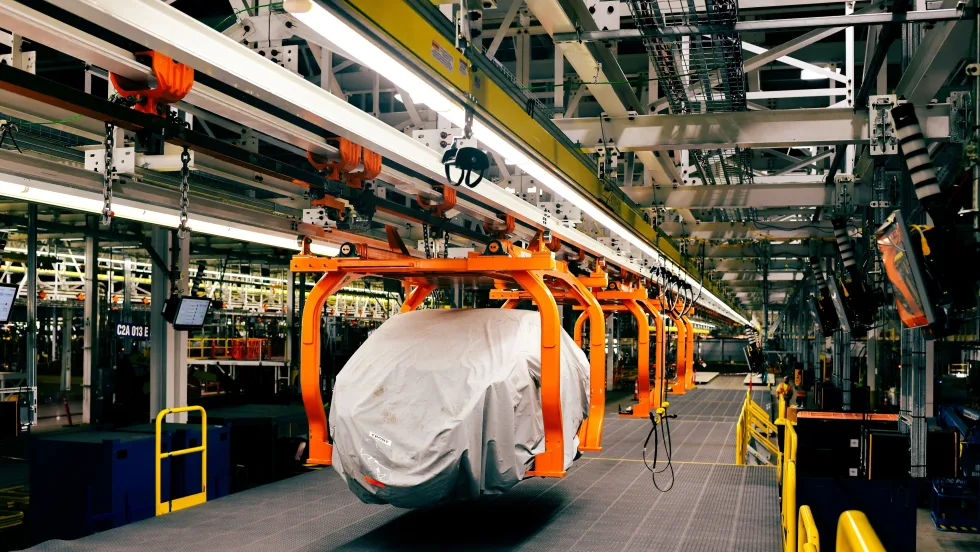
Ford Retools Louisville Plant for Fathom Electric Truck Production
Ford's $2 billion Louisville Assembly Plant overhaul introduces a three-part assembly process for the Fathom midsize electric truck, with production scheduled to begin in 2027.
Read More →
Merchants Fleet Reports 290M EV Miles as Fleets Navigate Changing Electrification Market
From millions in operating savings to hundreds of millions of EV miles, Merchants Fleet’s latest report reveals what’s working and what’s changing in fleet electrification.
Read More →
California District Commits to Electrify 25% of School Bus Fleet by 2028
One of the nation's largest school bus electrification projects to date demonstrates how grants, charging infrastructure, and public-private partnerships can help fleets transition to EVs at scale.
Read More →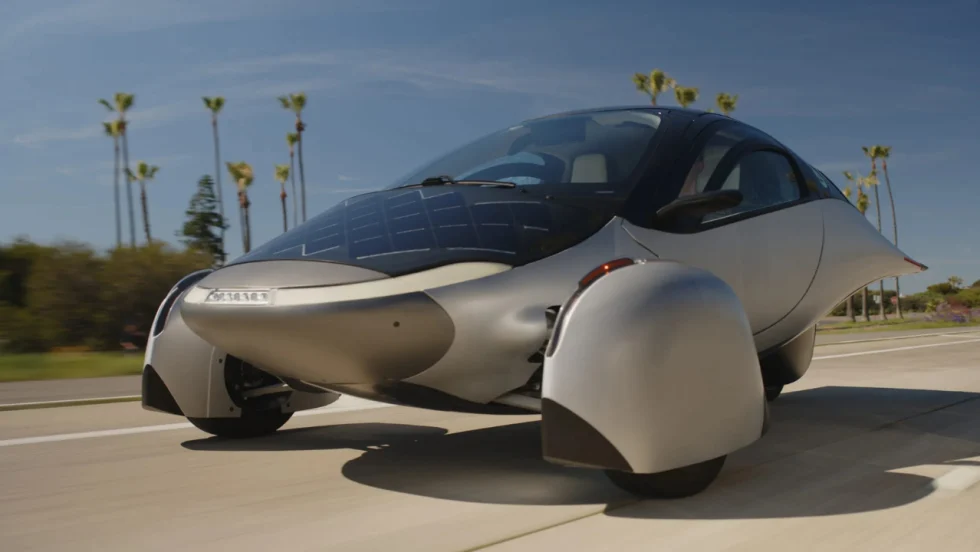
Aptera Orders Bodies and Chassis for Its First 40 Production Vehicles
Aptera Motors Corp. has issued purchase orders for the major structural components of its first 40 vehicles, and body and chassis components are expected to begin arriving in October.
Read More →