


EV Charging Shortage Spurs Start-Up Ready to Serve Fleets
A former founder and CEO of Fox Rent A Car fields a team to lead Bullet EV Charging Solutions in providing chargers, solar sources, and battery storage for commercial and residential customers.

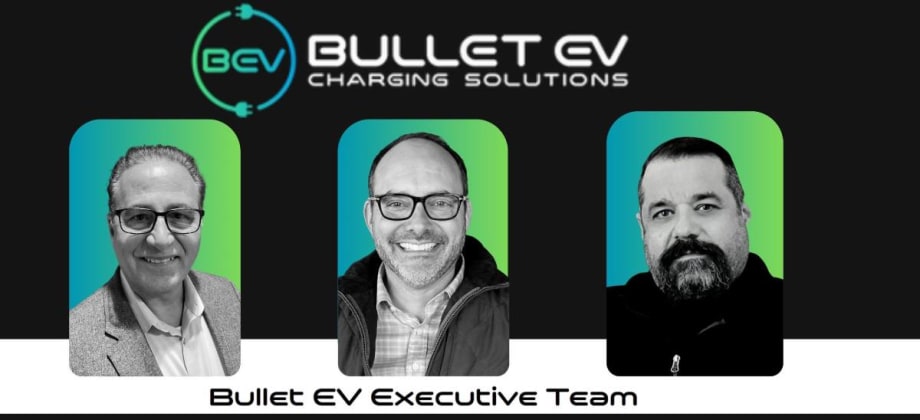
Leading execs (L to R) Co-CEO Allen Rezapour, co-founder and former Co-CEO of Fox Rent-A-Car; Co-CEO Andres Pinter, a former senior member of Ares Management’s investment team; and COO Mark Vogel, an expert in renewable energy and former SVP for ADT’s Solar division, all bring complementary backgrounds to their roles.
Photos: Bullet EV / Design: Canva/Bobit
Bullet EV Charging Solutions, a growing installer of electric vehicle chargers, solar panels, and battery storage systems, launched on July 31 to address three critical energy challenges: the scarcity of EV chargers, a strained power grid, and volatile electricity rates.
Headquartered in Austin, Texas with more than 50 full-time employees, the renewable services company is open for business first in Texas, Arizona, California, and Colorado with national expansion planned for 2024. As it expands, Bullet EV is expected to generate thousands of green-collar jobs nationwide.
The company is already on pace to generate annual revenue north of $20 million this year with positive cash flow from inception. Its offerings — EV charging station, solar panel, and storage installation, repair, and maintenance — are available to fleet, commercial, and residential customers.
A Leadership Team of Specialists
Behind Bullet EV is an experienced leadership team: Allen Rezapour, co-founder and former co-CEO of Fox Rent-A-Car, Andres Pinter, a former senior member of Ares Management’s investment team, and Mark Vogel, an expert in renewable energy and former SVP for ADT’s Solar division.
Rezapour, who was semi-retired after recently selling Fox to auto rental giant Europcar, has provided Bullet EV with the investment capital required for expedited growth.
Consumer demand and government incentives are fueling the need for more EV chargers — both commercial and residential — across the country, according to company executives.
Lining Up EV Charging Network
While Bullet EV specializes in the installation of EV charger infrastructure, its services also include installing solar panels and storage systems, along with ongoing maintenance and repair for each of its offerings.
Bullet EV has already partnered with several EV charging equipment providers including ChargePoint Holdings, Inc. (NYSE: CHPT) as a certified reseller and installer. ChargePoint is a leading provider of solutions for charging EVs from home and multifamily to workplace, parking, hospitality, retail, and transport fleets of all types.
The U.S. lacks adequate charging infrastructure in place to support the growing EV market, according to data from S&P Global Mobility. To accommodate forecasted EV sales demand, the number of EV chargers needs to quadruple between now and 2025 — and grow more than eight-fold by 2030.
“Current and projected demand for EV chargers is the catalyst for the formation of Bullet EV,” said Mark Vogel, chief operating officer of Bullet EV Charging Solutions, in a news release.
“The number of new electric vehicles sold in this country has been doubling every year. There are simply not enough chargers to accommodate the EVs that will be on the road.
“Our company is addressing the big picture — providing a combination of EV charging, solar and battery storage. Imagine being able to charge your car from the power you generated from your roof and stored in your own batteries. The ultimate goal is to allow our customers to achieve grid independence.”
Many forecasters estimate that up to half of U.S. new car sales will be electric vehicles by 2030, said Andres Pinter, Co-CEO of Bullet EV Charging Solutions.
“With various government and EPA deadlines fast approaching, Bullet EV will get ahead of the country’s EV charger problem,” Pinter said. “The issue is not only the alarming shortage of charging infrastructure. The existing EV chargers in place are not being routinely repaired and maintained.”
Government Pushing Demand for EV Chargers
Government mandates and incentives are providing tailwinds for the EV charger industry.
For example, by 2027, light-duty government vehicles will need to be emission-free per President Biden’s executive order. By 2035, California’s Advanced Clean Cars II rule will require all new car and light truck sales to be zero-emission vehicles.
The Inflation Reduction Act (IRA) greatly expanded federal tax credits to provide massive incentives for the expansion of the country’s EV charging infrastructure. The private sector is also digging deep to build out their own EV charger networks.
For example, seven major automakers recently announced they were forming a joint venture to roll out 30,000 EV chargers across the U.S. at an estimated cost of several billion dollars.
While the U.S. faces an increasingly strained grid, Bullet EV Co-CEO Allen Rezapour noted that electric vehicles, combined with solar and storage systems, can help alleviate the pressure on the country’s power infrastructure.
“Bullet EV focuses on renewables as a holistic, big-picture solution for homeowners and commercial customers,” Rezapour said. “The potential for this market is huge.”
More Charging
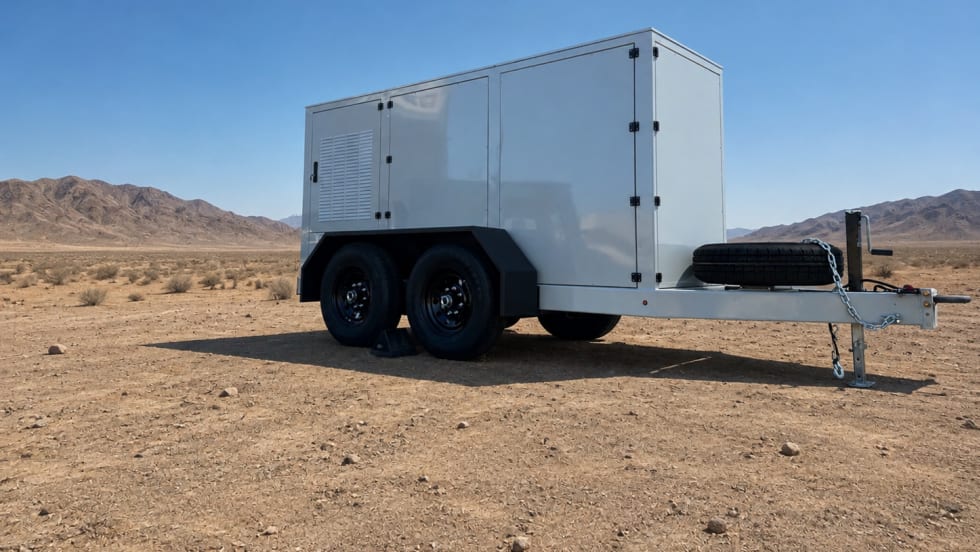
Xos Mobile Charging Hub Surpasses 1 GWh of Energy Delivered
As fleets electrify, charging capacity does not always arrive on the same timeline as the vehicles. Operating data from one Xos Hub shows how mobile, grid-independent charging can support vehicles when permanent infrastructure or utility upgrades aren't available.
Read More →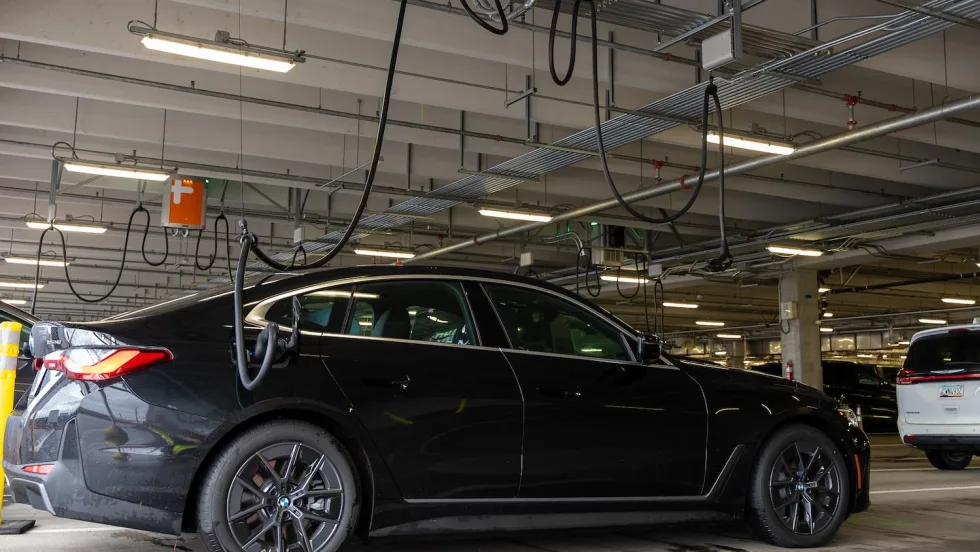
ChargePoint Adds Overhead EV Fast Charging at Portland International Airport
The installation can charge up to 20 rental vehicles simultaneously and uses overhead equipment to preserve ground-level space at the airport's Quick Turnaround Facility.
Read More →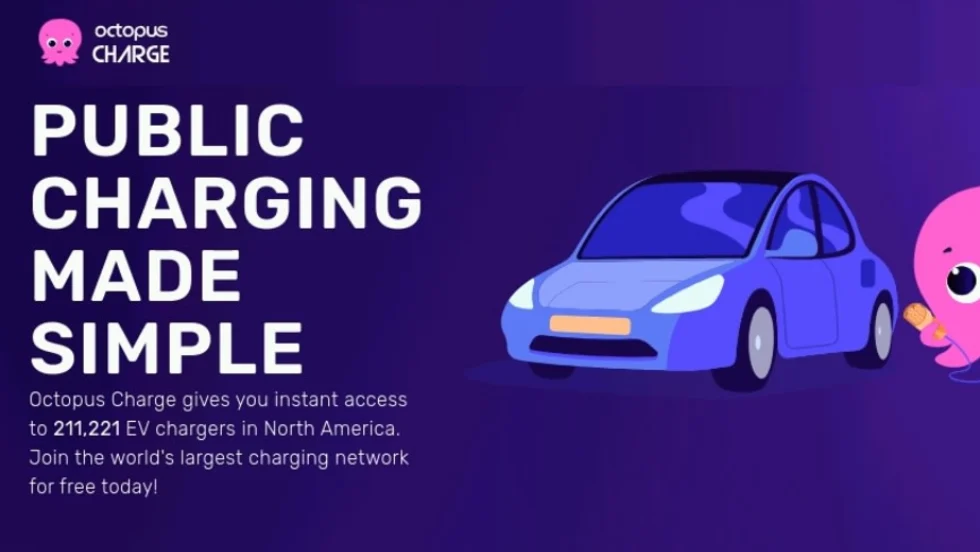
Octopus Energy Launches Public EV Charging App in U.S.
Octopus Charge allows EV drivers to locate and access public charging stations through a single app, building on the company's Electroverse platform in Europe.
Read More →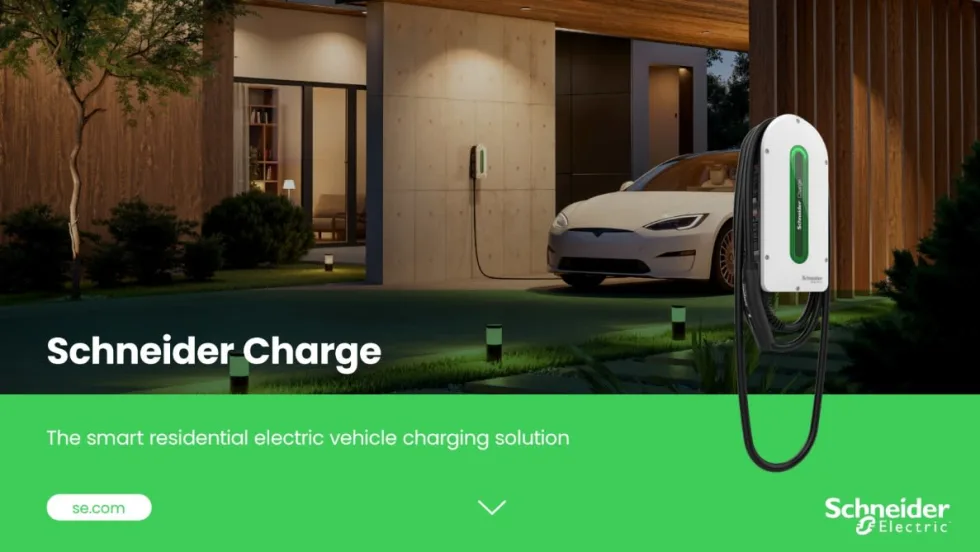
Schneider Electric Launches Level 2 Home EV Charger With Integrated Load Management
Schneider Charge uses integrated SmartAmp technology to adjust charging output based on household electrical demand and is available with NACS or J1772 connectors.
Read More →
Why EV Charging Reliability Is More Complicated Than It Looks
GridLink CEO Josh Silets explains what causes EV chargers to fail, why fleet operators often struggle to identify the source, and what questions they should ask charging vendors.
Read More →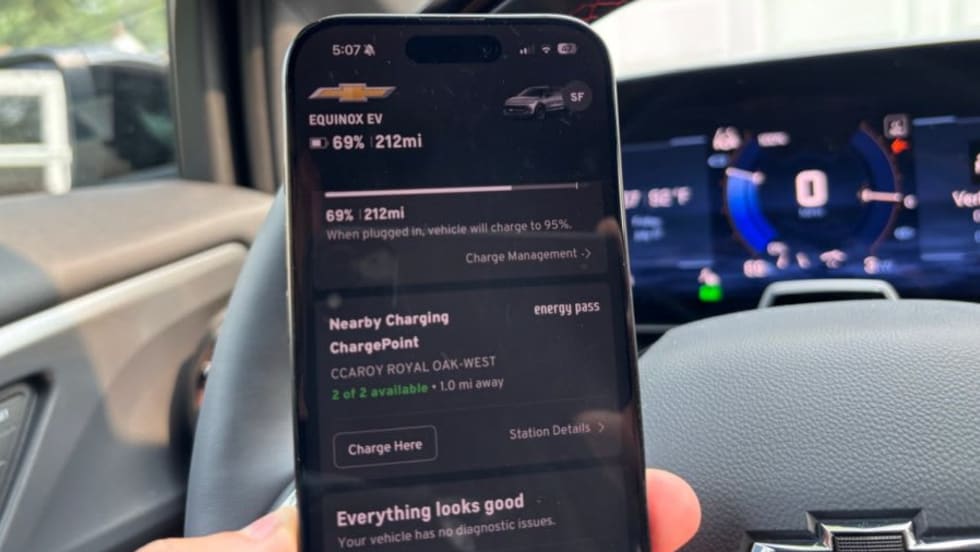
GM Adds ChargePoint Network to Energy Pass Platform
The integration gives GM EV drivers access to additional DC fast chargers and Level 2 stations through a single app while expanding the automaker's public charging ecosystem.
Read More →
Xos White Paper Asserts LA Olympics Will Lack Enough EV Chargers
The commercial EV fleet company recommends some faster and more flexible remedies to relieve the anticipated shortfall.
Read More →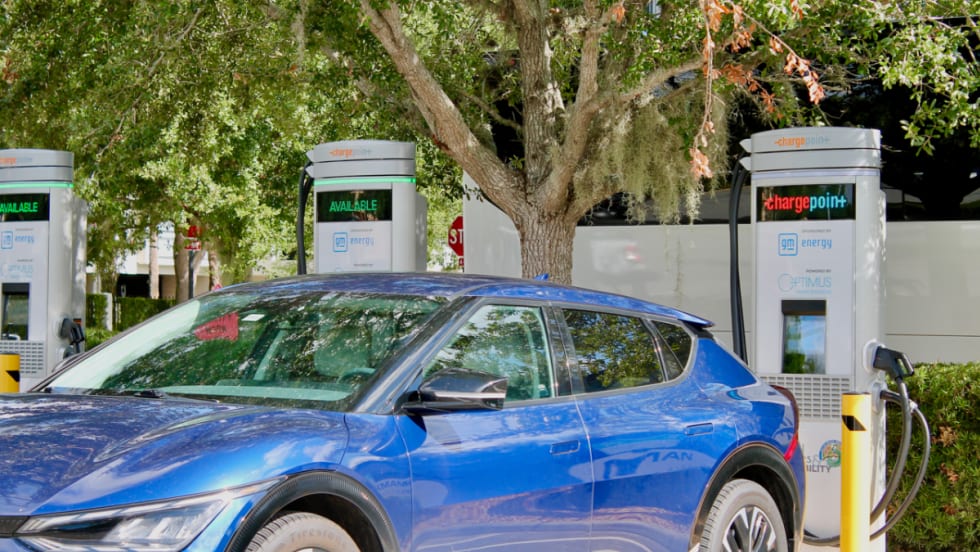
ChargePoint, Optimus Expand Fast-Charging Network Across Southeastern U.S.
ChargePoint will serve as the exclusive solutions provider, delivering hardware, software, and services to support Optimus’ growing charging network.
Read More →
Running A Profitable Electric Rental Fleet
How do you successfully operate an all-electric rental car fleet? Whether you manage a rental fleet or another commercial fleet, this conversation offers practical lessons on deploying, operating, and scaling electric vehicles.
Read More →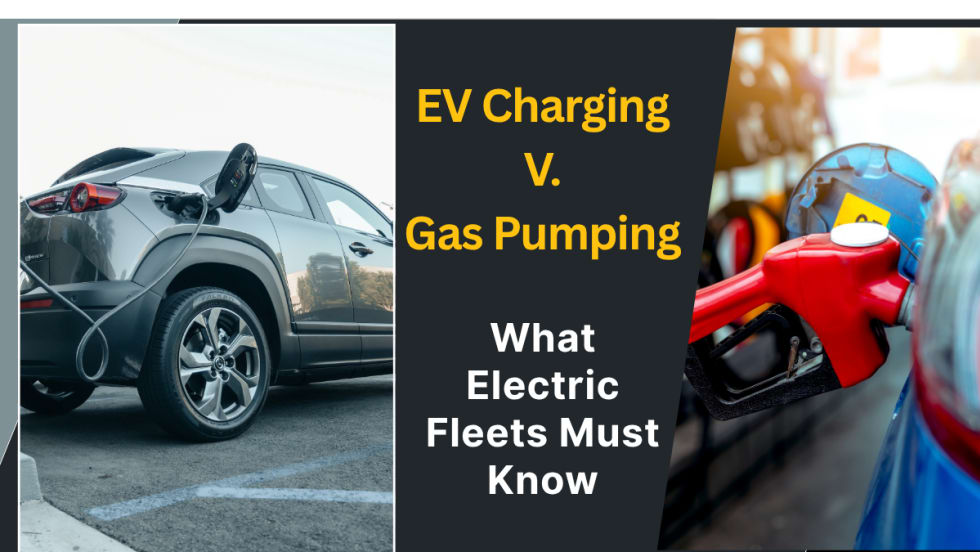
Why Charging May Never Be As Easy As Filling Up Gas
A seamless charge depends on a string of independent companies getting it right together, every time. How can electric fleets navigate the challenges to create a successful charging plan?
Read More →