



More News: ChargePoint and Wheels Donlen Partner to Support Fleet Electrification
ChargePoint Releases Report on Charging, Mobility Industry
With the tipping point for mass EV adoption approaching, the new report analyzes what’s driving the mobility revolution in North America and Europe.
June 6, 2022

The report covers EV sales, the market ecosystem, myths busted, predictions for the next five years and a look forward, including new policies and sustainability progress.
Image: ChargePoint
3 min to read
ChargePoint today announced the publication of its 2022 Charging Forward Report, providing businesses, fleets, and property owners with a broad look at how they can participate in the new fueling network. The report reviews the EV industry over the last five years, ChargePoint’s predictions for the next five years and beyond, and the key factors ChargePoint believes is driving EV adoption across North America and Europe.
According to the company, this year’s Charging Forward revisits bold predictions made in the 2017 edition when ChargePoint offered its five-year market outlook, successfully projecting industry growth and a broader commitment to electric vehicles at a global level. According to BloombergNEF data, global passenger EV sales more than doubled from 2020 to 2021, and as of last year, every one in 10 new vehicles sold was an EV.
Charging Forward also outlines ChargePoint’s predictions for the coming years, including a global tipping point for EV adoption within the next decade, rapid growth in home charging adoption, as well as broader positive impacts ChargePoint anticipates the shift to electrification will have on everyday lives.
Among some of the report's findings:
BNEF predicts that passenger EV sales will exceed 14 million in 2025, an increase of more than 100% from 2021.
EV sales across the United States and Canada grew by more than 90% YoY and over 60% YoY in Europe, reaching over 3 million EVs cumulatively sold across the two regions.
Over 80% of charging worldwide takes place at home.
An average EV owner can expect to save $9,000 in fuel costs and $4,600 on maintenance over the 200,000-mile lifetime of an EV.
Since 2007, ChargePoint has delivered over 113 million charges, equivalent to 3.6 billion miles driven on electricity and counting.
“We believe mobility is in the midst of its greatest transformation in generations, and mass EV adoption is closer today than ever before,” said Colleen Jansen, chief marketing officer, ChargePoint. “Charging Forward provides business, fleets, property owners, and drivers with a broad look at how the market has grown, where it stands today, where ChargePoint believes it’s going in the next five years, and responds to many of the common myths facing the industry. As more industries and consumers embrace EVs, we believe the greater the need for hardware and software solutions that ensure everyone who needs to charge has access."
In the last five years, automakers have embraced the shift toward electric mobility, making significant investments to develop and produce new EV models. In the same time period, ChargePoint grew its network in line with driver demand to simplify the transition to electric mobility, according to the news release. Today, a driver plugs in to the ChargePoint network every second or less. Additionally, major fleet operators have invested in fleet electrification, driving growth in sessions delivered on the ChargePoint network to electric fleets by more than 200% since 2017, the announcement noted.
Originally posted on Automotive Fleet
More Charging
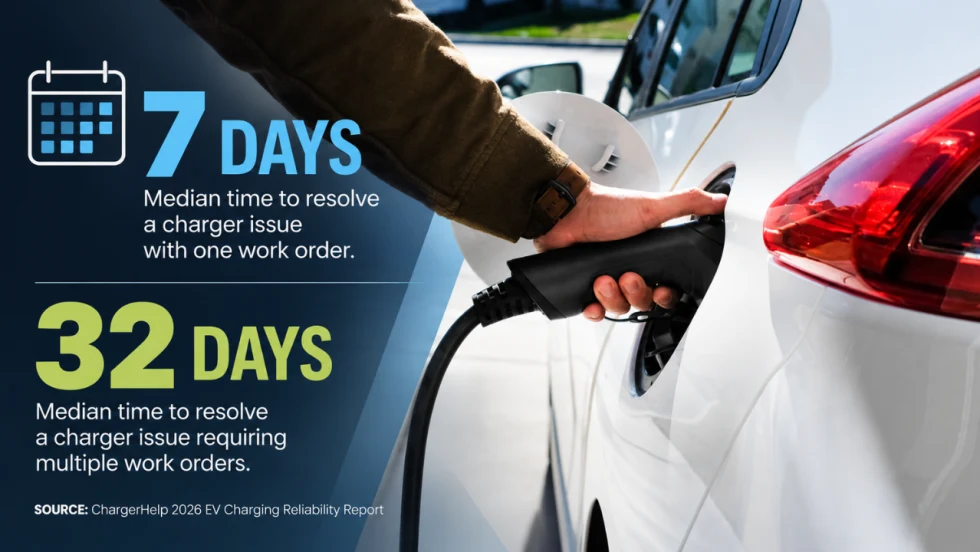
What Happens When an EV Charger Goes Down at Your Fleet Depot?
A failed EV charger can disrupt routes, delay vehicles, and create unexpected costs. Here's how fleets can troubleshoot problems, arrange backup charging, and minimize downtime.
Read More →
California Opens $28 Million in EV Fast-Charging Incentives
The Fast Charge California Project offers up to $100,000 per charging port for eligible, ready-to-build public charging projects, with applications open through Jan. 14, 2027.
Read More →
Honda Develops In-Motion Wireless EV Charging Technology for Commercial Vehicles
Honda, Taisei and Taisei Rotec are developing a road-embedded wireless charging system capable of transferring up to 150 kW, with public-road testing planned in Japan beginning in fiscal 2027.
Read More →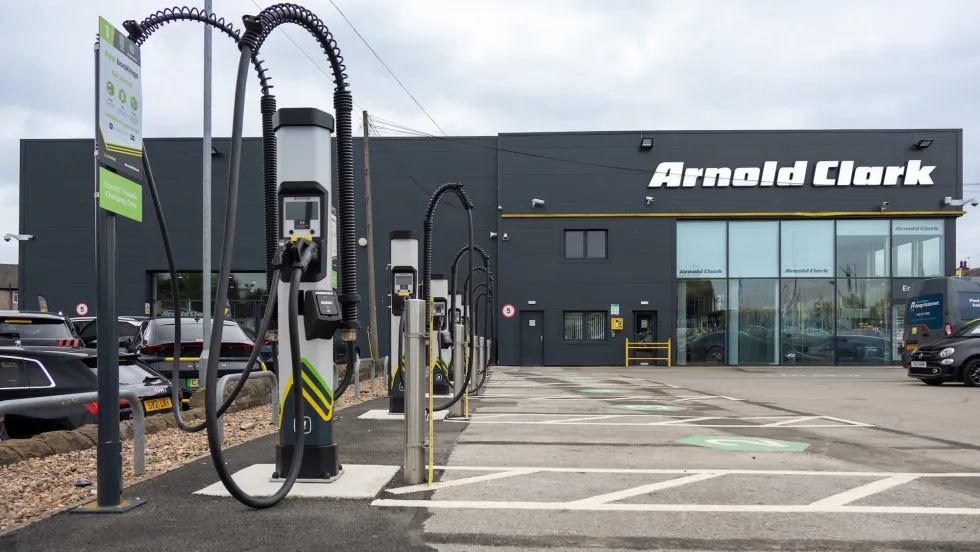
Arnold Clark Charge Opens Six Ultra-Rapid EV Chargers in Huddersfield
The new public charging site brings the Arnold Clark Charge network to 63 locations across the U.K., with charging priced at 55 pence per kWh.
Read More →
ChargerHelp Report Finds EV Charger Recovery Delays Can Stretch Beyond a Month
An analysis of approximately 500 million data points found charging issues requiring multiple work orders took a median of 32 days to resolve, highlighting the operational impact of diagnostics and repair coordination.
Read More →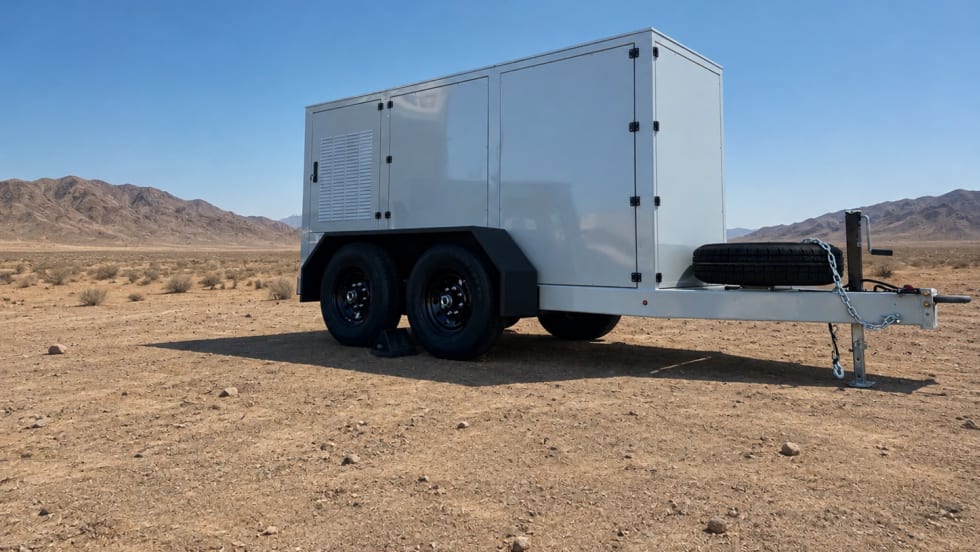
Xos Mobile Charging Hub Surpasses 1 GWh of Energy Delivered
As fleets electrify, charging capacity does not always arrive on the same timeline as the vehicles. Operating data from one Xos Hub shows how mobile, grid-independent charging can support vehicles when permanent infrastructure or utility upgrades aren't available.
Read More →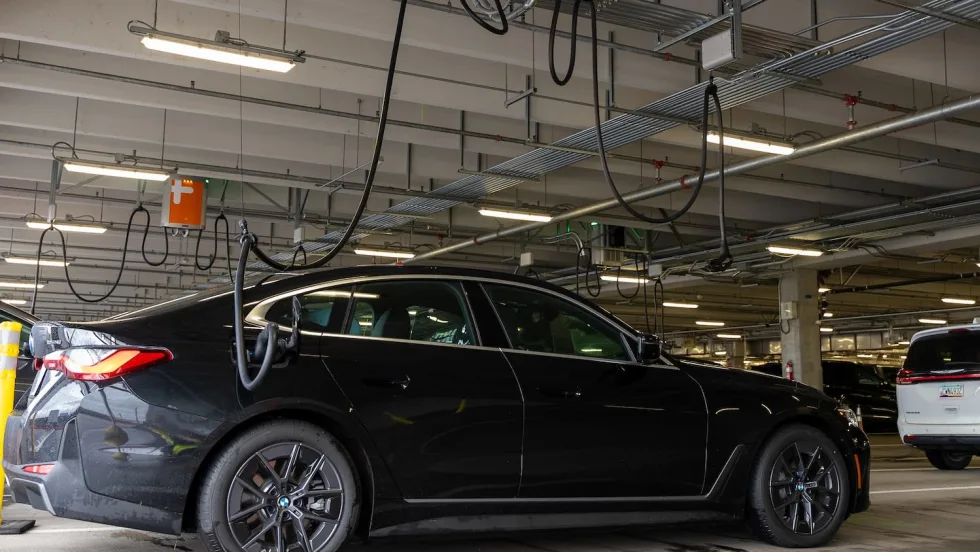
ChargePoint Adds Overhead EV Fast Charging at Portland International Airport
The installation can charge up to 20 rental vehicles simultaneously and uses overhead equipment to preserve ground-level space at the airport's Quick Turnaround Facility.
Read More →
Octopus Energy Launches Public EV Charging App in U.S.
Octopus Charge allows EV drivers to locate and access public charging stations through a single app, building on the company's Electroverse platform in Europe.
Read More →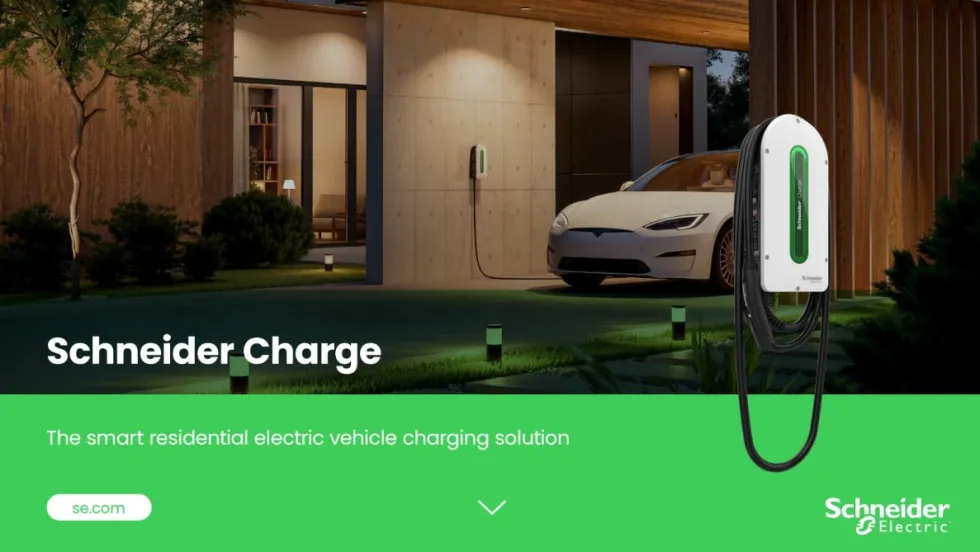
Schneider Electric Launches Level 2 Home EV Charger With Integrated Load Management
Schneider Charge uses integrated SmartAmp technology to adjust charging output based on household electrical demand and is available with NACS or J1772 connectors.
Read More →
Why EV Charging Reliability Is More Complicated Than It Looks
GridLink CEO Josh Silets explains what causes EV chargers to fail, why fleet operators often struggle to identify the source, and what questions they should ask charging vendors.
Read More →