


Aptera Orders Bodies and Chassis for Its First 40 Production Vehicles
Aptera Motors Corp. has issued purchase orders for the major structural components of its first 40 vehicles, and body and chassis components are expected to begin arriving in October.

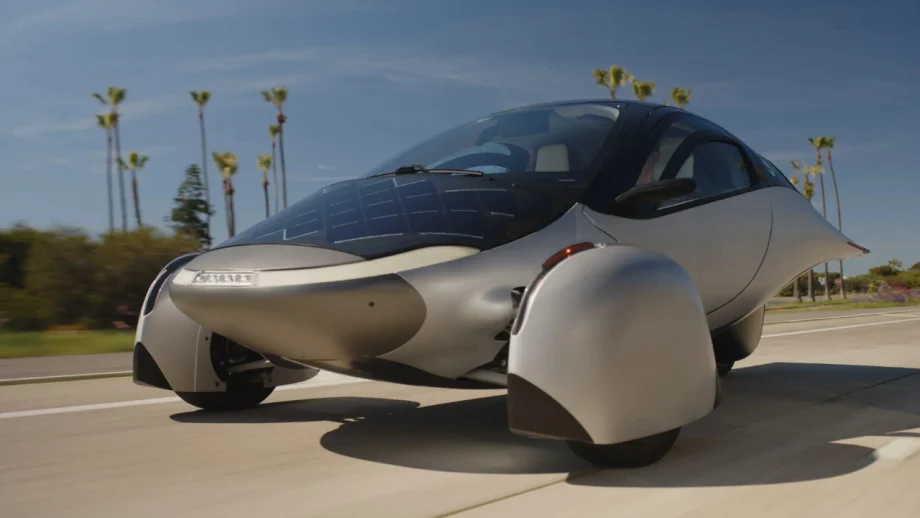
Aptera’s flagship vehicle is conceived as a solar electric vehicle that leverages breakthroughs in aerodynamics, materials science, and solar technology.
Aptera
- Aptera Motors Corp. has issued purchase orders for the structural components necessary for its initial set of 40 vehicles.
- The components ordered include the body and chassis, which are integral to the vehicle's construction.
- The arrival of these components is scheduled to commence in October, marking a significant step towards vehicle production.
*Summarized by AI
Aptera Motors Corp., a solar mobility company advancing ultra-efficient transportation, has issued purchase orders for the major structural components of its first 40 vehicles. The orders represent a significant step in the company’s transition from validation builds toward production.
Aptera’s flagship vehicle is conceived as a solar electric vehicle that leverages breakthroughs in aerodynamics, materials science, and solar technology to achieve new levels of efficiency.
The purchase orders cover two of the vehicle’s largest structural assemblies: the body and the chassis, including its frame and suspension.
Unlike the validation vehicles Aptera built to test and refine its solar electric vehicle design, these components are intended for the company’s first production vehicles, which are expected to include the first vehicles delivered to customers.
Deliveries of body and chassis components are expected to begin in October, supporting Aptera’s plan to reach start of production. Aptera said it continues to execute on its financing plans to be able to fund the production ramp.
“Issuing purchase orders for body and chassis components intended for production vehicles is an important step as we work to move from validation to production,” said Chris Anthony, Co-CEO of Aptera. “These parts are intended for our first customer vehicles.”
Committing to these components reflects confidence in both the vehicle design and its supply chain, the company said. Aptera’s engineering team has spent recent months refining the body and chassis specifications based on learnings from its validation builds, and that work is now reflected in the production vehicle parts on order. Aptera has also received and taken into inventory solar cells for more than 100 vehicles, adding to the growing list of parts the Company has secured in preparation for production.
“Seeing our body and chassis suppliers reach these milestones on parts intended for production vehicles is an encouraging sign,” said Steve Fambro, Co-CEO of Aptera. “We continue to work with focus toward the start of production.”
Securing the Remaining Components
Aptera expects to secure the remaining components for its first vehicles in the coming months, supporting its plan to reach the start of production. The company also said it is working diligently to complete the necessary tests to secure final regulatory approvals to be able to sell its vehicles commercially.
More Electric Vehicles

FedEx Orders 2,000 Harbinger Electric Trucks in $300 Million Deal
The Class 5 and 6 electric trucks are planned for delivery by the end of 2027 and will be deployed in FedEx pickup and delivery operations across the U.S. and Canada.
Read More →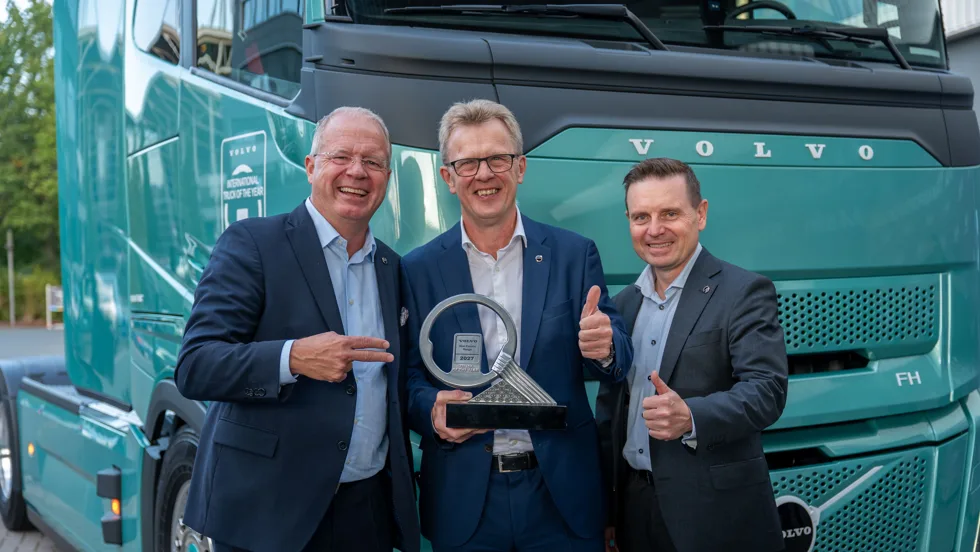
Volvo Trucks’ Electric Range Named International Truck of the Year 2027
The award recognizes Volvo’s global heavy-duty electric lineup, while more than 750 VNR Electric trucks have accumulated nearly 37 million miles in U.S. and Canadian fleet operations.
Read More →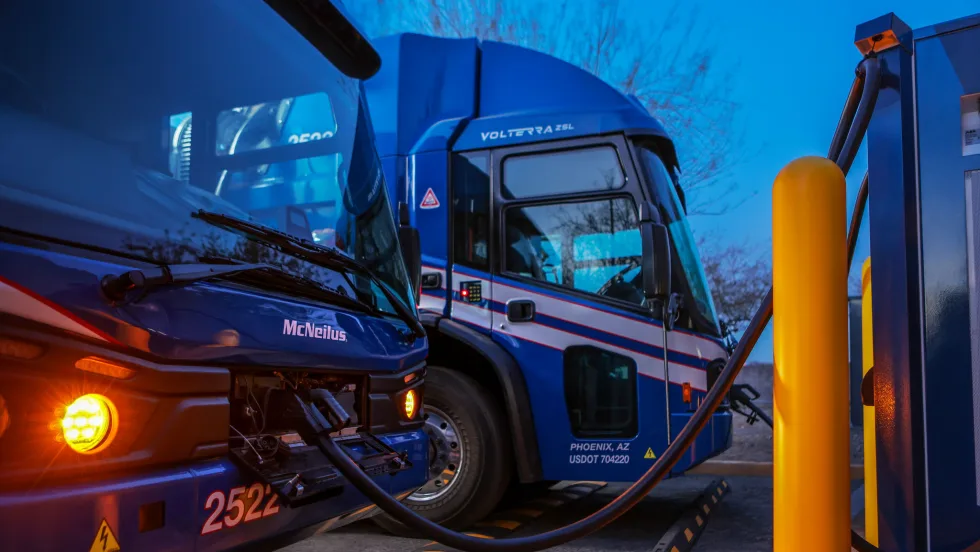
How Republic Services Decides Where Its Next Electric Trucks Can Go
With 250 electric collection trucks now in service, Republic Services is learning that scaling electrification depends less on proving the vehicle and more on whether each site can support what comes next.
Read More →
EV Charging Use Is Outpacing Infrastructure Growth
ChargePoint’s 2026 Charging Forward Report points to rising charger use, higher-powered charging, commercial vehicle electrification, and energy-management technology. Here’s what fleets should know.
Read More →
EV Realty Names Henrik Holland President as Charging Platform Expands
The former Prologis Mobility and Shell executive will help expand EV Realty’s truck charging business and move its power-first infrastructure model into autonomous vehicle depots and other fleet sectors.
Read More →
GreenPower Expands New Mexico EV Pilot With Larger Buses, V2G Testing
After logging more than 17,000 electric miles in the first year, New Mexico’s statewide pilot is moving into its second phase with larger vehicles, continued charging evaluations, and more.
Read More →
Can EV-as-a-Service Help Fleets Scale Electrification?
Sustainability Partners CEO Adam Cain explains how matching EVs, charging infrastructure, and duty cycles can help fleets scale electrification.
Read More →
How EV-as-a-Service Is Moving Fleets Beyond Pilots
Adam Cain, president and CEO of Sustainability Partners, explains how EV-as-a-service can help fleets scale deployments by addressing duty-cycle requirements and charging challenges.
Read More →
PowerFlex, The Mobility House Join Forces to Advance Fleet Electrification
Two EV charging providers are joining forces to deliver a broader portfolio of energy management and fleet electrification solutions.
Read More →
Ford Retools Louisville Plant for Fathom Electric Truck Production
Ford's $2 billion Louisville Assembly Plant overhaul introduces a three-part assembly process for the Fathom midsize electric truck, with production scheduled to begin in 2027.
Read More →