


Author Bio: Reid Zaritsky is Senior Vice President of Capital Auto Auction, a family-run business since 1988 that focuses on finding the right vehicles for families of all sizes. Zaritsky has been with the company since 2009 and has a background in science and engineering. This article was authored and edited following Charged Fleet editorial standards and style. Opinions expressed may not reflect those of CF.
Selling Your Fleet EVs? What to Check Before They Hit the Market
Buyers want more than mileage. From battery health to charging readiness, learn what to check before selling your fleet EVs and where prep costs can add up.
by By Reid Zaritsky, Capital Auto Auction
November 16, 2026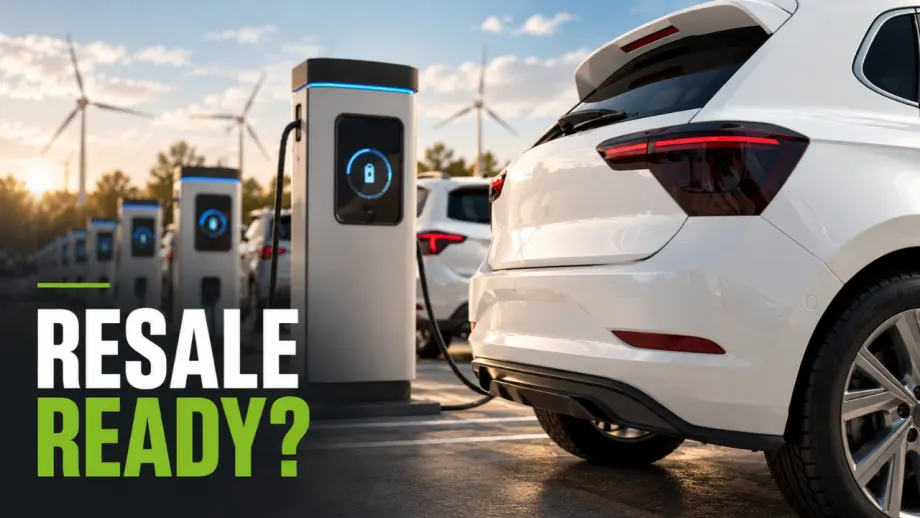
Preparing fleet EVs for resale goes beyond mileage and appearance. Battery health, charging functionality, and maintenance records help buyers assess condition, while careful reconditioning decisions help fleets manage remarketing costs.
Credit:
Charged Fleet
8 min to read
- Buyers are interested in more than just the mileage of fleet EVs; aspects like battery health are crucial.
- Ensuring charging readiness of the EVs is essential before selling.
- Preparation costs for selling fleet EVs can add up in multiple areas.
*Summarized by AI
As commercial and public sector fleets continue to adopt electric vehicles (EVs), fleet operators must also consider what happens when they retire these vehicles from active service. Whether replacing older models, updating fleet specifications, or adjusting operational needs, organizations need a plan for preparing decommissioned EVs for the secondary market.
Remarketing EVs involves considerations beyond those associated with conventional internal combustion engine vehicles. Battery condition, charging functionality, software updates, and available maintenance records can all influence buyer confidence and potential resale value. Without adequate preparation, fleet operators may struggle to communicate a vehicle’s condition or determine which repairs are worth completing before sale.
Assess Vehicle Condition Before Beginning the Remarketing Process
Preparing a decommissioned EV for resale begins with a thorough condition assessment. Fleet managers should inspect each vehicle for mechanical concerns, visible damage, and issues that could affect marketability.
A general inspection should cover:
- Exterior body panels and interior components.
- Tires, brakes, suspension, and other mechanical systems.
- Mileage, dashboard warning indicators, and available diagnostic trouble codes.
EV-specific components require additional attention. The high-voltage battery, charging equipment, electrical systems, and thermal management components can influence the vehicle’s performance and value. Appropriately trained technicians should evaluate any suspected high-voltage system problems.
Documenting the vehicle’s condition provides a starting point for determining which repairs are necessary and which cosmetic issues prospective buyers may accept.
Evaluate Battery Health and Remaining Capacity
Battery condition is among the most important considerations when preparing a used EV for resale. Prospective buyers may want to understand how much usable battery capacity remains and how the vehicle’s performance compares with its original specifications.
Battery state of health (SOH) generally indicates how a battery’s current condition compares with its condition when new, often expressed as a percentage of its original usable capacity. This differs from state of charge (SOC), which indicates how much of the battery’s available capacity is currently charged.
Battery health can change over time due to age, operating conditions, charging practices, and other factors. However, mileage alone does not fully reflect battery condition.
When available, fleet operators should obtain battery health information through manufacturer diagnostic systems or qualified third-party assessments. The type and detail of information accessible may vary by manufacturer, vehicle model, and diagnostic method.
Include available battery health reports in the vehicle’s remarketing documentation to help buyers evaluate its condition and remaining capabilities. Actual driving range depends on factors such as temperature, vehicle load, driving conditions, and energy consumption. A battery health percentage does not guarantee a particular driving range or future performance.
Compile Complete Maintenance and Vehicle History Records
Maintenance documentation can help prospective buyers evaluate how a fleet EV was operated and maintained throughout its service life. Fleet operators should gather available records of scheduled maintenance, inspections, mechanical repairs, and component replacements.
Documentation involving battery-related repairs, charging equipment, and electrical systems may be particularly useful when evaluating a used EV.
Review accident history and previous damage, too. Significant repairs, including those involving structural components or high-voltage systems, may affect how buyers assess the vehicle. In addition, make sure you check for open safety recalls and applicable manufacturer service campaigns. When recall repairs or other required service work are completed, retain supporting documentation.
Warranty information is another important consideration. Some EVs may have remaining coverage for battery systems or other components, but warranty terms and transferability vary by manufacturer. Fleet operators should confirm applicable coverage before making statements about warranty benefits.
Inspect Charging Systems and Electrical Components
Charging functionality matters to prospective EV buyers. Evaluate a vehicle’s charging equipment and electrical systems before it enters the secondary market.
Inspect charging ports for visible damage, corrosion, debris, or excessive wear. Also examine the charging cables and connectors included with the vehicle for damaged insulation, worn components, or other concerns.
The vehicle’s supported charging standards, connector types, and charging capabilities should be accurately documented. Compatibility varies by model, model year, and available adapters, so buyers need to know which charging equipment the vehicle supports.
Charging functionality should be tested using compatible equipment and personnel qualified to perform the applicable checks. Depending on the vehicle’s capabilities and available equipment, this may include testing supported AC charging and DC fast charging functions. These checks can help identify charging interruptions, warning messages, or other issues that require attention.
Fleet operators should also review the low-voltage battery condition and related electrical components. Problems in these systems can affect vehicle operation even when the high-voltage battery functions normally.
High-voltage electrical systems present serious safety risks. Inspections and repairs involving these components should be performed only by technicians with appropriate training and equipment.
Review Software Updates and Vehicle Technology
Software plays an important role in EV operation. Depending on the manufacturer and model, software can influence battery management, charging behavior, vehicle controls, and driver-assistance features.
Before remarketing, fleet operators should review available manufacturer software and firmware updates. Address required updates, recall-related software repairs, and outstanding service requirements as applicable, and evaluate optional updates based on their relevance to vehicle functionality and resale preparation.
Also evaluate vehicle technology for proper operation. This may include infotainment systems, navigation equipment, driver-assistance features, and other electronic components.
Some EV features depend on subscriptions, connected services, or manufacturer accounts. Fleet operators should determine whether these services remain available after ownership changes and avoid promising features that may require separate activation or payment. Accurate documentation of software status and available features can help buyers understand the vehicle’s capabilities.
Complete Necessary Mechanical and Cosmetic Reconditioning
Reconditioning can improve a vehicle’s appeal, but fleet operators should evaluate whether the expected benefit justifies the investment. Mechanical and safety-related concerns generally deserve greater attention than minor cosmetic imperfections. Inspect tires, brakes, steering, suspension, and other components for problems that could affect safe operation.
EV-specific systems may also require attention. Where applicable, evaluate battery cooling and thermal management components according to manufacturer maintenance recommendations.
Cosmetic preparation may include repairing visible body damage, addressing interior wear, replacing damaged trim, and completing professional cleaning or detailing.
However, extensive cosmetic work does not always produce a corresponding increase in resale value. Older or higher-mileage fleet vehicles may already be expected to show signs of normal commercial use.
Before approving repairs, fleet managers should compare estimated expenses with the potential increase in resale proceeds. They should also account for repair-related downtime, parts availability, and any additional costs associated with delaying the vehicle’s planned sale.
Prepare Vehicle Documentation and Ownership Records
Accurate ownership documentation is essential when transferring decommissioned EVs to new owners. Fleet operators should verify vehicle identification numbers (VINs), titles, registration records, and applicable lien releases. Any discrepancies should be addressed before the vehicle is listed for sale.
Commercial and public sector fleets may also have internal approval procedures or legal requirements governing vehicle disposal. For example, government-owned vehicles may be subject to specific surplus property rules or documentation requirements.
Organizations should confirm whether any inspections, ownership transfer requirements, or other administrative obligations apply to the transaction. Requirements vary by jurisdiction and vehicle classification. Available keys, manuals, charging accessories, and other equipment should be accounted for before sale. A complete inventory clarifies what transfers with the vehicle and reduces the risk of disputes.
Protect Vehicle Data and Remove Fleet-Specific Information
Modern EVs can store information through connected-vehicle systems, navigation apps, and fleet management technology. Before transferring ownership, fleet operators should review stored navigation destinations, paired mobile devices, driver profiles, and other potentially sensitive information.
Manufacturer procedures should be followed when removing personal information or resetting applicable vehicle systems. Review fleet-specific telematics accounts for deactivation or transfer, and remove aftermarket tracking devices when appropriate.
For public sector fleets, additional attention may be needed when vehicles have supported government operations or contain sensitive organizational information. Fleet operators should follow applicable data retention and security policies before deleting stored information or transferring ownership.
Determine an Appropriate Resale Price and Remarketing Channel
Pricing a decommissioned EV requires evaluating its condition alongside current secondary-market demand. Battery health, mileage, vehicle age, maintenance history, charging capabilities, and remaining warranty coverage can all influence buyer interest. Vehicle specifications and available equipment may also affect how a particular model compares with similar vehicles on the market.
Fleet operators should review comparable used EV sales when establishing pricing expectations. As EV technology continues to develop, older vehicles may compete with newer models that offer different charging capabilities, battery performance, or features.
Selecting an appropriate remarketing channel is another important consideration. Depending on the vehicle and fleet’s objectives, options may include dealer transactions, wholesale sales, and online vehicle auctions.
Used car online auctions are one option for remarketing passenger vehicles retired from commercial or public sector fleets. The suitability of this approach depends on factors such as vehicle condition, buyer demand, transaction requirements, and the organization’s disposition goals.
Fleet operators should compare available channels based on expected net proceeds, administrative requirements, and the time needed to complete the sale.
Present Accurate Vehicle Information to Prospective Buyers
Clear vehicle descriptions help prospective buyers evaluate decommissioned EVs before deciding to buy. Listings should include:
- Accurate mileage, model specifications, and overall condition.
- Available maintenance information.
- Reliable battery health results, including the assessment method and testing date, when available.
- Charging connector types, supported charging capabilities, and included accessories.
Accurately disclose known mechanical problems, cosmetic damage, outstanding service concerns, and relevant warning indicators. Omitting important information can create uncertainty and complicate the transaction.
Photographs should clearly show the vehicle’s exterior, interior, charging port, and relevant equipment. Images of visible damage can help buyers better understand the vehicle’s condition.
Establish a Consistent EV Decommissioning and Remarketing Process
Commercial and public-sector fleet operators can benefit from standardized procedures to prepare EVs for resale. A consistent process should define responsibilities for vehicle inspections, battery assessments, charging system evaluations, maintenance documentation, and reconditioning decisions.
Fleet managers should also establish criteria for determining which repairs are financially worthwhile. Comparing preparation costs with expected resale proceeds can help organizations avoid unnecessary spending.
Coordination among maintenance teams, fleet administrators, and remarketing personnel is especially important when multiple vehicles are retired in a short period.
Organizations should maintain records of preparation expenses, vehicle condition, and final sale results. Reviewing this information over time can help identify which activities drive stronger remarketing outcomes and which expenses provide limited value.
Supporting Long-Term Value Through Proper EV Remarketing Preparation
Preparing decommissioned fleet EVs for the secondary market requires more than evaluating mileage and exterior appearance. Battery condition, charging functionality, software status, maintenance history, and ownership documentation all contribute to how prospective buyers assess a vehicle.
A consistent preparation process helps you decide which repairs are worth the investment, manage remarketing costs, and give buyers reliable information. The goal is to prepare each EV for its next owner without spending more than its condition and market potential justify.

Credit:
Capital Auto Auction | Charged Fleet
Subscribe to Our Newsletter
More Electric Vehicles

2027 Toyota RAV4 Adds NACS Charging, Updates Woodland Suspension
The 2027 RAV4 continues with hybrid and plug-in hybrid powertrains, offering up to 52 miles of manufacturer-estimated electric range and a starting MSRP of $32,300.
Read More →
GreenPower Plans 50 Electric Shuttle Buses for Mexico
GreenPower plans to build 50 electric shuttle buses for Mexico using its EV Star Cab & Chassis platform, partnering with local body builders to expand its market reach.
Read More →
Who You Gonna Call? Rivian Turns Electric Vehicles Into Ghostbusters Rides
Rivian teams up with Sony Pictures for a Ghostbusters-inspired Halloween software update, complete with custom sounds, lighting effects, and a special Ecto-R1.
Read More →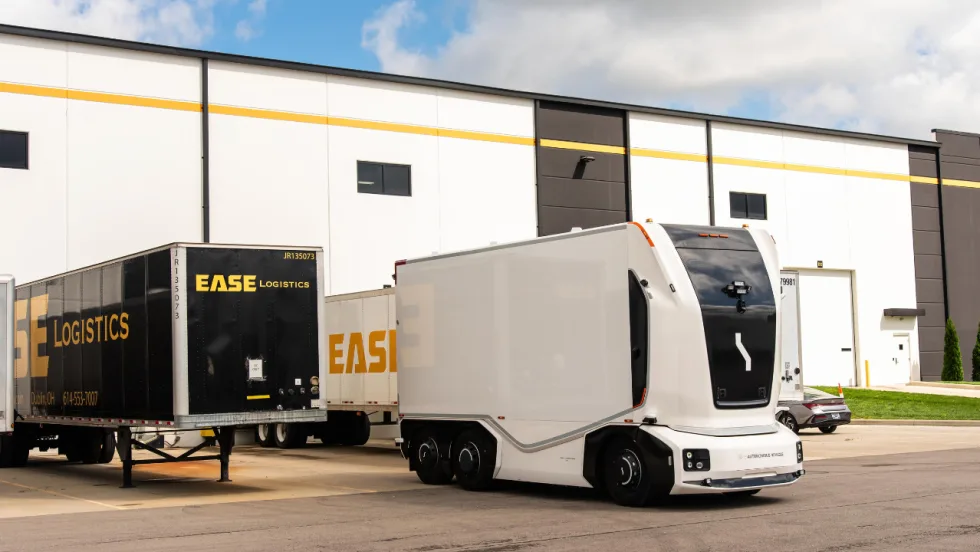
Einride Electric Driverless Trucks Begin Daily Freight Operations in Ohio
Two cabless electric trucks are now moving freight between EASE Logistics facilities, putting autonomous EV technology into daily commercial operations.
Read More →
FedEx Orders 2,000 Harbinger Electric Trucks in $300 Million Deal
The Class 5 and 6 electric trucks are planned for delivery by the end of 2027 and will be deployed in FedEx pickup and delivery operations across the U.S. and Canada.
Read More →
Volvo Trucks’ Electric Range Named International Truck of the Year 2027
The award recognizes Volvo’s global heavy-duty electric lineup, while more than 750 VNR Electric trucks have accumulated nearly 37 million miles in U.S. and Canadian fleet operations.
Read More →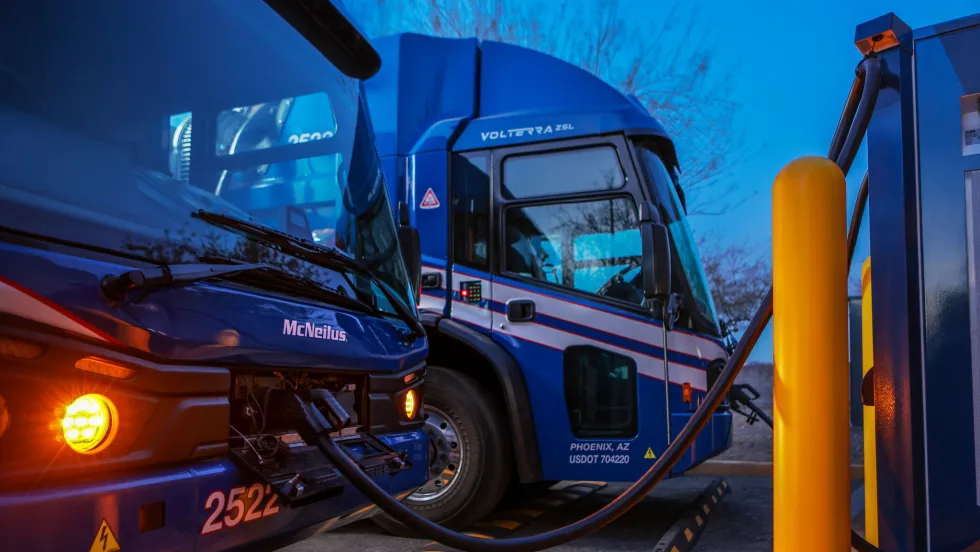
How Republic Services Decides Where Its Next Electric Trucks Can Go
With 250 electric collection trucks now in service, Republic Services is learning that scaling electrification depends less on proving the vehicle and more on whether each site can support what comes next.
Read More →
EV Charging Use Is Outpacing Infrastructure Growth
ChargePoint’s 2026 Charging Forward Report points to rising charger use, higher-powered charging, commercial vehicle electrification, and energy-management technology. Here’s what fleets should know.
Read More →
EV Realty Names Henrik Holland President as Charging Platform Expands
The former Prologis Mobility and Shell executive will help expand EV Realty’s truck charging business and move its power-first infrastructure model into autonomous vehicle depots and other fleet sectors.
Read More →
GreenPower Expands New Mexico EV Pilot With Larger Buses, V2G Testing
After logging more than 17,000 electric miles in the first year, New Mexico’s statewide pilot is moving into its second phase with larger vehicles, continued charging evaluations, and more.
Read More →