


Einride Electric Driverless Trucks Begin Daily Freight Operations in Ohio
Two cabless electric trucks are now moving freight between EASE Logistics facilities, putting autonomous EV technology into daily commercial operations.

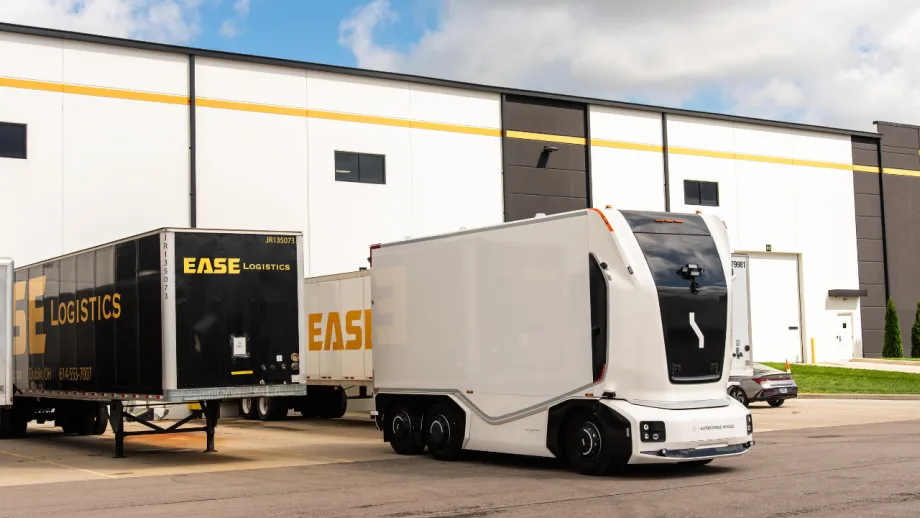
Einride’s cabless electric truck is now moving freight daily between EASE Logistics facilities in Marysville, Ohio, combining battery-electric operation with SAE Level 4 autonomous technology.
Einride
Einride and EASE Logistics have moved two SAE Level 4 autonomous electric trucks into daily freight operations in Marysville, Ohio, taking the companies' deployment from an announced project to regularly scheduled commercial use.
The cabless electric trucks are carrying freight between EASE Logistics facilities, operating on company property as well as local public roads.
There is no driver onboard. Instead, each Einride truck is monitored by a remote operator who can intervene when needed.
The deployment follows plans announced by Einride and EASE in May 2026 and is part of the Truck Automation Corridor Project involving the Ohio Department of Transportation, DriveOhio, and the Indiana Department of Transportation.
Putting Autonomous Electric Trucks to Work
The trucks began operating in September, according to the companies. Their daily routes are now generating real-world operational data on safety, reliability, efficiency, and vehicle performance.
“This deployment reflects the maturity of our purpose-built autonomous stack, combining driverless operation with remote oversight to run safely in real-world operations,” said Henrik Green, CTO at Einride. “Daily operations in Marysville give us the proof points we need to keep expanding autonomous freight across the corridor and beyond.”
For commercial EV fleets, the deployment provides another real-world test of how electrification and automation could work together in defined freight operations.
Rather than evaluating the technologies independently, the Marysville operation puts a battery-electric, driverless vehicle into scheduled freight service where factors such as uptime, route consistency, utilization, and operational efficiency can be measured over time.
EASE Continues Autonomous Freight Testing
The Einride operation marks EASE Logistics' third autonomous trucking deployment with DriveOhio.
“EASE believes in leading through action and putting innovation to work in real-world operations,” said Peter Coratola Jr., president and CEO of EASE Logistics. “This deployment builds on that commitment while helping advance the adoption of autonomous freight across the transportation industry.”
The deployment is part of the $8.8 million Truck Automation Corridor Project launched in 2021 by ODOT, DriveOhio, and INDOT.
The multiyear initiative is studying varying levels of truck automation along routes in Ohio and Indiana. Its goals include evaluating potential improvements in safety and freight efficiency while reducing fuel consumption and emissions and building experience with automated vehicle technologies.
Data Will Help Shape the Next Deployment
Einride and EASE plan to track operational metrics including miles driven, loads moved, and uptime as the trucks continue daily service.
The companies said those results will help guide the next phase of the deployment and discussions with ODOT, INDOT, and prospective logistics partners about expanding autonomous freight operations in the region.
For electric fleets, those results could also provide a useful look at where autonomous electric trucks make operational sense as the technology moves beyond pilots and into recurring freight service.
More Electric Vehicles
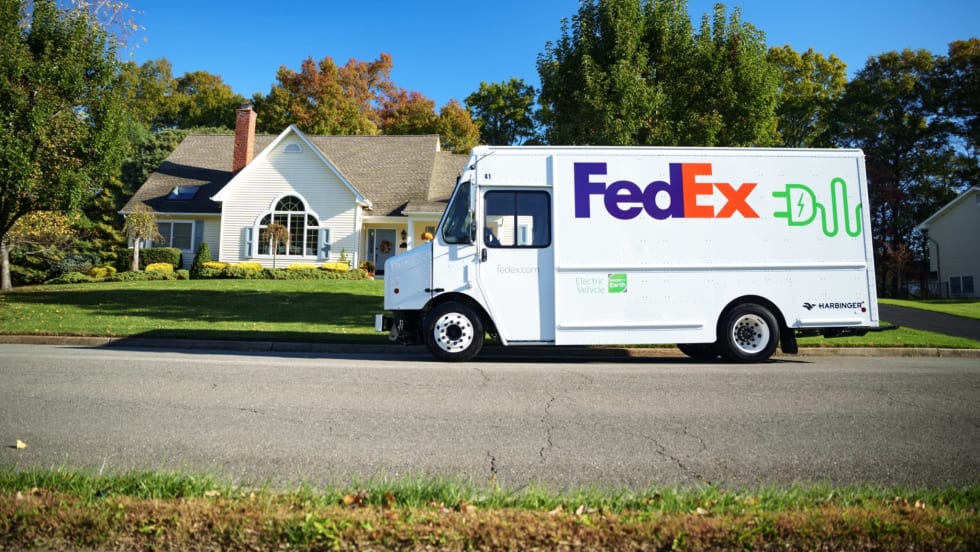
FedEx Orders 2,000 Harbinger Electric Trucks in $300 Million Deal
The Class 5 and 6 electric trucks are planned for delivery by the end of 2027 and will be deployed in FedEx pickup and delivery operations across the U.S. and Canada.
Read More →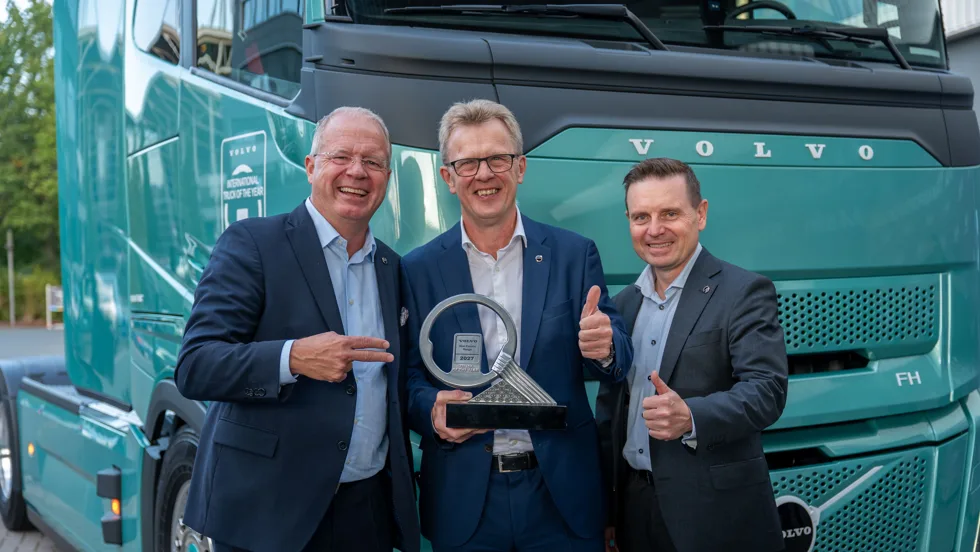
Volvo Trucks’ Electric Range Named International Truck of the Year 2027
The award recognizes Volvo’s global heavy-duty electric lineup, while more than 750 VNR Electric trucks have accumulated nearly 37 million miles in U.S. and Canadian fleet operations.
Read More →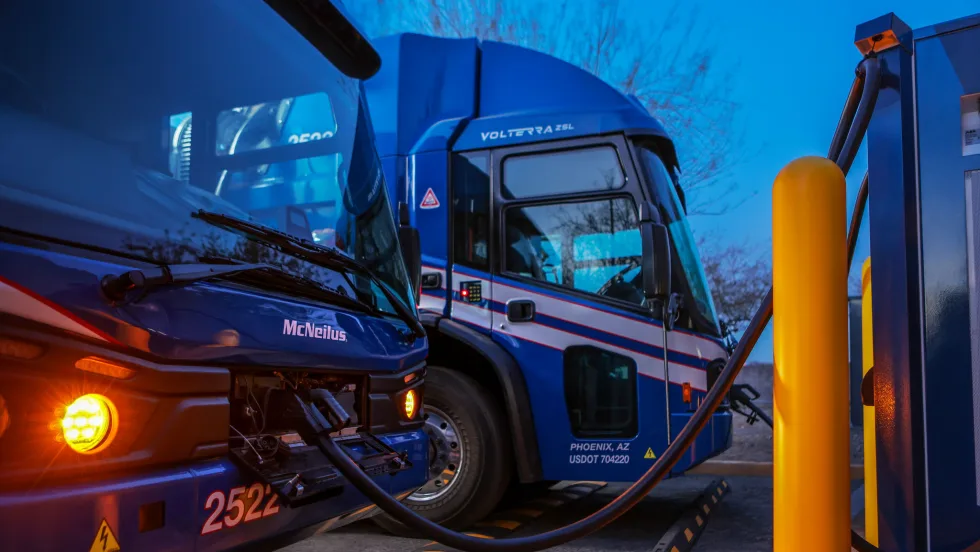
How Republic Services Decides Where Its Next Electric Trucks Can Go
With 250 electric collection trucks now in service, Republic Services is learning that scaling electrification depends less on proving the vehicle and more on whether each site can support what comes next.
Read More →
EV Charging Use Is Outpacing Infrastructure Growth
ChargePoint’s 2026 Charging Forward Report points to rising charger use, higher-powered charging, commercial vehicle electrification, and energy-management technology. Here’s what fleets should know.
Read More →
EV Realty Names Henrik Holland President as Charging Platform Expands
The former Prologis Mobility and Shell executive will help expand EV Realty’s truck charging business and move its power-first infrastructure model into autonomous vehicle depots and other fleet sectors.
Read More →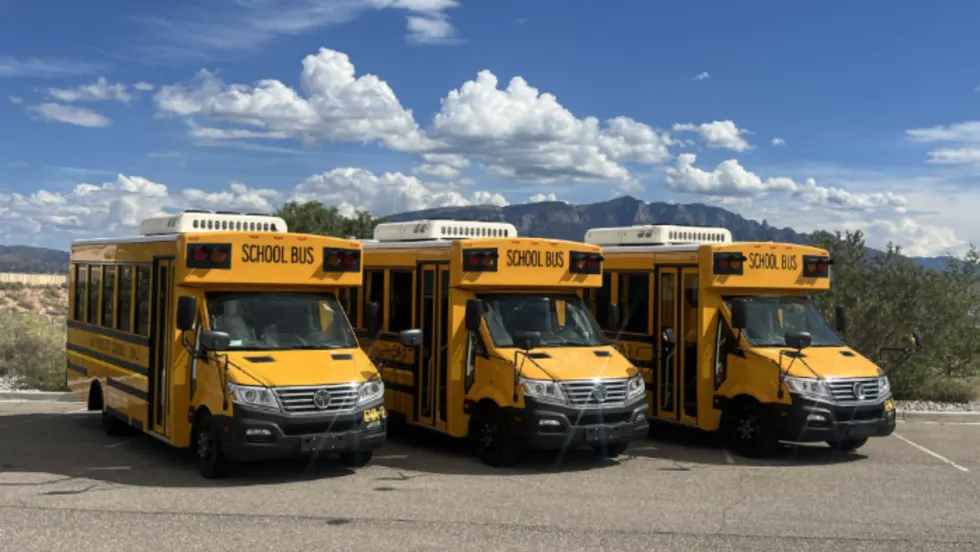
GreenPower Expands New Mexico EV Pilot With Larger Buses, V2G Testing
After logging more than 17,000 electric miles in the first year, New Mexico’s statewide pilot is moving into its second phase with larger vehicles, continued charging evaluations, and more.
Read More →
Can EV-as-a-Service Help Fleets Scale Electrification?
Sustainability Partners CEO Adam Cain explains how matching EVs, charging infrastructure, and duty cycles can help fleets scale electrification.
Read More →
How EV-as-a-Service Is Moving Fleets Beyond Pilots
Adam Cain, president and CEO of Sustainability Partners, explains how EV-as-a-service can help fleets scale deployments by addressing duty-cycle requirements and charging challenges.
Read More →
PowerFlex, The Mobility House Join Forces to Advance Fleet Electrification
Two EV charging providers are joining forces to deliver a broader portfolio of energy management and fleet electrification solutions.
Read More →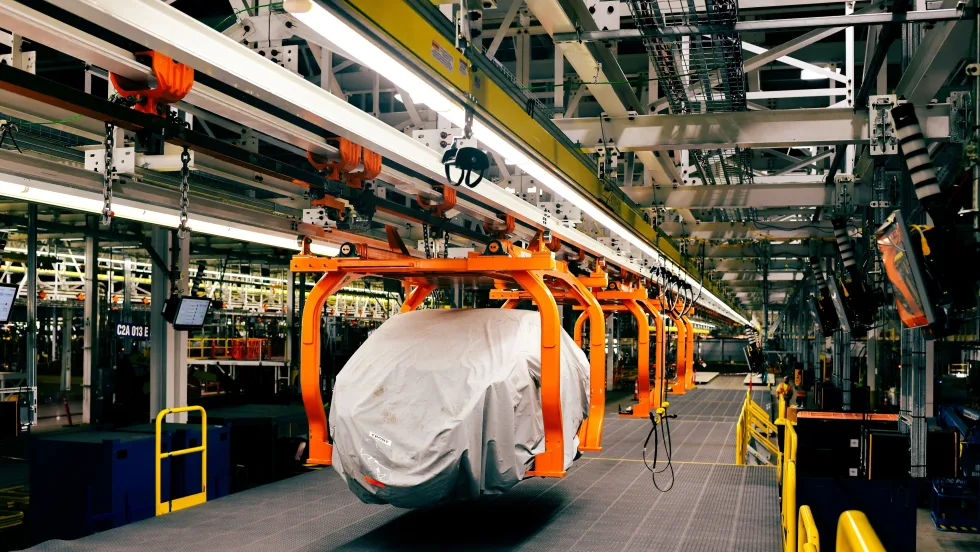
Ford Retools Louisville Plant for Fathom Electric Truck Production
Ford's $2 billion Louisville Assembly Plant overhaul introduces a three-part assembly process for the Fathom midsize electric truck, with production scheduled to begin in 2027.
Read More →