



Keep Reading: How Geotab and Vitality Are Optimizing Commercial Fleet Performance
Geotab Unveils Sustainability Center with EV Charge Monitoring to Cut Costs and Boost Efficiency
The new tools would help fleets cut costs, track emissions, monitor EV charging, and optimize fuel efficiency in real time.
February 26, 2025
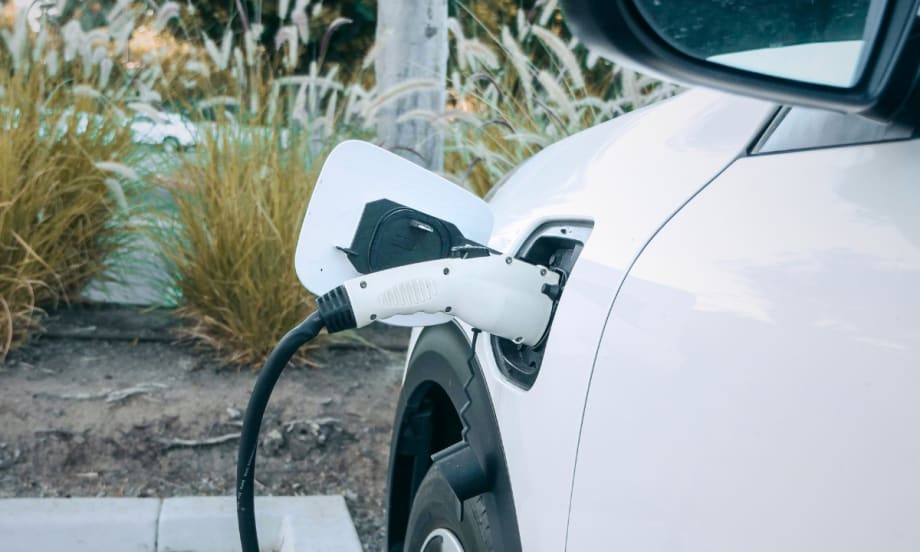
The Geotab Sustainability Center includes a streamlined dashboard to help companies maximize fuel savings, reduce carbon emissions, and simplify compliance.
Photo: Kindel Media via Pexels
2 min to read
Geotab announced it is expanding its connected vehicle platform with the Geotab Sustainability Center and EV Charge Monitoring.
Geotab’s Sustainability Center allows fleet managers to monitor, report, and take action on key metrics — fuel, emissions, idling trends, and electrification potential — within a single, centralized platform to improve efficiency and cost while reducing environmental impact.
Geotab designed the Sustainability Center to fill the data gap, providing management and sustainability teams a go-to hub for cost control, compliance, and operations.
“Even small changes like monitoring idling can have a big impact on operations. The Geotab Sustainability Center empowers fleets with precise data insights to take actions that translate into lower costs while supporting their environmental goals,” said Megan Allen, senior group product manager at Geotab.
Optimizing Fuel, Energy Savings and Performance
The Geotab Sustainability Center includes a streamlined dashboard to help companies maximize fuel savings, reduce carbon emissions, and simplify compliance. This new hub complements the existing centers in MyGeotab, the Geotab Safety Center, and the Geotab Maintenance Center.
Key features:
Idling trends: Understand idling time and fuel wasted, and identify idling hotspots.
Fuel metrics: Assess total fuel and EV energy use, as well as fuel and EV energy economy.
Emissions trends: Track the effectiveness of emissions reduction strategies, such as anti-idling campaigns and electrification.
Electrification insights: Get a snapshot of how many vehicles in the fleet are best fit for replacement with EVs.
Geotab also recently introduced a Greenhouse Gas Emissions Report with a TÜV Rheinland certified calculation method for tracking Scope 1 greenhouse gas (GHG) emissions from fleet vehicles, providing near real-time emissions data for accurate and transparent climate disclosures related to the Corporate Sustainability Reporting Directive (CSRD) and other frameworks.
EV Charge Monitoring — EVs Ready When Needed
To help fleets avoid disruptions to operations, Geotab introduced EV Charge Monitoring, a live monitoring of fleet charge status to ensure EVs are charged and ready to go when needed.
With Geotab EV Charge Monitoring, fleets can identify and resolve charging issues early, maximize uptime, and realize electrification’s fuel cost saving and operational benefits.
With EV Charge Monitoring, fleets can:
Identify and resolve charging problems before they disrupt operations.
Manage a queue of vehicles waiting to charge, even when there are limited available stations.
Make informed dispatch decisions by knowing when EVs will be ready.
Realize the fuel cost savings related to getting EVs on the road.
The Geotab Sustainability Center and EV Charge Monitoring are integrated into MyGeotab, a program used in both the public and private sectors for end-to-end telematics data security.
Originally posted on Automotive Fleet
More Electric Vehicles
EV Charging Use Is Outpacing Infrastructure Growth
ChargePoint’s 2026 Charging Forward Report points to rising charger use, higher-powered charging, commercial vehicle electrification, and energy-management technology. Here’s what fleets should know.
Read More →
EV Realty Names Henrik Holland President as Charging Platform Expands
The former Prologis Mobility and Shell executive will help expand EV Realty’s truck charging business and move its power-first infrastructure model into autonomous vehicle depots and other fleet sectors.
Read More →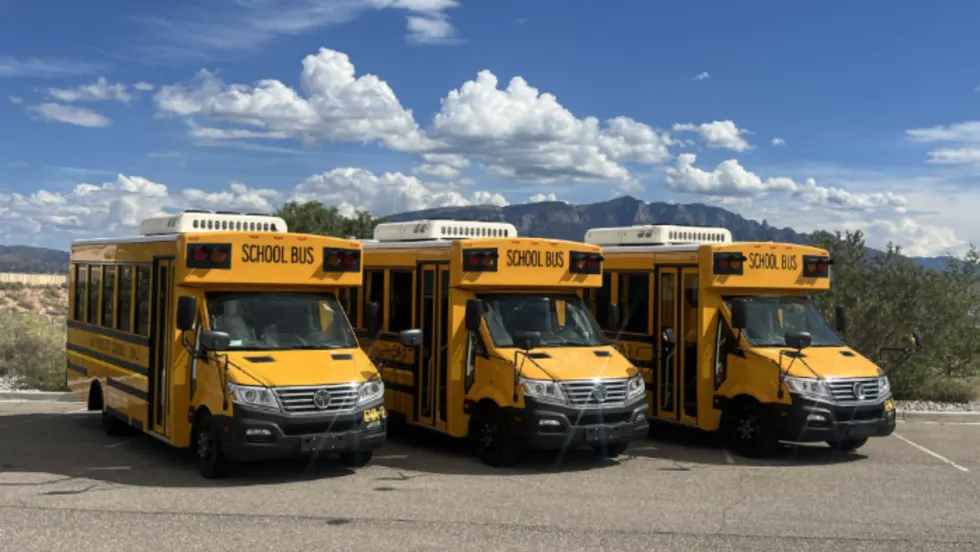
GreenPower Expands New Mexico EV Pilot With Larger Buses, V2G Testing
After logging more than 17,000 electric miles in the first year, New Mexico’s statewide pilot is moving into its second phase with larger vehicles, continued charging evaluations, and more.
Read More →
Can EV-as-a-Service Help Fleets Scale Electrification?
Sustainability Partners CEO Adam Cain explains how matching EVs, charging infrastructure, and duty cycles can help fleets scale electrification.
Read More →
How EV-as-a-Service Is Moving Fleets Beyond Pilots
Adam Cain, president and CEO of Sustainability Partners, explains how EV-as-a-service can help fleets scale deployments by addressing duty-cycle requirements and charging challenges.
Read More →
PowerFlex, The Mobility House Join Forces to Advance Fleet Electrification
Two EV charging providers are joining forces to deliver a broader portfolio of energy management and fleet electrification solutions.
Read More →
Ford Retools Louisville Plant for Fathom Electric Truck Production
Ford's $2 billion Louisville Assembly Plant overhaul introduces a three-part assembly process for the Fathom midsize electric truck, with production scheduled to begin in 2027.
Read More →
Merchants Fleet Reports 290M EV Miles as Fleets Navigate Changing Electrification Market
From millions in operating savings to hundreds of millions of EV miles, Merchants Fleet’s latest report reveals what’s working and what’s changing in fleet electrification.
Read More →
California District Commits to Electrify 25% of School Bus Fleet by 2028
One of the nation's largest school bus electrification projects to date demonstrates how grants, charging infrastructure, and public-private partnerships can help fleets transition to EVs at scale.
Read More →
Aptera Orders Bodies and Chassis for Its First 40 Production Vehicles
Aptera Motors Corp. has issued purchase orders for the major structural components of its first 40 vehicles, and body and chassis components are expected to begin arriving in October.
Read More →