


Utilities Are Essential to Fleets’ EV Infrastructure Plan
Ford Pro Charging’s Muffi Ghadiali explains how increasing grid demands necessitate fleets and utilities working together to reduce peak load with local battery storage, renewables, and bidirectional power from EVs themselves.


“This is a moment in history where the grid is going to be redefined,” said Muffi Ghadiali, head of Ford Pro Charging, as part of the keynote address at the 2021 Fleet Forward Conference.
Photo courtesy Ross Stewart, RMS3Digital
As vehicle electrification expands for both commercial and consumer use, there will be an increasing need for greater electric-grid capacity. In turn, fleets will need to work more closely with their utility — or multiple utilities — to manage the load.
This was one of the points imparted by Muffi Ghadiali, head of Ford Pro Charging, as part of the keynote address at the 2021 Fleet Forward Conference in San Jose on Nov. 11. Ghadiali joined Tim Baughman, Ford Pro general manager for North America, on stage.
“Over the next 10 years, utilities see electrification as a huge opportunity but also a challenge,” Ghadiali said. “There’s going to be a massive new load on the grid. Utilities are trying to figure out where and when the load is going to materialize and exactly where the depots are going to be located so they can manage the energy generation and distribution. And even more importantly, can the utilities actually control the load?”
This is one reason why fleets need to keep in mind where their depots are going to be located physically, he said. For national fleets, that will mean connecting to multiple utilities with different complexities.
Ford Pro, the rebranding of the automaker’s commercial business, goes beyond selling and servicing vehicles to help fleets connect Ford vehicle’s physical hardware with software — including telematics data — that will be essential to harvest for smart electrification.
Ford Pro works with utilities on demand response, Ghadiali said, which entails tying into the EV infrastructure to determine how much energy is available and the most optimal times to deliver that energy.
“The utility might tell us, ‘Hey, can you turn down charging for the next two hours because there are load demands elsewhere,’” he said. “And we look at the fleet and say, ‘The vehicle is going to be here for the next six hours, so we can turn it down (a certain amount).’”
In this scenario there is a direct economic benefit for the fleet customer because the utility is willing to pay the fleet to reduce the load, Ghadiali said. “There’s nuance to this, and we at Ford Pro are trying to isolate these issues from fleet customers so they can focus on what matters most, running their fleets.”
Ghadiali referenced severe weather events in California and Texas that have pushed the grid to the limit. This stresses the need for grid resiliency and the ability to reduce peak load. This will distribute some of that energy to the edges with solutions such as local battery storage and renewables such as solar.
“All of this has to be done in conjunction with the utility because they will still be the primary energy provider,” he said.
This load balancing is already taking shape, Baughman said, as some owners of Ford F-150 hybrids in Texas used the vehicle’s bidirectional power to heat their homes. Bidirectional power will be an option on the coming electric F-150, which will allow for emergency use but also to charge back to the grid at night.
Originally posted on Automotive Fleet
More Electric Vehicles
EV Charging Use Is Outpacing Infrastructure Growth
ChargePoint’s 2026 Charging Forward Report points to rising charger use, higher-powered charging, commercial vehicle electrification, and energy-management technology. Here’s what fleets should know.
Read More →
EV Realty Names Henrik Holland President as Charging Platform Expands
The former Prologis Mobility and Shell executive will help expand EV Realty’s truck charging business and move its power-first infrastructure model into autonomous vehicle depots and other fleet sectors.
Read More →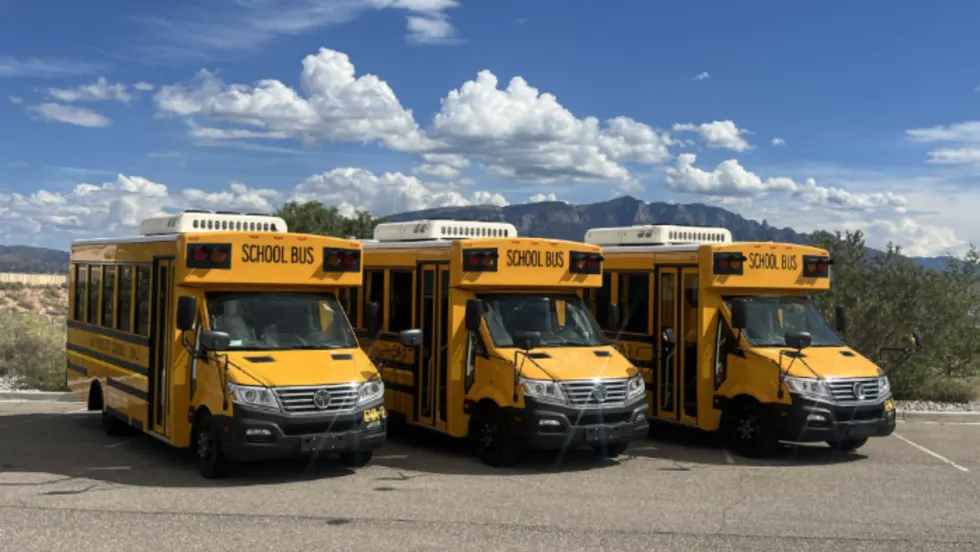
GreenPower Expands New Mexico EV Pilot With Larger Buses, V2G Testing
After logging more than 17,000 electric miles in the first year, New Mexico’s statewide pilot is moving into its second phase with larger vehicles, continued charging evaluations, and more.
Read More →
Can EV-as-a-Service Help Fleets Scale Electrification?
Sustainability Partners CEO Adam Cain explains how matching EVs, charging infrastructure, and duty cycles can help fleets scale electrification.
Read More →
How EV-as-a-Service Is Moving Fleets Beyond Pilots
Adam Cain, president and CEO of Sustainability Partners, explains how EV-as-a-service can help fleets scale deployments by addressing duty-cycle requirements and charging challenges.
Read More →
PowerFlex, The Mobility House Join Forces to Advance Fleet Electrification
Two EV charging providers are joining forces to deliver a broader portfolio of energy management and fleet electrification solutions.
Read More →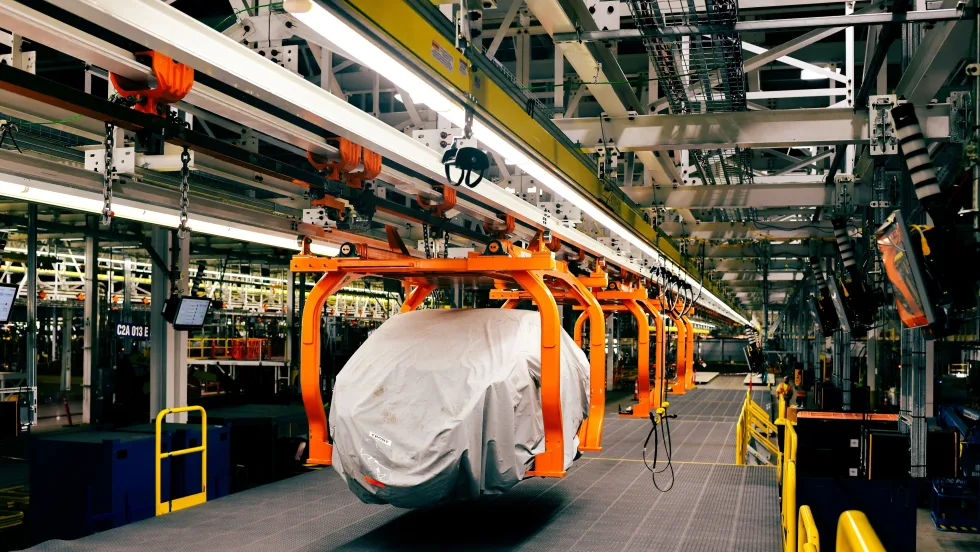
Ford Retools Louisville Plant for Fathom Electric Truck Production
Ford's $2 billion Louisville Assembly Plant overhaul introduces a three-part assembly process for the Fathom midsize electric truck, with production scheduled to begin in 2027.
Read More →
Merchants Fleet Reports 290M EV Miles as Fleets Navigate Changing Electrification Market
From millions in operating savings to hundreds of millions of EV miles, Merchants Fleet’s latest report reveals what’s working and what’s changing in fleet electrification.
Read More →
California District Commits to Electrify 25% of School Bus Fleet by 2028
One of the nation's largest school bus electrification projects to date demonstrates how grants, charging infrastructure, and public-private partnerships can help fleets transition to EVs at scale.
Read More →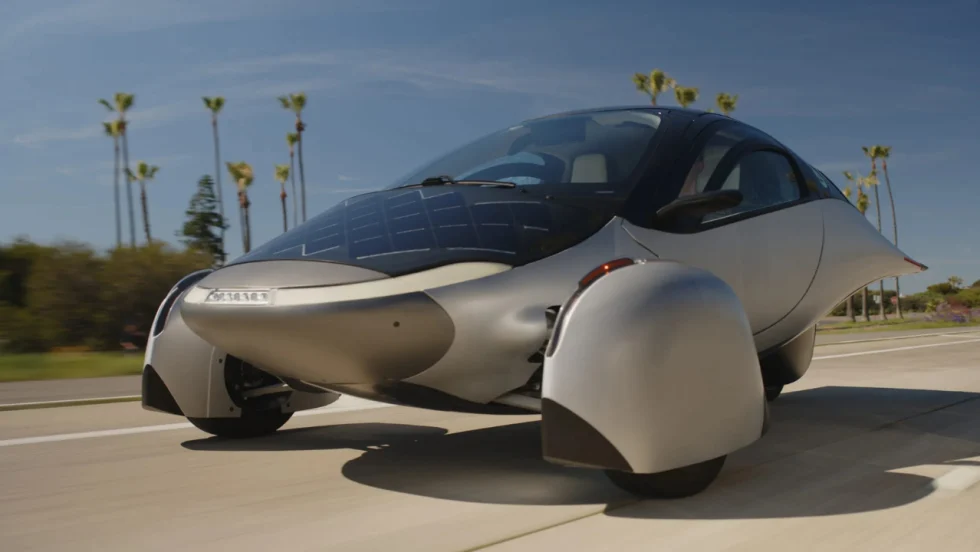
Aptera Orders Bodies and Chassis for Its First 40 Production Vehicles
Aptera Motors Corp. has issued purchase orders for the major structural components of its first 40 vehicles, and body and chassis components are expected to begin arriving in October.
Read More →