


Understanding the Critical Role of the Utility in Fleet Electrification
With electricity rate fluctuations of up to 200% daily, its essential for fleets to view their local utilities as partners and engage them before placing an order for the first electric vehicles.
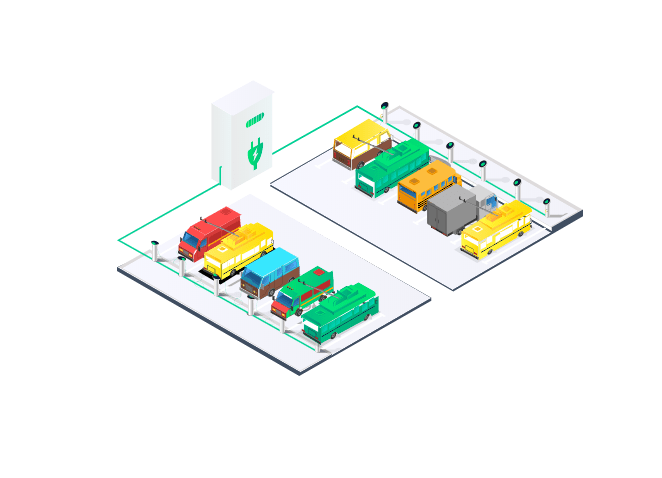
Proper planning and engagement can aid in the smooth transition to fleet electrification.
[EMPTY CREDIT]
Adding electric vehicles to your fleet is not as simple as selecting the vehicle you want and ordering it. Unlike diesel and gasoline powered vehicles, you can’t just pull into a truck stop and plug in your EV to recharge the battery. At least not yet.
But don’t let this scare you off from considering bringing electric vehicles into your operation. Proper planning will help you have a smooth transition to a hybrid or electrified fleet. Even if you’re not an expert on charging infrastructure or fleet electrification, there are resources at your disposal: a local utility can provide helpful guidance and it’s quite likely they already have experience assisting other fleets with electrification efforts.
Engage Your Utility First
When it comes to electricity, rates can fluctuate up to 200% in a given day depending on when and how quickly it’s used. To put things in perspective: imagine if the price of oil varies based on when and how fast you filled the tank. Think how difficult it would be to plan and budget properly.
The 3,300 electric utilities in the U.S. have varying tariffs structures, peak demand rates, time of use charges, etc.; all of which impact what you will be paying to charge your vehicles. Therefore, it is imperative that you work with your local utility and not rely on general information about needed electric charging infrastructure, rates, etc.
So before you even place an order for an electric vehicle, you first want to speak with your electric utility company. They can not only give you information on your current electrical infrastructure, but can also tell you about special, local funding opportunities that might be available to defray costs. They can assist with everything from your substation to your transformer through to your meter.
Each case is unique and should be dealt with on an individual basis by working in tandem with partners and utility company staff.
Utility as Consultant
Fleet managers also need to determine exactly what their operational needs are going to be, and how charging will fit into this. How many EVs are you planning to add to the fleet? Will they all need to be fully charged at the end of each day? Will they all be charging at the same time of day or will they be returning to the yard at different times and therefore charging throughout the day?
Here again you can bring in a utility partner or specialist consultant to help you model multiple charging scenarios. They can also help you build out an infrastructure that is capable of handling additional charging stations in the future as you bring more EVs into your fleet. When it comes to retrofitting your facility, your energy provider can advise if electrical upgrades may be necessary to accommodate your specific needs.
Now is when you should start thinking about ongoing energy management. This is an area that is often overlooked, but failure to think through how to manage energy and avoid demand charges could result in costly surprises on your energy bills month after month.
Bring up the discussion on load management and best ways to fuel your electric fleet early. Only at this point should you begin constructing the infrastructure and installing the charging equipment.
Don’t Underestimate Planning
In its Guidance Report, Amping Up: Charging Infrastructure for Electric Trucks, The North American Council for Freight Efficiency found that, “Because of the nature of EV charging infrastructure, utilities will need to be involved in the planning and implementation processes as partners, and because they are subject to much regulation and government bureaucracy, it’s best to engage them early, as planning and permitting can take over a year.”
In addition, the report found, “Planning and permitting for charging infrastructure can be very time-intensive process.” This means you need to begin the process well before you take possession of your first electric vehicle. NACFE advises that “infrastructure planning, negotiating, funding, permitting, installation, and certification can take much longer than procuring the [vehicle] itself.”
While different from diesel and gasoline powered vehicles, there is no need to shy away from electric vehicles. With some careful, early planning you can seamlessly integrate them into your current operation.
Muffi Ghadiali is founder and CEO of Electriphi Inc., a developer of EV fleet and energy management solutions. Electriphi offers a planning tool to help fleets begin to electrify their fleets.
Originally posted on Automotive Fleet
More Electric Vehicles

GreenPower Plans 50 Electric Shuttle Buses for Mexico
GreenPower plans to build 50 electric shuttle buses for Mexico using its EV Star Cab & Chassis platform, partnering with local body builders to expand its market reach.
Read More →
Who You Gonna Call? Rivian Turns Electric Vehicles Into Ghostbusters Rides
Rivian teams up with Sony Pictures for a Ghostbusters-inspired Halloween software update, complete with custom sounds, lighting effects, and a special Ecto-R1.
Read More →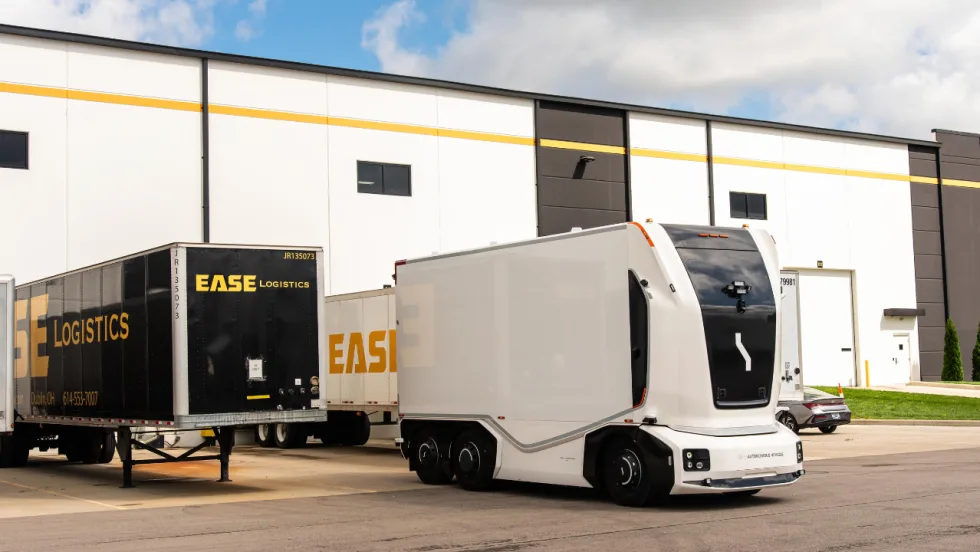
Einride Electric Driverless Trucks Begin Daily Freight Operations in Ohio
Two cabless electric trucks are now moving freight between EASE Logistics facilities, putting autonomous EV technology into daily commercial operations.
Read More →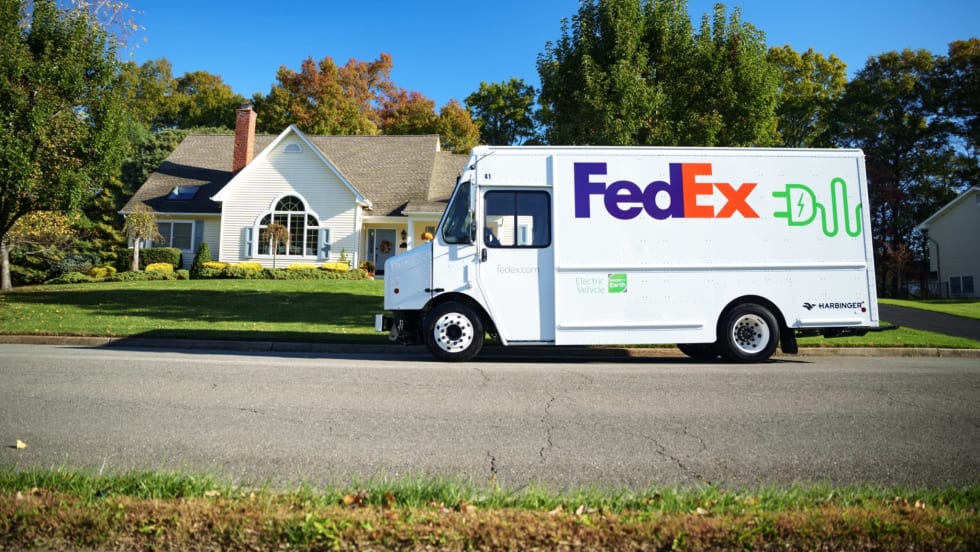
FedEx Orders 2,000 Harbinger Electric Trucks in $300 Million Deal
The Class 5 and 6 electric trucks are planned for delivery by the end of 2027 and will be deployed in FedEx pickup and delivery operations across the U.S. and Canada.
Read More →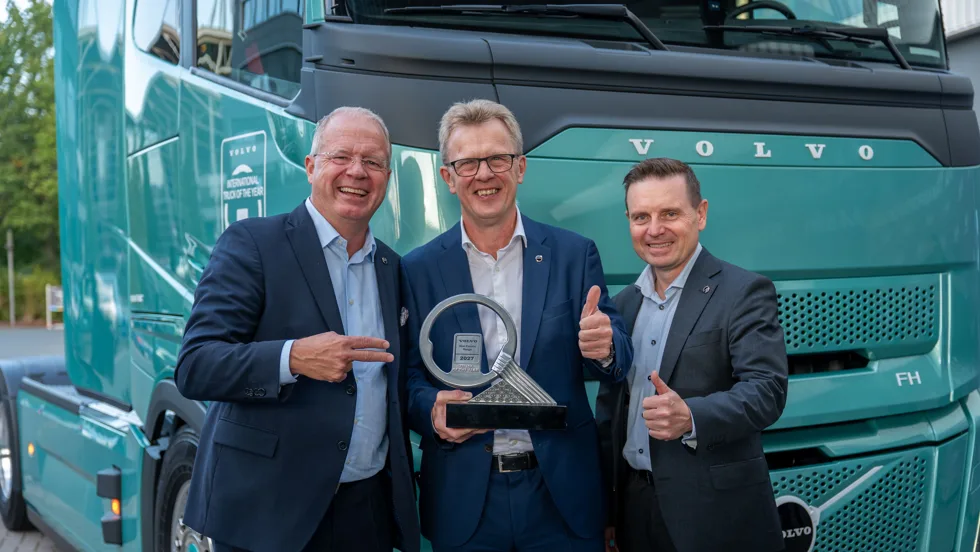
Volvo Trucks’ Electric Range Named International Truck of the Year 2027
The award recognizes Volvo’s global heavy-duty electric lineup, while more than 750 VNR Electric trucks have accumulated nearly 37 million miles in U.S. and Canadian fleet operations.
Read More →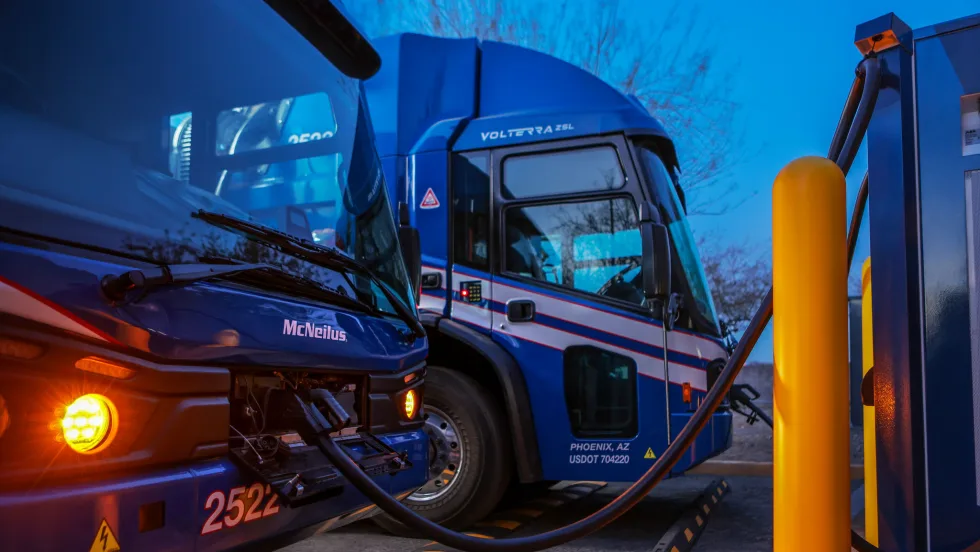
How Republic Services Decides Where Its Next Electric Trucks Can Go
With 250 electric collection trucks now in service, Republic Services is learning that scaling electrification depends less on proving the vehicle and more on whether each site can support what comes next.
Read More →
EV Charging Use Is Outpacing Infrastructure Growth
ChargePoint’s 2026 Charging Forward Report points to rising charger use, higher-powered charging, commercial vehicle electrification, and energy-management technology. Here’s what fleets should know.
Read More →
EV Realty Names Henrik Holland President as Charging Platform Expands
The former Prologis Mobility and Shell executive will help expand EV Realty’s truck charging business and move its power-first infrastructure model into autonomous vehicle depots and other fleet sectors.
Read More →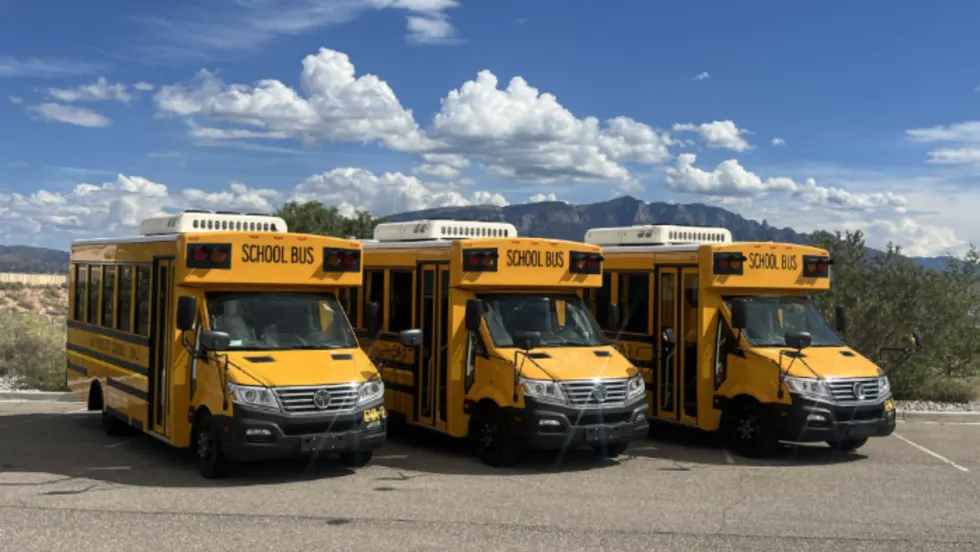
GreenPower Expands New Mexico EV Pilot With Larger Buses, V2G Testing
After logging more than 17,000 electric miles in the first year, New Mexico’s statewide pilot is moving into its second phase with larger vehicles, continued charging evaluations, and more.
Read More →
Can EV-as-a-Service Help Fleets Scale Electrification?
Sustainability Partners CEO Adam Cain explains how matching EVs, charging infrastructure, and duty cycles can help fleets scale electrification.
Read More →