


The Past, Present, and Future of Fleet
Jeff Schlesinger, who most recently served as president and CEO of LeasePlan, recounts his experience in fleet management and provides insight into what the future of fleet may bring.

With the improvements of GPS to monitor the location of the vehicle and new products to measure the actions of the driver, corporate policy must find a balance between the right to know versus the right to privacy in company-owned vehicles.
Photo courtesy of deep blue 4 you via Istockphoto.com.
Several months prior to the 2008 Global Financial Crisis, I entered GE Fleet’s corporate headquarters and began my journey into fleet management. I gained incredible insight: first growing GE Fleet in preparation for its sale, then establishing a consulting practice for global vehicle and driver safety and, most recently, completing a successful turnaround at LeasePlan USA as its president and CEO.
As we all plan for the ongoing and continuing transformation, I would like to share some of the major improvements we experienced and offer some thoughts on the future.
Looking Back at Past Experiences
The years with GE Fleet were filled with significant challenges, changes, and a real-time education in the complex world of fleet management.
Simultaneous to the global financial crisis, GE Capital was involved in its own funding issue; the fleet team was guided by a survival instinct, transparency to new ideas, and a sense that we were proud of our history.
Failure was not an option. While we reviewed customer profitability and began repositioning our go-to-market strategy, two U.S. OEMs declared bankruptcy. The entire supply chain and customer delivery systems were under attack. Daily early morning meetings assessed the internal and external threats to our very existence.
It was a remarkable team-building exercise, and we all emerged stronger and with a great sense of accomplishment.The lessons learned during this time set the stage for the upcoming years; fleet management was entering an era of "big data" and innovative new products. Telematics was emerging, the ecosystem of the data usage was in development and predictive analytics looked to optimize the various aspects of TCO. Today, the seamless analysis of the enormous data captured from the vehicles benefits from many of these foundational, analytical advancements.
In 2010, electric vehicles (EV) were just starting to gain traction, and GE announced the purchase of 25,000 EVs; even today it is unclear whether any U.S. company has reached this level of EVs in their fleet. We were extremely influential in advancing this revolutionary technology; an early-stage commitment to improving the environment.
After the sale of GE Fleet, I followed my passion of promoting driver safety and contributed to the partnership strategy for the Global SafeDrive Alliance between The CEI Group and CEPA SafeDrive. With the ink barely dried, I was asked to lead a turnaround at LeasePlan USA, one of my global competitors from GE. I previously viewed LeasePlan as a "sleeping giant" and being asked to unleash the potential of this company was a challenge I could not resist. Using traditional GE six-sigma and Lean methodologies, a complete wing-to-wing analysis at LeasePlan USA showed areas of improvement and we commenced numerous initiatives for the customers.
With the extensive availability of new products, expanding and upgrading the product suite was an extraordinary opportunity. Hiring the most innovative people and having them run unfettered with new fleet products created significant innovation.
Alliances were developed with eDriving for a complete safety program; an integrated telematics program with MapAnything and Geotab; a strategic alliance with ride hailing Lyft; a car-sharing platform with an OEM; an increased maintenance platform in partnership with Fleetcor; a recall management program with AutoAp; and the first-ever virtual ChatBot mobile App, Elle. All of these new platforms required a tremendous team effort from former and new members.
Advancements in Fleet Technology and Mobility
The EV initiative began with a corporate commitment for 100% company-owned zero-emissions vehicles by 2021. We purchased our first corporate EV and put the roadmap in place to meet the zero-emission commitment. Simultaneously, we installed 20 charging stations at the corporate HQ in Alpharetta, Ga. in conjunction with Tesla and the local utilities. This was just the beginning of the U.S. transformation to EV.
Where will it go? Concepts will continue to evolve. The future will present even more advancements, challenges, and a continued requirement to leave the "we have always done it that way" mentality at the front door. In 2017 everyone was speaking of mobility, car-sharing, ride-hailing, subscription services today the conversation now includes distracted driving, the U.S. EV infrastructure, the autonomous vehicles introduction and acceptance, artificial intelligence, electric scooter safety, how does this all affect the eco-footprint, and how will all of this work within the construct of fleet management.
Climate change is a reality that affects our families and future generations. Major cities in Europe are banning internal combustion engine (ICE) vehicles; more than 20 new EVs will be introduced in 2019 and over $250 billion has been earmarked to battery technology.
This is not without challenges in the U.S., which has experienced a slower acceptance level than in Europe and Asia. The logistics of charging stations is beginning to move from the whiteboard to reality with municipalities, shopping plazas and airports installing chargers. Every OEM is focused on EV. The industry has a responsibility to support zero emissions vehicles.There are also tremendous advances in ride-hailing, car-sharing, subscriptions, scooters, motorized bikes; the entire landscape has changed with BlaBla, Car2Go, Didi, Fair, Free2Move, Getaround, GETT, Lyft, Turo, Uber, and ZipCar, to name just a few.
It has changed the dynamics, and with it, some pushback has been received from cities and consumers. Upcoming generations view movement differently, view ownership differently and view life-events differently, as all generations have done. The shared economy will continue to evolve. The integration of fleet management with these technologies will be a challenge from a cost and HR perspective.
Driver safety has always been a passion of mine. With all of the advancements in technology, rampant distracted driving continues to plague society. Less than 20 states ban handheld cell phone use, Montana allows texting and driving, and localities have taken a proactive position of passing stricter laws than their respective state. Driving fatalities continue to rise, while distracted driver incidents have leveled-off, albeit at a much too high a rate. We must address this crisis.
With the improvements of GPS to monitor the location of the vehicle and new products to measure the actions of the driver, corporate policy must find a balance between the right to know versus the right to privacy in company-owned vehicles.
The vehicle is a corporate asset, hurtling down the road with the potential to injure passengers and innocent bystanders in a split second. We must protect all parties. As employees have adapted to policies surrounding their corporate computers; their acceptance for both driver and vehicle oversight is mandatory to make our roads safer. The future will continue to present advancements and challenges.
The fleet industry always addresses these in a responsible and proactive manner, and it will in the future. I will be offering additional views in the upcoming months on many of these issues and continue to push for greater transparency, safety and a better environment for drivers, fleet managers and corporate stakeholders.
About the Author: Jeff Schlesinger is an expert in offering go-to-market, transformation, turnaround, and growth strategies to companies in varied industries. He can be reached at jeff.schlesinger@buckhead-advisors.com.
Originally posted on Automotive Fleet
More Vehicle Research
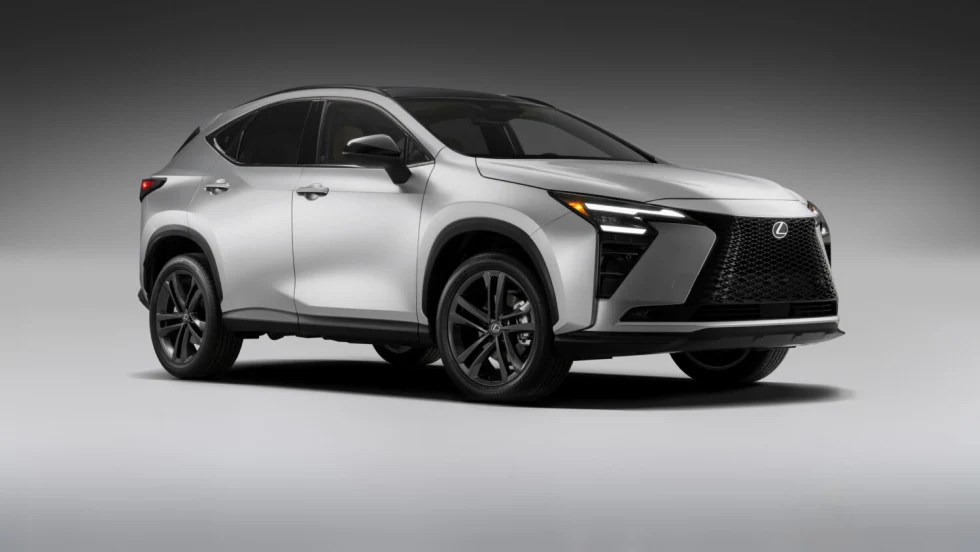
2027 Lexus NX Moves to Fully Electrified Lineup
For 2027, the NX moves to an entirely electrified lineup, with either hybrid or plug-in hybrid powertrains.
Read More →
2027 Mitsubishi Eclipse Sportback Named Green SUV of the Year
Green Car Journal recognized Mitsubishi’s new battery-electric crossover, which offers NACS compatibility and DC fast charging at up to 150 kW.
Read More →
Dave Carroll Named President of Ford Energy
Carroll succeeds Lisa Drake, who will remain with Ford through Dec. 31 to support the leadership transition.
Read More →
City of Long Beach Named No. 1 Green Fleet of 2026
NAFA's 2026 Green Fleet Awards recognized fleets for sustainability efforts spanning alternative fuels, technology, facilities, workplace culture and fleet operations.
Read More →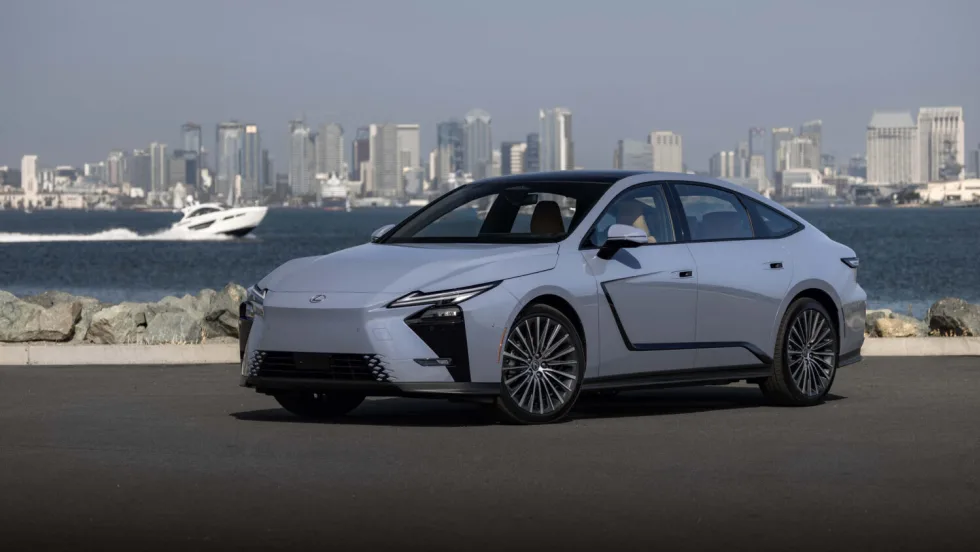
2027 Lexus ES Adds First Battery-Electric Models
The ES 350e and ES 500e join the hybrid ES lineup with up to 338 hp, an EPA-estimated 307 miles of range and standard NACS charging capability.
Read More →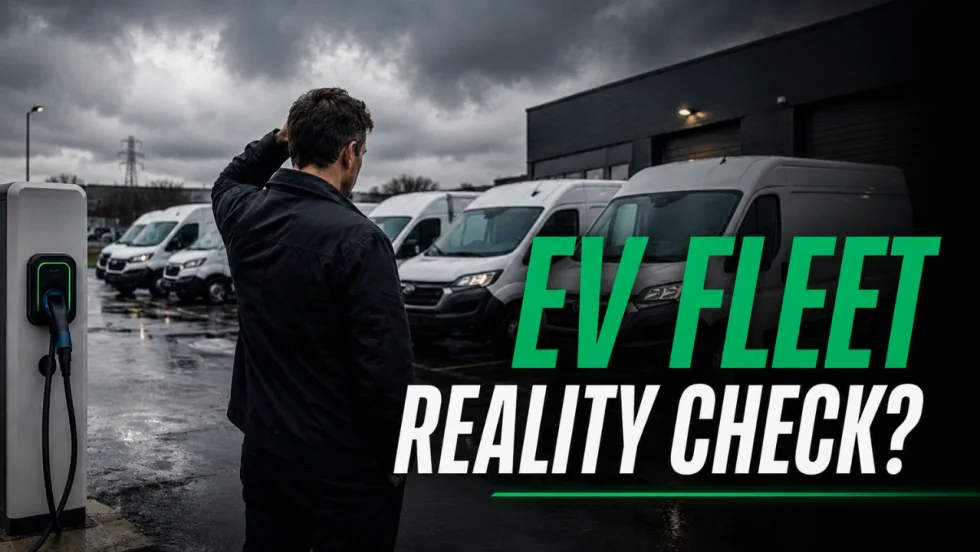
EV Fleet Reality Check: What Operators Wish They Knew Before Electrifying Their Work Vans
Electric work truck upfits bring new compatibility questions. Learn how parts availability, OEM guidance, power demands, and route planning can affect fleet performance.
Read More →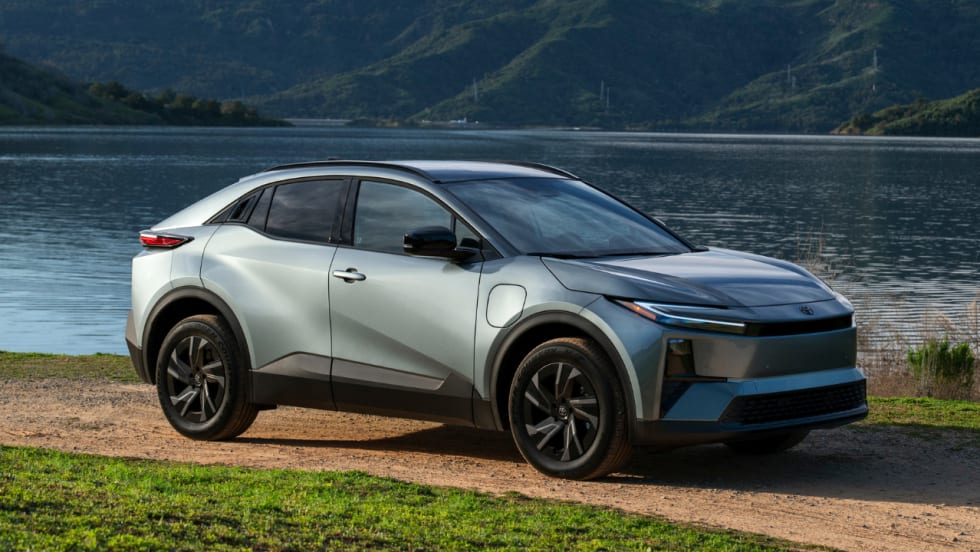
2027 Toyota C-HR Offers 287-Mile Range and Standard AWD
Toyota’s 2027 C-HR brings 287 miles of estimated range, standard all-wheel drive, and NACS fast-charging capability to the compact EV market. See what its mix of performance, cargo space, and everyday technology could offer business users.
Read More →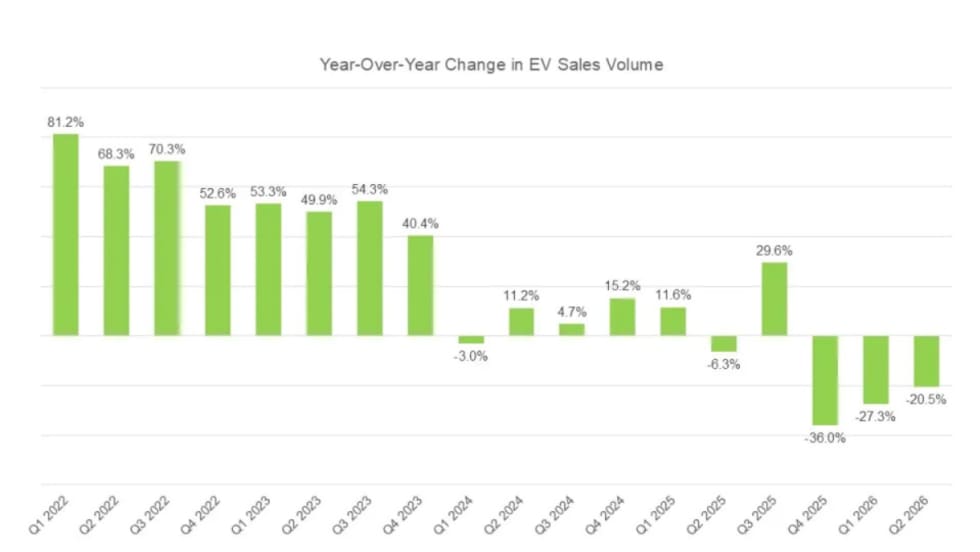
New Vehicle Models Stabilize Electrified Market In Q2
But more credit goes to hybrids than to all-electric vehicles, as more buyers look for fuel-efficient alternatives amid high gas prices.
Read More →
Slate Debuts Colorful, Unique EV Models
A recent media and client event, studded with electric vehicles dressed up on platforms, planted a new position for the manufacturer in the wider EV market. Fleets will find cost-saving advantages.
Read More →
Slate Electric SUV, Pickup Switchable Model Aims For Light-Duty Fleets
Everything about this EV is counterintuitive and understated, making it stand out from the crowd.
Read More →