



Trucks-as-a-Service Model to Help Drive EV Adoption by Fleets
The 411 on Leasing or Renting Electric Trucks
Leasing an electric truck or van is an entirely different experience from a traditional vehicle lease can have some major benefits.
January 5, 2021
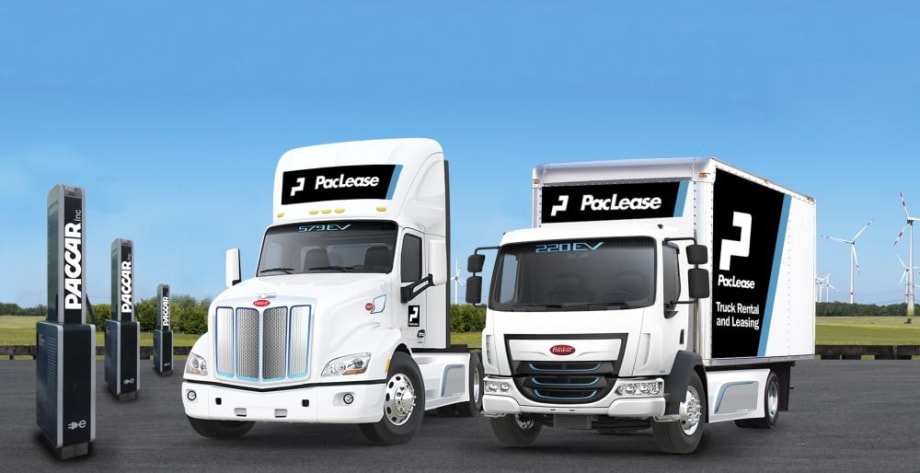
Unlike traditional gasoline- or diesel-powered units that can fuel up at any number of local stations, before leasing or renting an electric truck, you have to ensure you can keep it powered up and ready.
Photo: PacLease
6 min to read
The ideal situation for operating an electric truck or van is growing. Where it used to best for short-distance, commuter travel, today’s vehicles can go further and carry more loads than ever before. Store-to-door and last-mile delivery are one ideal vocation. Businesses with consistent routes from a mileage perspective will also benefit.
One unique vocation perfect for an electric truck includes heavy-duty, Class 8 yard applications; anything with multiple start-stop, high-idle applications.
“Electric trucks are in their infancy, but they represent the future. The greatest benefit of the electric truck is its green footprint. That’s why states are stepping up to offer incentives in this segment,” said Mike Willey, PacLease’s Assistant General Manager.
While cost savings are still not the leading factor in electric vehicle adoption, benefits can include carbon emission reduction and fuel savings in many vocational applications.
The Truck Lease vs. Own Equation
Besides the growing applicability of electric trucks or vans in the vocational market, they also benefit highly from a lease scenario. The benefits you get through incentives or grants available in the States to purchase electric vehicles transfer to the leased solution.
“You still have the advantages of grants and infrastructure, grants on vehicles, and grants on infrastructure, but working through a lessor takes a lot of that legwork out of the equation,” said Rich Mohr, chief technology officer for Ryder Fleet Management Solutions.
The typical advantages of leasing traditionally fueled vehicles, from maintenance to roadside assistance, will also transfer to the electric lease. Electric trucks or vans have a higher initial cost, and leasing versus putting the capital upfront benefits the fleet’s bottom line.
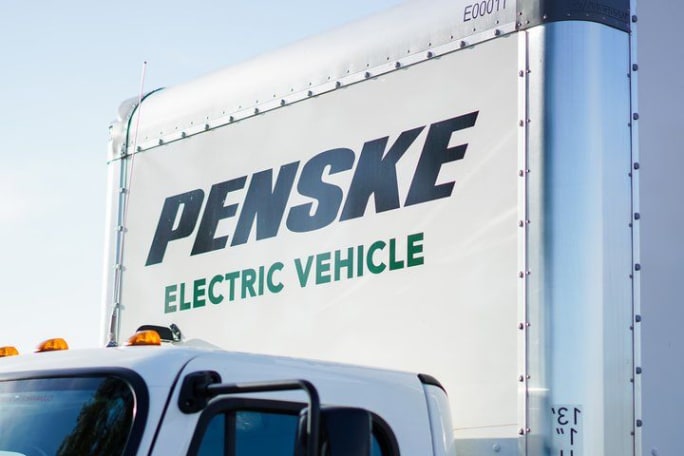
Electric trucks are growing in viability as a lease or rental option, mostly aimed at last-mile and return-to-base operations.
Photo: Penske Truck Leasing
How Electric Leasing Differs
Leasing an electric truck is an entirely different experience from leasing traditional gasoline or diesel units. It’s a much more involved process in developing a strategy and putting a comprehensive lease package together.
“Route considerations, truck application, duty cycle, and how and where the truck can be charged all must be considered. Understanding scalability to offset future costs is also a critical piece to the puzzle. To help with adoption of this new technology, many states are offering grants to help reduce infrastructure and truck costs,” said Willey of PacLease.
Mohr of Ryder agreed that the process is going to be significantly different from traditional leasing or even buying a vehicle, noting that this now puts customers into the fueling business.
“The majority of electric operation on the business side is going to need charging when they return to home or in between when vehicles go out for the first part of the day, return, and then go out for the second part of the day,” Mohr explained.
Ryder begins with a vehicle assessment for traditionally fueled vehicles — how many vehicles do we need, what kind, how is it financed, etc. For electric units, two additional steps have been added before any discussion begins about the vehicle.
“It comes down to facility assessment. How do you assess your facility’s existing electrical path capacity, and then how do you develop the optimal path to support EVs? What type of charging infrastructure you need to support your business? How many vehicles are you going to run there? What does your building have on it right now? What’s accessible from utilities?” Mohr said.
Don’t forget the still applicable grants and incentives. Not just how do you get them but can you apply them for appropriate infrastructure, and how?
“Once we understand how much power a fleet has or how much it can have, we start understanding the vehicle fit assessment and financing,” Mohr added. “There’s a much heavier focus on infrastructure and access to electric charging at your facility than really would have been needed in a traditional diesel or gas operation.”
Fluid Truck is a technology-based truck rental platform that offers 24/7 mobile access to various trucks, vans, SUVs, and more. In October 2020, the company announced it would add 600 Lightning Electric trucks and vans to its rental portfolio. They operate a rental operation to small business fleets, including last-mile operations.
Most of the rental process is like that of a traditional rental vehicle.
“Before the start of a reservation, users are required to submit their driver’s license via the Fluid Truck app for verification; then, they can pick up their reserved vehicle. Users are directed to the nearby pickup location, given a series of inspection prompts to document the vehicle’s condition, and the vehicle is unlocked via Fluid Truck’s secure telematics feature to start the reservation,” explained James Eberhard, founder & CEO of Fluid Truck. “When the user is ready to return the vehicle, they return to the pickup location, complete the return inspection process via the app, and the vehicle automatically locks and is ready for the next user.”
In 2018, Penske Truck Leasing accelerated its activities around testing electric vehicles with traditional OEMs, new startups, and more.
“The pieces of a lease equation are the same, whether it is a battery-electric vehicle or an internal combustion engine vehicle being leased. The conversations and considerations for customers to determine if leasing is right for them are essentially the same no matter the vehicle,” said Paul Rosa, senior vice president of procurement and fleet planning at Penske Truck Leasing. "Additionally, I’ve been asked often if there will be limitations to body upfits on EV chassis. Rest assured most of today’s body upfit options will be available."
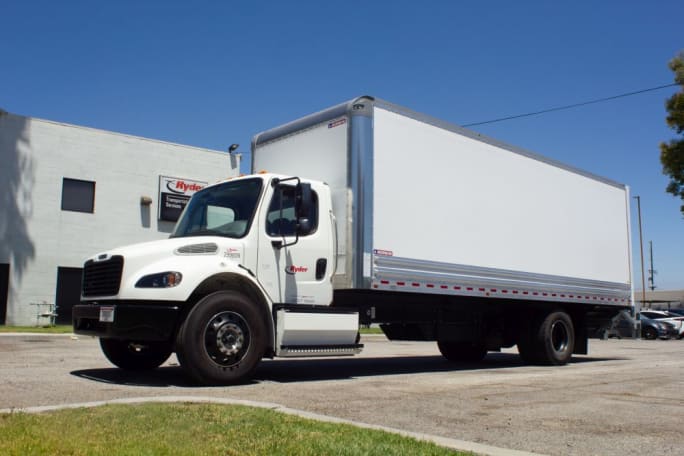
A traditional truck lease typically starts with a vehicle fit analysis. When leasing an electric unit, you have to take a few steps back look at yoru facility and power.
Photo: Ryder Fleet Management Solutions
Handling New Challenges
There are many important considerations for customers when determining if a battery-electric truck is right for their fleet, noted Rosa of Penske Truck Leasing.
The challenges and benefits of EVs have to be factored in, but are similar whether you lease or buy an electric vehicle.
“Will one have the infrastructure in place and ready to support EV charging and maintenance. Do today’s EV unit options even work for your operation? Today does the ROI make sense given the cost? And will the range work for your operation, eliminating range anxiety?” Rosa asked.
The most obvious challenge to electric vehicle lease or rental is infrastructure, followed by, and entirely connected to vehicle range. “Most fleets ask about is the range of the trucks. It’s imperative to know exactly how the trucks will be used and how fast they’ll need to be recharged. This includes selecting the proper charging solution for your operation, which is an important part of the process to get right,” said Willey of PacLease.
Range is an important consideration but be careful of reaching for the stars when you just need to get to the top of the mountain.
“Many fleets are operating under 100 miles per day. Do you want to pay for a vehicle with a 300-mile range at triple the battery cost when your operation and really suffice with a 150-mile range truck,” asked Mohr of Ryder.
Like any new product on the market, electric vehicles come with a degree of uncertainty that can be a barrier to adoption.
“Some fleets may have questions on fueling and driving range for electric vehicles; however, once in an electric truck, they quickly find that EVs work as well, if not better, for their needs. They also get the added delight of leaving less of a carbon footprint with their vehicle choice,” said Eberhard of Fluid Truck.
Finally, you still need maintenance on electric truck or van leases.
“When you have major work to do on the vehicles, you still need access to a facility, whether your leasing provider or your OEM provider. And then around the tools into your own business, most customers are going to run a mixed fleet for a long time. So they’re going to run some diesel, some gas, some electric. They’re really going to need to understand how to manage those vehicles all in one place. The complexity and the technology lends itself to outsourcing your vehicle management,” said Mohr of Ryder.
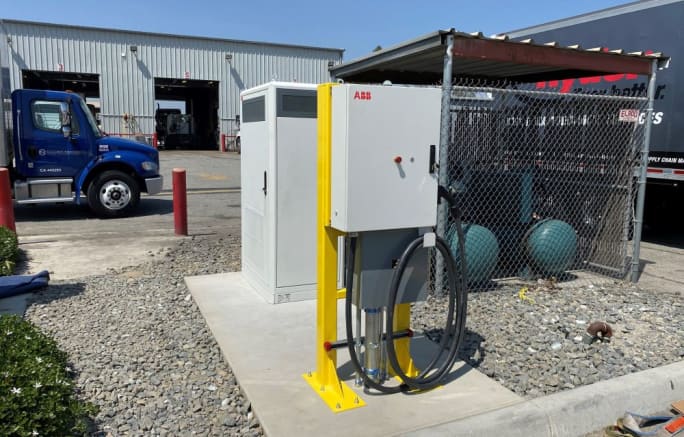
Infrastructure is a major component of electric truck rental, lease, or purchase. Fleets must have the ability to power the trucks between use.
Photo: Ryder Fleet Management Solutions
Subscribe to Our Newsletter
More Operations
The EV Breakdown Nobody's Talking About: Why Most Electric Vehicle Roadside Calls Aren't Mechanical Failures
Here's why EV breakdowns are widely misunderstood.
Read More →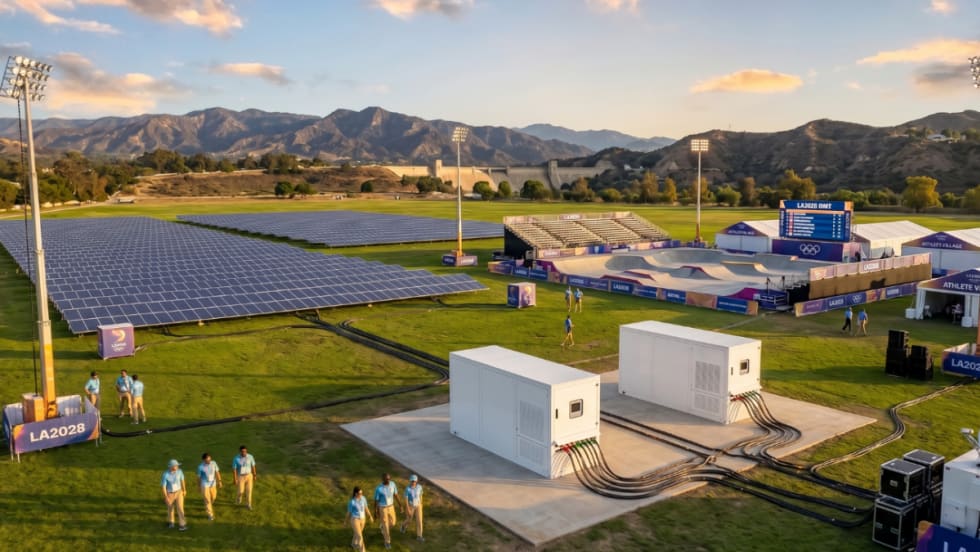
Xos White Paper Asserts LA Olympics Will Lack Enough EV Chargers
The commercial EV fleet company recommends some faster and more flexible remedies to relieve the anticipated shortfall.
Read More →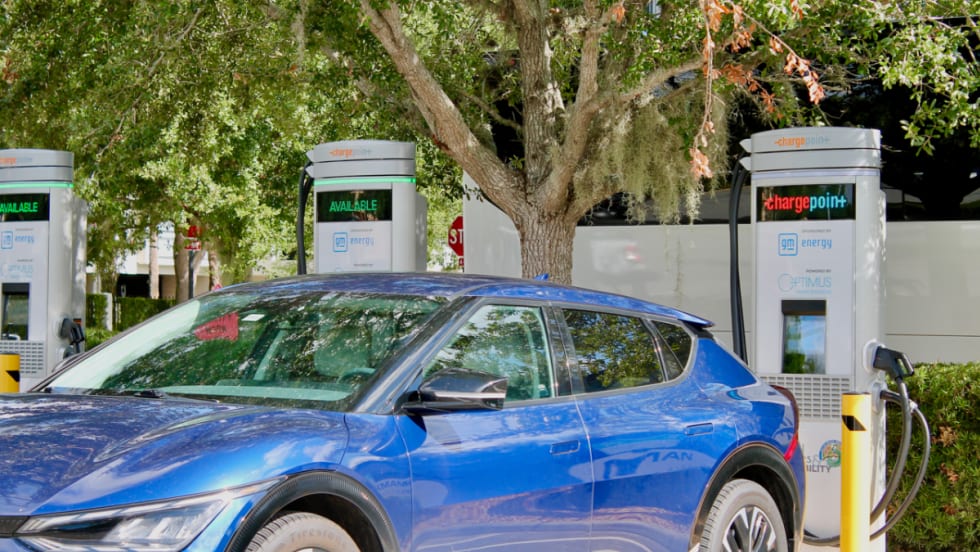
ChargePoint, Optimus Expand Fast-Charging Network Across Southeastern U.S.
ChargePoint will serve as the exclusive solutions provider, delivering hardware, software, and services to support Optimus’ growing charging network.
Read More →
Running A Profitable Electric Rental Fleet
How do you successfully operate an all-electric rental car fleet? Whether you manage a rental fleet or another commercial fleet, this conversation offers practical lessons on deploying, operating, and scaling electric vehicles.
Read More →
Registration Opens for 2026 Fleet Forward Conference
Held on the East Coast for the first time, the Washington, D.C.-area event features expert-led education, a new IIHS Crash Test Experience, and collocation with the NAFA’s Fleet Safety Symposium.
Read More →
Why Charging May Never Be As Easy As Filling Up Gas
A seamless charge depends on a string of independent companies getting it right together, every time. How can electric fleets navigate the challenges to create a successful charging plan?
Read More →
Slate Debuts Colorful, Unique EV Models
A recent media and client event, studded with electric vehicles dressed up on platforms, planted a new position for the manufacturer in the wider EV market. Fleets will find cost-saving advantages.
Read More →
Slate Electric SUV, Pickup Switchable Model Aims For Light-Duty Fleets
Everything about this EV is counterintuitive and understated, making it stand out from the crowd.
Read More →
Polestar Barred from U.S. Market Under Connected Vehicle Rule
The automaker loses its authorization to sell new vehicles in the U.S., starting with the 2027 model year. Polestar owners will retain access to the brand's service network.
Read More →
Uber, Nuro and Lucid Plan Houston Robotaxi Service in 2027
The tripartite venture brings out the combined advantages of electric vehicles, mobility, and autonomy into ground transportation.
Read More →