


Scarcity of Data on Plug-in Electrics Makes Fleet Decision-Making Difficult
In a recent plug-in electric vehicle survey, fleet managers responded that they did not feel they had the necessary data to make an informed decision, and only 35 percent saw a plug-in electric vehicle as a good fit for fleet.
Results of a plug-in electric vehicle survey show fleet managers felt they didn't have enough data to make informed decisions about plug-in electric vehicles. The brief survey was designed to better understand fleet managers' future use and application of plug-in electric vehicles, according to Donlen, a fleet leasing and management company.
"Plug-in electric vehicles are a viable option to help companies reduce carbon and cost. However, our GreenKey survey showed that more than 60 percent of respondents felt they did not have the necessary data to make an informed decision," said Dan Hannan, Donlen's senior vice president of sustainability and product development.
Low Likelihood of Electric Vehicle Purchases
Nearly 65 percent of respondents said they were "not likely" to purchase a plug-in electric vehicle, with the majority of respondents preferring a hybrid vehicle over plug-in hybrids and plug-in electrics. Most fleets were not currently focused on plug-in electric vehicle use due to a lack of data available for fleet to make a decision regarding their use, according to the survey.
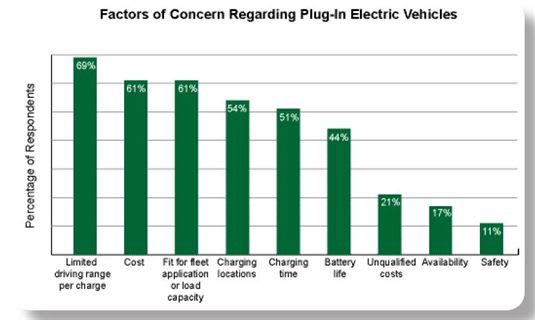
Other areas of concern were cost, limited driving range per charge, fit for fleet application or load capacity, and battery life, among others. Ninety-eight percent of respondents stated they would order 25 or fewer plug-in electric vehicles within the next year.
Plug-In Vehicles Potential Fit for Sales Applications
Those respondents who saw a plug-in electric vehicle as a potential opportunity responded they considered the plug-in electric a way to reduce operating costs and emissions, improve corporate image, and decrease dependence on foreign oil.
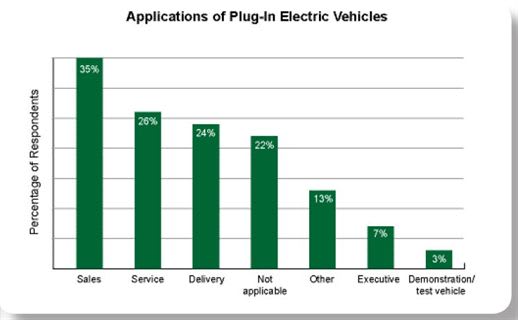
Thirty-five percent of respondents saw a plug-in electric vehicle as a good fit for sales application drivers, with 25 percent of respondents targeting service drivers. More than 25 percent of respondents would target the Midwest region as the starting point for use of plug-in electric vehicles, while the majority would consider multiple regions.
More than 46 percent of respondents would charge their electric vehicles at an office location, while 33 percent would charge their vehicles at home.
Ultimately, the majority of respondents did not consider plug-in electric vehicles a short-term solution. The lack of data surrounding operating cost, emissions, vehicle specifications, pricing, resale values, and fuel efficiency cloud the potential benefits.
Calculating Electric Vehicle Costs
To assist fleets make decisions around plug-in electric vehicle use, Donlen GreenKey built the Electric Vehicle Cost Calculator (EVCC), which can help fleets understand operating costs and the environmental impact of an electric vehicle. For more information about the survey, the Electric Vehicle Cost Calculator, or services offered by Donlen GreenKey consultants, visit www.donlengreenkey.com.
Originally posted on Automotive Fleet
More Electric Vehicles
EV Charging Use Is Outpacing Infrastructure Growth
ChargePoint’s 2026 Charging Forward Report points to rising charger use, higher-powered charging, commercial vehicle electrification, and energy-management technology. Here’s what fleets should know.
Read More →
EV Realty Names Henrik Holland President as Charging Platform Expands
The former Prologis Mobility and Shell executive will help expand EV Realty’s truck charging business and move its power-first infrastructure model into autonomous vehicle depots and other fleet sectors.
Read More →
GreenPower Expands New Mexico EV Pilot With Larger Buses, V2G Testing
After logging more than 17,000 electric miles in the first year, New Mexico’s statewide pilot is moving into its second phase with larger vehicles, continued charging evaluations, and more.
Read More →
Can EV-as-a-Service Help Fleets Scale Electrification?
Sustainability Partners CEO Adam Cain explains how matching EVs, charging infrastructure, and duty cycles can help fleets scale electrification.
Read More →
How EV-as-a-Service Is Moving Fleets Beyond Pilots
Adam Cain, president and CEO of Sustainability Partners, explains how EV-as-a-service can help fleets scale deployments by addressing duty-cycle requirements and charging challenges.
Read More →
PowerFlex, The Mobility House Join Forces to Advance Fleet Electrification
Two EV charging providers are joining forces to deliver a broader portfolio of energy management and fleet electrification solutions.
Read More →
Ford Retools Louisville Plant for Fathom Electric Truck Production
Ford's $2 billion Louisville Assembly Plant overhaul introduces a three-part assembly process for the Fathom midsize electric truck, with production scheduled to begin in 2027.
Read More →
Merchants Fleet Reports 290M EV Miles as Fleets Navigate Changing Electrification Market
From millions in operating savings to hundreds of millions of EV miles, Merchants Fleet’s latest report reveals what’s working and what’s changing in fleet electrification.
Read More →
California District Commits to Electrify 25% of School Bus Fleet by 2028
One of the nation's largest school bus electrification projects to date demonstrates how grants, charging infrastructure, and public-private partnerships can help fleets transition to EVs at scale.
Read More →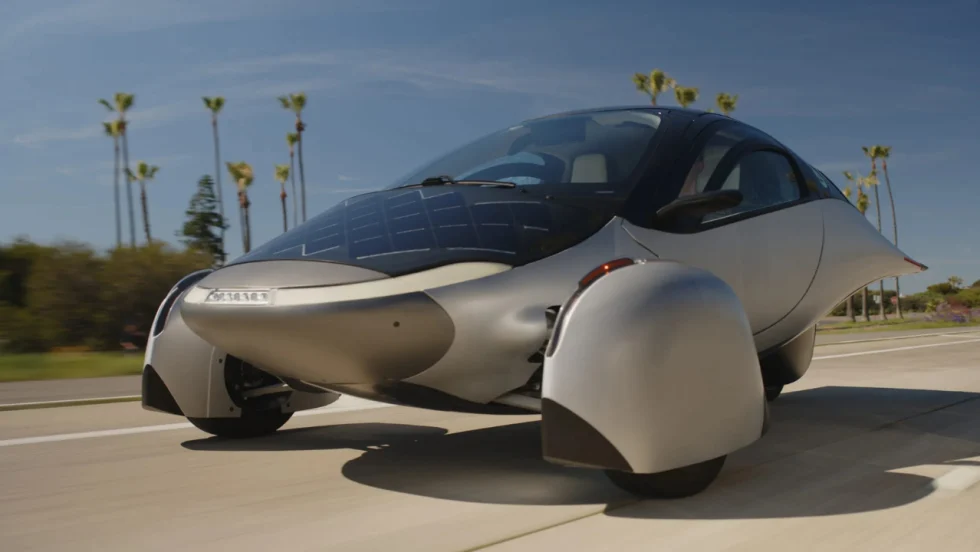
Aptera Orders Bodies and Chassis for Its First 40 Production Vehicles
Aptera Motors Corp. has issued purchase orders for the major structural components of its first 40 vehicles, and body and chassis components are expected to begin arriving in October.
Read More →