


About the Author: Terry O’Day is co-founder and COO of InCharge Energy, a provider of commercial EV fleet charging.
Reliability and EV Charging: What Do Fleets Need to Know?
The commercial fleet space requires its own definition of reliability when it comes to EV charging that includes assessments of both hardware and software.
by Terry O’Day, InCharge Energy
December 28, 2022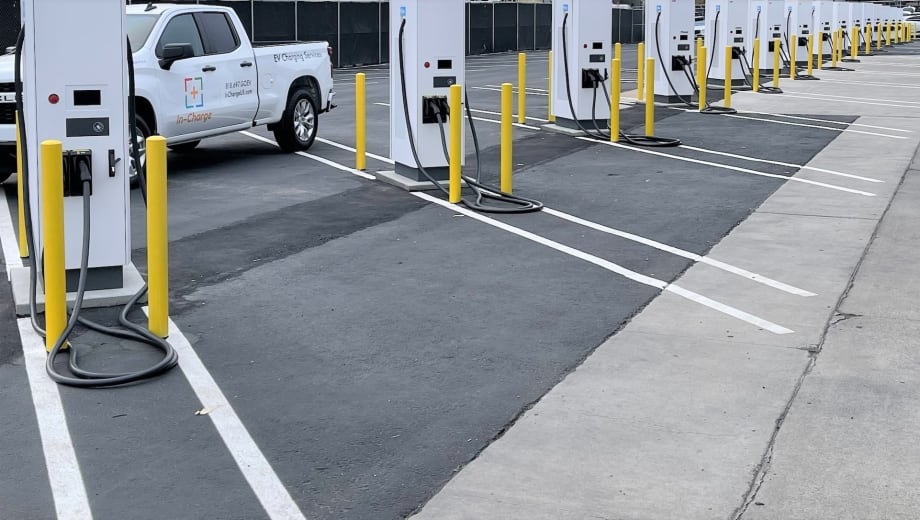
Maintaining reliable chargers requires regular inspections by fleet managers, preventative maintenance by experienced electricians, and daily checks by network technicians who can see the chargers online.
Photo: InCharge Energy
3 min to read
We see the word “reliability” used all the time in EV charging. But if you’re new to electric vehicles, you might be scratching your head when you see this. You might ask yourself, “Why wouldn’t a charger be reliable?”
It’s an important question, especially for fleets, where uptime means everything. So let’s unpack this buzzword and how it relates to commercial fleet electrification.
What Reliability Means in EV Charging
I’ve worked in the EV space since the 1990s when GM launched the EV1. Since that time, reliability in EV charging has typically referred to whether a charger works to charge an EV. As new EV charging services and networking software have emerged, “reliability” is being applied in all sorts of contexts. Some companies for example boast 99% or greater reliability, while others are reportedly struggling to be available 60% of the time. It turns out these companies are referring to totally different product offerings. It can certainly feel overwhelming to the uninitiated.
Typically, reliability is used in reference to public chargers and charging networks, where people are relying on charging for personal transportation. Recent studies and government investments have put a great deal of attention on this sector.
In the commercial fleet space, we require our own definition of reliability. The way fleets operate and travel are different from the average driver, and the consequences of charging downtime and security breaches are different. Here’s what reliability needs to mean for fleets:
A charger safely puts kilowatt-hours into a fleet vehicle when the vehicle needs it at the full power level the vehicle requires.
How Reliability Is Measured
You’ve probably seen EV charging services promote “99% reliability” or “better than 99% uptime.” What goes into that calculation?
That really depends on the product being promoted. Let me break it down into two categories: hardware and software.
For hardware, EV charger reliability is measured by how effectively a charger puts kilowatt-hours into a vehicle.
However, reliability in this sense is difficult to measure consistently. Why? First, a charger may charge a vehicle but only to 50% power — is that still meeting your reliability requirement? Second, there are many different types of EVs out there, so you must factor your specific fleet mix. A charger may charge one vehicle perfectly, but a different model at only half the necessary power level.
Additionally, no matter how good an EV charger may be, users are interfacing with them every day. And as fleet owners and managers, you can certainly understand the toll that high utilization can take on a piece of equipment. Maintaining reliable chargers requires regular inspections by fleet managers, preventative maintenance by experienced electricians, and daily checks by network technicians who can see the chargers online.
For software, reliability is even stickier to quantify.
Charger management software tracks each charger in a fleet’s charging infrastructure. I’ve seen a few examples from software companies that boast nearly 100% reliability. What they're calculating is how many times their software checks in with a charger — that’s it.
That’s not a measure of whether the charger actually provides kWh to the vehicles. And when a charger is down, it often requires an experienced technician to repair it, not a remote software solution.
Questions for Charging Services
As you begin electrifying your fleet, ask these questions when you’re talking to EV charging infrastructure services:
How many chargers are you currently maintaining and using to serve fleet vehicles?
How do you provide reliability and how do you measure it?
What are the common failure points in your system?
Do you rely on subcontractors? To what extent?
What is your speed of resolution when my chargers are down?
How can I design my installation to be reliable and resilient?
As you plan to electrify your fleet, it’s incredibly important to understand the word that’s so fundamental to EV charging — reliability — as pedestrian as it might seem. Set your fleet up for success by establishing high reliability standards early and getting agreement from vendors on what it means.
Originally posted on Automotive Fleet
Subscribe to Our Newsletter
More Charging
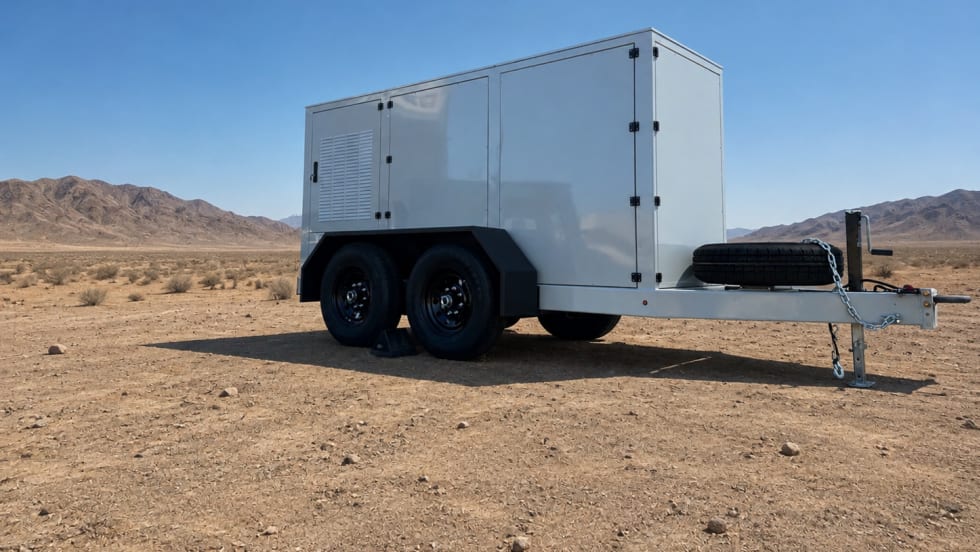
Xos Mobile Charging Hub Surpasses 1 GWh of Energy Delivered
As fleets electrify, charging capacity does not always arrive on the same timeline as the vehicles. Operating data from one Xos Hub shows how mobile, grid-independent charging can support vehicles when permanent infrastructure or utility upgrades aren't available.
Read More →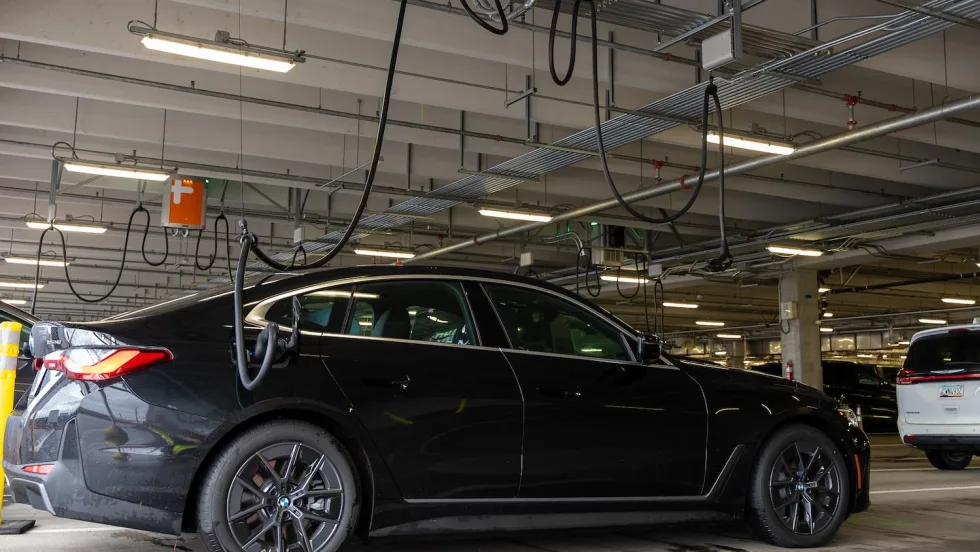
ChargePoint Adds Overhead EV Fast Charging at Portland International Airport
The installation can charge up to 20 rental vehicles simultaneously and uses overhead equipment to preserve ground-level space at the airport's Quick Turnaround Facility.
Read More →
Octopus Energy Launches Public EV Charging App in U.S.
Octopus Charge allows EV drivers to locate and access public charging stations through a single app, building on the company's Electroverse platform in Europe.
Read More →
Schneider Electric Launches Level 2 Home EV Charger With Integrated Load Management
Schneider Charge uses integrated SmartAmp technology to adjust charging output based on household electrical demand and is available with NACS or J1772 connectors.
Read More →
Why EV Charging Reliability Is More Complicated Than It Looks
GridLink CEO Josh Silets explains what causes EV chargers to fail, why fleet operators often struggle to identify the source, and what questions they should ask charging vendors.
Read More →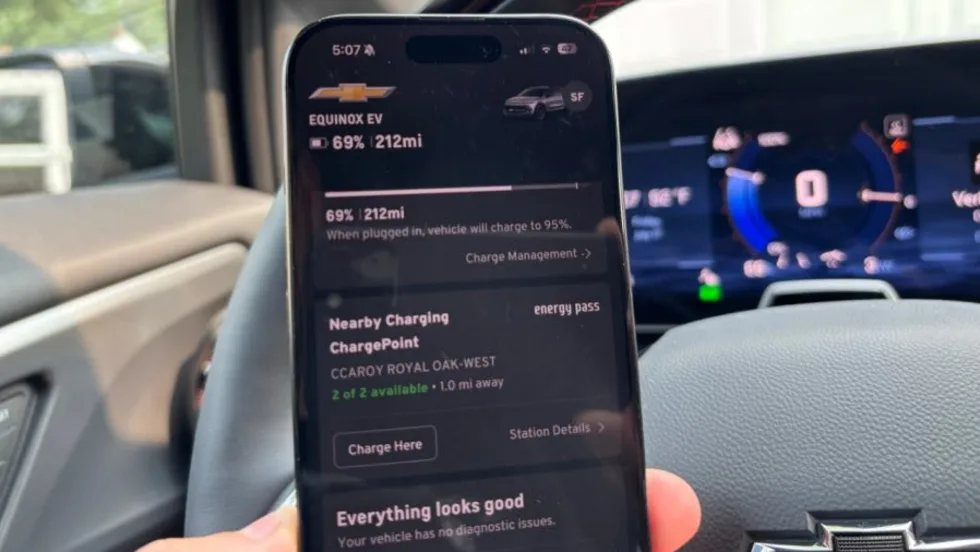
GM Adds ChargePoint Network to Energy Pass Platform
The integration gives GM EV drivers access to additional DC fast chargers and Level 2 stations through a single app while expanding the automaker's public charging ecosystem.
Read More →
Xos White Paper Asserts LA Olympics Will Lack Enough EV Chargers
The commercial EV fleet company recommends some faster and more flexible remedies to relieve the anticipated shortfall.
Read More →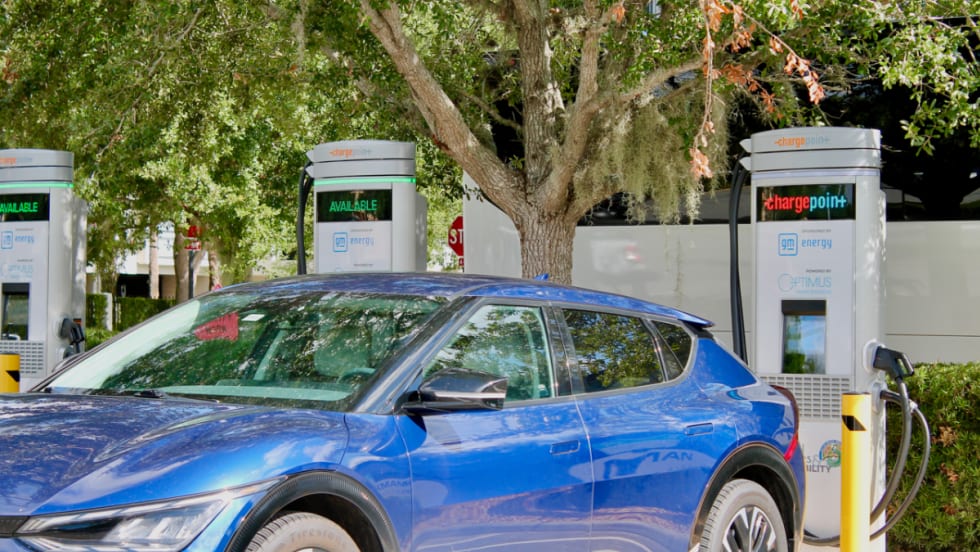
ChargePoint, Optimus Expand Fast-Charging Network Across Southeastern U.S.
ChargePoint will serve as the exclusive solutions provider, delivering hardware, software, and services to support Optimus’ growing charging network.
Read More →
Running A Profitable Electric Rental Fleet
How do you successfully operate an all-electric rental car fleet? Whether you manage a rental fleet or another commercial fleet, this conversation offers practical lessons on deploying, operating, and scaling electric vehicles.
Read More →
Why Charging May Never Be As Easy As Filling Up Gas
A seamless charge depends on a string of independent companies getting it right together, every time. How can electric fleets navigate the challenges to create a successful charging plan?
Read More →