


Preparing for the Connected Fleet
At the recent virtual Data-Driven Fleet Experience, GM Fleet’s Ed Peper and Michelle Calloway of OnStar discussed how fleet managers should ready themselves for a future driven by data.
by Lexi Tucker
May 12, 20214 min to read
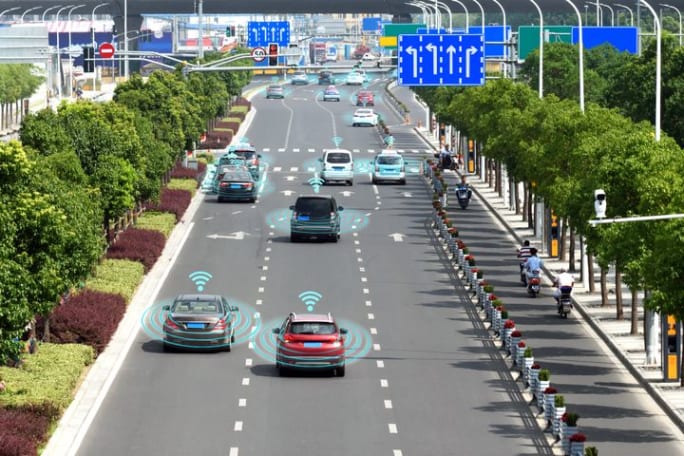
Photo via Shutterstock/zap2photo.
During the Data-Driven Fleet Experience, held online April 19-23 (and now available on-demand), Ed Peper, U.S. vice president of General Motors Fleet, interviewed Michelle Calloway, director of OnStar Business Solutions for General Motors, about the future of connected vehicles and a data-driven fleet. They touched on hot topics like OEM telematics, determining what data to collect, and learning how to better understand and use that data.
Capturing Beneficial Information
Calloway kicked the discussion off by saying decisions are only as good as the data they are based on, and that’s why accessing OEM-specific data can create a broader picture of fleet health.
“It can help fleet managers manage day-to-day business decisions as well as long-term investments based on data, like total cost of ownership,” she explained.
One example she gave was data on brake pad wear. This isn’t something drivers typically consider, and they are not usually qualified to monitor it without a service visit.
“With this information coming from a vehicle, a manager could set a particular wear milestone and schedule the service in advance,” she said.
The Pros of OEM Telematics
Fleet managers are now seeing more OEMs introducing embedded telematics devices. Advantages include the fact that fleet managers don’t have to purchase and maintain additional hardware. There’s also no downtime for installation, and embedded hardware is easier to manage because it can be activated at the factory.
“Embedded devices can also enable remote vehicle control commands that aren’t possible for customers using aftermarket hardware. Also, competitive innovation leads to unique features, capabilities, and data-driven insights as a result,” she continued.
Peper noted most fleet managers have a mixed fleet from different OEMs and don't want to manage multiple systems. However, according to Calloway, data standards and APIs can ensure interoperability of the information across mixed fleets and maintain each brand's unique data insights into vehicle platforms and product features.
Calloway discussed how GM is looking at telematics as a way to make it easier for fleet managers to be less reactive and more proactive when it comes to controlling costs and improving ROI.
While the basics — such as vehicle location, routing, fuel usage, and idle time —, will still be vital for day-to-day operations, getting richer data from more sources will make for better, faster decisions.
“Telematics will help managers make more timely, accurate decisions about overall fleet composition, utilization, driver behavior, and loss prevention as we move forward,” she stated.
Partnering Up
The discussion then shifted to how telematics service providers (TSPs) are strengthening partnerships with OEMs for richer data sets.
Calloway talked about how TSPs understand there's data in the vehicle that GM simply can't access with an aftermarket device. To tap into that information, OEMs need embedded connections from the manufacturer.
“With the sunsetting of 3G, they (TSPs) need to replace the hardware in their customers' vehicles. These devices are a significant pain point for their customers, from getting them installed to keeping them installed and more,” she explained.
Hardwired devices equate to downtime for fleet customers. If they can leverage embedded hardware in the vehicle instead, they won't need to worry about replacement time and costs.
GM is working with TSPs to enhance data capture capabilities to benefit fleets by providing API connections for larger fleets, both directly and through telematics service providers.

Screen capture courtesy of General Motors.
Actionable Insights
The amount of data coming from a vehicle continues to increase exponentially. When asked if fleets should be looking at new or different types of data to harness instead, Calloway said for most fleets, it's not so much about new types of data, but about viewing it differently to make better business decisions.
“The real value is turning that data into actionable insights: how it can help your business and make your job easier? It enables managers to determine how they can be more productive, enhance routing, and manage downtime and expenses,” she clarified.
EV Evolution
Calloway talked about new skill sets fleet managers will need to thrive in a changing environment.
They will be expected to understand what the data they collect means, and they will expect their TSP to help them with that task.
“This will be especially important as fleets transition to the EV space. It's a new equation for the total cost of ownership. While there will be less data to manage on some of the traditional fronts — like maintenance and fuel costs — there will be new data to manage around charging infrastructure, employee charging reimbursement, and management information,” she explained.
Topics:connected vehicle technologyOEM TelematicsOnStarGeneral MotorsData-Driven Fleet ExperienceData AnalysisOperations
Originally posted on Automotive Fleet
Subscribe to Our Newsletter
More Operations
The EV Breakdown Nobody's Talking About: Why Most Electric Vehicle Roadside Calls Aren't Mechanical Failures
Here's why EV breakdowns are widely misunderstood.
Read More →
Xos White Paper Asserts LA Olympics Will Lack Enough EV Chargers
The commercial EV fleet company recommends some faster and more flexible remedies to relieve the anticipated shortfall.
Read More →
ChargePoint, Optimus Expand Fast-Charging Network Across Southeastern U.S.
ChargePoint will serve as the exclusive solutions provider, delivering hardware, software, and services to support Optimus’ growing charging network.
Read More →
Running A Profitable Electric Rental Fleet
How do you successfully operate an all-electric rental car fleet? Whether you manage a rental fleet or another commercial fleet, this conversation offers practical lessons on deploying, operating, and scaling electric vehicles.
Read More →
Registration Opens for 2026 Fleet Forward Conference
Held on the East Coast for the first time, the Washington, D.C.-area event features expert-led education, a new IIHS Crash Test Experience, and collocation with the NAFA’s Fleet Safety Symposium.
Read More →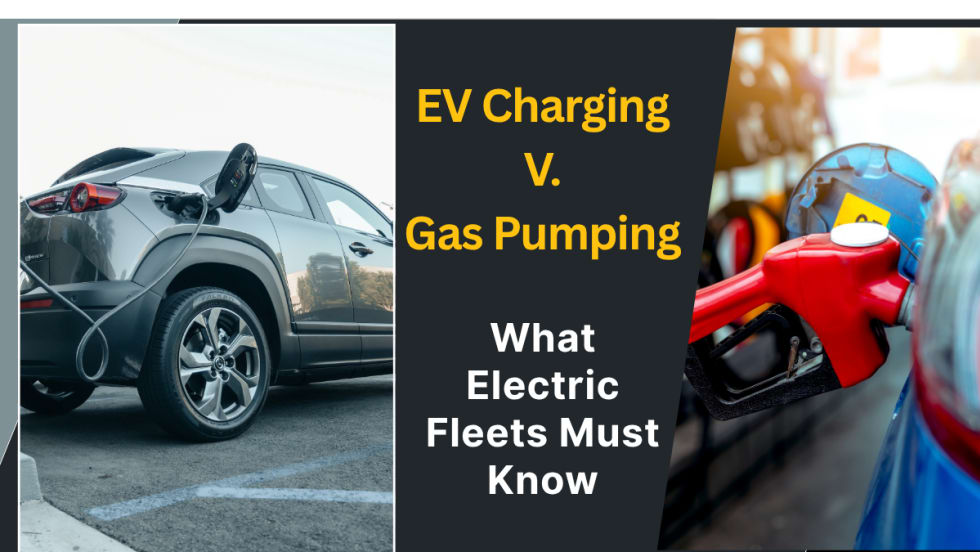
Why Charging May Never Be As Easy As Filling Up Gas
A seamless charge depends on a string of independent companies getting it right together, every time. How can electric fleets navigate the challenges to create a successful charging plan?
Read More →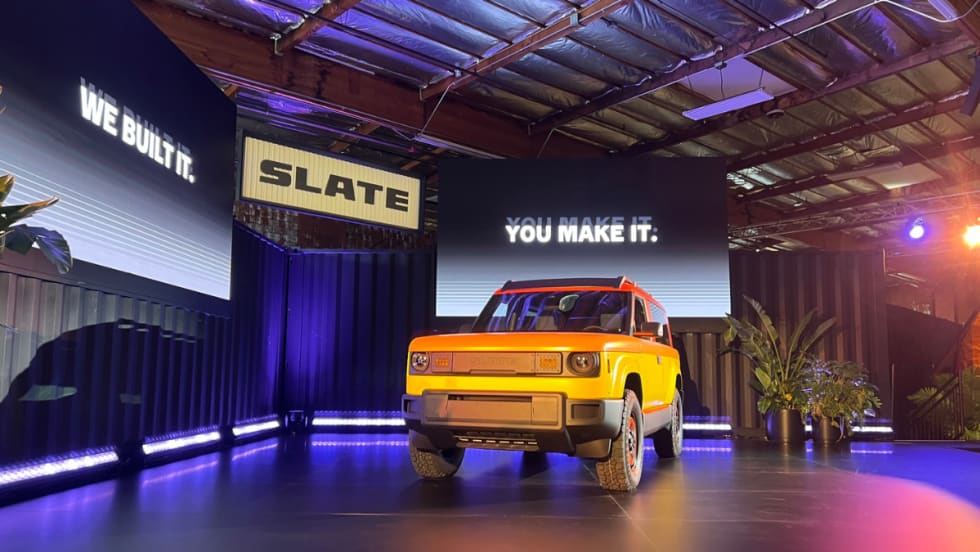
Slate Debuts Colorful, Unique EV Models
A recent media and client event, studded with electric vehicles dressed up on platforms, planted a new position for the manufacturer in the wider EV market. Fleets will find cost-saving advantages.
Read More →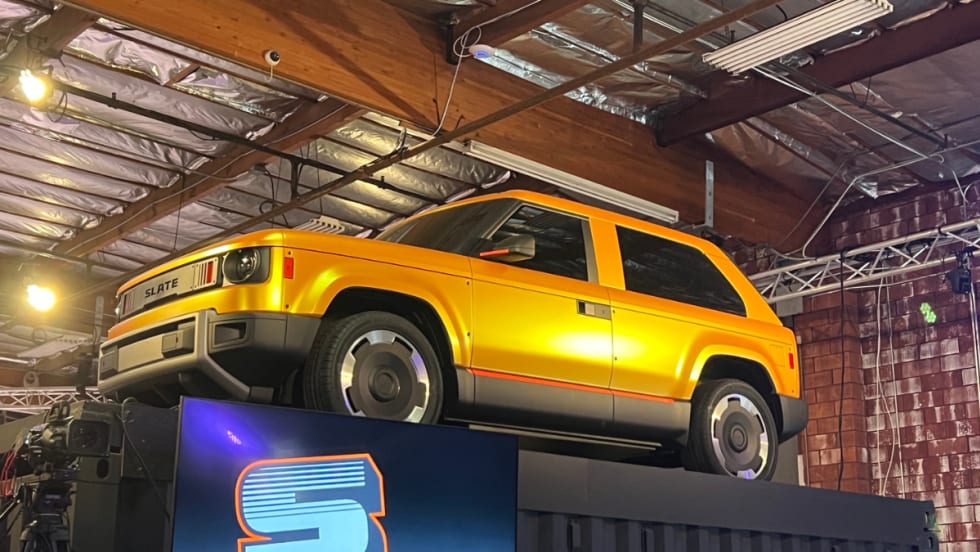
Slate Electric SUV, Pickup Switchable Model Aims For Light-Duty Fleets
Everything about this EV is counterintuitive and understated, making it stand out from the crowd.
Read More →
Polestar Barred from U.S. Market Under Connected Vehicle Rule
The automaker loses its authorization to sell new vehicles in the U.S., starting with the 2027 model year. Polestar owners will retain access to the brand's service network.
Read More →
Uber, Nuro and Lucid Plan Houston Robotaxi Service in 2027
The tripartite venture brings out the combined advantages of electric vehicles, mobility, and autonomy into ground transportation.
Read More →