


Learn More: Why the Future of EVs is Less Predictable
Post-Credits: How EV Adoption Advances When Incentives Fade
Lease returns and trade-ins are boosting the supply of used EVs, making them more affordable than ever.
by Stephanie Valdez Streaty, Cox Automotive
September 24, 2025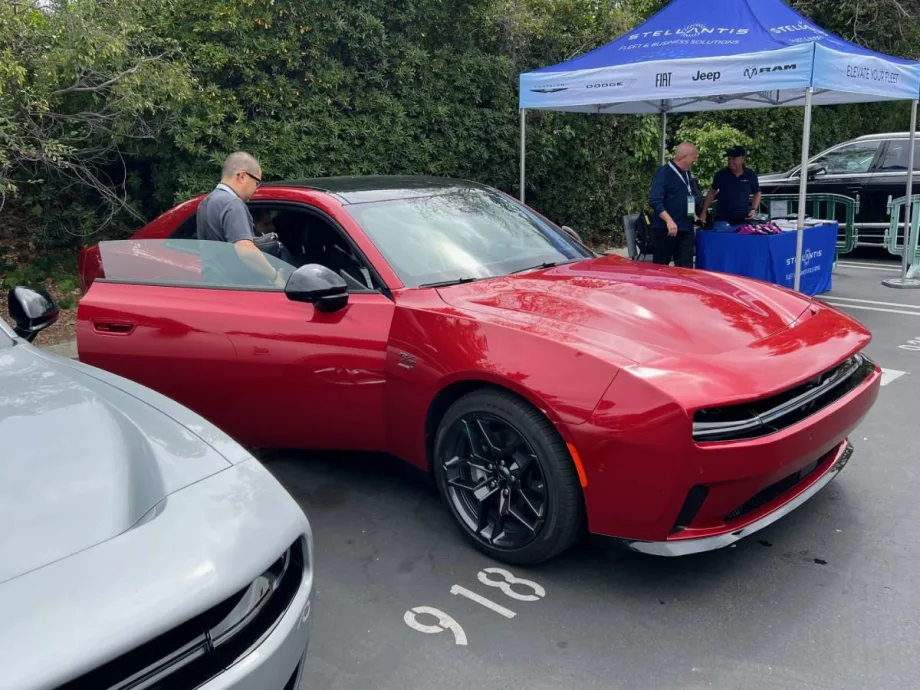
As government-backed incentives fade away in October, the biggest near-term challenge to the industry and automakers will be how to manage costs and ensure that EVs are within reach of more consumers. Price parity remains elusive. Until that happens, EV growth will be challenged.
Photo: Martin Romjue / Charged Fleet
5 min to read
The federal tax credits that helped make electric vehicles attainable for millions of Americans are winding down.
For many, that raises the question: will adoption stall without that $7,500 headline incentive? At Cox Automotive, we believe EV adoption will continue, but not automatically. To maintain momentum, automakers, policymakers, and industry stakeholders must stay focused on three critical levers: cost, confidence, and convenience.
Cost: The Affordability Test
Even as battery costs decline, EVs remain a premium purchase. In August 2025, the average EV sold for $57,245, which is $9,066 more than a comparable gasoline model. Incentives narrowed that gap, but with federal credits ending, mainstream buyers will feel the pinch.
Automakers and the government alike have been offering numerous sales incentives on EVs, with the typical incentive package reaching a record 17.5% of the average transaction price in July before dropping to 16% in August. They have also been increasingly leaning on leasing.
Since 2023, more than 1.1 million EVs have been leased, with lease share holding above 50% for eight straight months. Leasing lowers monthly payments, keeps technology fresh, and builds the pipeline of used electric vehicles that will define the next stage of adoption.
As government-backed incentives fade away in October, the biggest near-term challenge to the industry and automakers will be how to manage costs and ensure that EVs are within reach of more consumers. Price parity remains elusive. Until that happens, EV growth will be challenged.
Confidence: Making Battery Health Visible
Price alone won’t close the deal. Electric vehicle buyers need confidence, especially when it comes to battery life. That’s why the industry is converging on a new metric: State of Health (SoH). SoH reporting, tied to each vehicle’s VIN, is becoming essential for consumers, lenders and insurers alike. As it becomes as routine as an odometer reading, battery health measures will ease buyer anxiety, stabilize pricing, and unlock the used EV market at scale.
Convenience: Charging Shapes the Map
Between January and August 2025, the U.S. added more than 21,000 charging ports, bringing the total to 228,701. DC fast chargers alone grew nearly 19%. Still, reliability and availability vary by region, meaning geography matters more than ever. States with rebates, utility programs, and National Electric Vehicle Infrastructure (NEVI) funded corridors, like those in California, Colorado, and Washington, are creating adoption hotspots. As we have noted before, the gasoline infrastructure in the U.S. has been under development for more than 100 years. A charging infrastructure to support the wide adoption of EVs still has a long way to go.
The Used EV Wave Is Coming
Lease returns and trade-ins are boosting the supply of used EVs, making them more affordable than ever. In August, the price difference between a used EV and a used internal combustion engine (ICE) vehicle fell to just $897 – the lowest on record – as used EV sales climbed to nearly 41,000 units, lifting market share to 2.4%.
For mainstream buyers, EV affordability in the used-vehicle space is finally within reach. At the same time, hybrids and plug-in hybrids continue to appeal to shoppers who value fuel economy and the convenience of familiar refueling. However, the long-term trajectory favors full electrification: falling cell costs, the rise of new battery technologies and chemistries, and a domestic battery supply chain supported by the 45X credit (the Advanced Manufacturing Production Credit created under the Inflation Reduction Act of 2022) all point in that direction.
Consumer intent to purchase an EV reinforces this outlook. Recent Morning Consult research found that 65% of EV Intenders still say they would consider buying an electric vehicle despite the phasing out of the Inflation Reduction Act tax rebates. Access to charging, vehicle performance, cost savings and environmental concerns all ranked higher in purchase consideration than rebates.
Together, these forces suggest a solid foundation for future EV market growth. As the price gap narrows and the total cost of ownership becomes more compelling, intent can translate into used EV sales, but only if transparency keeps pace. Without VIN-level battery health data, deals stall and margins compress. Delivering clarity and confidence will be critical to unlocking scale in the used EV market.
What Next For EVs in the U.S.: Outlook and Action
Without fresh federal support, the U.S. EV share is likely to hover below 10% in 2025. However, we still believe the EV mix of sales can climb to near 25% by 2030, well short of the 50% once envisioned, but certainly moving out of the “niche” category. That slower climb carries real consequences for emissions, competitiveness, and industry planning.
What the Industry Must Do Now: With $7,500 incentives eliminated, the case for EVs now rests on performance, technology and total cost of ownership, rather than subsidies. Making data understandable, with SoH reporting standardized at the VIN level across listings, appraisals and financing, is essential.
The industry also needs to follow demand as closely as policy, concentrating inventory and marketing in the regions where state and utility incentives, as well as charging density, align to support adoption.
And it’s not just about consumers: fleets remain a critical lever. Electrified fleets – especially those with predictable routes and centralized charging – are well-suited for early adoption.
As these vehicles transition out of commercial service, they help seed the used EV market, expanding access to more affordable electric options for secondary buyers.
Cox Automotive’s Role: Cox Automotive is helping scale EV adoption by making data and tools more accessible.
Bottom Line
The federal tax credit was a key catalyst for EV adoption, and its expiration marks a pivotal moment. This shift will test whether the electric vehicle market is mature enough to thrive on its own fundamentals or still needs support to expand further.
Growth moving forward will be slower than many advocates hoped, though continued innovation in battery technology, improved transparency in battery health, and expanding infrastructure give reason for optimism. The road ahead will be challenging, but progress will continue.
Subscribe to Our Newsletter
More Electric Vehicles
EV Charging Use Is Outpacing Infrastructure Growth
ChargePoint’s 2026 Charging Forward Report points to rising charger use, higher-powered charging, commercial vehicle electrification, and energy-management technology. Here’s what fleets should know.
Read More →
EV Realty Names Henrik Holland President as Charging Platform Expands
The former Prologis Mobility and Shell executive will help expand EV Realty’s truck charging business and move its power-first infrastructure model into autonomous vehicle depots and other fleet sectors.
Read More →
GreenPower Expands New Mexico EV Pilot With Larger Buses, V2G Testing
After logging more than 17,000 electric miles in the first year, New Mexico’s statewide pilot is moving into its second phase with larger vehicles, continued charging evaluations, and more.
Read More →
Can EV-as-a-Service Help Fleets Scale Electrification?
Sustainability Partners CEO Adam Cain explains how matching EVs, charging infrastructure, and duty cycles can help fleets scale electrification.
Read More →
How EV-as-a-Service Is Moving Fleets Beyond Pilots
Adam Cain, president and CEO of Sustainability Partners, explains how EV-as-a-service can help fleets scale deployments by addressing duty-cycle requirements and charging challenges.
Read More →
PowerFlex, The Mobility House Join Forces to Advance Fleet Electrification
Two EV charging providers are joining forces to deliver a broader portfolio of energy management and fleet electrification solutions.
Read More →
Ford Retools Louisville Plant for Fathom Electric Truck Production
Ford's $2 billion Louisville Assembly Plant overhaul introduces a three-part assembly process for the Fathom midsize electric truck, with production scheduled to begin in 2027.
Read More →
Merchants Fleet Reports 290M EV Miles as Fleets Navigate Changing Electrification Market
From millions in operating savings to hundreds of millions of EV miles, Merchants Fleet’s latest report reveals what’s working and what’s changing in fleet electrification.
Read More →
California District Commits to Electrify 25% of School Bus Fleet by 2028
One of the nation's largest school bus electrification projects to date demonstrates how grants, charging infrastructure, and public-private partnerships can help fleets transition to EVs at scale.
Read More →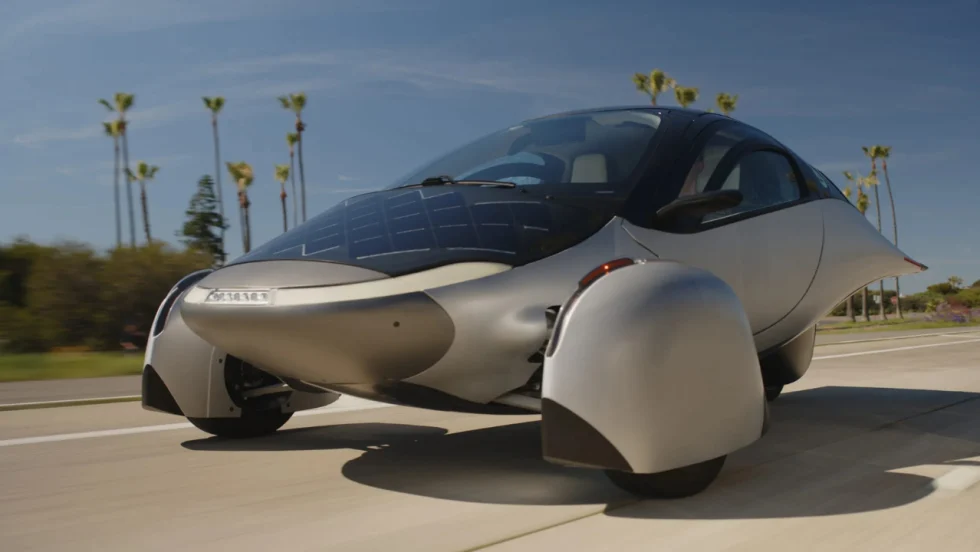
Aptera Orders Bodies and Chassis for Its First 40 Production Vehicles
Aptera Motors Corp. has issued purchase orders for the major structural components of its first 40 vehicles, and body and chassis components are expected to begin arriving in October.
Read More →