



Keep Reading: 2024 Mercedes-Benz E-Class Sedan Features New Design Elements, Tech
Mercedes eSprinter Heralds New Electric Van Era
The 2024 Mercedes-Benz eSprinter has 113 kWh of usable battery capacity, which opens a wide range of use cases for commercial fleets.
February 5, 2024
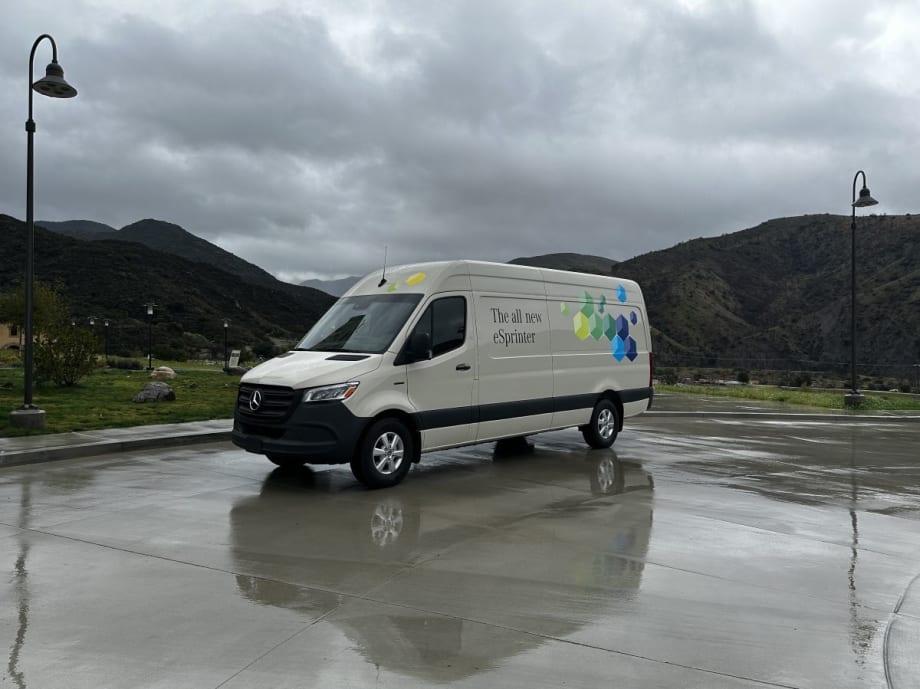
For the U.S. market, eSprinter will come as a high-roof, rear-wheel-drive cargo van with a 170-in. wheelbase and 488 cu. ft. of cargo volume.
Photo: Chris Brown
6 min to read
The commercial van segment has long been identified as a prime segment for electrification, particularly for last-mile delivery. The use case plays to the strengths of EVs: dedicated urban routes, overnight depot parking, manageable payloads, and enough daily miles to maximize the EV premium but within the battery’s daily range.
Two major issues have gotten in the way of adoption — a lack of chargers and a lack of product. The buildout of public and depot charging infrastructure is still painfully slow, while the rollout of electric van models has been stuck in supply chain hell. Until now.
Ford was first out of the gate with E-Transit back in the first quarter of 2022, though its 68-kWh battery size limits applications. BrightDrop's and Rivian’s commercial vans were sequestered by FedEx and Amazon for years but are ready to scale production to the wider market. Ram is taking orders for the ProMaster EV now.
Add Mercedes-Benz eSprinter to the product party. The new eSprinter embodies the second generation of electric commercial vans that are able to satisfy a wider set of work use cases. Mercedes expects 20% of global Sprinter sales to be electric within two years and 50% by 2030.
Mercedes invited auto journos to Newport Beach, California on Feb. 1 for a ride-and-drive and product deep dive.
Battery Size Matters
For the U.S. market, eSprinter will initially come as a high-roof, rear-wheel-drive cargo van with a 170-in. wheelbase, a GVWR of 9,370 lbs., and cargo volume of 488 cu. ft. If you’ll ever need to pull a trailer with your eSprinter, towing capacity is 4,277 lbs.
Max payload is 2,624 lbs., which is about 30% to 45% fewer pounds than an ICE Sprinter, depending on configuration. This payload compromise isn’t unique to Sprinter; it’s a function of any commercial EV.
Now to the battery: An electric Sprinter has been offered in Europe since 2019 but with a smaller battery (55 kWh) than E-Transit’s. The new eSprinter has 113 kWh of usable battery capacity, with a top range, on paper, of 250 miles. This is on par with eSprinter’s competition — BrightDrop, Rivian, and Ram — which offer EPA and WLTP-rated ranges of 161 to 250 miles.
Dispel those top ranges from your head and leave them for hyper-mile competitions. By all means, do not base your duty cycles around them.
Factors such as upfits, equipment, payloads, ambient temperature, climate control, road grades, driving style, and avoiding charging to 100% will put a serious dent in real-world range. But going 170 miles instead of 250 on a single charge will still fit a wide range of use cases.
As we wait for the “big breakthrough” in electrification, incremental improvements in battery technology are meaningful to expand the market for fleets. Mercedes says the lighter weight motor and new electric rear axle, firsts for Mercedes’ e-vans, boost efficiency by 18% compared to the first eSprinter generation.
And, this is important — eSprinter’s battery is lithium ferro-phosphate (LFP), a new generation of battery chemistry that eliminates cobalt and nickel and their geopolitical and environmental risks.
Buyers can upgrade to the new MBUX head unit, which takes cargo van driving into a passenger car experience. MBUX offers an updated look and feel to driver controls, including the ability to finger-scroll through options on the steering wheel.
MBUX also helps to optimize charging. When a charging station is set in the MBUX navigation, active thermal management takes over to make sure the battery is at the ideal temperature before charging.
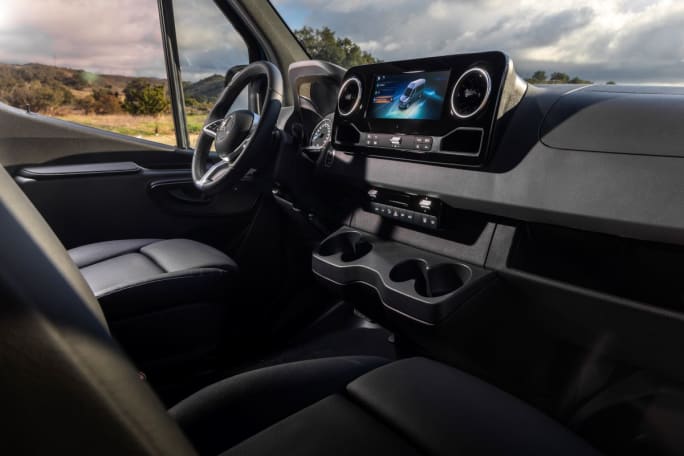
Drivers will find the eSprinter comfortably familiar. It’s still a Sprinter but with 2024 technology.
Photo: Mercedes-Benz
Driving the 2024 eSprinter
Upfitters will find the eSprinter comfortably familiar. Drivers will too.
Unlike some electric passenger car models that look to redefine driving with features such as credit cards to replace bladed keys and automatic keyless locking, unlocking, and start, commercial EVs look to recreate a familiar experience.
This holds true for the eSprinter, which is still very much a Sprinter. The ingress and egress are the same. There is a start button and a key fob with a fitted slot for it. Doors are locked and unlocked via the fob.
I started my two-hour route at 99% charge, with the computer calculating an estimated 187 miles of range and a “max range” underneath that read 237 miles. The van was loaded with 440 lbs.
My two-hour route started in Newport Beach, followed the coast south to Dana Point, and cut into the hills east of Irvine before reaching the coast again.
The motor is available at two power levels, 100 or 150 kilowatts. Based on my limited driving experience, upgrade to 150-kWh power. That’ll deliver eSprinter’s peak torque of 295 lb.-ft., which will be closer to replicating your drivers’ familiarity with Sprinter’s traditional diesel output.
Drivers can choose from three drive modes that balance performance with energy consumption. “Comfort” delivers full torque. “Economic” limits engine power for more efficiency. “Maximum Range” further reduces engine output and restricts range limiters such as climate control.
I played with each mode but stuck mostly to Comfort. Economic mode is manageable, while Maximum Range feels frustratingly underpowered. A Mercedes rep said Max Range mode can be used to teach users to drive with greater restraint. Annoyance might be a more reasonable outcome.
In Comfort mode, the van had no trouble up hills with our smallish load, but mashing the gas pedal didn’t return the demon power of an F-150 Lightning or a Rivian R1T. That’s fine. The eSprinter doesn’t have retail customers to please.
There are five (five!) levels of regenerative braking (D-, D, D+, D++ and D Auto), which are adjustable on the fly via paddles on the steering wheel. D- is the closest proximity to full regeneration, while D Auto automatically adjusts the recuperation strength based on the traffic situation.
Regen braking converts kinetic energy into electrical energy, which helps to maximize range. As a full-regen junkie, I kept it at D-. (Note that full regen in this case won’t bring the vehicle to a complete stop, as it does on passenger EVs — that full stop necessitates more technology.)
In general, the van delivered an expected electric driving experience — smooth, quiet acceleration, with cornering and turning radius that replicates an ICE Sprinter. One-pedal driving (or close to it) is a game changer for stop-and-go situations.
For my 73-mile trip, I averaged 1.7 miles per kWh. This is not a range-conserving vehicle operation, but it’s closer to a delivery driver’s daily experience. HVAC was set to 70 degrees to combat the chilly, rainy, SoCal exterior.
Upon finishing my trip, I was left with 114 miles of range. This defines the number one benefit of these new commercial electric vans — freedom. And lack of range anxiety. I could’ve potentially run another daily route before needing to charge. I could’ve taken an out-of-town delivery. Or I could’ve charged only to 80% to conserve battery efficacy. If my charge was to be interrupted, it wouldn’t kill the day.
Mercedes eSprinter Value Equation
The 2024 Mercedes-Benz eSprinter starts at $71,886. Upgrading to the higher 150-kWh power output starts at $75,316. Yes, this is within the MSRP of the commercial van competition that can deliver the requisite range.
Sprinter pricing has always run at a premium to its commercial van siblings. You may not have checked prices on new ICE cargo vans these days; they’re expensive too. The 2024 base ICE Sprinter starts at $52,195.
Buyers can knock $7,500 in tax credit at the point of sale, and California buyers can get stack another $7,500 on top with HVIP incentives. So $56,886 to get into a 2024 eSprinter makes a lot more sense if you can get charging figured out. Yeah, a different conversation.
For the U.S. market, the new eSprinter is produced in Sprinter’s North Charleston, S.C. plant. Starting in 2026, Mercedes will consolidate all new van development to VAN.EA, its modular, scalable electric platform.
The 2024 eSprinter is available to order now through any of the 276 Mercedes van dealerships in the U.S.
Originally posted on Automotive Fleet
Subscribe to Our Newsletter
More Electric Vehicles
EV Charging Use Is Outpacing Infrastructure Growth
ChargePoint’s 2026 Charging Forward Report points to rising charger use, higher-powered charging, commercial vehicle electrification, and energy-management technology. Here’s what fleets should know.
Read More →
EV Realty Names Henrik Holland President as Charging Platform Expands
The former Prologis Mobility and Shell executive will help expand EV Realty’s truck charging business and move its power-first infrastructure model into autonomous vehicle depots and other fleet sectors.
Read More →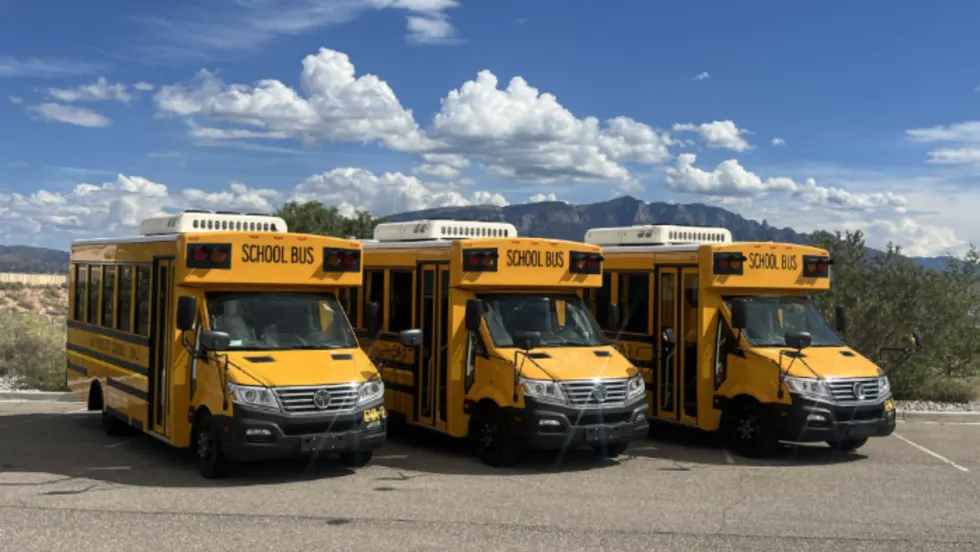
GreenPower Expands New Mexico EV Pilot With Larger Buses, V2G Testing
After logging more than 17,000 electric miles in the first year, New Mexico’s statewide pilot is moving into its second phase with larger vehicles, continued charging evaluations, and more.
Read More →
Can EV-as-a-Service Help Fleets Scale Electrification?
Sustainability Partners CEO Adam Cain explains how matching EVs, charging infrastructure, and duty cycles can help fleets scale electrification.
Read More →
How EV-as-a-Service Is Moving Fleets Beyond Pilots
Adam Cain, president and CEO of Sustainability Partners, explains how EV-as-a-service can help fleets scale deployments by addressing duty-cycle requirements and charging challenges.
Read More →
PowerFlex, The Mobility House Join Forces to Advance Fleet Electrification
Two EV charging providers are joining forces to deliver a broader portfolio of energy management and fleet electrification solutions.
Read More →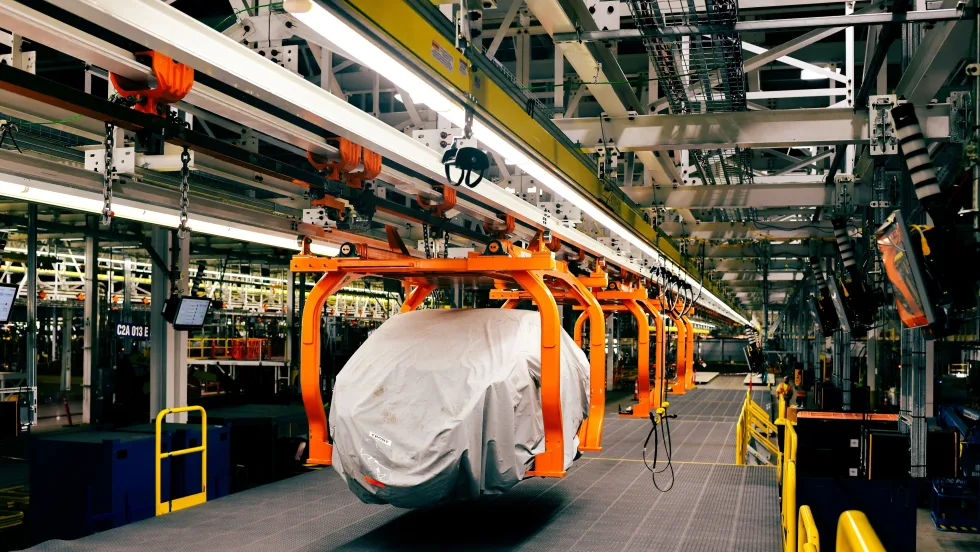
Ford Retools Louisville Plant for Fathom Electric Truck Production
Ford's $2 billion Louisville Assembly Plant overhaul introduces a three-part assembly process for the Fathom midsize electric truck, with production scheduled to begin in 2027.
Read More →
Merchants Fleet Reports 290M EV Miles as Fleets Navigate Changing Electrification Market
From millions in operating savings to hundreds of millions of EV miles, Merchants Fleet’s latest report reveals what’s working and what’s changing in fleet electrification.
Read More →
California District Commits to Electrify 25% of School Bus Fleet by 2028
One of the nation's largest school bus electrification projects to date demonstrates how grants, charging infrastructure, and public-private partnerships can help fleets transition to EVs at scale.
Read More →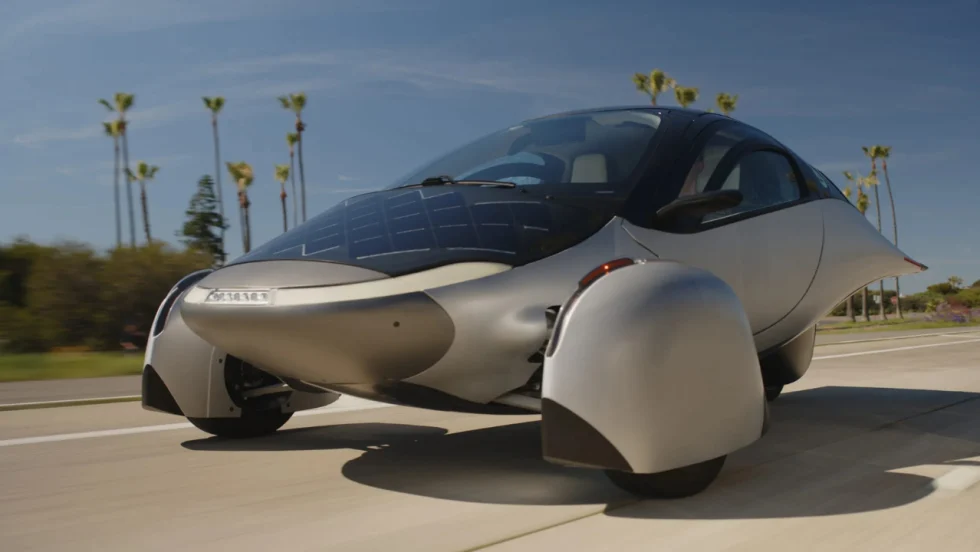
Aptera Orders Bodies and Chassis for Its First 40 Production Vehicles
Aptera Motors Corp. has issued purchase orders for the major structural components of its first 40 vehicles, and body and chassis components are expected to begin arriving in October.
Read More →