


Managing EV Battery Health for Greater Uptime
The battery is the lifeline of an electric vehicle. Understanding battery state of health and managing driving and charging behavior will go a long way to maintaining uptime on your electric fleet vehicles.
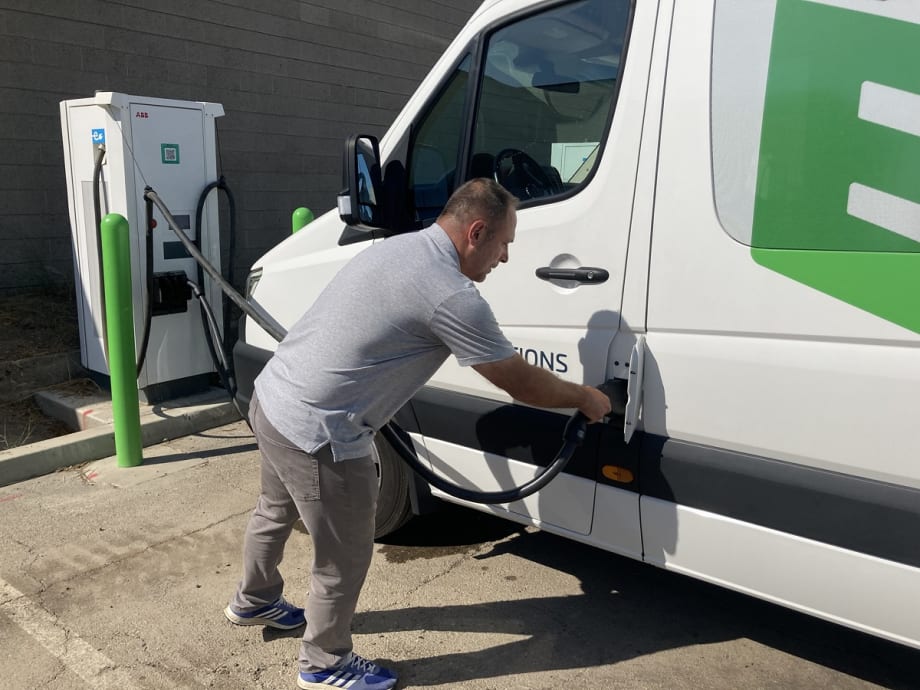
Using primarily Level 1 or Level 2 chargers — and minimizing DC fast charging — is vital to maintaining an EV battery’s current SOH. Understanding this can help to educate drivers and keep them accountable as a part of their vehicle management responsibilities.
Photo: Chris Brown
The battery is the lifeline of an electric vehicle. It is the power plant that drives the propulsion of the very asset that generates revenue for your organization. To get the maximum use of that asset while minimizing downtime, managing battery degradation should be a fleet operator’s top priority.
Anyone using rechargeable AAA, AA, or D Li-ion batteries and recharging ports knows that over time, those batteries don’t charge up to the same capacity as when new. The same goes for batteries in electric vehicles.
The difference between rechargeable home batteries and an EV vehicle application is that the EV battery sends energy from the vehicle’s powertrain to the electric motor to move the vehicle. As such, EV batteries can not only degrade as they age, but also degrade based on user behavior. The good news is that this is manageable and in our control.
Understand Battery State of Health
When EV batteries degrade, their capacity to hold a charge is reduced. The first recommendation for fleets is to grasp the concept of battery state of health (SOH), which measures the current battery’s charge and discharge capacity compared to when it was new. If a battery’s SOH is 80%, then the battery has 80% of its useful life as compared to when it was new.
Translate that to range on an EV — if the range on an EV was 200 miles when new, at 80% SOH the range would fall to 160 miles.
Check Your EV’s Warranty
If degradation happens prematurely, your battery may be covered under your EV’s warranty. Most EV warranties require the SOH to be below 60% to 70% before a warranty claim can be made. Check your OEM paperwork on the battery for your specific requirements.
Gain Battery Health Data
It is vital to determine battery health using an application to grade or benchmark SOH. There are applications today that offer a predictive modeling mode that mostly comes from user input — though this method can be inaccurate, unreconcilable, and human error prone.
The best approach is to use assessment software and have the battery directly talk to that software, which will accurately reveal how it has degraded and will continue to degrade.
Accurate data from the assessment tool can help fleet owners uncover driving and charging behaviors to avoid diminishing their asset faster. This data will also allow them to build a better asset management program internally, as well as use the data to boost resale value.
Use Your Vehicle’s BMS
All EVs come with a battery management system (BMS) that helps manage the charge rate and capacity along with the battery temperature. This system helps manage cell integrity and extend battery longevity.
The battery BMS should not allow you to charge to battery to above 90% or deplete the battery under 10% but the optimum charge zone is 40% to 80% which is called “topping off” in the industry.
Manage Driver & Charging Behavior
The actual operation of an EV and the charging of the battery is the most significant determinant of the battery's current SOH. Operating the EV and battery out of their normal safe operating area leads to battery degradation.
Metrics such as rate of speed and reduction of speed, types of charging (Level 2 or DCFC), and battery SOC (state of charge) are critical to understand and control. For example, driving at high speed and low temperatures can significantly reduce a battery’s state of health by 10% or more. The 80/20 rule recommends not to let the EV battery drain down less than 20% or charge more than 80%.
Using primarily Level 1 or Level 2 chargers is vital to maintaining the battery’s current SOH. Understanding this can help to educate drivers and keep them accountable as a part of their vehicle management responsibilities.
A study by telematics company Geotab confirms that after 48 months of analyzing EV battery health, it found that vehicles leveraging DC fast charging more than three times per month in seasonal or hot climates had their batteries degrade 10% more than never using DC fast charging.
It is easy to see why understanding battery degradation data for used electric vehicles is just as important as mileage is for ICE vehicles. This is also critical when remarketing the vehicle because used vehicle buyers will want to know the state of health of the battery in the vehicles they are purchasing.
Maintenance Savings
Switching to electric vehicles will provide service and maintenance advantages, as a battery electric vehicle has fewer moving parts. In fact, there are about 20 moving parts in an electric engine compared to nearly 2,000 in an ICE engine. That is music to a fleet manager’s ear in terms preventive maintenance and regular service intervals.
Battery electric fleet vehicles can increase efficiency, reduce cost, and even create second-life income streams after the battery comes out of first-life service. With the high cost of fuel, EVs can save fleet operators two to three times the operating cost of an ICE engine. However, these savings won’t be realized if the battery is not managed to its optimal condition.
About the Author: John Ellis, The EV Guy, can be reached at john@beveverything.com.
Originally posted on Automotive Fleet
More Batteries/Tech
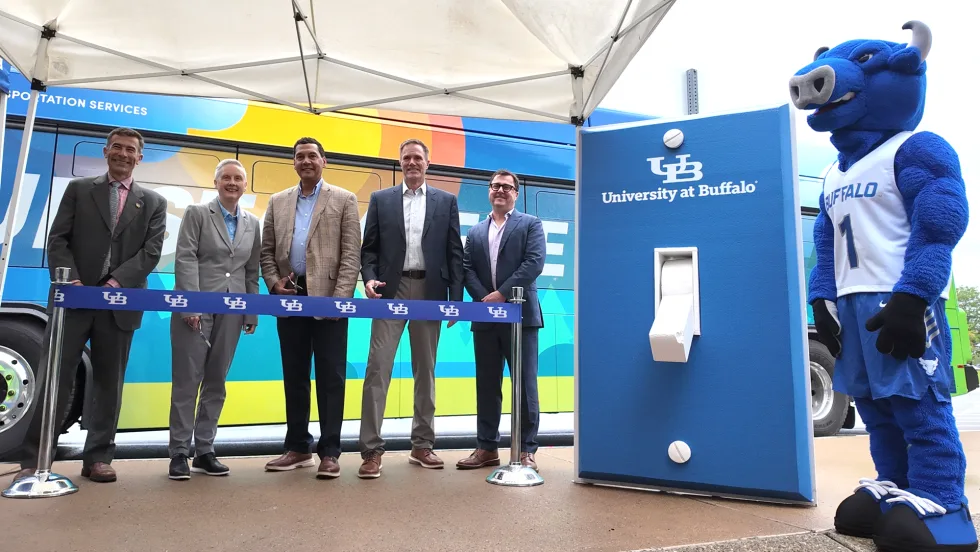
University at Buffalo Deploys 8 Electric Buses, 10 Chargers
The university, WeDriveU, and Zenobē welcomed the first electric buses to the school’s fleet under its zero-emissions roadmap.
Read More →
Samsung SDI Takes Full Control of GM Battery JV as Indiana Plant Pivots to Energy Storage
Samsung SDI is taking full control of its Indiana battery plant with GM, marking a major shift from the EV-focused joint venture Charged Fleet first covered in 2023.
Read More →
Xos White Paper Asserts LA Olympics Will Lack Enough EV Chargers
The commercial EV fleet company recommends some faster and more flexible remedies to relieve the anticipated shortfall.
Read More →
New EV and Hybrid Training Available For Auto Technicians
The curriculum covers those skill sets highly sought by electric fleet operations.
Read More →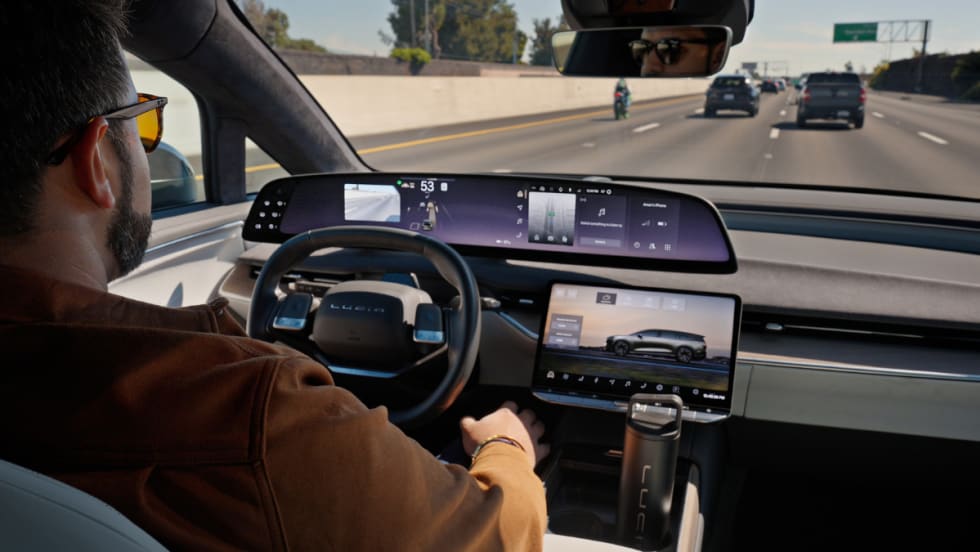
Lucid Adds Hands-Free Highway Driving, Software Updates To Gravity SUV
Hands-free drive assist makes highway driving more comfortable while keeping drivers attentive to the road.
Read More →
California Adopts Sweeping New Autonomous Vehicle Regulations
Updated DMV rules open the door for heavy-duty AV testing and deployment while strengthening safety standards, emergency response coordination, and manufacturer accountability.
Read More →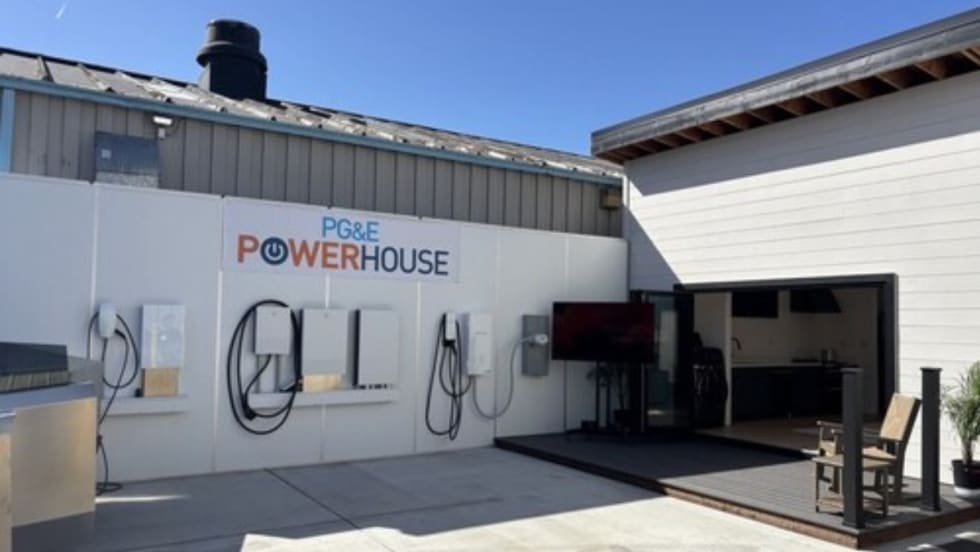
All Electric Test House Could Ease Path To EV Usage
An experimental model home shows how residential charging could enable electric fleet operations by allowing drivers to take EVs home.
Read More →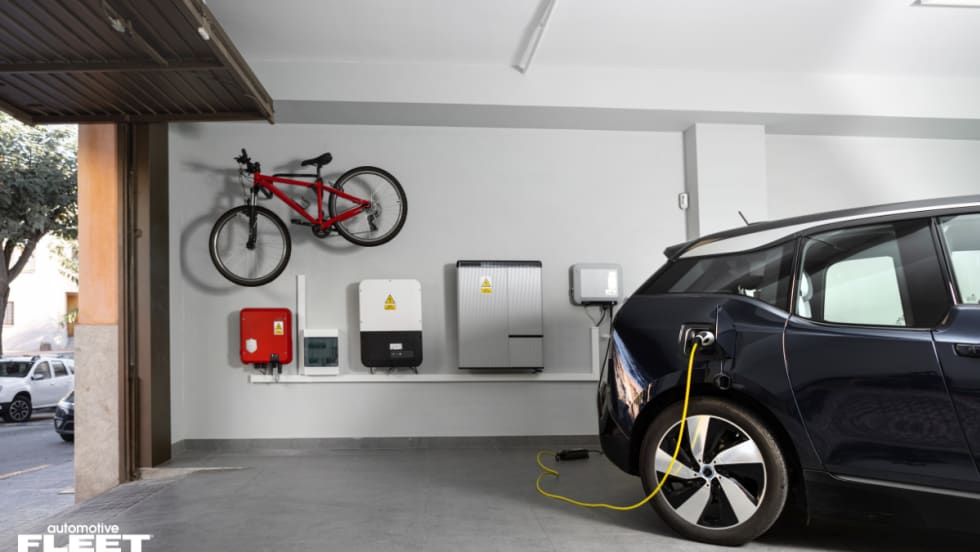
WEX Launches Solution to Close EV At-Home Charging Visibility Gap
At NAFA I&E 2026, WEX debuted an EV solution that adds a layer of verification to help fleets track, validate, and trust every at-home charging dollar.
Read More →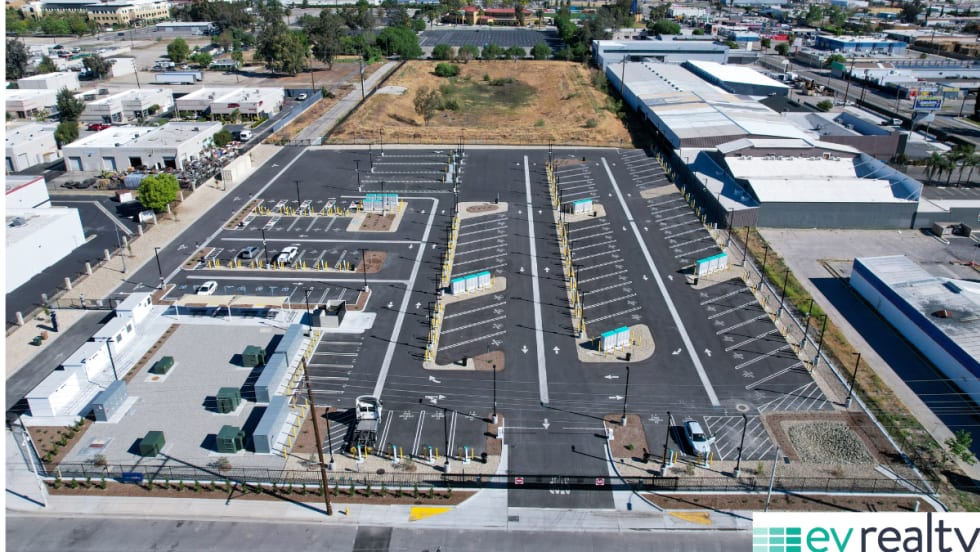
Major Truck Charging Hub Opens In Southern California
EV Realty opens a 76-port, 9 MW truck charging hub in San Bernardino, designed to support more than 200 medium- and heavy-duty vehicles per day with CCS and MCS capability.
Read More →
Software Speeds Up EV Fleet Charging
Learn about a new level of energy management that helps fleets control costs while maintaining service reliability. [VIDEO]
Read More →