


Keeping in Shape: Important Maintenance Tips
What you need to know in order to take care of your vehicles.
Following a strict preventive maintenance program is essential to the health of your vehicles and your company. It can significantly improve resale value, save fuel, and often helps avoid breakdowns, which can be costly in so many ways.
While owner manuals, which map out timelines for everything from oil to transmissions, are readily available for most sedans, vans and SUVs, operators may not have such a convenience for their limousines.
Special severe duty editions can be helpful for building a maintenance program, but according to Kit Dickman, CEO of L.A. Limousine Repair Services in Hawthorne, Calif., severe duty schedules are often created for vehicles operating under optimal conditions (including highway driving).
Stop-and-go traffic, excessive idling and the kind of scorching temperatures operators face in states such as Arizona, Texas and Florida, make driving conditions less than ideal.
Limousines also come in many lengths and weights. The following schedule was created by Dickman for his clients, and is meant for newer limousines that have been stretched about 120 inches. L.A. services about 10 limousines each day.
Every 4,000 miles:
Change oil. For synthetic oil, vehicles can wait until 8,000 miles.
Check brake pads for wear. Change, if necessary.
Rotate tires and check them for uneven wear and proper inflation. Uneven wear may result from a poor alignment. Improper inflation will cause decreased gas mileage.
Check alignment if tires are wearing unevenly. Align, if necessary.
Check belts, hoses and all fluid levels. Replace or fill, if necessary.
Check drain holes in the rear corners of the moon-roof. Clean drain tubes with an air hose.
Preventive Check at 21,000 miles:
Check transmission. If transmission does not need servicing, wait until 30,000 to clean, flush and replace with new fluid.
Check the drive shaft for wear in the bearing, slip joint and u-joint. Check mounting bolts for tightness. Grease the u-joint and slip joint.
Every 30,000 miles:
Replace fuel filter.
Perform differential service, which requires removing the inspection cover and visually checking components. Operators may find a damaged clutch in the posi-traction, but it’s unlikely.
Clean fuel injection.
Check cooling system. If it’s working fine, wait until 60,000 miles and then flush it and replace coolant.
Brake fluid exchange/flush. This is something many people forget to do, but it’s important. Brake fluid readily absorbs water. Any moisture in the brake fluid will lower the boiling point, which allows air into the system, causing brake failure. Brakes on limousines run hot because vehicles are so heavy. ABS brakes on newer cars are more susceptible to dirt and corrosion. When they get dirty, the brake module will not function. The only cure is replacing the ABS module once it fails. Brake fluid should be honey-colored.
Air conditioning maintenance. Make sure the condenser, located in front of the radiator, is clean and has good air flow. Remove the plastic cover on the engine, take a garden hose and flush out the front of the condenser and the front of the radiator. Put a thermometer in the vents and use a temperature probe to check air coming out of the evaporator. In 90-degree weather, the air should be 50 degrees coming out of the rear vents at idle. Front vents will be four to seven degrees cooler. While riding down the road, the temperature should drop another seven to eight degrees. Check high-side and low-side pressure. At a fast idle in hot weather, you should have about 220 pounds on the high side and 22 to 30 pounds on the low side. Often, there is too much freon. Remove excess freon so the air conditioner will perform more efficiently.
Change air filter.
Re-Trip Inspection
To help prevent breakdowns and ensure that clients always get a vehicle in pristine condition, Arrow Limousine in Red Bank, N.J., requires all vehicles undergo a quick inspection before hitting the road. According to Eddie Somers, Arrow’s vice president, every vehicle is checked for appropriate levels of oil and washer fluid. This is particularly important during harsh summer and winter months. Chauffeurs are asked to do a “walk around” to check tire inflation or note any body damage, scratches or parking lot dings.
Listen to Your Vehicles
Make sure chauffeurs report any rattles, clunks, squeaks or mechanical noises, so you can catch small problems before they become expensive ones. The following is a list of “strange” noises and their probable causes:
Buzzing is generally a vibration of a loose fascia, vent, knob or wiring connector rattling against ductwork. Debris in ductwork also causes buzzing. High-pitched buzzing from under the vehicle can mean the heat shield on the catalytic converter is loose.
A metallic-sounding clicking noise that speeds up as the throttle is applied may be caused by a bent or loose fan blade hitting the radiator or protective shroud. This is especially true on older vehicles with metal fan blades.
If it’s not just a loose item in the trunk, a heavy, metallic clunking or thumping noise that occurs when the vehicle is put into gear on a rear-wheel drive vehicle, may be a failing universal joint on the drive shaft.
Metallic grating or grinding sounds that occur when brakes are applied means worn brake pads or shoes.
On older vehicles, a growling sound coming from the engine can mean crankshaft bearings are worn or may indicate rear-end problems.
Hissing that sounds like air escaping could be a tire puncture or loose valve stem. Escaping steam from a blown radiator hose also hisses. When checking for steam, open the hood carefully to avoid steam burns.
A metallic knocking sound like a hammer hitting a metal door could mean worn piston rod bearings, allowing the piston rod to knock against the inside of the engine, destroying it in minutes.
If the engine makes pinging noises that sound like loose gravel in a tin can, you probably have pre-ignition, a condition caused by improper timing or using the wrong octane fuel.
Rattles can be caused by anything from a loose jack handle in the trunk to a broken or a loose shock. Check for loose items before seeing the mechanic.
Most squeaks are in the suspension system and are caused by a combination of road dirt and a lack of lubrication. Pressure wash the suspension and get a lube job. Spraying door seals with a Teflon lubricant will usually cure squeaking doors.
A loose drive belt can cause a high-pitched squealing or screeching under the hood. If the sound happens as the brakes are applied, the wear indicators are telling you the pads are worn.
A light metallic tapping or ticking sound may mean that the valves aren’t getting proper lubrication or need adjustment.
A whirring, whirling sound may indicate pending automatic transmission trouble.
Caused by disturbed airflow around the vehicle, a whistle can be difficult to pinpoint. Anything from loose molding, an antenna, mirror, roof rack or slightly open window can cause whistling.
[PAGEBREAK]
Every 60,000 miles:
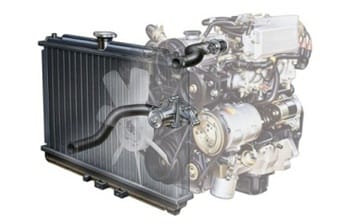
Perform cooling system maintenance, assuming it was fine at 30,000 miles and didn’t require it at that point. Run the vehicle 15 to 20 minutes with a cleaner in the coolant reservoir in the engine. Dickman hooks a machine to the system that power flushes it, replacing old fluid with new. Make sure the heater is turned on in the back of the car, otherwise it will not flush the back heater.
Dickman recommends putting in an additive package along with the new coolant that serves as a water pump lubricant and anti-corrosion agent. Use only quality fluids.Flush and replace power steering fluid. Run the car with a cleaner in the system for 15 to 20 minutes. Work the steering wheel back and forth to get it through the system. Power flush, replacing with high quality steering fluid. This keeps the sludge from building up in the system, which could cause noisy, jerky or erratic steering.
Check spark plugs to make sure there are no problems.
Every 90,000 miles:
Perform a full tune-up. This includes cleaning the fuel injection system and replacing the fuel filter, air filter and spark plugs. Use only double platinum spark plugs – not single platinum or standard spark plugs. These cost about $8.50 each, but offer increased power and better mileage. When the gap on a spark plug erodes, the coil on the spark plug is overworked and coils could be ruined. Replacing them costs about $80 a pop. There are eight coils.
Top 10 Components That Need to Be Pampered
As coachbuilders add more gadgets, switches and amenities to limousines, there are more things that can break. The following are the top 10 components that tend to fail in a limousine:
Fiber optic bulbs burn out every one to two years, depending on usage. Do not touch bulbs with fingers. The oil from your skin makes them burn out faster. Cost for bulbs: $25
Interior strip lights (in 8- or 10-foot lengths) also fail frequently. These are generally replaced two at a time for about $100. They last approximately two years.
Old-style coach lights, which cost about $2 each, can fail within a year. Most coachbuilders now use LED lights because the power consumption is minimal and life expectancy is 10 years. Cost to replace LED lights: about $25 each.
The driver control switch for power windows can fail in as quickly as a year, but will most likely last up to three years. If the switch sticks, replace it. Cost: $70. If the switch sticks in the up position, it will burn out the motor. Replacing the motor costs about $200.
The air conditioning expansion valve ($10), freon shut-off valve ($10) and vacuum pod control ($10) have all been known to fail within six months to a year, although they generally work for up to two years or more, depending on the climate. “In Canada, they use salt on their roads, so it corrodes everything,” says Doug Donalson, head engineer for Executive Coach Builders in Springfield, Mo.
The air conditioning relay for the compressor can fail within 100,000 miles. Cost: $19. “We buy 10 at a time,” says Kit Dickman, CEO of L.A. Limousine Repair Services in Hawthorne, Calif. If the air conditioner is failing, it’s the first thing we check.
Brake light switches start to go after a couple years or about 100,000 miles. Cost: $18. The brake light switch tells the computer to release the transmission shift lever. It must be replaced with a Ford part because others don’t work very well, says Dickman. “The driver tries to pull it off park and it just won’t go,” he explains.
The secondary battery in a limousine may fail because operators leave doors open or run different components in the back of the vehicle without turning the ignition on. This discharges the battery after about an hour. Each time this happens, the battery grows weaker and will re-charge for a shorter time. By the third time, the problem can cause total failure. Cost: $60.
Manual and control panel switches often fail in a year or two. When this happens, the entire control panel needs to be replaced. The good news is they’re often covered under long warranty programs. Otherwise, the cost is about $100 to repair a control panel.
An alternator will fail if the primary battery is bad and the car runs off the power of a secondary battery for any extended period of time. This can cause fan belts to break as well. Cost for alternator: about $200.
More Batteries/Tech
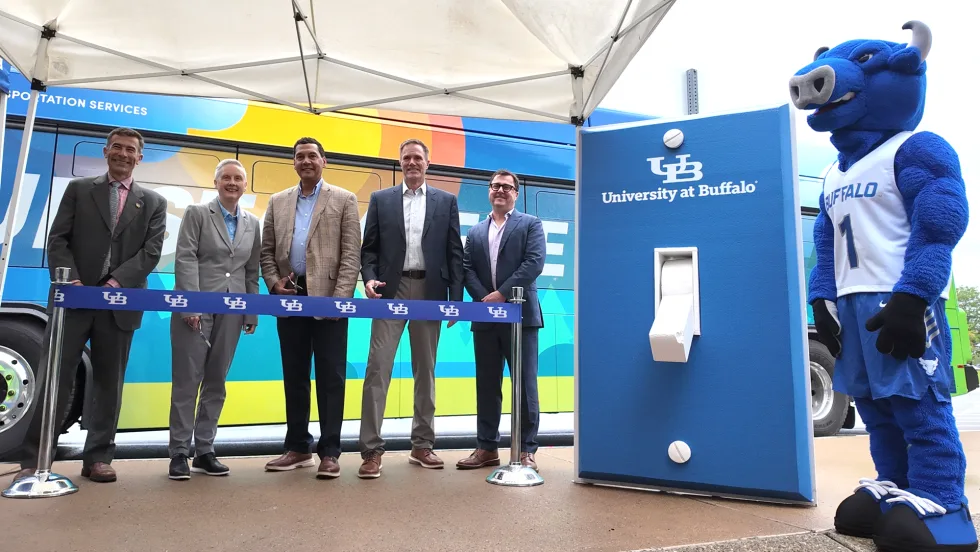
University at Buffalo Deploys 8 Electric Buses, 10 Chargers
The university, WeDriveU, and Zenobē welcomed the first electric buses to the school’s fleet under its zero-emissions roadmap.
Read More →
Samsung SDI Takes Full Control of GM Battery JV as Indiana Plant Pivots to Energy Storage
Samsung SDI is taking full control of its Indiana battery plant with GM, marking a major shift from the EV-focused joint venture Charged Fleet first covered in 2023.
Read More →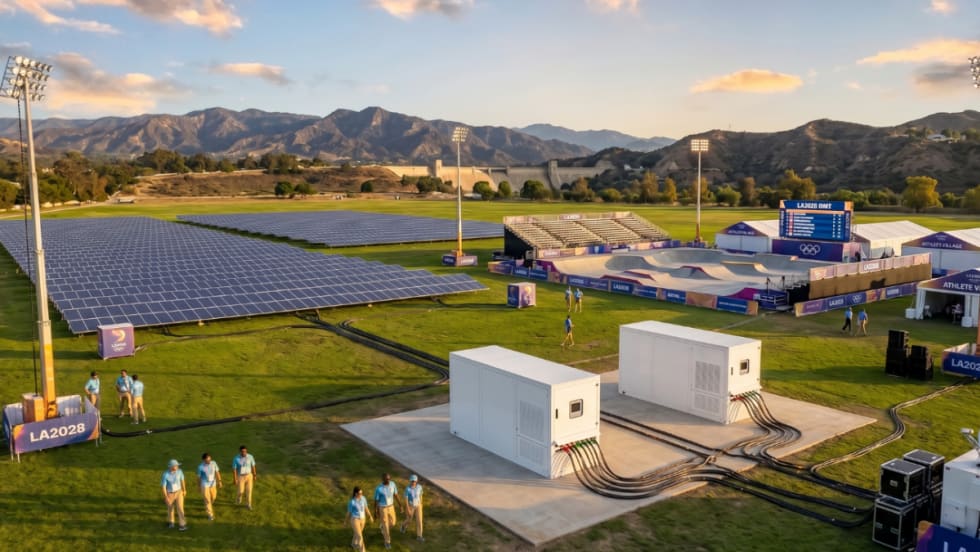
Xos White Paper Asserts LA Olympics Will Lack Enough EV Chargers
The commercial EV fleet company recommends some faster and more flexible remedies to relieve the anticipated shortfall.
Read More →
New EV and Hybrid Training Available For Auto Technicians
The curriculum covers those skill sets highly sought by electric fleet operations.
Read More →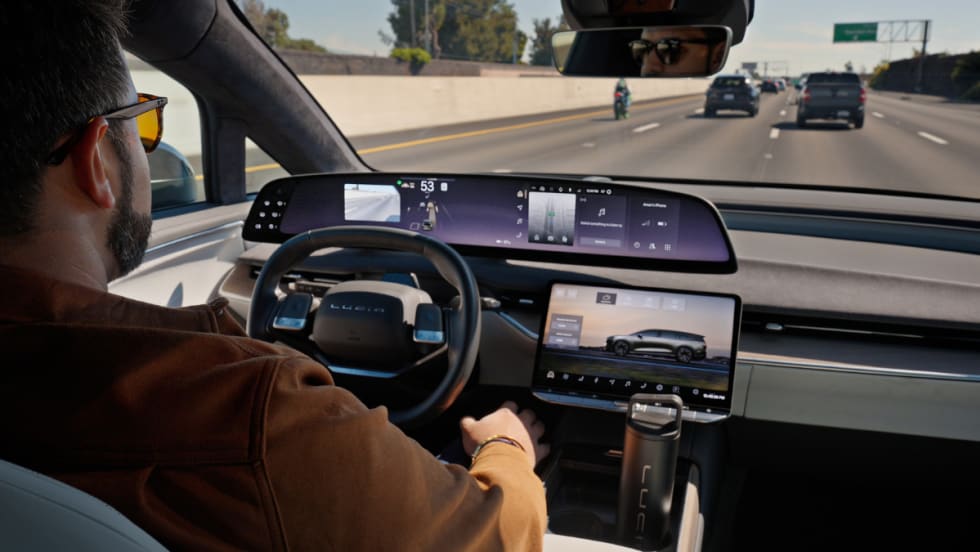
Lucid Adds Hands-Free Highway Driving, Software Updates To Gravity SUV
Hands-free drive assist makes highway driving more comfortable while keeping drivers attentive to the road.
Read More →
California Adopts Sweeping New Autonomous Vehicle Regulations
Updated DMV rules open the door for heavy-duty AV testing and deployment while strengthening safety standards, emergency response coordination, and manufacturer accountability.
Read More →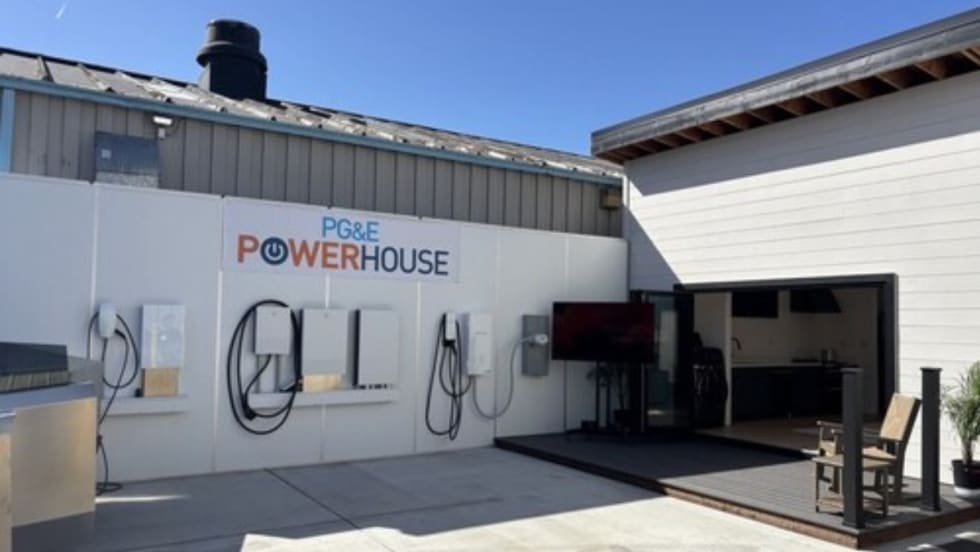
All Electric Test House Could Ease Path To EV Usage
An experimental model home shows how residential charging could enable electric fleet operations by allowing drivers to take EVs home.
Read More →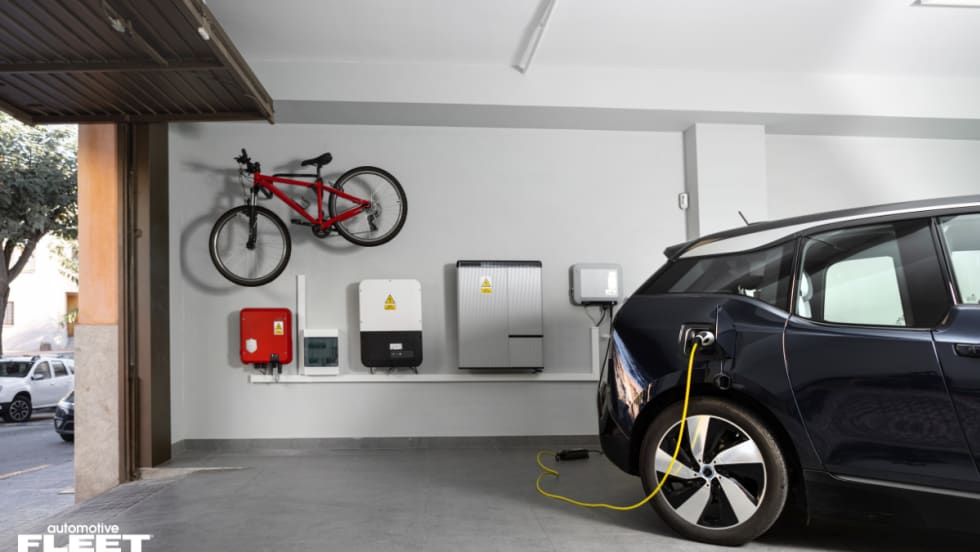
WEX Launches Solution to Close EV At-Home Charging Visibility Gap
At NAFA I&E 2026, WEX debuted an EV solution that adds a layer of verification to help fleets track, validate, and trust every at-home charging dollar.
Read More →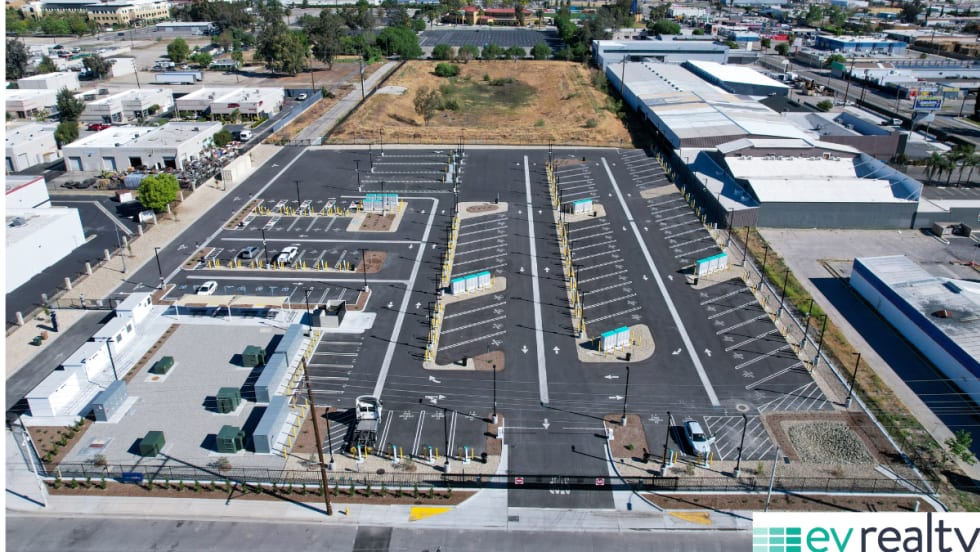
Major Truck Charging Hub Opens In Southern California
EV Realty opens a 76-port, 9 MW truck charging hub in San Bernardino, designed to support more than 200 medium- and heavy-duty vehicles per day with CCS and MCS capability.
Read More →
Software Speeds Up EV Fleet Charging
Learn about a new level of energy management that helps fleets control costs while maintaining service reliability. [VIDEO]
Read More →