



Keep Reading! How Long Do EV Batteries Really Last? | C
Qnovo Pilots Battery Health Software for EV Residual Value Assessments.
The Battery Genome application uses in-vehicle operating and cell-level data to identify battery aging and potential defects as automakers prepare for new battery passport requirements.
September 29, 2026
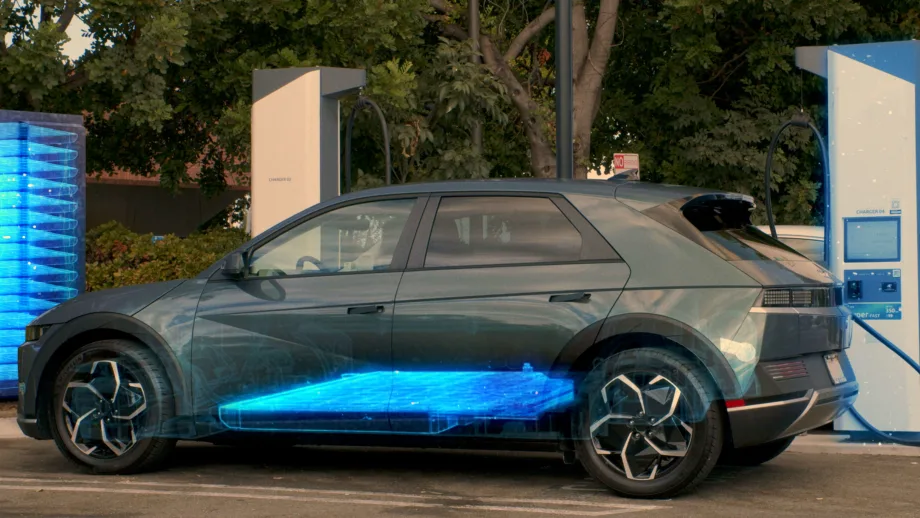
Qnovo is piloting software that uses in-vehicle battery data to assess EV battery health and aging, providing information that could help inform residual value and used-vehicle decisions.
Credit:
Qnovo
3 min to read
- Qnovo has introduced Battery Genome, a software tool for assessing the health of electric vehicle batteries.
- The application analyzes in-vehicle and cell-level data to detect aging and potential defects in batteries.
- This initiative aligns with automakers' preparations for compliance with upcoming battery passport regulations.
*Summarized by AI
Qnovo is piloting a new software application designed to give automakers, fleet operators and insurers additional information about the condition and potential residual value of EV batteries.
Built on the Qnovo Battery Genome platform, the application analyzes a battery’s electrochemical history, including charging behavior, operating history, environmental exposure and cell-level variation. Qnovo said the software uses those data to identify signs of accelerated aging and potential defects and project how a battery is likely to age.
For fleets, that type of battery health information could become increasingly relevant as more EVs reach the used market and organizations make decisions about vehicle replacement, remarketing and residual values.
Looking Beyond EV Age and Mileage
Battery condition can vary between EVs with similar ages and mileage because of differences in charging, operating conditions and environmental exposure.
Qnovo’s software is intended to provide additional information about those differences by running in the vehicle, where it can access more detailed battery data than may be available through an aftermarket inspection.
“Since the Battery Genome runs in the vehicle where the rich data lives, we know with added certainty what the battery is doing and what it is not doing,” said Nadim Maluf, CEO of Qnovo. “That gives the OEM more insight over what is out in the field and more confidence in every assessment.”
Residual value is one of the outputs generated by the application, according to Qnovo.
When asked how much of the uncertainty around used-EV values today can be traced back to not knowing the true condition of the battery, Qnovo co-founder and CEO Nadim Maluf said it all goes back to information.
"Used-EV value uncertainty is fundamentally an information problem: we don’t know the true condition of the battery.
Fire is the extreme edge of that uncertainty. In the U.S., NIST estimated 5000+ xEV fires (possibly as many as 10,000+ fires). China reports 1.85 fires per 10,000 EVs.
That uncertainty extends well beyond the extreme case of fire. If we cannot confidently determine the health, degradation, defects and remaining life of an individual battery, the buyer has to price the unknown. In effect, that uncertainty gets baked into the used-EV price as a wider risk premium: buyers discount the vehicle not necessarily because its battery is bad, but because they cannot confidently know that it is good. Better battery intelligence narrows that uncertainty—and therefore should narrow the risk premium embedded in used-EV values."z
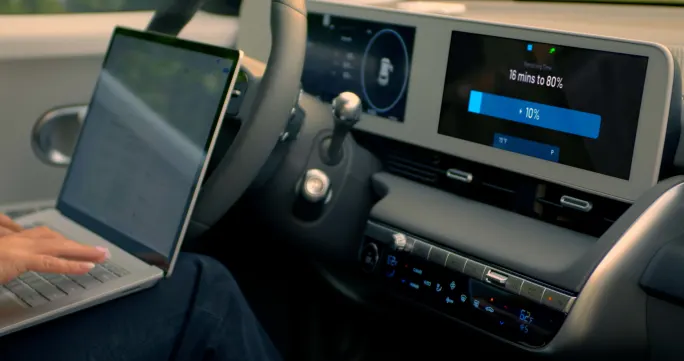
The new Qnovo dashboard.
Credit:
Qnovo
Battery Passports Add Another Consideration
The pilot also comes as the European Union prepares to introduce digital battery passport requirements for certain batteries beginning in 2027.
Qnovo said battery passports can provide baseline information about a battery but argues that additional in-vehicle data can help identify accelerated degradation or defects that may not be apparent from more limited information.
“Battery passports are a welcome step towards transparency, but without a better understanding of the battery, it opens OEMs to liability,” Maluf said.
Qnovo is positioning the new application as an extension of its existing automotive software, which includes Adaptive Fast Charging and Health and Safety Diagnostics.
The company plans to demonstrate the application at The Battery Show North America in Detroit, Oct. 13-15.
More Batteries/Tech
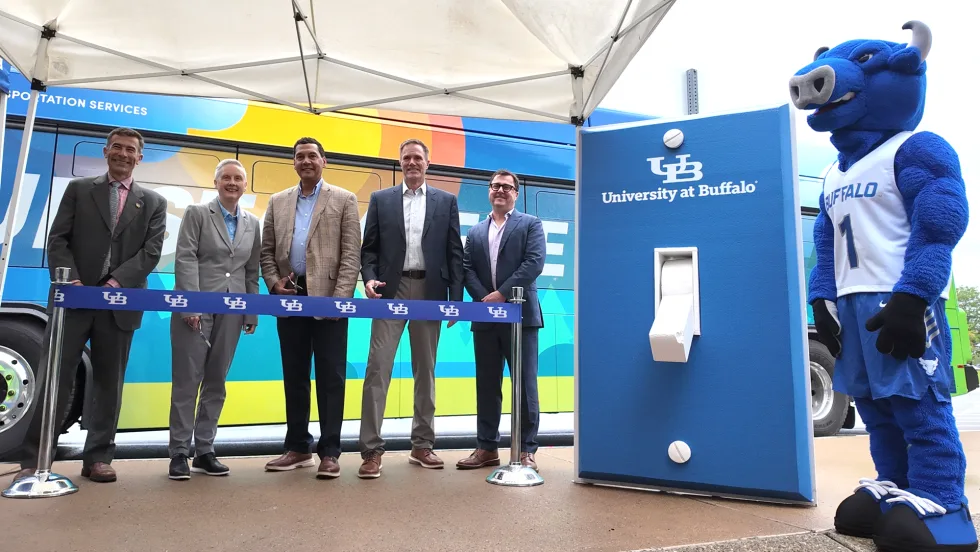
University at Buffalo Deploys 8 Electric Buses, 10 Chargers
The university, WeDriveU, and Zenobē welcomed the first electric buses to the school’s fleet under its zero-emissions roadmap.
Read More →
Samsung SDI Takes Full Control of GM Battery JV as Indiana Plant Pivots to Energy Storage
Samsung SDI is taking full control of its Indiana battery plant with GM, marking a major shift from the EV-focused joint venture Charged Fleet first covered in 2023.
Read More →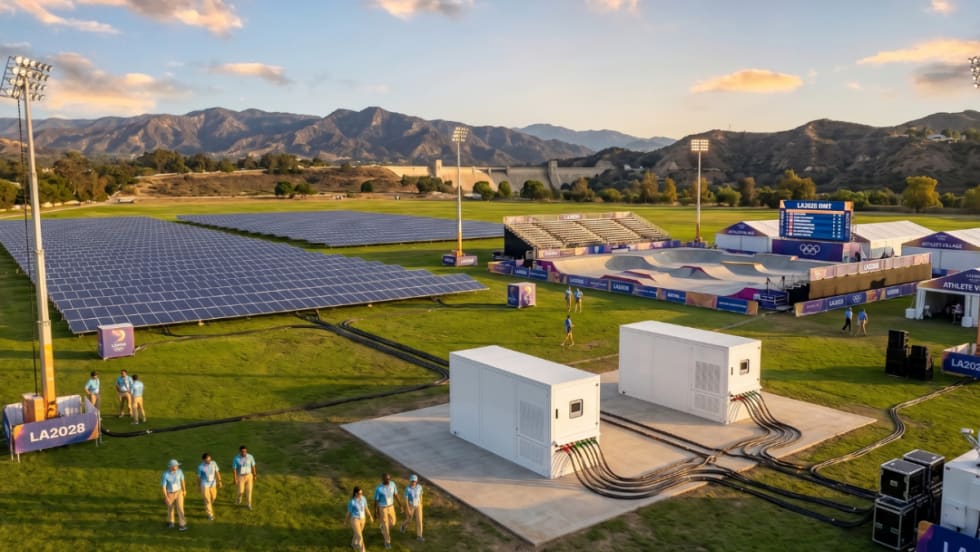
Xos White Paper Asserts LA Olympics Will Lack Enough EV Chargers
The commercial EV fleet company recommends some faster and more flexible remedies to relieve the anticipated shortfall.
Read More →
New EV and Hybrid Training Available For Auto Technicians
The curriculum covers those skill sets highly sought by electric fleet operations.
Read More →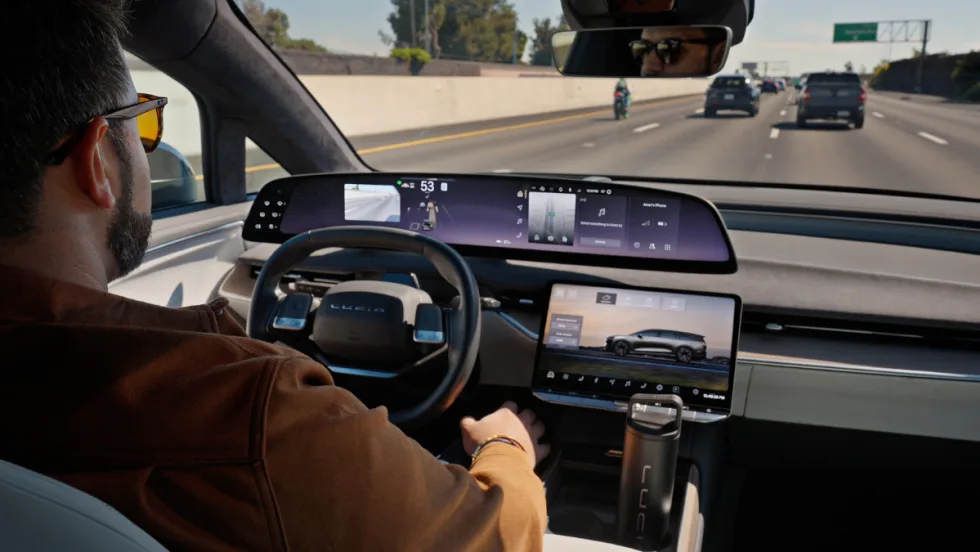
Lucid Adds Hands-Free Highway Driving, Software Updates To Gravity SUV
Hands-free drive assist makes highway driving more comfortable while keeping drivers attentive to the road.
Read More →
California Adopts Sweeping New Autonomous Vehicle Regulations
Updated DMV rules open the door for heavy-duty AV testing and deployment while strengthening safety standards, emergency response coordination, and manufacturer accountability.
Read More →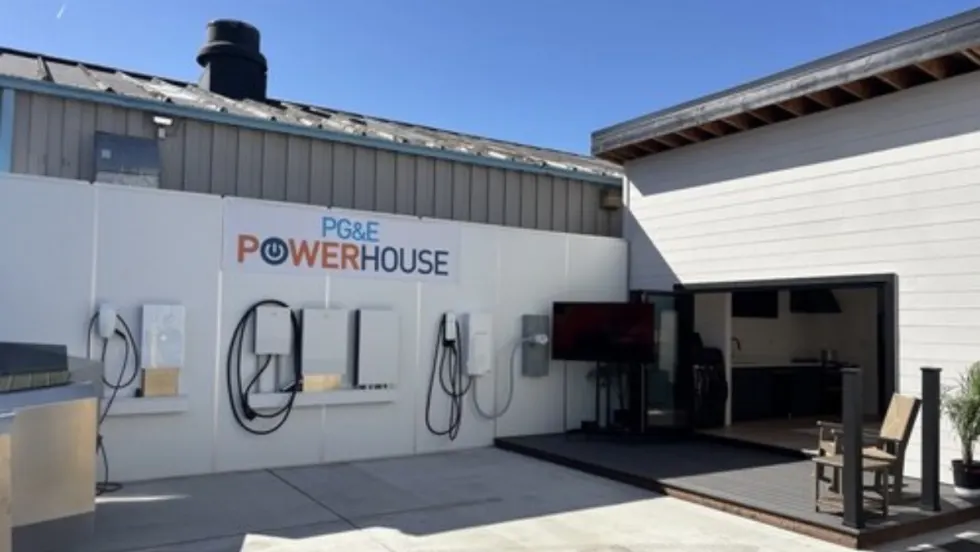
All Electric Test House Could Ease Path To EV Usage
An experimental model home shows how residential charging could enable electric fleet operations by allowing drivers to take EVs home.
Read More →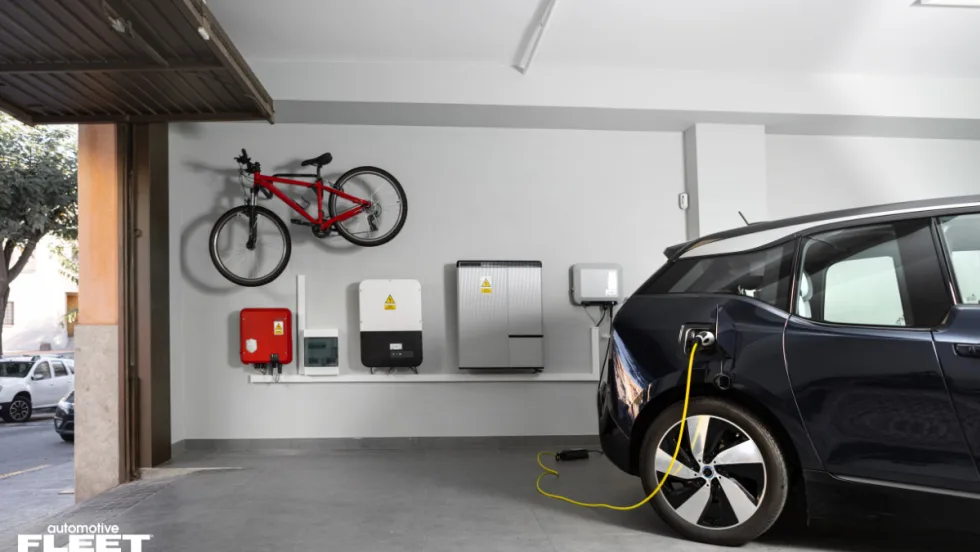
WEX Launches Solution to Close EV At-Home Charging Visibility Gap
At NAFA I&E 2026, WEX debuted an EV solution that adds a layer of verification to help fleets track, validate, and trust every at-home charging dollar.
Read More →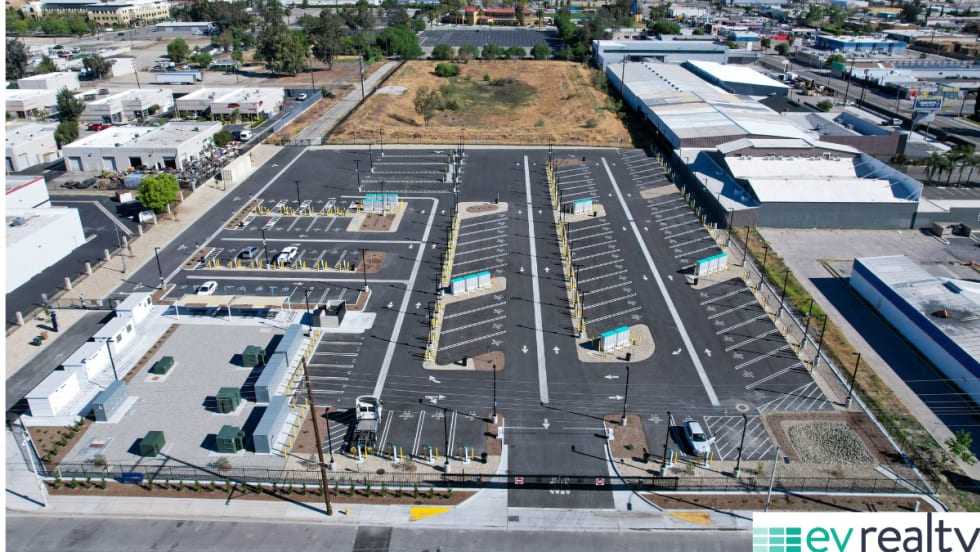
Major Truck Charging Hub Opens In Southern California
EV Realty opens a 76-port, 9 MW truck charging hub in San Bernardino, designed to support more than 200 medium- and heavy-duty vehicles per day with CCS and MCS capability.
Read More →
Software Speeds Up EV Fleet Charging
Learn about a new level of energy management that helps fleets control costs while maintaining service reliability. [VIDEO]
Read More →