



Related: Samsung SDI Takes Full Control of GM Battery JV as Indiana Plant Pivots to Energy Storage
Hampton Jitney Deploys Microgrid to Support Fleet Electrification
The Long Island transportation provider is using solar generation and battery storage to manage charging costs, with plans to add 1 MW of DC fast-charging capacity as electric coaches enter service in 2027.
October 22, 2026
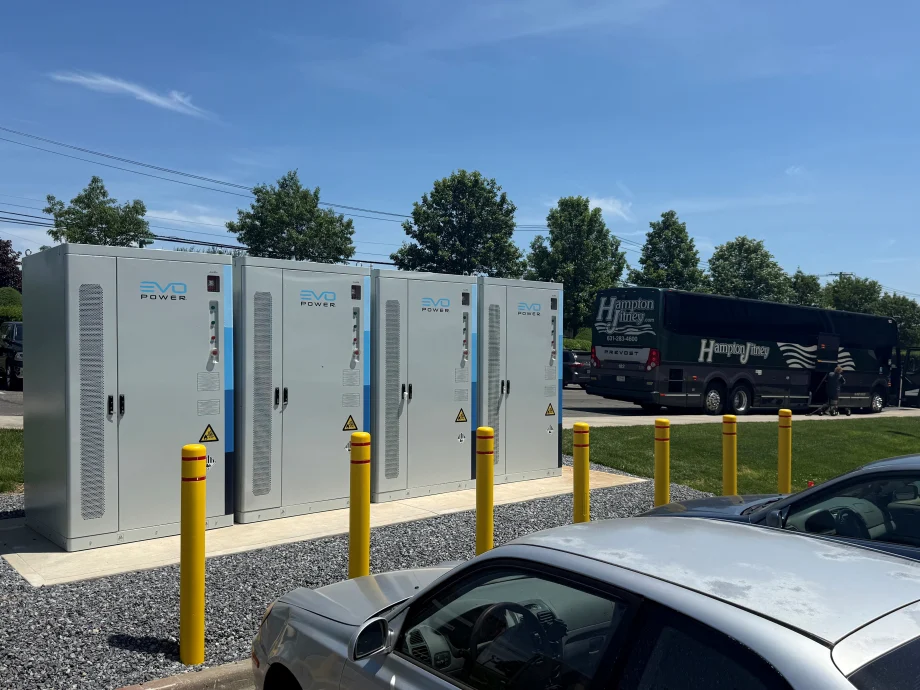
Hampton Jitney's new microgrid at its Calverton, New York, facility is expected to reduce electric coach fueling costs by more than 75% compared with diesel, while supporting a planned 1-MW charging expansion and electric fleet deployments beginning in 2027.
Credit:
Hampton Jitney
4 min to read
- Hampton Jitney is implementing a microgrid system on Long Island to support its fleet's transition to electric vehicles.
- The transportation provider will utilize solar energy and battery storage to effectively manage charging expenses.
- A plan is in place to introduce 1 MW of DC fast-charging capacity to accommodate electric coaches by 2027.
*Summarized by AI
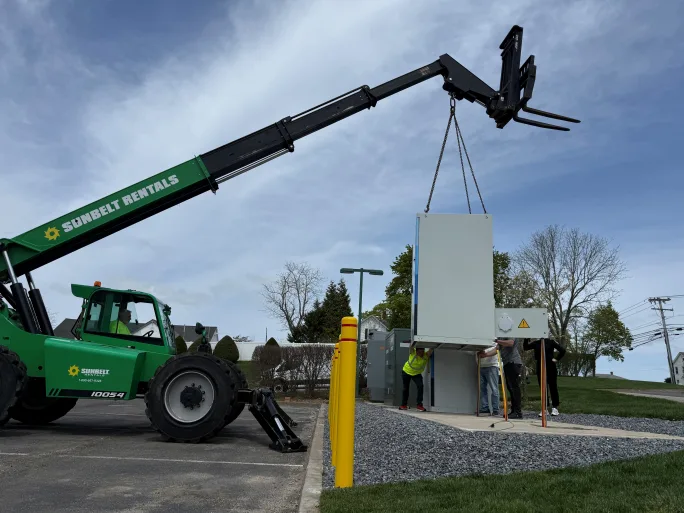
Hampton Jitney has partnered with Sprocket Power to install a behind-the-meter microgrid at its Calverton, New York, facility to support fleet electrification, manage electricity costs and prepare for the arrival of electric motorcoaches in 2027.
The system combines on-site solar photovoltaic generation, commercial battery energy storage and energy management software to support EV charging while reducing reliance on utility power during periods of high demand.
According to Sprocket Power, the project is designed to address several challenges associated with fleet electrification, including rising electricity costs, charging infrastructure capacity and maintaining operations during power outages.
Managing Charging Costs and Grid Capacity
As Hampton Jitney prepares to electrify its fleet, the addition of 1 MW of electrical demand is expected to increase pressure on the facility's existing utility infrastructure.
In response to questions about the project, Sprocket Power explained that managing demand charges and electricity consumption was a primary consideration.
"The project helps modulate and control these additional loads, shift usage to off peak times and even exports to the local grid to shore up capacity. These “grid friendly” behaviors are compensated by PSEG-LI and NY State, creating a substantial economic benefit," said staff at Hampton Jitney.
The microgrid uses battery storage to capture electricity generated by solar panels and dispatch that energy during periods of higher demand. Its management software coordinates energy production, storage and consumption around Hampton Jitney's transportation schedules.
The system also provides additional electrical capacity at the facility while reducing the amount of power needed from the utility during peak periods.
"The microgrid project provides a degree of independence through on-site supply and control and also exports energy to support the local grid. Utilities are increasingly looking to these behind the meter approaches to EV infrastructure buildout as they create more cost-effective results for multiple stakeholders."
Beyond charging, the system is designed to provide backup power during outages.
"The microgrid provides resiliency benefits to the site as it can operate during power outages, allowing Hampton Jitney to continuously operate their ticketing and business operations during an outage."
Electric Coaches Could Reduce Fueling Costs by More Than 75%
Hampton Jitney expects the microgrid to reduce per-mile fueling costs by more than 75% compared with conventional diesel motorcoaches.
According to additional information provided about the project, diesel motorcoaches currently cost approximately $0.75 to $1 per mile to fuel, compared with less than $0.20 per mile for an electric coach charged using the microgrid's solar generation, battery storage and off-peak grid electricity.
"At recent diesel prices, a diesel motorcoach costs roughly $0.75-$1.00 per mile to fuel, versus under $0.20 per mile for an electric coach charged from the microgrid's solar, battery storage and off-peak grid power. That works out to roughly $40,000-$60,000 in fuel savings per coach per year."
The projected savings would depend on annual vehicle mileage, electricity costs and diesel prices.
The project is also intended to support Hampton Jitney's sustainability goals by reducing diesel consumption and incorporating renewable electricity into fleet operations.
"Regional transportation providers are often blocked from achieving the economic and resilience benefits of microgrids due to engineering and capital complexity," said Maria Fields, CEO and co-founder of Sprocket Power. "Sprocket Power was founded to close this gap by designing, building, and operating these systems."
Credit:
Hampton Jitney
Phase 2 Expansion to Add 1 MW of Fast Charging
The Calverton facility currently includes EV charging infrastructure and portable DC fast-charging equipment.
A planned second phase would add 1 MW of dedicated DC fast-charging capacity, allowing the location to support additional electric commercial vehicles and potentially serve other regional fleet operators.
Hampton Jitney expects to begin receiving electric coaches in 2027. Other transportation providers, including Suffolk County, are also expected to begin electrifying their fleets that year.
However, the total number of vehicles that will use the charging hub has not been determined.
"Total number will depend on availability of vehicles and replacement schedules for existing fleet. Hampton Jitney is also looking to offer their charging hub to other fleets including local school districts and commercial vehicles."
The expansion would allow Hampton Jitney to provide charging services beyond its own operations, potentially supporting electric school buses and other commercial fleets operating across Long Island.
Supporting Emissions Reductions and Fleet Operations
Sprocket Power estimates the microgrid could reduce greenhouse gas emissions by approximately 590 metric tons annually by displacing diesel consumption and reducing reliance on higher-emission electricity generation during peak demand periods.
The companies said the installation also supports New York's Climate Leadership and Community Protection Act goals by adding distributed energy resources and managing electricity demand.
"Hampton Jitney has been a Long Island institution for over 50 years," said Andrew Lynch, vice president of Hampton Jitney and a second-generation operator. "Building this microgrid represents the next chapter in our commitment to the communities we serve."
The project represents an approach to fleet electrification that combines vehicle charging with on-site energy management, rather than relying solely on additional utility capacity.
For Hampton Jitney, the system is intended to help manage operating expenses and support the transition to electric coaches while maintaining reliable transportation and business operations.
More Batteries/Tech
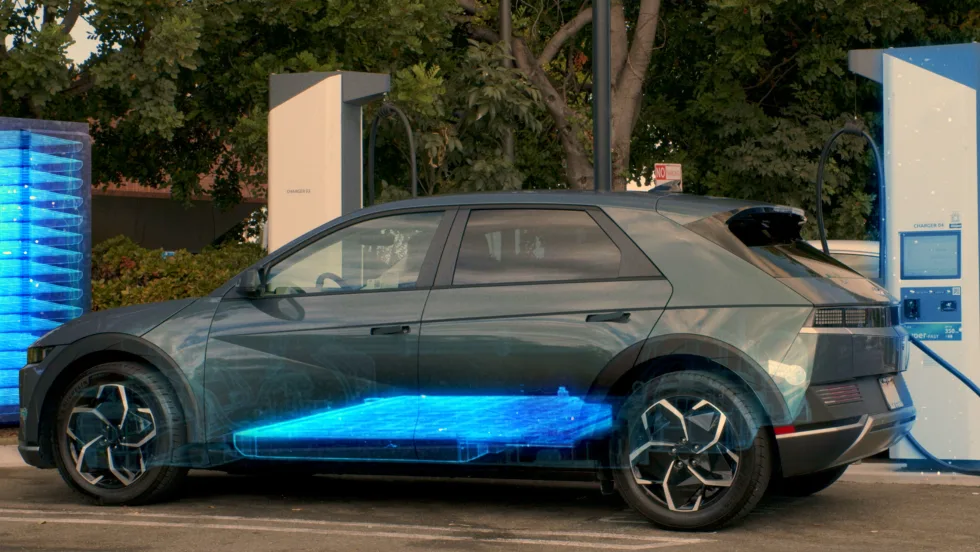
Qnovo Pilots Battery Health Software for EV Residual Value Assessments
The Battery Genome application uses in-vehicle operating and cell-level data to identify battery aging and potential defects as automakers prepare for new battery passport requirements.
Read More →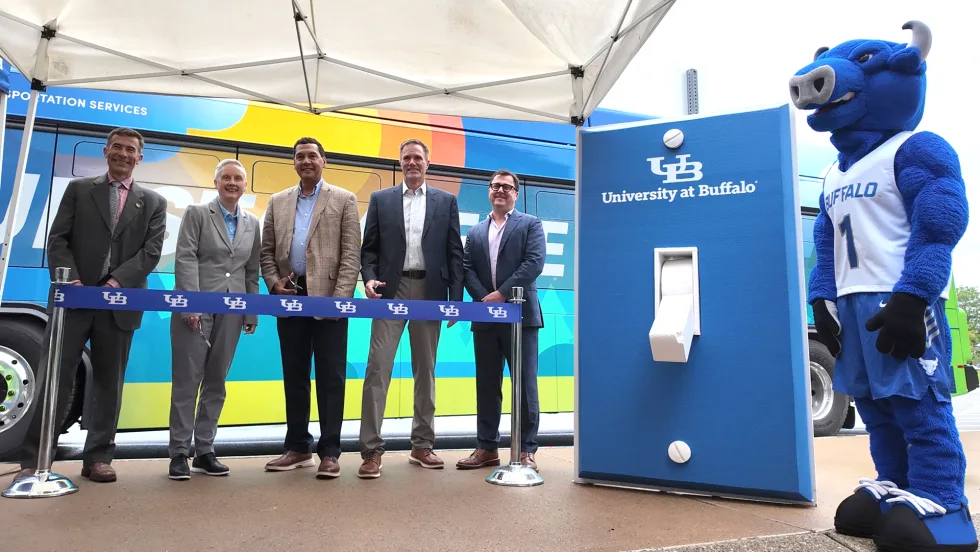
University at Buffalo Deploys 8 Electric Buses, 10 Chargers
The university, WeDriveU, and Zenobē welcomed the first electric buses to the school’s fleet under its zero-emissions roadmap.
Read More →
Samsung SDI Takes Full Control of GM Battery JV as Indiana Plant Pivots to Energy Storage
Samsung SDI is taking full control of its Indiana battery plant with GM, marking a major shift from the EV-focused joint venture Charged Fleet first covered in 2023.
Read More →
Xos White Paper Asserts LA Olympics Will Lack Enough EV Chargers
The commercial EV fleet company recommends some faster and more flexible remedies to relieve the anticipated shortfall.
Read More →
New EV and Hybrid Training Available For Auto Technicians
The curriculum covers those skill sets highly sought by electric fleet operations.
Read More →
Lucid Adds Hands-Free Highway Driving, Software Updates To Gravity SUV
Hands-free drive assist makes highway driving more comfortable while keeping drivers attentive to the road.
Read More →
California Adopts Sweeping New Autonomous Vehicle Regulations
Updated DMV rules open the door for heavy-duty AV testing and deployment while strengthening safety standards, emergency response coordination, and manufacturer accountability.
Read More →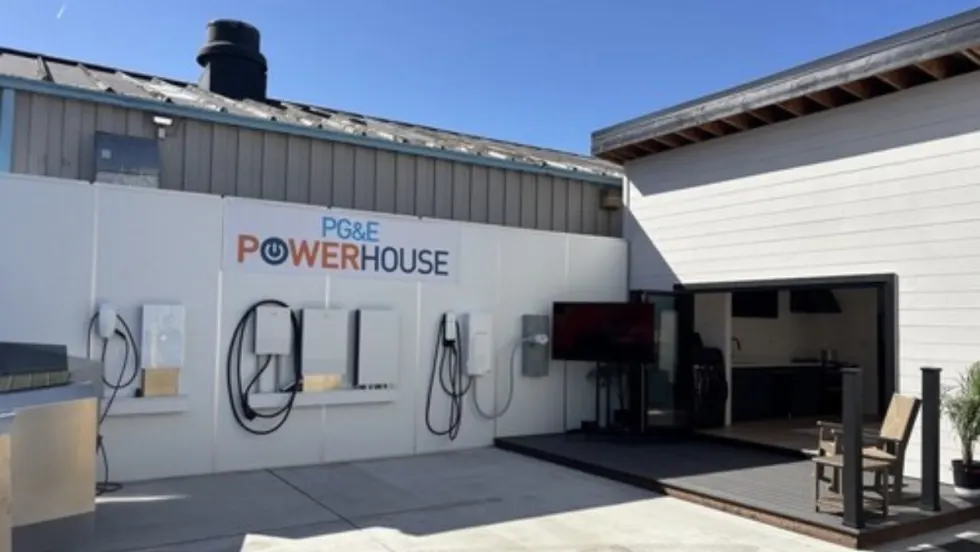
All Electric Test House Could Ease Path To EV Usage
An experimental model home shows how residential charging could enable electric fleet operations by allowing drivers to take EVs home.
Read More →
WEX Launches Solution to Close EV At-Home Charging Visibility Gap
At NAFA I&E 2026, WEX debuted an EV solution that adds a layer of verification to help fleets track, validate, and trust every at-home charging dollar.
Read More →
Major Truck Charging Hub Opens In Southern California
EV Realty opens a 76-port, 9 MW truck charging hub in San Bernardino, designed to support more than 200 medium- and heavy-duty vehicles per day with CCS and MCS capability.
Read More →