



Related: OEMS Expose Overdue EV Truths
Allye Energy Launches Battery-Integrated EV Charger for Fleet Depots
The new MEV charging system uses repurposed EV batteries to deliver up to 400 kW of DC charging power while operating from existing electrical connections.
October 28, 2026
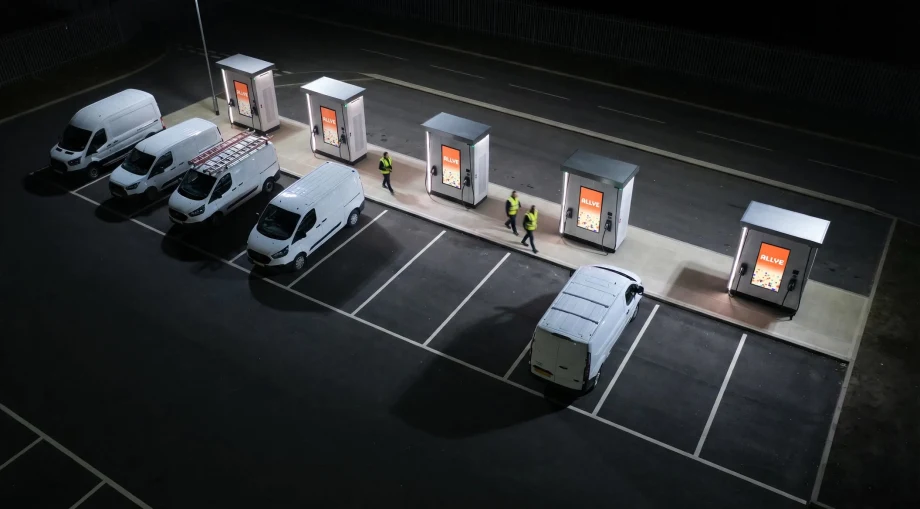
Allye Energy's new MEV charging system combines DC fast charging with repurposed EV battery storage, allowing fleet depots to deliver higher-power charging from existing electrical connections without necessarily requiring grid upgrades.
Credit:
Allye Energy
5 min to read
- Allye Energy has introduced the MEV charging system for fleet depots.
- The system repurposes EV batteries to provide a charging power of up to 400 kW DC.
- It is designed to work with existing electrical connections for ease of integration.
*Summarized by AI
Allye Energy has introduced the MEV (MAX for EV), a battery-integrated electric vehicle charging system designed to help fleet operators install DC fast charging without requiring major electrical grid upgrades.
The U.K.-manufactured system uses repurposed electric vehicle battery packs to store electricity from an existing site connection and deliver higher-power charging when needed.
According to Allye, the system can deliver up to 400 kW of charging power to two vehicles simultaneously, even when connected to a limited electrical supply.
The MEV range starts at £70,000, with deliveries expected in the second quarter of 2027.
Battery Storage Addresses Fleet Charging Constraints
The MEV system is designed for fleet depots where available grid capacity may not support conventional DC fast-charging equipment.
Rather than relying on a high-capacity electrical connection to deliver power directly to vehicles, MEV stores electricity over time and uses its internal battery packs to provide higher charging output when vehicles are connected.
The system is available in two configurations:
- MEV200: 200 kW of DC charging power with 155 kWh of rated battery storage capacity.
- MEV300: 300 kW of DC charging power with 232 kWh of rated battery storage capacity.
The units provide 148 kWh and 222 kWh of usable storage capacity, respectively.
Both configurations can operate using electrical connections ranging from 16A single-phase to 125A three-phase. Allye recommends at least a 32A three-phase connection, equivalent to 22 kW, for a full overnight recharge.
According to the company, a MEV unit operating on a 63A connection over an eight-hour day could support seven to 10 vehicles receiving between 55 and 70 kWh each.
Allye's PackFlex technology allows battery packs of different sizes, ages and chemistries to operate within the same system using independent battery management and power controls.
The charger uses an 800V electrical architecture and supports both 400V and 800V vehicles.
"MEV is the direct result of our work on the MAX300," said Robert Carter, chief technology officer at Allye Energy. "The hard part was never the battery. It was making packs of different sizes and ages behave as one system and deliver up to 400kW of DC charging through an 800V architecture and our in-house technology stack."
Fleet Charging Without Major Grid Upgrades
Allye developed the MEV platform following deployments of its MAX battery storage systems, including a project at J&M Murdoch's refuse depot in Glasgow.
At that location, a grid upgrade had been quoted at £300,000. Instead, Allye and charging partner Chargepoly installed a MAX300 system using the depot's existing 32A, 22-kW electrical supply.
The system now supports a DC fast charger serving two electric vehicles and delivers approximately 200 kWh of energy daily, according to Allye.
The MEV platform incorporates that battery-buffered charging approach into a fixed charging unit.
Allye said the equipment can be installed using existing industrial electrical connections or hardwired into a facility. The units are also designed to be relocated if a depot moves or a property lease ends.
The company estimates that using repurposed EV batteries instead of newly manufactured cells avoids approximately 15 to 24 metric tons of CO2-equivalent emissions per MEV unit.
Operating Costs and Charging-as-a-Service Options
Allye said the MEV system is intended to reduce electricity infrastructure expenses by allowing depots to charge vehicles without increasing their grid connection capacity.
The system can recharge its batteries during lower-cost electricity periods and deliver stored energy during higher-demand periods.
Allye estimates that a MEV200 could recover its additional purchase cost compared with a conventional 200-kW charger within two to three years.
The company also projects potential savings of £50,000 to £110,000 over 10 years, excluding avoided grid upgrade costs. These estimates depend on electricity tariffs, site utilization and other operating assumptions.
In addition to outright purchase, Allye offers MEV through an EV charging-as-a-service model, with monthly pricing starting at £1,900 for the MEV200.
The subscription model is intended to allow fleets, depots and local authorities to install charging equipment without an upfront capital purchase.
"Charging as a service, a monthly fee instead of a capital bill, is how fleets, depots and local authorities get more charging for less," said Jonathan Carrier, founder and CEO of Allye Energy.
Charging Reliability and Equipment Protection
The MEV system includes several features intended to support charging availability and equipment security.
These include lighting that activates when drivers approach the charger, cameras covering charging bays and cables, and cable-cut detection.
Each battery pack includes a high-voltage isolation fuse, off-gas detection and fire barriers between battery packs. Fire suppression is available as an option.
The charger can also be equipped with AI-based bay monitoring to identify vehicles blocking charging spaces or remaining connected beyond their charging sessions.
Allye said individual battery packs can be removed for maintenance while the remaining packs continue operating.
Previous Battery Storage Deployments
Allye reported that more than 20 MAX systems using over 100 repurposed EV batteries are currently operating with customers, including JLR and Roadchef.
At Roadchef's Killington Lake motorway service area, a MAX300 has operated for more than two years using an existing electrical connection shared with other facilities.
According to Allye, the installation prevented 12 site power interruptions during its first year and generated approximately £120,000 in savings without a grid upgrade.
The company's MAX500 systems are also being used to charge electric construction equipment at the Lower Thames Crossing project, where Allye reported more than 900 charging sessions and over 126 MWh of electricity delivered.
Allye is seeking distribution partners in the U.K. and international markets to support MEV installations.
The company noted that MEV performance, energy, emissions and pricing figures remain design targets ahead of certification.
More Batteries/Tech
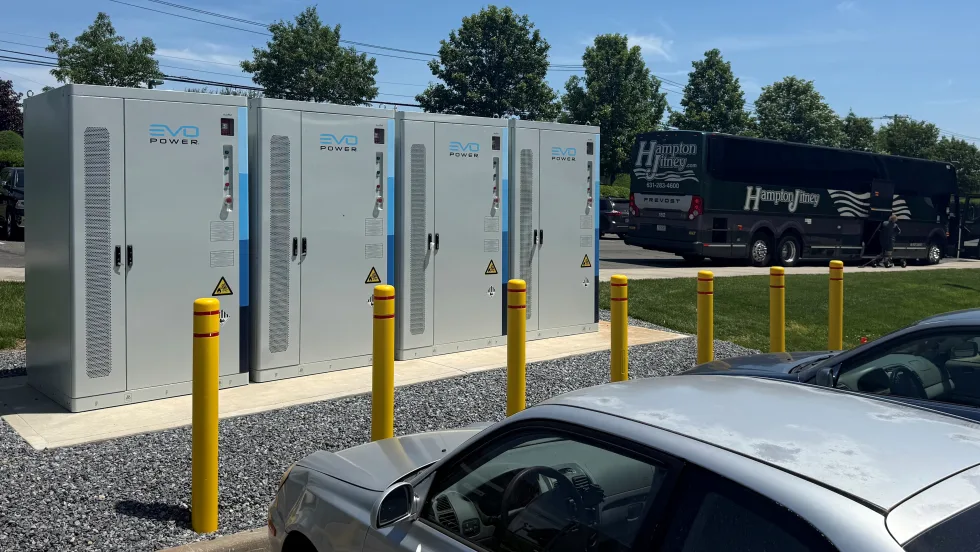
Hampton Jitney Deploys Microgrid to Support Fleet Electrification
The Long Island transportation provider is using solar generation and battery storage to manage charging costs, with plans to add 1 MW of DC fast-charging capacity as electric coaches enter service in 2027.
Read More →
Qnovo Pilots Battery Health Software for EV Residual Value Assessments
The Battery Genome application uses in-vehicle operating and cell-level data to identify battery aging and potential defects as automakers prepare for new battery passport requirements.
Read More →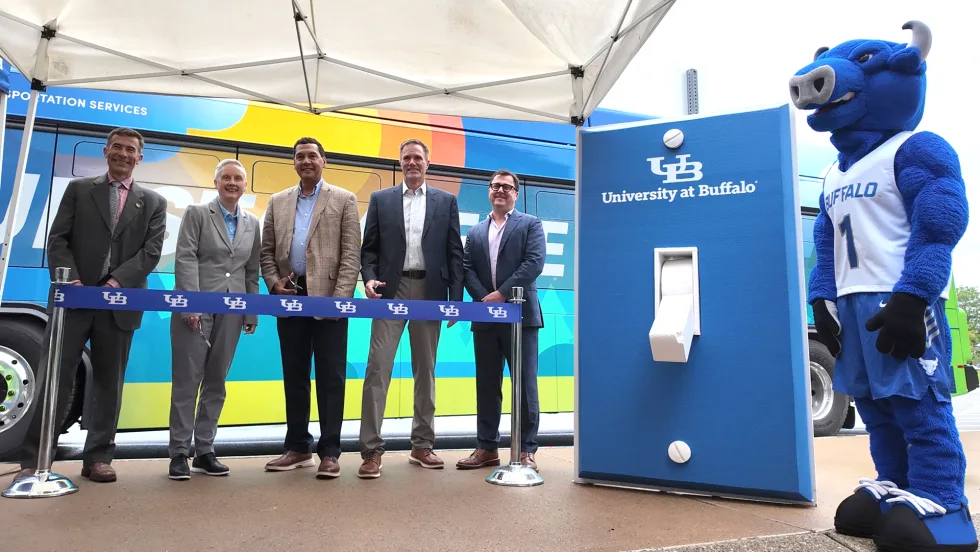
University at Buffalo Deploys 8 Electric Buses, 10 Chargers
The university, WeDriveU, and Zenobē welcomed the first electric buses to the school’s fleet under its zero-emissions roadmap.
Read More →
Samsung SDI Takes Full Control of GM Battery JV as Indiana Plant Pivots to Energy Storage
Samsung SDI is taking full control of its Indiana battery plant with GM, marking a major shift from the EV-focused joint venture Charged Fleet first covered in 2023.
Read More →
Xos White Paper Asserts LA Olympics Will Lack Enough EV Chargers
The commercial EV fleet company recommends some faster and more flexible remedies to relieve the anticipated shortfall.
Read More →
New EV and Hybrid Training Available For Auto Technicians
The curriculum covers those skill sets highly sought by electric fleet operations.
Read More →
Lucid Adds Hands-Free Highway Driving, Software Updates To Gravity SUV
Hands-free drive assist makes highway driving more comfortable while keeping drivers attentive to the road.
Read More →
California Adopts Sweeping New Autonomous Vehicle Regulations
Updated DMV rules open the door for heavy-duty AV testing and deployment while strengthening safety standards, emergency response coordination, and manufacturer accountability.
Read More →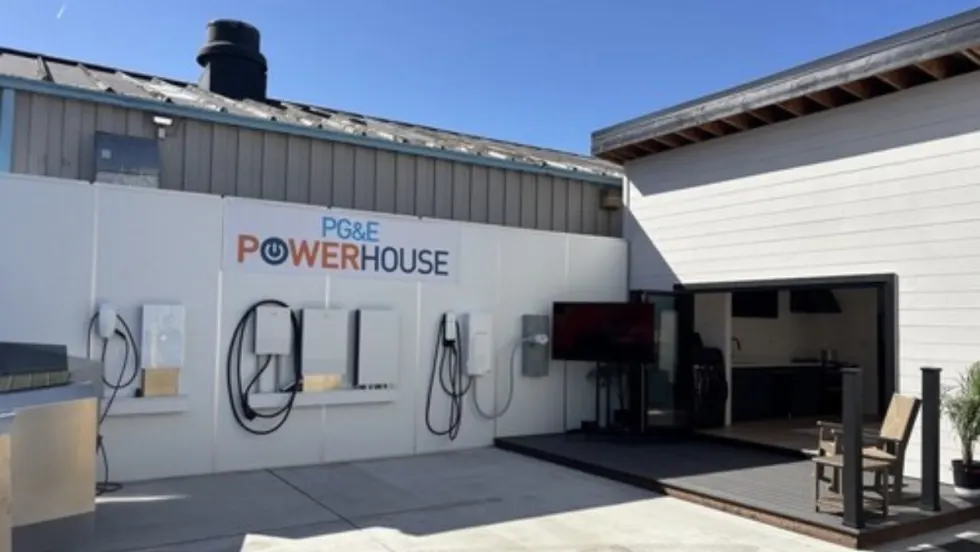
All Electric Test House Could Ease Path To EV Usage
An experimental model home shows how residential charging could enable electric fleet operations by allowing drivers to take EVs home.
Read More →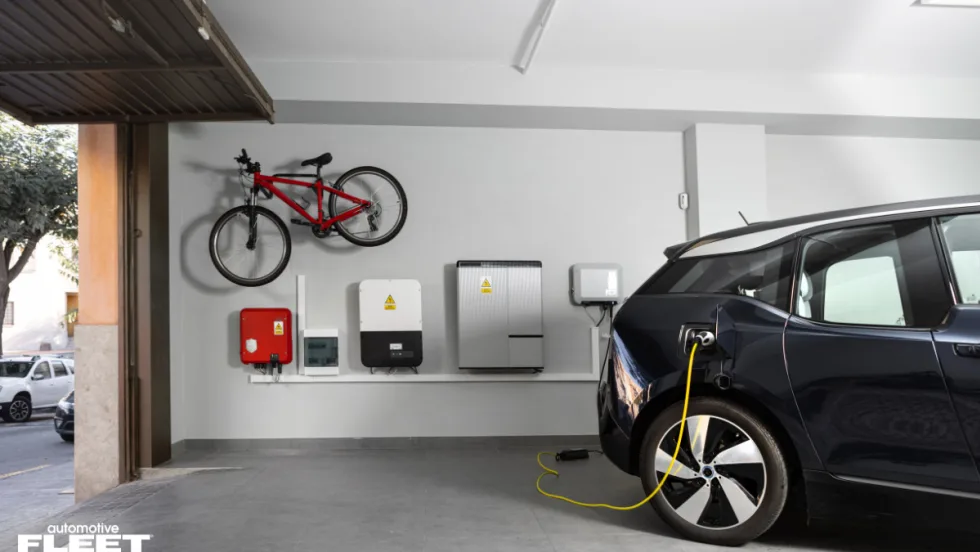
WEX Launches Solution to Close EV At-Home Charging Visibility Gap
At NAFA I&E 2026, WEX debuted an EV solution that adds a layer of verification to help fleets track, validate, and trust every at-home charging dollar.
Read More →