


Hurry, Hurry? It's Time to Go Green?
Is it a bunch of hype, a fad, or a realistic trend in the livery industry? LCT asks operators around the country what they are doing to “Go Green.”
Quite simply, “going green” can be summarized in four words – reduce, reuse, recover, and recycle. Operators are scrambling to fulfill the Four Rs, using programmable thermostats, adding blue recycle cans, installing compact fluorescent light bulbs, and buying alternative-fuel vehicles.
GREEN VEHICLES
WHEN LCT ASKED operators around the country what going green meant to them, the answers varied widely. Most focused their answers around their fleet vehicles, citing various types of hybrids, compressed natural gas, and technology that has not been fully developed, such as methane-gas powered vehicles. (Ah, fart-mobiles?)
Movie stars such as Leonardo DiCaprio and Cameron Diaz have helped popularize “green” vehicles by owning such alternative-fuel vehicles, and demanding livery companies provide the same when traveling around the nation or arriving at red-carpet events. However, there is a general consensus that the auto industry has not yet perfected vehicles suitable for being classified as a “luxury vehicle,” with the exception of the Cadillac Escalade, the Mercedes R-320, Lexus 400h and GS450h, and the GM Tahoe and Yukon models.
“I can never see any hybrid model cars making it into the limo industry other than the Tahoe, Yukon, or Escalade,” says Charles Kuritz, owner of Westfield Limousine Service in Westfield, N.J. “Even if they use a Camry, there is room for two people with luggage, and this is not luxury at all.”
Tim Wiegman Jr. of Boulevard Limousine in Kansas City, Mo., echoed the thoughts of Kuritz: “The current technology, especially gasoline hybrids like the Prius, Mariner, and Tahoe are not all they can be. I would really like to see vehicles that operate off propane or better yet, methane. We have all these landfills that produce methane. Let’s capture that gas and use it to power our vehicles.”
According to CNet.com, Toyota will begin testing an all battery vehicle for use around town toward the end of this year. Meanwhile, its popular Prius hybrid received rave reviews from most consumers, but industry operators loathe it. The limited seating capacity of two passengers, constricted luggage space, and engine performance rules it out as a viable, heavy-duty livery vehicle. Toyota plans to have an all battery model on the market by 2012, according to CNet.
Heaven on Wheels Limousine in Dallas was asked to provide a large SUV hybrid vehicle for a two-day job. They first went hunting at local rental companies to find the vehicle for the job. Rentals are legal in Texas, says Joshua Roman, owner of Heaven on Wheels. It was so difficult to find that Roman decided to buy an E-85 Flex Fuel Suburban to allow him to fill the niche of those seeking an alternative fuel or hybrid vehicle. E-85 is a mixture of ethanol and gasoline, and is primarily made from corn.
Other companies such as New York Limousines based in New York City have switched their base models from Lincoln Town Cars with eight cylinders to Chrysler 300s with six cylinders. The main goal was to save fuel in this move without compromising comfort of passengers, owner Mark Boryska says.
Yet others have resisted going green at all, citing logical reasons. Bill Payne of American Limousine LLC in Fort Mill, S.C., wonders why any operator would buy an E-85 vehicle given that both the vehicle and ethanol cost more compared to the costs of combustion engine vehicles and fuel while delivering 15% to 25% less fuel efficiency — just to save on some carbon emissions. Payne asks that since the E-85 fuel is only marginally cleaner than unleaded gasoline, and you burn more of it in a shorter distance, what is the real benefit? Also, E-85 is sometimes difficult to find. However, the vehicles also can run on gasoline, hence the flex fuel vehicle (FFV) moniker.
[PAGEBREAK]
Then, there are those who want to go green, but ironically are stifled by local regulations. Moshe Leib of Tampa Bay Limousine uses a Prius for drop-offs at Tampa International Airport, but can’t use them to pick up clients. A local livery law requires all vehicles picking up at the airport to conform to certain standards that match those of the Lincoln Town Car. This prevents clients who might desire an AFV from obtaining one when arriving at TIA.
RECYCLE, REDUCE, AND RECOVER
WHILE CERTAINLY THE fleet issue has been the hottest green topic, we found that many operators have taken baby steps such as adding blue waste cans to collect recyclable materials, including paper, soft drink containers, and water bottles. Since almost every vehicle in the industry is stocked with one or both of these products, the industry collectively could play a major role in recycling these items.
Geoff Levine of Limo Kings Limousine Service of San Diego has installed the big blue recycling can, and makes sure that all recyclable materials such as used napkins, water bottles, beer bottles, champagne bottles, and soft drink cans go straight from the limousines into the blue can.
Payne has considered removing the party napkins from his vehicles because most clients pull the napkins out and throw them on the floor. “Only four or five are used for anything, and we are probably killing a tree a month,” he says.
One Philadelphia-based limousine company has eliminated printed trip tickets and instead sends the information via email to web-enabled cell phones. That saved the company the cost of six cases of paper last year, while sparing trees and landfills.
INVESTING IN GREEN
MICHAEL BIRMINGHAM OF Birmingham Limousine Service in Toledo, Ohio, complained that going green may cause some to see red. Birmingham says New York City loses $17 million each year on its recycling programs.
Whether it buys blue trash cans for the office, a programmable thermostat, or CFL bulbs, they all cost money up front. However, the savings can be immense when measured over a long term period. A CFL bulb provides four times more service life while using 25% of the energy of a standard light bulb, according to the website Stopglobalwarming.com. Because the bulb will likely last seven years, the overall savings is estimated at 71%, according to a study by Georgia Interfaith Power and Light. Stopglobalwamring.com states the bulb saves about $60 annually.
There are many little things operators do to save money, such as installing programmable thermostats that reduce the time HVAC systems need to run. A programmable thermostat used properly can save as much as 10% on energy costs, according the U.S Department of Energy.
Cellular phone chargers draw energy even when not being used to charge a phone. They should be disconnected from power outlets when not in use. As an alternative, you can buy “smart” power strips, which eliminate any power going to a device until a device such as a phone charger requires it.
On a bigger scale, you could spend $19,000 for solar panels for your office that will last 30 years, says Gary Gerber, CEO of Sun Light and Power, a solar installer in Berkeley, Calif. It will break even in about 12 years. In the same 30-year period, you might pay your power company $60,000 to $80,000, Gerber says. “Most likely it’s a hugely good investment. And it will add to the resale value.”
MARKETING GREEN
JUST AS DICAPRIO and Diaz use the red carpet arrivals by AFVs to flaunt their commitment to the earth with their fans, chauffeured transportation companies can and should share their green efforts with clients and potential ones. Going green is a socially responsible thing to do, and letting your customers know of your commitment to the environment creates an image of being an environmentally responsible company. That, of course, builds good public relations and attracts green-conscious clients with money to spend. And that’s the greenest solution of all.
– Contributing editor Jim Luff can be reached at jim@lctmag.com
More Batteries/Tech
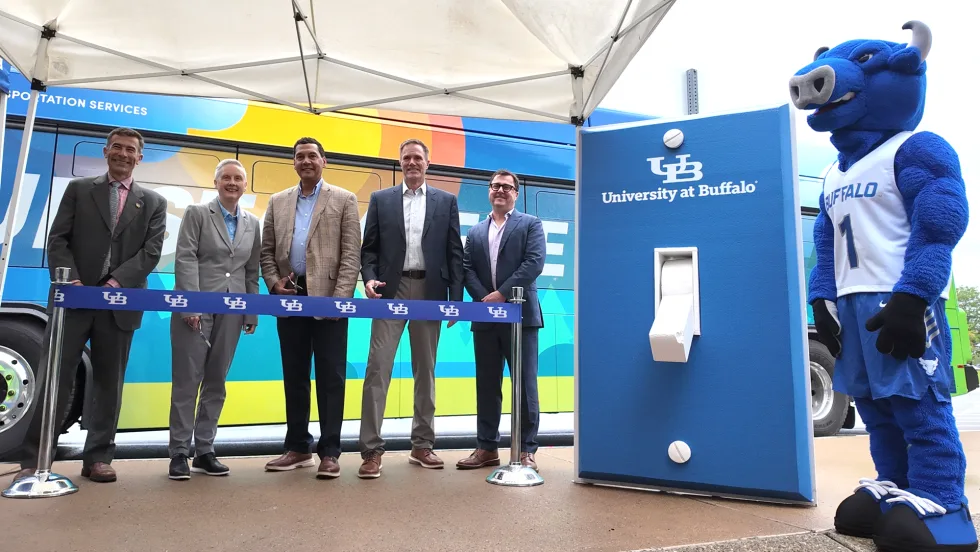
University at Buffalo Deploys 8 Electric Buses, 10 Chargers
The university, WeDriveU, and Zenobē welcomed the first electric buses to the school’s fleet under its zero-emissions roadmap.
Read More →
Samsung SDI Takes Full Control of GM Battery JV as Indiana Plant Pivots to Energy Storage
Samsung SDI is taking full control of its Indiana battery plant with GM, marking a major shift from the EV-focused joint venture Charged Fleet first covered in 2023.
Read More →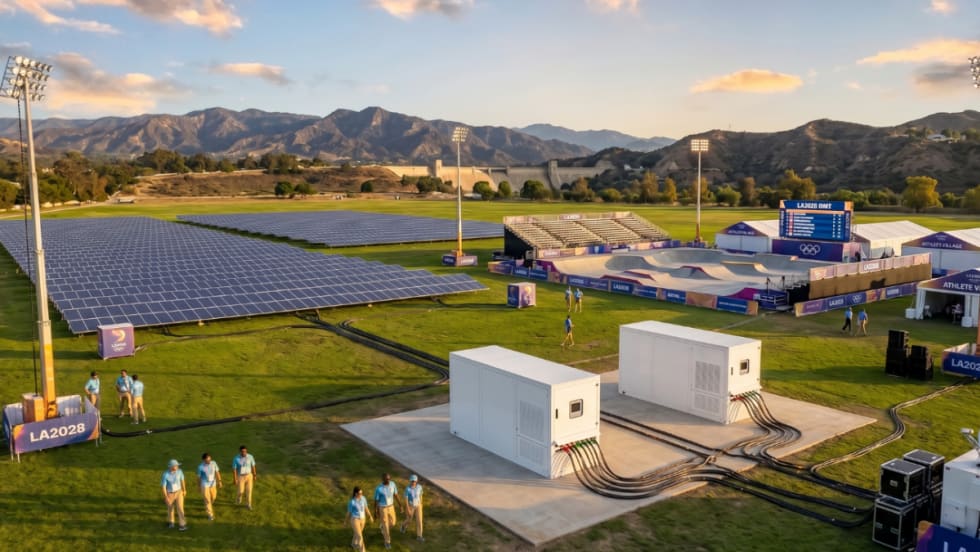
Xos White Paper Asserts LA Olympics Will Lack Enough EV Chargers
The commercial EV fleet company recommends some faster and more flexible remedies to relieve the anticipated shortfall.
Read More →
New EV and Hybrid Training Available For Auto Technicians
The curriculum covers those skill sets highly sought by electric fleet operations.
Read More →
Lucid Adds Hands-Free Highway Driving, Software Updates To Gravity SUV
Hands-free drive assist makes highway driving more comfortable while keeping drivers attentive to the road.
Read More →
California Adopts Sweeping New Autonomous Vehicle Regulations
Updated DMV rules open the door for heavy-duty AV testing and deployment while strengthening safety standards, emergency response coordination, and manufacturer accountability.
Read More →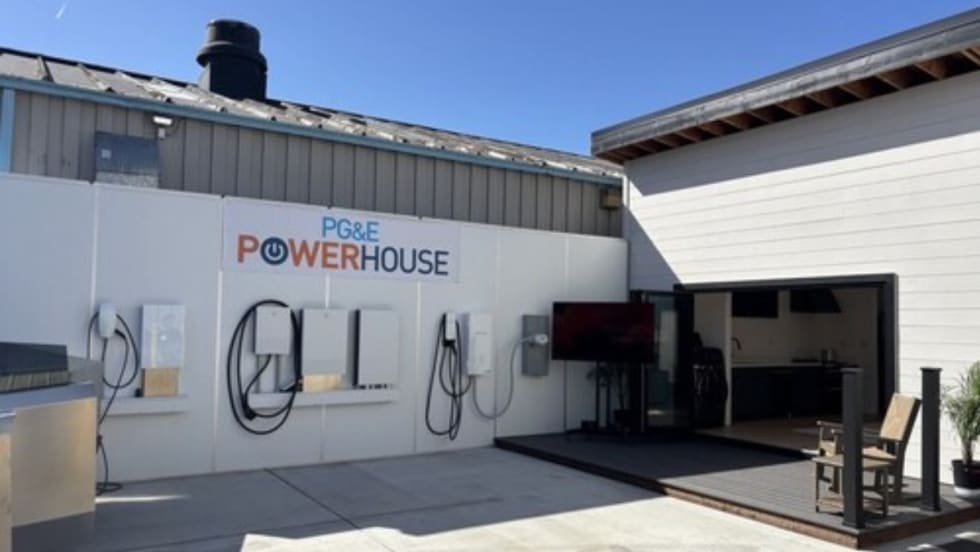
All Electric Test House Could Ease Path To EV Usage
An experimental model home shows how residential charging could enable electric fleet operations by allowing drivers to take EVs home.
Read More →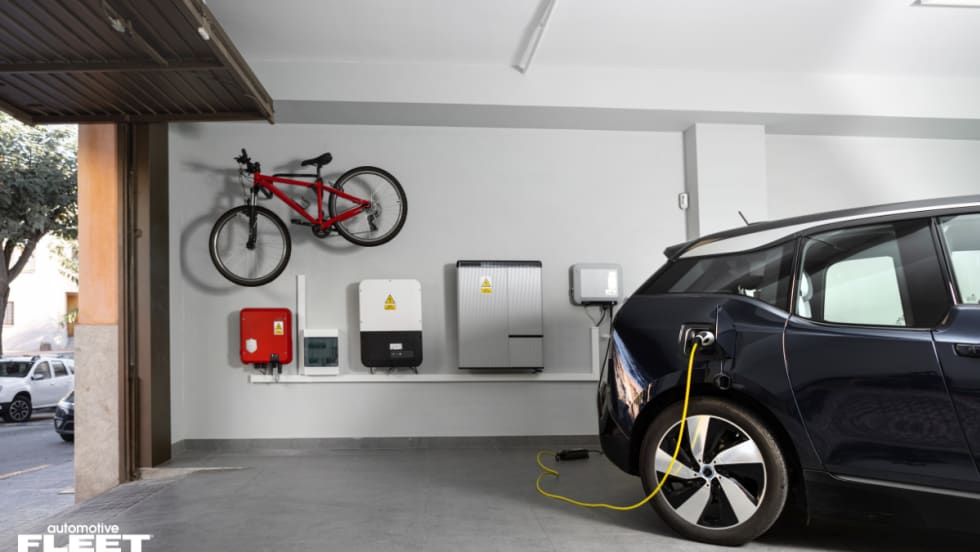
WEX Launches Solution to Close EV At-Home Charging Visibility Gap
At NAFA I&E 2026, WEX debuted an EV solution that adds a layer of verification to help fleets track, validate, and trust every at-home charging dollar.
Read More →
Major Truck Charging Hub Opens In Southern California
EV Realty opens a 76-port, 9 MW truck charging hub in San Bernardino, designed to support more than 200 medium- and heavy-duty vehicles per day with CCS and MCS capability.
Read More →
Software Speeds Up EV Fleet Charging
Learn about a new level of energy management that helps fleets control costs while maintaining service reliability. [VIDEO]
Read More →