


Greening Motorcoaches
Just like chauffeured transportation, the bus industry is working on establishing clean green programs and getting out the word to customers.

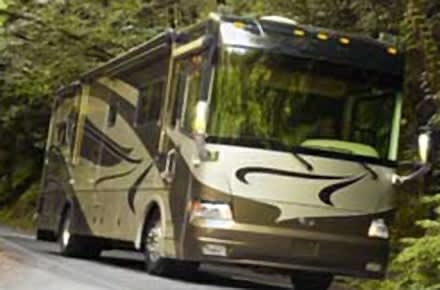
Charter and tour bus operators trying to get greener experience many of the same challenges facing other ground transportation segments.
While the recession has temporarily gutted green programs at many corporations, the concept will not go away. For motorcoach operators, solutions are already built into the equation because buses already meet stricter emissions requirements than other ground transportation vehicles and have the lowest per passenger emissions. The industry just needs to tell that story more clearly to the public.
U.S. EPA rules will require all retail fuel stations to only sell ultra low sulfur diesel starting on Dec. 1, 2010. ULSD is a cleaner burning diesel fuel containing a maximum 15 parts per million sulfur — a major step beyond the previous low sulfur diesel.
The EPA’s clean fuel program also requires makers of engines and buses to meet stricter emission reduction standards, which increased substantially in the 2007 model year, with the requirement of diesel particulate filters, and will again in the 2010 model year with the requirement of selective catalytic reduction.
According to an industry estimate, charter and tour operators are keeping motorcoaches in their fleets an average of seven years, which means that most of the bus fleet precedes the 2007 model year EPA changes. Running older buses on bio-diesel has been a route taken by several operators, but it’s not always clear whether this actually will reduce emissions.
ABA Forms Green Committee
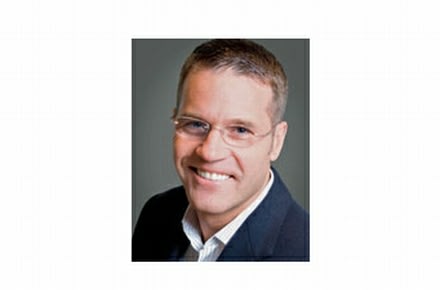
LAST FALL, the American Bus Association started up its Environmental Committee, chaired by Darren Berg, CEO of Seattle-based MTR Western. The committee met again in January during the ABA Marketplace annual conference in Charlotte, N.C., and worked out more details of its strategic plan to promote motorcoaches as the greenest way to travel since they emit the least carbon dioxide per passenger of any vehicle and reduce traffic congestion.
“It’s a consortium of operators, manufacturers, and consultants on efficiency issues, including carbon calculations and motorcoach construction technology,” Berg says. “We feel its ABA’s place to be at the forefront.”
The top priorities include advocating sound public policy and telling the public a great story about the bus industry’s leadership role in preserving the environment, he says. The Environmental Committee educates consumers on the industry’s green credentials, and is concerned that operators avoid “greenwashing,” Berg says. Operators should not misrepresent their operational practices and how they actually affect CO2 emissions, especially when using biodiesel in buses. It’s important that operators find out what emission levels the buses produce when using B5 and other biodiesel/diesel mixtures, and whether this actually meets their program goals.
The most important green goal is to increase fuel efficiency while buses are running, and this doesn’t necessarily mean using biodiesel.
MTR Western is based in Seattle and serves eight metro markets from Calgary, Alberta to Los Angeles with its fleet of 169 buses. As part of its own green practices, MTR Western entered a carbon offset purchasing program in January 2008 (and was renewing the program as of press time for 2009) with the Van Eck Forest Project in California’s Humboldt County.
The Van Eck Forest Project is considered the first forest carbon storage project with climate benefits certified by the California Climate Action Registry, according to MTR Western. The MTR Western program with Van Eck Forest has gone over well, bringing in House of Representatives Majority Leader Nancy Pelosi and California Gov. Arnold Schwarzenegger as partners, Berg says.
Berg emphasizes that bus operators should stay updated on state and federal regulations, especially for their fleet practices. In 2005, the EPA mandated exhaust gas recirculation standards for diesel vehicle production, and the California Air Resources Board will probably require all buses operating in the state to meet 2005 EGR standards if they want to stay on the road, he says. The states of Washington and Oregon are looking at adopting similar vehicle requirements, Berg says.
In the Chicago market, Colonial Coach is marketing its own green program by using 2% biodiesel, which is stored in its 10,000 gallon fuel tank for its 94-vehicle fleet, says Walter Niemiec, director of service operations. Along with biodiesel, the company’s program focuses on recycling oil in its garage, using bus waste oil to fuel office heating, and using the right chemicals and solvents for green cleaning parts and tools. “Nothing goes to waste,” Niemiec says.
Cutting down engine idle time also has been part of Colonial’s green program.
Drivers are trained to start buses an hour before take-off time, along with other idle time practices. This also has been implemented for buses Colonial operates under the city of Chicago’s Pace suburban bus service.
Chauffeured Operators Moving Into Buses Must Do Their Homework
More Batteries/Tech
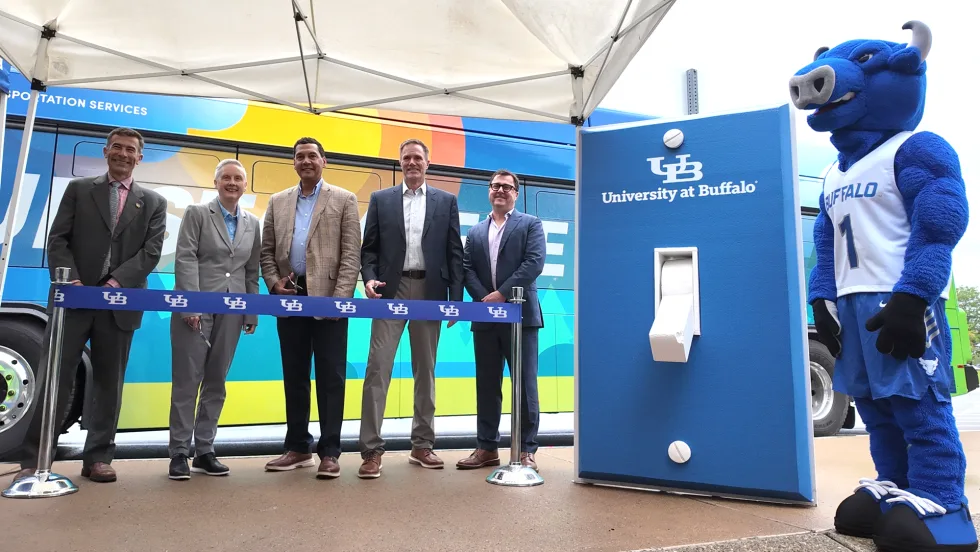
University at Buffalo Deploys 8 Electric Buses, 10 Chargers
The university, WeDriveU, and Zenobē welcomed the first electric buses to the school’s fleet under its zero-emissions roadmap.
Read More →
Samsung SDI Takes Full Control of GM Battery JV as Indiana Plant Pivots to Energy Storage
Samsung SDI is taking full control of its Indiana battery plant with GM, marking a major shift from the EV-focused joint venture Charged Fleet first covered in 2023.
Read More →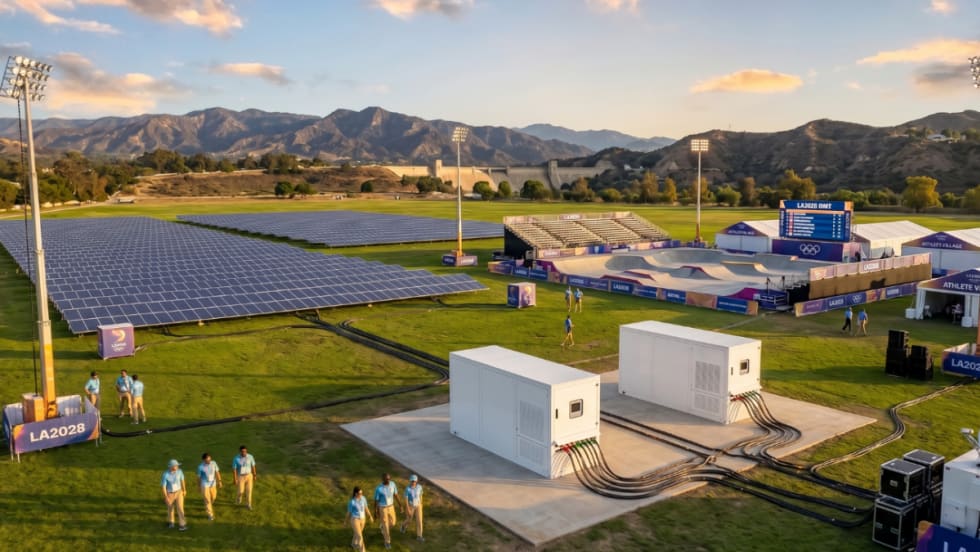
Xos White Paper Asserts LA Olympics Will Lack Enough EV Chargers
The commercial EV fleet company recommends some faster and more flexible remedies to relieve the anticipated shortfall.
Read More →
New EV and Hybrid Training Available For Auto Technicians
The curriculum covers those skill sets highly sought by electric fleet operations.
Read More →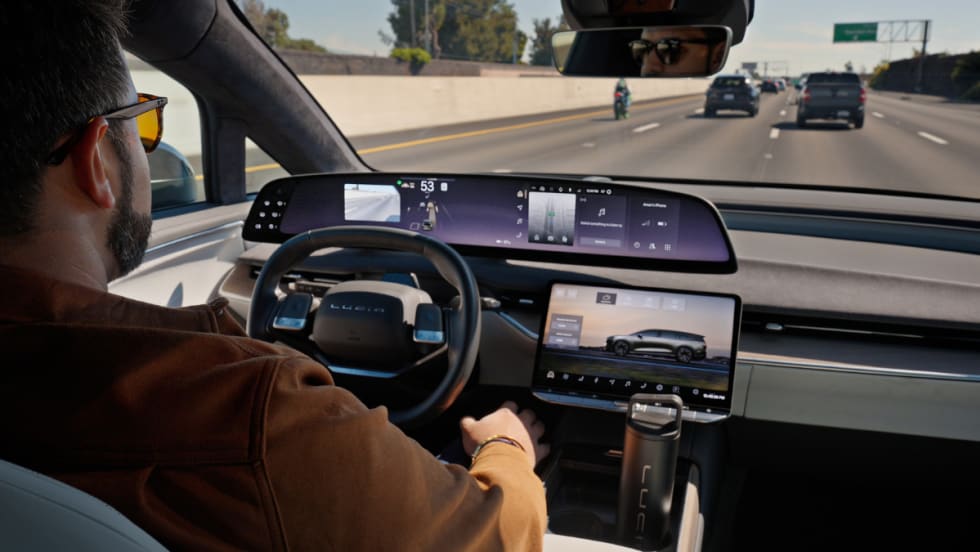
Lucid Adds Hands-Free Highway Driving, Software Updates To Gravity SUV
Hands-free drive assist makes highway driving more comfortable while keeping drivers attentive to the road.
Read More →
California Adopts Sweeping New Autonomous Vehicle Regulations
Updated DMV rules open the door for heavy-duty AV testing and deployment while strengthening safety standards, emergency response coordination, and manufacturer accountability.
Read More →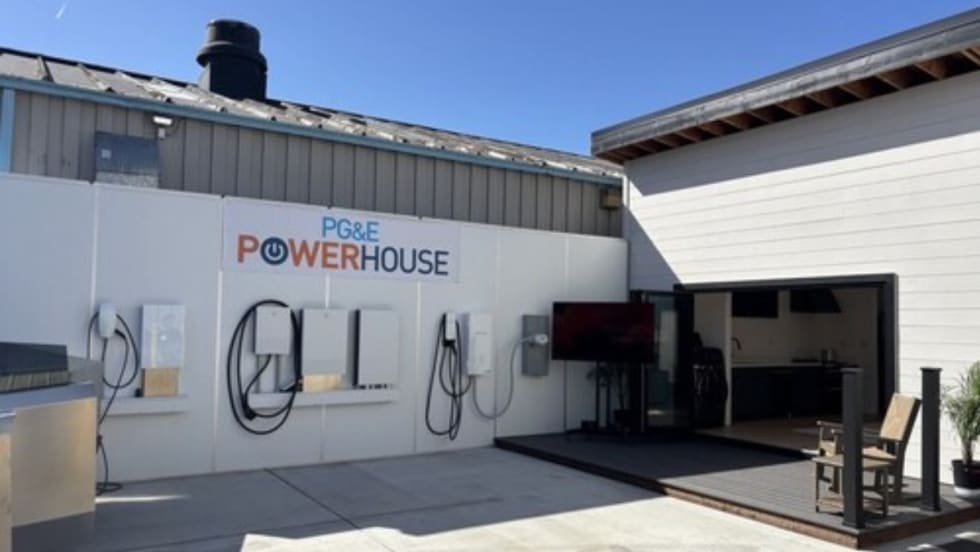
All Electric Test House Could Ease Path To EV Usage
An experimental model home shows how residential charging could enable electric fleet operations by allowing drivers to take EVs home.
Read More →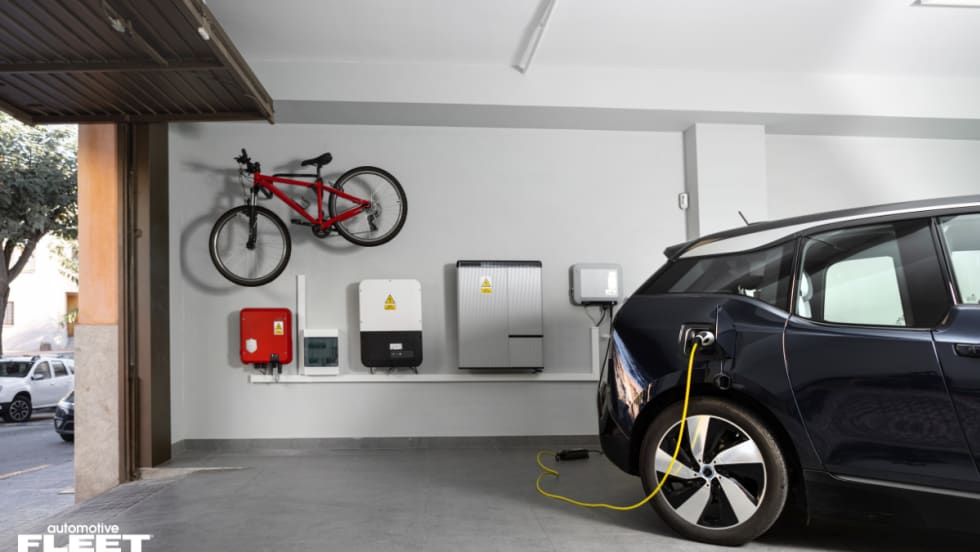
WEX Launches Solution to Close EV At-Home Charging Visibility Gap
At NAFA I&E 2026, WEX debuted an EV solution that adds a layer of verification to help fleets track, validate, and trust every at-home charging dollar.
Read More →
Major Truck Charging Hub Opens In Southern California
EV Realty opens a 76-port, 9 MW truck charging hub in San Bernardino, designed to support more than 200 medium- and heavy-duty vehicles per day with CCS and MCS capability.
Read More →
Software Speeds Up EV Fleet Charging
Learn about a new level of energy management that helps fleets control costs while maintaining service reliability. [VIDEO]
Read More →