


Fleets Sound Off on Electrification, Fuel Management, and Remarketing
Automotive Fleet views itself as a facilitator to provide a platform for different voices from the industry to sound-off on today’s challenges. This regular column is designed to encourage discourse for fleet professionals to let their voices be heard to their peers and other industry professionals. Here is what is top of mind for fleet professionals concerning vehicle remarketing, electrification, and fuel management.


Credit: Pixaby
Automotive Fleet views itself as a facilitator to provide a platform for different voices from the industry to sound-off on today’s challenges. This regular column is designed to encourage discourse for fleet professionals to let their voices be heard to their peers and other industry professionals. Here is what is top of mind for fleet professionals concerning vehicle remarketing, electrification, and fuel management:
Fuel Spend Reduction
Fuel spend is on the increase. The article entitled “Asset & Driver Strategies to Reduce Fuel Spend” that was published in the May 2021 issue of Automotive Fleet has been a great source to learn ways to reduce fuel spend. I’m a big believer in safety and by reducing speed, distracted driving, idling are just a few ways to minimize cost and unanticipated expenses.
Dan Shive, Director of Client Engagement and Account Management for EnVue Telematics
There is a limit as to how much fuel savings a fleet can wring from the types of vehicles acquired without impacting the fleet application. One of the best ways to control fuel expenditures is to control driver behavior. The way employees drive their company vehicles can either increase or decrease fuel economy and greenhouse gas emissions. If you change the driving behavior of employees, you have a direct impact on the amount of fuel consumed and the amount of emissions emitted. Even small increases in mpg can result in substantial savings when extrapolated across the entire fleet. -- Editor
Many Unanswered Questions about Electrification Costs
My compliments on your online session regarding the challenges to electrification, which was presented during the 2021 Global Fleet Experience virtual conference. Your two questions regarding resale and TCO/ROI were actually rattling around in my head as I was listening. You could have been reading my mind! I suspect the resale of early adopted electric vehicles will be more of a challenge than we may realize.
Will a buyer, private or not, really be interested in a six-year-old vehicle equipped with a six-year-old battery pack?
Will a buyer, private or not, really be interested in an early generation EV when later units are more likely to have more features, range, and amenities?
Should a seller, fleet or not, consider spending dollars in renewing the original battery pack before placing used EVs on the market to make them more attractive to potential buyers?
If so, should a fleet consider reserving or accruing the projected cost of a renewed battery pack at the outset to spread the cost of the renewed batteries over the life of the unit?
If maintenance costs are indeed as low as they’re expected to be, perhaps fleets should consider using some of these savings to offset the cost of a renewed battery pack at resale.
Fleets dipping their toes in the EV pool cannot possibly calculate ROI/TCO without projecting resale at some arbitrary percentage to which you alluded in the presentation.
Are fleets including the costs of infrastructure deployment w/in their TCO calculations. Should they?
Do you agree that as these units become more prevalent within fleets, fleet managers will want/need some method of real-time connectivity to their EVs to determine battery state of charge, location, charger availability, and location and battery long-term health, tire inflation pressure (since they won’t be visiting the shop as often)?
Thanks again for your support of our industry.
Bob Stanton, CPM, CPFP, Fleet Management Consultant in Roswell, Ga.
The Pulse of the Industry
A fleet manager has to keep their finger on the pulse of all aspect of fleet management; from setting the proper vehicle selector, to delays in the ordering process to the used-vehicle market. Shortcycling vehicles and capturing vehicle equity has been part of our replacement criteria for the past couple of years. We were in the middle of a shortcycle project when COVID hit last March/April when the used-vehicle market tanked. Because we were keeping up with the changing market conditions, we realized the crash was happening and told leadership that we needed to stop selling vehicles immediately which we did. As we all know, the market started to bounce back quickly and we started selling vehicles again, It’s difficult to determine the amount of money we saved the company by stopping all sales during that short timeframe but I’ve been told by wholesalers who we work with that the savings was anywhere from $5,000 to $8,000 per vehicle. Keep your finger on the pulse and flexible enough to make immediate adjustments to what would be considered normal practices.
Author wished to be anonymous
Enjoy the Weekly State of Fleet Industry Videos
I enjoyed your State of the Fleet Industry video entitled “Top Fleet Managers Concerns for 2021” and certainly see the same interest in EVs as your fleet managers state. I was also interested on the safety segment you mentioned where fleet managers like safer features but will not yet commit funds to them.
Steven Slawson, Vice President of Purchasing for Lordstown Motors in Lordstown, Ohio
Historic Milestone in the Remarketing Industry
I want to let you know that the June 22, 2021, State of the Fleet Industry report that was entitled “Historic Milestones in Remarketing Industry” was a great video by Mike Antich.
Michael Braband, Fleet Administrator for Pace Suburban Bus in Arlington Heights, Ill.
One topic of the State of the Fleet Industry video report focused on the recently concluded 2021 Conference of Automotive Remarketing (CAR), which was a historic milestone because it was the very first in-person conference in the remarketing and fleet industries since the start of the COVID-19 pandemic. The conference was a huge success, which proved that there is a huge pent-up demand for a return to in-person networking at educational events. I refer to it as cabin fever. People want and need to meet in person.
Second, this is good news for all of the subsequent industry events that will taking place through the balance of this calendar-year. It’s been proven you can have a safe and successful conference in a post-COVID environment. People are ready for in-person events. The overwhelming majority of people who will attend in-person conferences are fully vaccinated. And after 15 months of surviving this pandemic, we, as an industry, have the safety protocols down pat. We know what to do and what not to do. I for one am looking forward to attend -- in-person -- the upcoming NAFA Conference in September, the AFLA conference in early October and the Global Fleet Conference at the end of October. -- Editor
Originally posted on Automotive Fleet
More Operations
The EV Breakdown Nobody's Talking About: Why Most Electric Vehicle Roadside Calls Aren't Mechanical Failures
Here's why EV breakdowns are widely misunderstood.
Read More →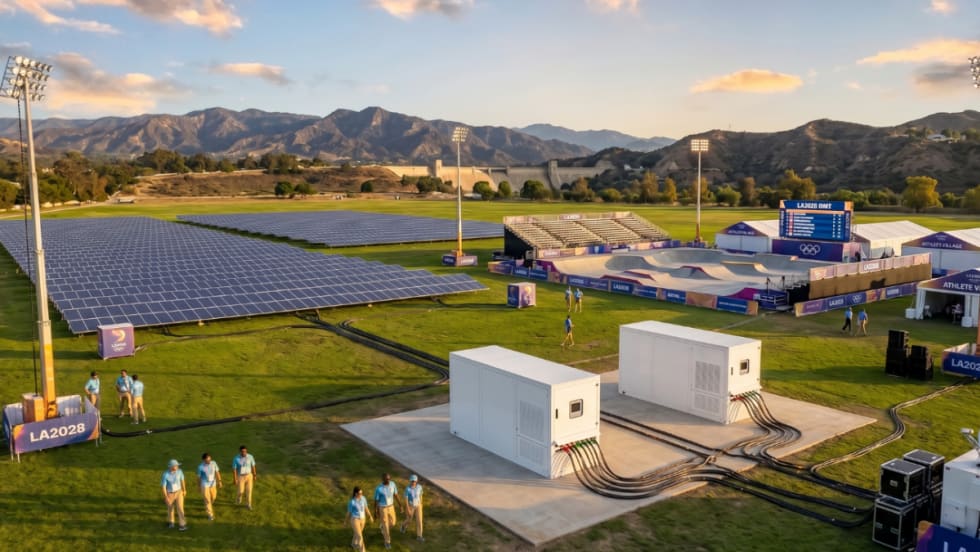
Xos White Paper Asserts LA Olympics Will Lack Enough EV Chargers
The commercial EV fleet company recommends some faster and more flexible remedies to relieve the anticipated shortfall.
Read More →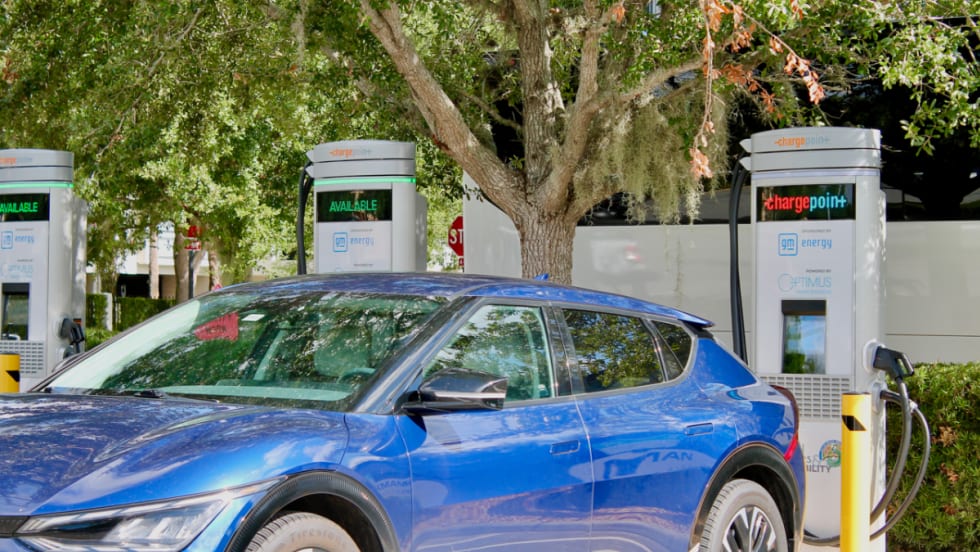
ChargePoint, Optimus Expand Fast-Charging Network Across Southeastern U.S.
ChargePoint will serve as the exclusive solutions provider, delivering hardware, software, and services to support Optimus’ growing charging network.
Read More →
Running A Profitable Electric Rental Fleet
How do you successfully operate an all-electric rental car fleet? Whether you manage a rental fleet or another commercial fleet, this conversation offers practical lessons on deploying, operating, and scaling electric vehicles.
Read More →
Registration Opens for 2026 Fleet Forward Conference
Held on the East Coast for the first time, the Washington, D.C.-area event features expert-led education, a new IIHS Crash Test Experience, and collocation with the NAFA’s Fleet Safety Symposium.
Read More →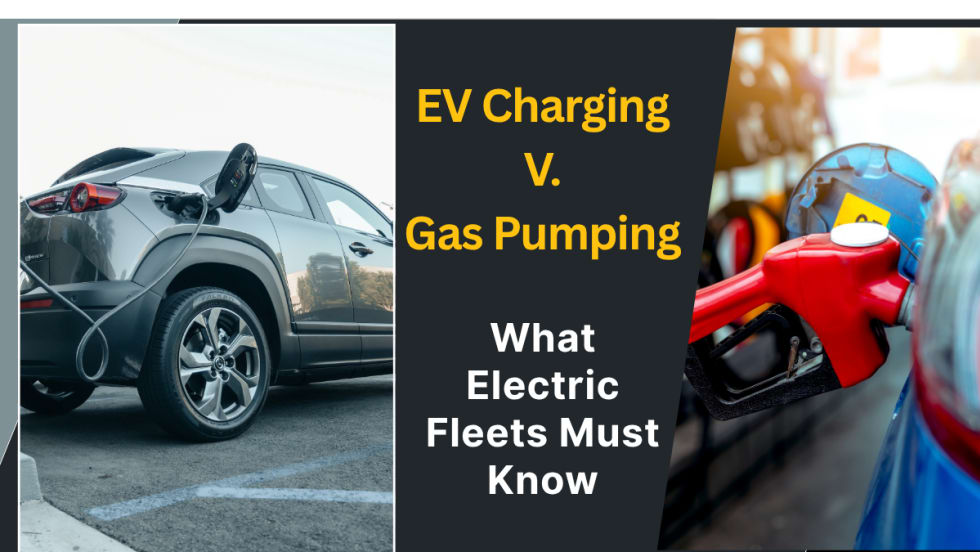
Why Charging May Never Be As Easy As Filling Up Gas
A seamless charge depends on a string of independent companies getting it right together, every time. How can electric fleets navigate the challenges to create a successful charging plan?
Read More →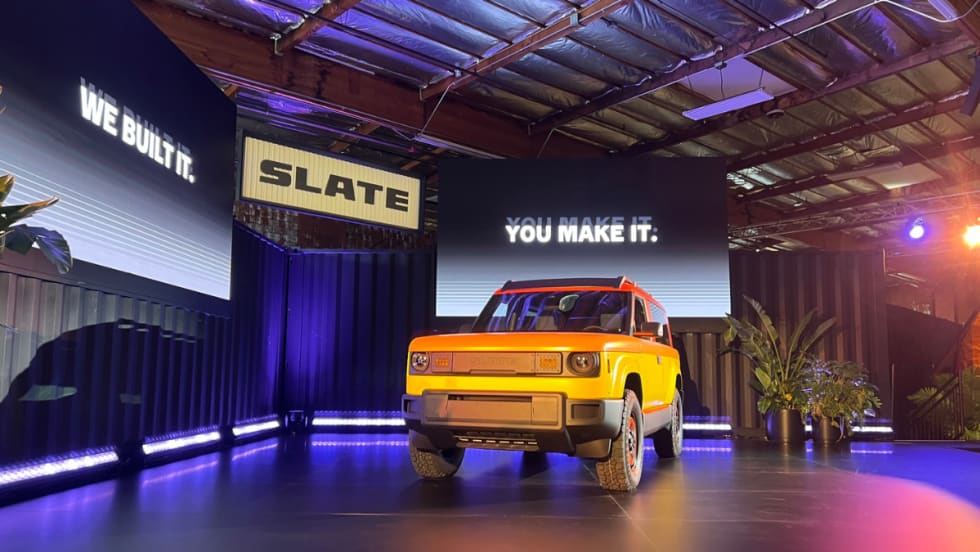
Slate Debuts Colorful, Unique EV Models
A recent media and client event, studded with electric vehicles dressed up on platforms, planted a new position for the manufacturer in the wider EV market. Fleets will find cost-saving advantages.
Read More →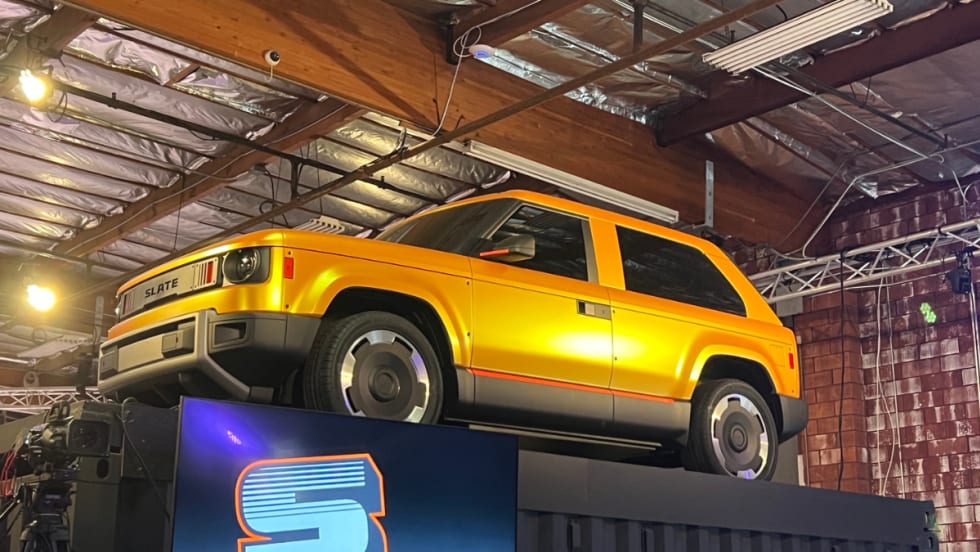
Slate Electric SUV, Pickup Switchable Model Aims For Light-Duty Fleets
Everything about this EV is counterintuitive and understated, making it stand out from the crowd.
Read More →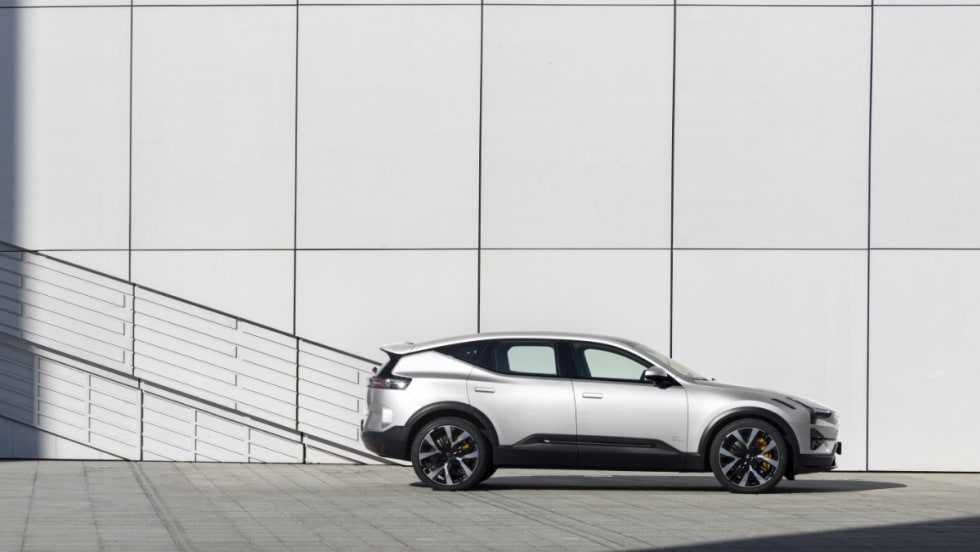
Polestar Barred from U.S. Market Under Connected Vehicle Rule
The automaker loses its authorization to sell new vehicles in the U.S., starting with the 2027 model year. Polestar owners will retain access to the brand's service network.
Read More →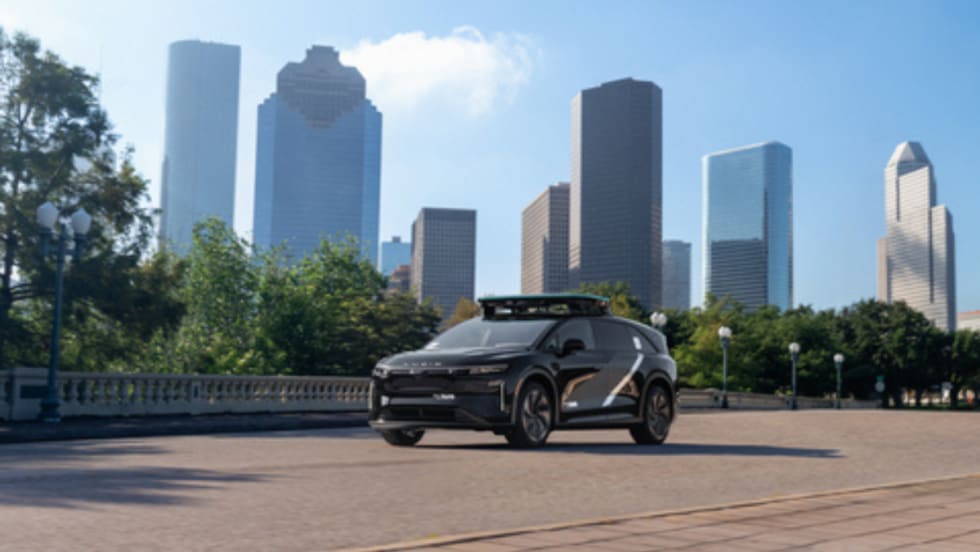
Uber, Nuro and Lucid Plan Houston Robotaxi Service in 2027
The tripartite venture brings out the combined advantages of electric vehicles, mobility, and autonomy into ground transportation.
Read More →