



Keep Reading: The Top 7 Fleet Management Trends in 2024
Fleet Managers Define Challenges & Goals for 2024
For these seven fleet managers, a common challenge is cost containment in the face of lingering supply issues. That challenge grows in the face of looming regulations and corporate sustainability goals.
February 9, 2024
In terms of goals, these fleet managers are looking to drive down their fleet’s idle vehicle rate and rental days, crunch big data to identify spending patterns to reduce expenses, and better manage higher vehicle acquisition and ownership costs.
Photo: Automotive Fleet
6 min to read
Automotive Fleet connected with seven fleet managers of sales, service, and utility fleets and asked them to weigh in on their goals and challenges for 2024:
David Hayward, senior manager, global fleet management, ABM:
My biggest challenge in 2024 will be balancing electric vehicle requirements with regulations (like California’s zero-emissions rules on the horizon) and overall vehicle allocation from the OEMs.
In my specific industry, there aren’t consistent replacement criteria. We aim for a replacement cycle of 125,000 miles or 60 months, but sometimes the terms of the contracts with our clients may extend or shorten the lifecycle. This makes predicting replacements somewhat difficult.
Other challenges include maintenance compliance (aggravated by ongoing issues with parts suppliers and labor shortages), fuel consumption (idling), and safe driving.
Registration compliance has been an ongoing issue in certain jurisdictions such as Shelby County, Tennessee, which has been backlogged for many years. COVID became a convenient excuse for processing delays and that has not changed in the post-pandemic timeframe.
Joe Schmoeckel, fleet manager, Lundbeck:
The two biggest challenges I will face in 2024 are to stay within budget as demanded by upper management and to keep focus on KPIs amid pressures from Global on sustainability goals.
On the first point, rising costs due to inflation and supply uncertainty have made it extremely difficult to predict cost outcomes throughout 2024. Approximately 80% of fleet costs are variable. Any disruption in world events (such as wars) or business environment changes can have a huge impact on the budget.
Keeping abreast of changes, developing and publishing impact statements, and being ready to implement adjustments as needed can put a big strain on a fleet manager.
On the second point, our corporate office has sustainability goals, and reducing tailpipe CO2 is a major factor in contributing to the goal. Our company (Lundbeck) measures progress quarterly. When targets are not reached, there are lots of questions. No matter how much information one presents, it appears people just don’t understand the complexity of the situation.
Case in point: a few months ago, a senior executive kept wondering why there was an issue with getting EVs into the fleet. So, I obtained an EV for him to use. Right before Christmas, he told me we are not ready for EVs. Now I have an EV that will seldom be used.
On the bright side, we have some hybrids in our fleet, and for now, that has seemed to please global and upper management. Yet, that comes at a cost which puts a strain on the budget.
These two challenges go hand-in-hand. It costs money to go green, however, costs need to be maintained. As a fleet manager, 2024 will be a fine balancing act between preparing for the future and keeping costs under control.
Jeb Lopez, owner/operator, WheelzUp:
Challenges for 2024? There are so many "paper cuts!”
The biggest thing for me is how expensive mobile services and regular services have become due to the current economy, and scarcity of parts and resources. Most of the "new technicians" learned from YouTube and backyard mechanic work. Many real ASE techs are older now and they can demand more money!
AI is creeping in — like automatic pay-per-click and AI push marketing. AI is even being implemented in fleet apps, doing the work for us in analyzing the metrics. We rely on it now and it really helps.
Amy Joyce, director of fleet, DTE Energy:
Our biggest challenge for 2024 is a lack of choices in the electric vehicle market with enough range to meet our needs. While the market has focused on developing passenger vehicles, we need pickups, vans, and Class 3 through 5 vehicles tailored specifically for fieldwork. This is a growing concern given that some OEMs are planning to reduce EV production in the future.
Parts delays continue to impact our preferred upfitters. The downstream impact is vehicle delivery delays. We have committed production slots at our upfitters, which can’t be fulfilled due to parts and chassis production shortages.
Opening and closing order banks with little advance notice has been another challenge. We anticipate some improvement in this area. The additional notice will enable us to plan more effectively.
As well, manufacturers have been allocating fewer vehicles than necessary to meet our needs. We continue to strive to close the gap created by lost vehicle replacements during COVID-19.
Jim Petrillo, manager, treasury services & fleet management, FUJIFILM Holdings America Corporation
For me, the biggest challenge this year is cost creep. There may be no way around it, but we need to take a closer look at vehicle acquisition costs and TCO. Incentives have gone down and prices have risen, thus making our residual values decrease.
SuYvonne Bell, senior sales operations manager, Gilead:
Cost: Again, this year the guidance is for the fleet budget to remain flat. With the lingering increase in all services post-COVID, finding innovative solutions to create cost savings while maintaining a safe and reliable fleet program is a challenge.
In addition, our fleet drivers have returned to 100% in-person work and are using their fleet vehicles for multi-state work versus air travel. Most important is the challenge to accomplish and continue to prioritize driver satisfaction.
Data Mining: Mining the expansive data provided to fleet professionals can be overwhelming but offers the opportunity to reduce costs. I am expanding my team so that we can focus on this data to identify spending and usage patterns and implement changes that can result in cost savings.
Change Management: Change management is always a challenge within any organization. Addressing the first two challenges will require simultaneously aligning and obtaining leadership support to implement significant longstanding changes.
Lastly, not mentioned above but prevalent in most fleet programs is the challenge of achieving companies’ sustainability goals. As a member of EV100, my company is committed to transitioning its fleet vehicles to alternative fuel by 2030.
While it is understood that this requires an initial upfront investment and increased vehicle costs, along with providing home charger incentives and reimbursements towards utility costs, there remains uncertainty about when this investment will become economically feasible.
Mike Hauge, fleet electrification manager, Ecolab:
Our biggest challenge is to balance the costs involved with the various initiatives we’re pursuing around sustainability, safety, updating equipment, and enhancing driver productivity. There are upfront investments in capital, time, and resources in all of these; we’re trying to balance them to deliver the right ROI.
In 2022 we had a high percentage of vehicles that sat idle, so in 2023 we made a point to attack vehicle utilization. We were able to drive down our idle vehicle rate from 9.5% to under 5% by year-end and reduce days in rentals by 17%. We’ll be looking to hone our processes further in the coming year to ensure that those numbers stay down.
Another challenge is gaining greater visibility into our fleet through harvesting telematics data, and this year that includes looking into safety solutions such as dash cameras.
Originally posted on Automotive Fleet
Subscribe to Our Newsletter
More Operations

The EV Breakdown Nobody's Talking About: Why Most Electric Vehicle Roadside Calls Aren't Mechanical Failures
Here's why EV breakdowns are widely misunderstood.
Read More →
Xos White Paper Asserts LA Olympics Will Lack Enough EV Chargers
The commercial EV fleet company recommends some faster and more flexible remedies to relieve the anticipated shortfall.
Read More →
ChargePoint, Optimus Expand Fast-Charging Network Across Southeastern U.S.
ChargePoint will serve as the exclusive solutions provider, delivering hardware, software, and services to support Optimus’ growing charging network.
Read More →
Running A Profitable Electric Rental Fleet
How do you successfully operate an all-electric rental car fleet? Whether you manage a rental fleet or another commercial fleet, this conversation offers practical lessons on deploying, operating, and scaling electric vehicles.
Read More →
Registration Opens for 2026 Fleet Forward Conference
Held on the East Coast for the first time, the Washington, D.C.-area event features expert-led education, a new IIHS Crash Test Experience, and collocation with the NAFA’s Fleet Safety Symposium.
Read More →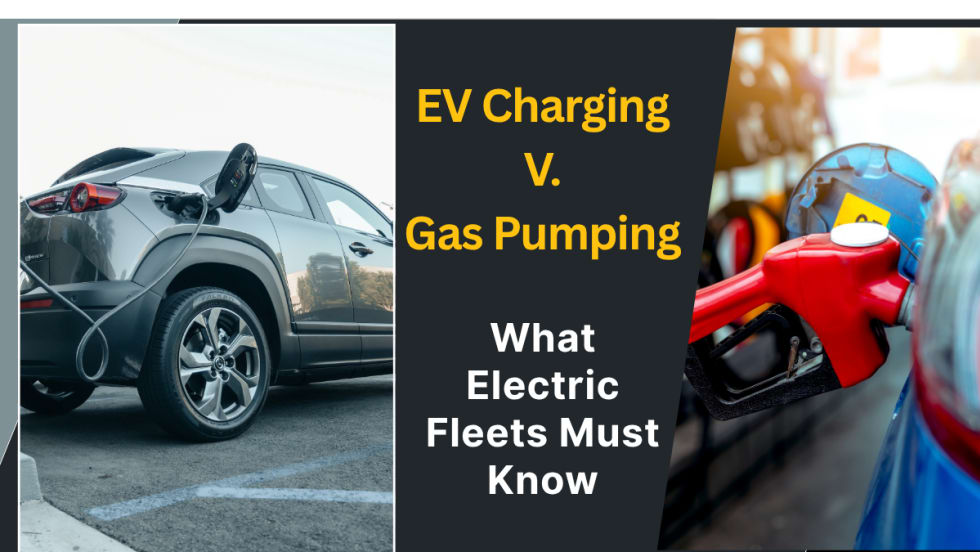
Why Charging May Never Be As Easy As Filling Up Gas
A seamless charge depends on a string of independent companies getting it right together, every time. How can electric fleets navigate the challenges to create a successful charging plan?
Read More →
Slate Debuts Colorful, Unique EV Models
A recent media and client event, studded with electric vehicles dressed up on platforms, planted a new position for the manufacturer in the wider EV market. Fleets will find cost-saving advantages.
Read More →
Slate Electric SUV, Pickup Switchable Model Aims For Light-Duty Fleets
Everything about this EV is counterintuitive and understated, making it stand out from the crowd.
Read More →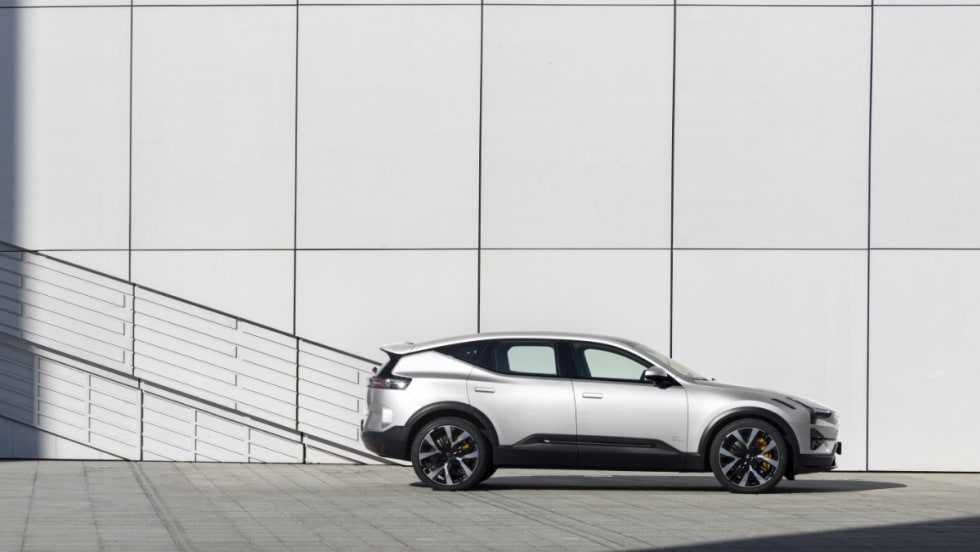
Polestar Barred from U.S. Market Under Connected Vehicle Rule
The automaker loses its authorization to sell new vehicles in the U.S., starting with the 2027 model year. Polestar owners will retain access to the brand's service network.
Read More →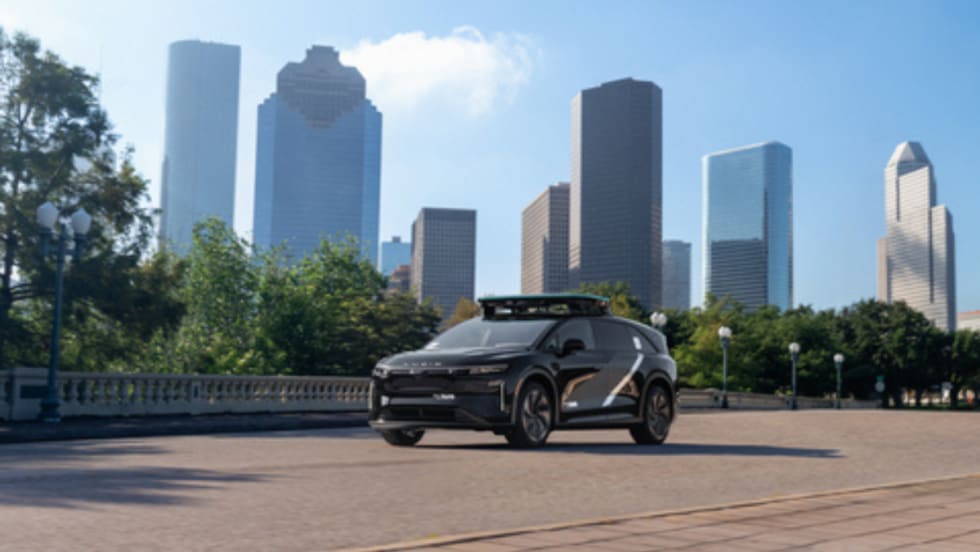
Uber, Nuro and Lucid Plan Houston Robotaxi Service in 2027
The tripartite venture brings out the combined advantages of electric vehicles, mobility, and autonomy into ground transportation.
Read More →