


Learn more: Fleets Beware of ADAS Post-Repair Problems
EVs Save on Maintenance, What About Collision Repairs?
EVs can be 27% to 53% more costly to repair than gas-powered vehicles, particularly relating to new ADAS technologies. Automotive repair and collision technicians need new tools to adjust.
by Brian Herron
March 21, 2023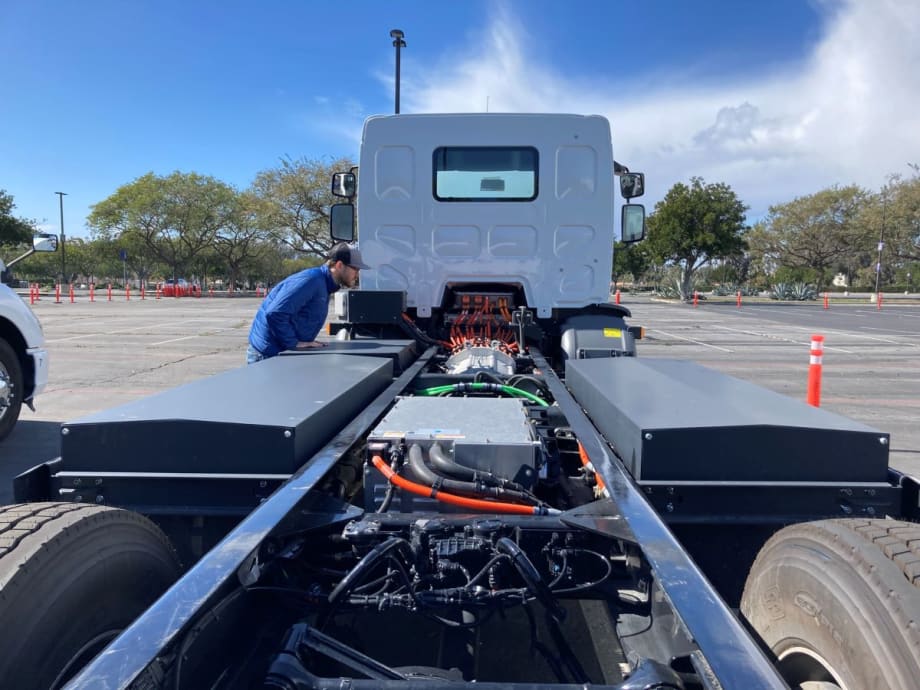
Fleets and technicians must navigate an EV’s intricate electronic componentry involving batteries and powertrains when an EV is involved in a breakdown, accident, or collision.
Photo: Chris Brown
4 min to read
The sales of electric vehicles (EVs) made significant strides in 2022, and not only because the inventory levels of gas-powered were still depressed. Aided by stricter emissions goals introduced by the government, more people are becoming interested in EVs. And if the U.S. had a better charge infrastructure, the number of EVs on the roads might already be triple what it is today.
Sure, EVs certainly conserve our nation’s carbon footprint. However, what are the realities of servicing EVs and, almost more importantly, is our nation’s network of service and repair technicians ready to service them once sales of these cars and trucks really begin to take off?
EVs Can Be More Costly to Repair
Currently, based on insurance claims data, many industry observers are noting that EVs can be noticeably more expensive to repair. Sure, EVs are mechanically simpler than gas-powered cars in that they have fewer moving parts. Furthermore, there’s no engine oil that needs to be contained, pressurized, circulated, cooled, re-circulated, topped up occasionally, and changed when the oil gets dirty. This alone should lower the cost of service and repair.
Collision repairs, on the other hand, are not oil changes.
Data from information groups tracking EV penetration in the U.S. found that, based on actual insurance claims for small, non-luxury-brand cars with front-end damage that were still drivable, the average EV model cost $4,041 to fix. This represents a 27% increase compared with the average gas-powered unit seeking similar collision repairs. Mid-size, luxury-brand SUVs saw the average for similar claims totaling $8,037 in repairs for EVs, 53% higher than non-EVs.
More Technology Continues to Represent a Car’s DNA
Of course, it’s nearly impossible to do a complete apples-to-apples comparison, but the sample sizes continue to grow. What’s more, there is a lot more technology embedded in cars and trucks today. EVs are loaded with more ADAS features in many cases, for example. And regardless of whether it’s a gas-powered vehicle or an EV, today’s technicians must be properly trained to run diagnostic system and network checks on the technology now in vehicles, including ADAS systems, LIDAR, and collision-avoidance, for example.
Many collision centers and technicians are now partnering with strategic service partners who can help with state-of-the-art diagnostic and reprogramming tools that understand all the intricacies of vehicle technology for today’s tech-centric vehicles, including EVs. These partners have pioneered the development of diagnostic and programming equipment based on the automotive SAE J2534 and heavy duty TMC RP1210 vehicle communication standards.
New Diagnostic and Remote Service Tools for Technicians
As vehicles have become more complex, with new systems to increase safety and driver convenience, they also become more challenging to maintain and repair. Technicians need the help of diagnostic tools to help identify faults after a breakdown or accident and the reprogramming support and software needed to complete repairs. The diagnostics include remote technical assistance and regular software updates that analyze live vehicle data so vehicle experts can help remotely analyze any problem as soon as the automotive service technician requests support.
Technicians are also leveraging plug-in programming solutions when they need to reprogram a vehicle's on-board systems after a breakdown, accident, or collision. Partners can provide remote assistance, helping technicians complete programming and configuration tasks using the most up to date manufacturer software.
Other services include white-label products and services for other manufacturers, distribution channels, and diagnostic companies related to diagnostics, vehicle communications, telematics, and data logging.
Additional support is now available and designed to assist automotive repair and collision technicians with difficult SAE J2534 programming tasks. The plug-in solution helps technicians finish the job correctly, so they can keep the customer’s vehicle in their shop, increase profit and customer satisfaction.
The kits used by technicians include all the components required for a successful service, including a windows tablet with applicable original equipment manufacturer (OEM) software, a J2534 device, battery maintainer and wireless modem, and collision repair shops can leverage ECU programming, coding, pre/post-scans or calibration checks.
Today, electric vehicles can be tricky and costly to repair. However, even with gas-powered vehicles the increased amount of technology found in each vehicle can make the technician’s job more challenging. With the right collision and repair technology from strategic partners, collision and repair shops can service each vehicle appropriately and help ensure each customer that the job was handled properly.
About The Author: Brian Herron is the President and CEO of Opus IVS, a global diagnostics, ADAS calibration, programming, and remote services leader that is innovating the future of safe, complex vehicle repair. For more information on Opus IVS, please visit https://www.opusivs.com/.
Topics:EVsMaintenance CostsCollision RepairAdvanced Driver Assistance SystemsDiagnostic ToolsElectric VehiclesOperations
Originally posted on Automotive Fleet
Subscribe to Our Newsletter
More Electric Vehicles
EV Charging Use Is Outpacing Infrastructure Growth
ChargePoint’s 2026 Charging Forward Report points to rising charger use, higher-powered charging, commercial vehicle electrification, and energy-management technology. Here’s what fleets should know.
Read More →
EV Realty Names Henrik Holland President as Charging Platform Expands
The former Prologis Mobility and Shell executive will help expand EV Realty’s truck charging business and move its power-first infrastructure model into autonomous vehicle depots and other fleet sectors.
Read More →
GreenPower Expands New Mexico EV Pilot With Larger Buses, V2G Testing
After logging more than 17,000 electric miles in the first year, New Mexico’s statewide pilot is moving into its second phase with larger vehicles, continued charging evaluations, and more.
Read More →
Can EV-as-a-Service Help Fleets Scale Electrification?
Sustainability Partners CEO Adam Cain explains how matching EVs, charging infrastructure, and duty cycles can help fleets scale electrification.
Read More →
How EV-as-a-Service Is Moving Fleets Beyond Pilots
Adam Cain, president and CEO of Sustainability Partners, explains how EV-as-a-service can help fleets scale deployments by addressing duty-cycle requirements and charging challenges.
Read More →
PowerFlex, The Mobility House Join Forces to Advance Fleet Electrification
Two EV charging providers are joining forces to deliver a broader portfolio of energy management and fleet electrification solutions.
Read More →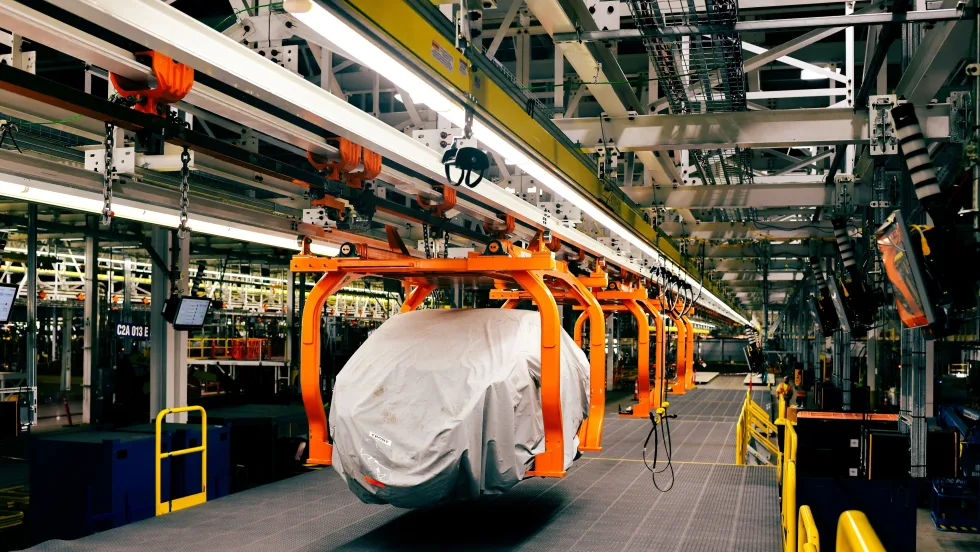
Ford Retools Louisville Plant for Fathom Electric Truck Production
Ford's $2 billion Louisville Assembly Plant overhaul introduces a three-part assembly process for the Fathom midsize electric truck, with production scheduled to begin in 2027.
Read More →
Merchants Fleet Reports 290M EV Miles as Fleets Navigate Changing Electrification Market
From millions in operating savings to hundreds of millions of EV miles, Merchants Fleet’s latest report reveals what’s working and what’s changing in fleet electrification.
Read More →
California District Commits to Electrify 25% of School Bus Fleet by 2028
One of the nation's largest school bus electrification projects to date demonstrates how grants, charging infrastructure, and public-private partnerships can help fleets transition to EVs at scale.
Read More →
Aptera Orders Bodies and Chassis for Its First 40 Production Vehicles
Aptera Motors Corp. has issued purchase orders for the major structural components of its first 40 vehicles, and body and chassis components are expected to begin arriving in October.
Read More →