


More Reading: Interest in EVs and Hybrids Spikes As Fuel Prices Soar
EVs Need a New Business Model to Make a Dent in Emissions
Electric "vehicle-as-a-service" programs is one solution that would help meet goals around EV sales and adoption, making a significant dent in emission reduction.
by Paul Hirsch, Launch Mobility
March 31, 2022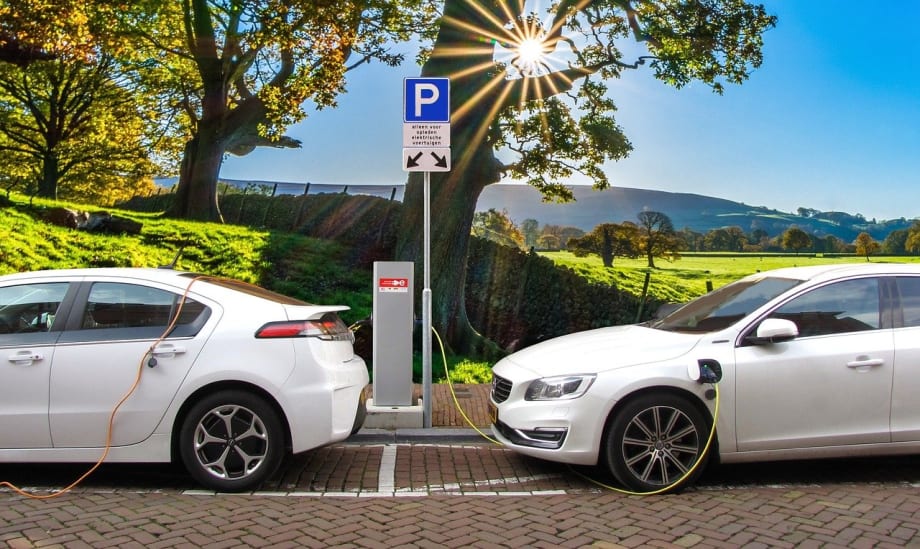
Making consumer use of carsharing, rental, and subscription programs more accessible and an attractive alternative to EV ownership would provide a significant impact on shifting gas miles to electric.
Image by (Joenomias) Menno de Jong/Pixabay
3 min to read
Some are proclaiming this the "Year of the Electric Car," and the current environment may lead one to believe that EV sales are primed to accelerate. But the impact we want — significantly fewer gas miles — will elude us unless we adopt electric Vehicle-as-a-Service (VaaS) programs.
Factors are aligning to drive electric vehicle sales higher. The U.S. government is investing billions in charging infrastructure and battery development. The global response to Russia’s invasion of Ukraine demonstrates the geopolitical and supply side risks of our reliance on foreign oil. And yes, gas prices suck.
But the industry has a long way to go before electric vehicles make a dent in climate change or energy dependence. Last year, when supply chain issues slowed the supply of gas-powered cars, EVs still only accounted for 9% of global car sales. And even if EV sales were 100% of the market, the vast majority of vehicles on the road would still be spewing fossil fuel emissions.
Why? The vast majority of cars are not new! In fact, the average car is getting older. From 1971 to 2001, the average age of cars in the U.S. grew from seven years of age to eight. But in the 20 years since then, the average age jumped to nearly 12 years. Other parts of the world pose an even bigger problem, with less stringent emissions regulations and even older fleets than the U.S. (see Russia, 13.6 years, and Argentina, 17 years). To replace a gas-powered fleet at that rate will take far more time than we have.
What’s more, the average price of a new electric vehicle topped $50,000 last year. EVs today are luxury vehicles, and while automakers talk about a future of mass market electrics, cheaper models are not part of near-term product plans. Contrast that with the fact that vehicle age is inversely related to household income. That means the worst-emitting vehicles are owned by households that cannot afford to buy a new EV. Personal ownership alone does not offer the accessibility we need to reduce these “entrenched” fossil fuel miles.
VaaS provides a way to shift more miles from gas to electric without the barrier of buying a new, expensive EV. As we define it here, VaaS encompasses all the ways users can access personal transportation via alternatives to ownership — sharing programs, rentals, and subscriptions, for example. And accessibility is the key: the simpler it is to register, consume, and pay per use for an EV, the more likely it is that gas vehicle owners will switch to EVs for at least some of their miles. The more options we can offer to shift miles from gas to electric, the closer we can come to meeting our societal goals.
As an example, Uber has lined up EV offerings for its many drivers who need a vehicle to work on their platform. Uber has incentivized the use of EVs by collecting a surcharge for “Uber Green” rides and paying a portion to the driver. And because these vehicles are available on a short-term basis, drivers can easily switch from their existing gas-powered vehicles to a green vehicle. When gas prices surge, like they did after markets responded to Russia’s war, drivers are able to react quickly. Less gas; more electric.
In order to drive the shift away from petroleum-based fuel, we need solutions that can penetrate to the “entrenched” miles driven by vehicles that will be on our roads for years to come. This requires making clean fleets more accessible. The transportation industry needs to adopt VaaS en masse to accelerate the transition to EV miles, because the environment is not in a mood to wait.
About the Author: Paul Hirsch is CEO of Launch Mobility, a technology platform for mobility service operations.
This article was authored and edited according to FF editorial standards and style. Opinions expressed may not necessarily reflect that of FF.
Originally posted on Automotive Fleet
Subscribe to Our Newsletter
More Electric Vehicles
EV Charging Use Is Outpacing Infrastructure Growth
ChargePoint’s 2026 Charging Forward Report points to rising charger use, higher-powered charging, commercial vehicle electrification, and energy-management technology. Here’s what fleets should know.
Read More →
EV Realty Names Henrik Holland President as Charging Platform Expands
The former Prologis Mobility and Shell executive will help expand EV Realty’s truck charging business and move its power-first infrastructure model into autonomous vehicle depots and other fleet sectors.
Read More →
GreenPower Expands New Mexico EV Pilot With Larger Buses, V2G Testing
After logging more than 17,000 electric miles in the first year, New Mexico’s statewide pilot is moving into its second phase with larger vehicles, continued charging evaluations, and more.
Read More →
Can EV-as-a-Service Help Fleets Scale Electrification?
Sustainability Partners CEO Adam Cain explains how matching EVs, charging infrastructure, and duty cycles can help fleets scale electrification.
Read More →
How EV-as-a-Service Is Moving Fleets Beyond Pilots
Adam Cain, president and CEO of Sustainability Partners, explains how EV-as-a-service can help fleets scale deployments by addressing duty-cycle requirements and charging challenges.
Read More →
PowerFlex, The Mobility House Join Forces to Advance Fleet Electrification
Two EV charging providers are joining forces to deliver a broader portfolio of energy management and fleet electrification solutions.
Read More →
Ford Retools Louisville Plant for Fathom Electric Truck Production
Ford's $2 billion Louisville Assembly Plant overhaul introduces a three-part assembly process for the Fathom midsize electric truck, with production scheduled to begin in 2027.
Read More →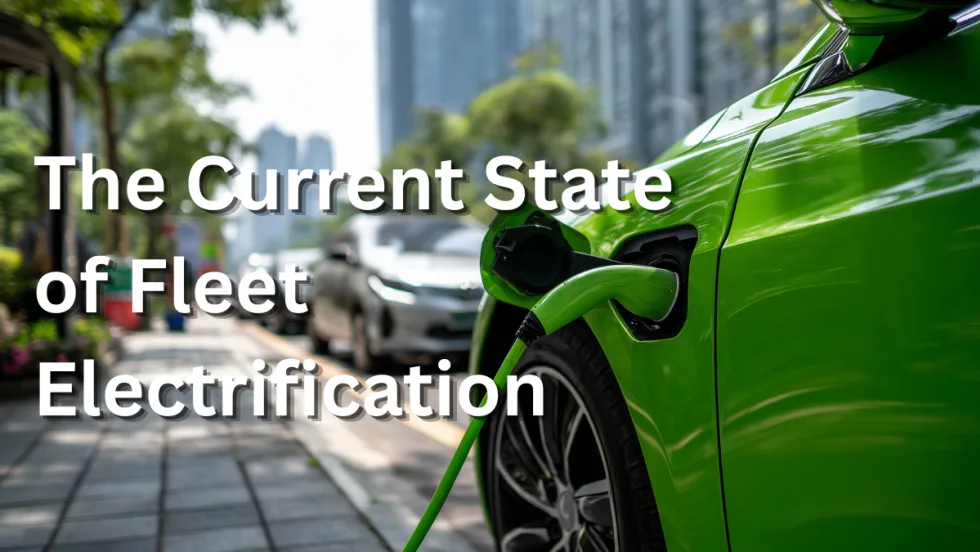
Merchants Fleet Reports 290M EV Miles as Fleets Navigate Changing Electrification Market
From millions in operating savings to hundreds of millions of EV miles, Merchants Fleet’s latest report reveals what’s working and what’s changing in fleet electrification.
Read More →
California District Commits to Electrify 25% of School Bus Fleet by 2028
One of the nation's largest school bus electrification projects to date demonstrates how grants, charging infrastructure, and public-private partnerships can help fleets transition to EVs at scale.
Read More →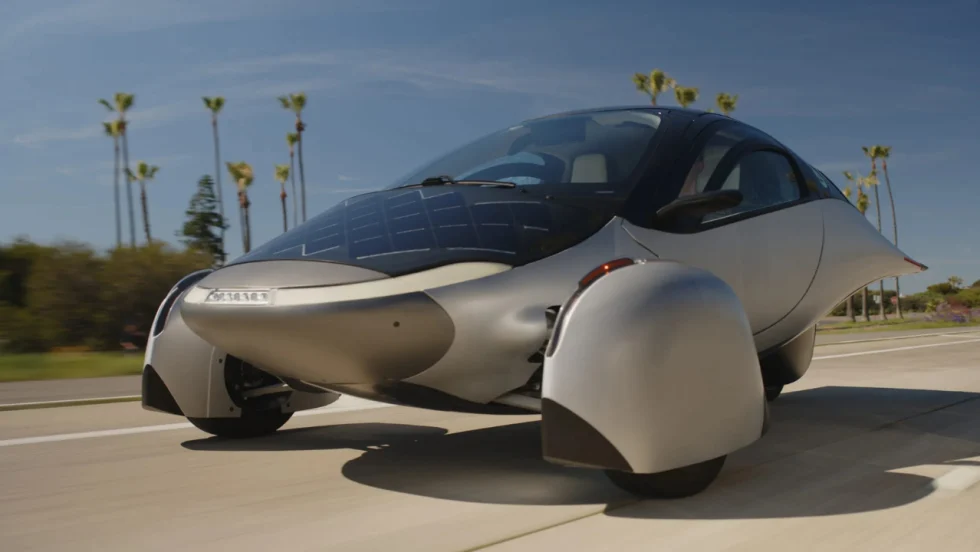
Aptera Orders Bodies and Chassis for Its First 40 Production Vehicles
Aptera Motors Corp. has issued purchase orders for the major structural components of its first 40 vehicles, and body and chassis components are expected to begin arriving in October.
Read More →