


More News: New Electrified Vehicles Sales Hit Record in Q4 2021
EV Sales Ready to Rise in 2022 and E-Pickups Will Help
Analysis: The turning point in EV adoption will come as we move beyond early adopters and begin to see mainstream America choose EVs. The full-size pickup segment is where this might well happen.
by Jonathan Smoke, senior economist, Cox Automotive
February 4, 2022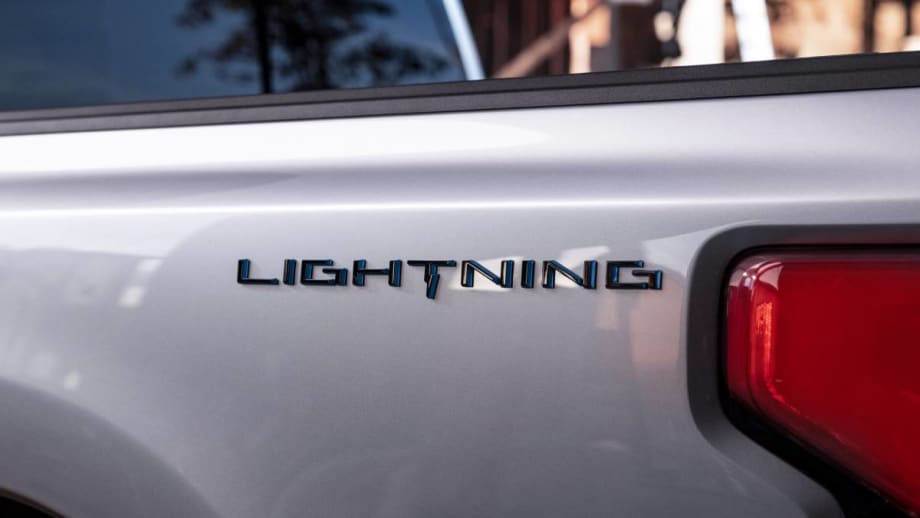
With full-size pickup trucks, an entirely new audience of vehicle buyers will be introduced to the inherent advantages of electric vehicles, including better performance.
Photo: Ford
4 min to read
I participated in a panel discussion titled Electric Vehicle Strategies: Driving Mass Market Uptake earlier this week at the BloombergNEF Summit in San Francisco. Bloomberg set the stage of the discussion by stating that policy mandates and subsidies characterized the first phase in the global electric vehicle (EV) market, but now organic consumer demand is taking over, and adoption is rising very quickly in many markets.
I was joined by an interesting group of panelists from across the industry for a discussion on where companies are placing their bets, how consumers are responding, and where the market will be in five years.
EVs are certainly the industry’s hot topic right now, with seemingly every major automaker shouting investment promises that would have been unbelievable a decade ago but are now weekly headlines that hardly get noticed. New-vehicle sales in 2021 increased less than 4% compared to 2020, but sales of electrified vehicles in the U.S. continued to surge, according to our recent analysis. In all, nearly 1.5 million electrified vehicles – the combined total of EVs, hybrids and plug-in hybrids – were sold in 2021, up 86% from 783,477 in 2020. EV sales in 2021 rose 89% to 487,460 units. They hit a record in Q4 at 147,799. That is still a small part of the U.S. vehicle market, but we believe EV sales growth will outpace industry growth for years to come.
As I noted during the discussion at the Bloomberg summit, I believe the EV market is poised for strong growth. This growth will of course be driven in part by fleet activity, which is particularly well suited for EV technology, and from recent and future regulations. But to me, beginning this year, the most interesting growth segment will be new EV pickup trucks, built by traditional manufacturers and sold by long-established dealers, particularly those in geographic areas that have had negligible EV adoption until now.
With several EV trucks entering the market – notably from Ford and General Motors – buyers in Middle America will finally have an EV they understand and may actually embrace. I’m not talking about the luxury EV trucks from makers like Rivian or Tesla. Instead, I see EV growth being fueled in part by big pickup trucks that people depend on to have traditional big pickup truck capabilities.
The turning point in EV adoption will come as we move beyond early adopters and begin to see mainstream America choose EVs for their desirable design, features and performance. This will likely happen in the full-size pickup segment. Most pickup truck owners live in more rural areas, drive more miles, and more than the overall market, require reliability. In rural America, drivers are more likely to be homeowners as well, where home charging stations are a reasonable option, unlike more urban drivers where street parking is more common and a reliable, consistent parking space is not assured. With full-size pickup trucks, an entirely new audience of vehicle buyers will be introduced to the inherent advantages of electric vehicles, including better performance. And, in the case of the new Ford F-150 Lightning, life with a “frunk.”
With the average transaction price of a new full-size pickup truck approaching $60,000, price is less of an objection in this segment. For instance, the published price for a base 2022 Ford F-150 Lightning is within $1,000 of a gas-powered equivalent while having all the style and capabilities of a conventional pickup truck, including towing capacity and cargo space, plus new abilities made possible by EV technology, such as being able to power a house during a blackout or an entire construction site.
Marketing at the dealership level will be a key consideration for EV adoption, which is mostly lacking at the moment. We are hearing from many dealers that they feel unprepared to sell EVs, and this point will need to be addressed for EV adoption to grow. As EVs become more mainstream, the automakers that will win the EV race will be the ones providing the best support, training and motivation to their dealer networks. That’s difficult to do when your dealership only sells a handful of EVs a month. But again, with the volume potential of full-size pickup trucks, that equation may change. OEMs and dealers will have to work together to ensure salespeople are properly educated – and incentivized – to effectively sell returning truck buyers on an electric equivalent, which will most likely do things that the gasoline version couldn’t. EVs are not yet for everyone, but EVs are certainly something more buyers should be considering.
We are now well into the EV Decade, and 2022 will be an important year for EV sales, with the number of new EV products in market rapidly increasing and the first full-size EV pickups arriving on stage. I applaud those automakers focused on giving Americans what they want – a pickup truck – and making it electric.
Subscribe to Our Newsletter
More Electric Vehicles
EV Charging Use Is Outpacing Infrastructure Growth
ChargePoint’s 2026 Charging Forward Report points to rising charger use, higher-powered charging, commercial vehicle electrification, and energy-management technology. Here’s what fleets should know.
Read More →
EV Realty Names Henrik Holland President as Charging Platform Expands
The former Prologis Mobility and Shell executive will help expand EV Realty’s truck charging business and move its power-first infrastructure model into autonomous vehicle depots and other fleet sectors.
Read More →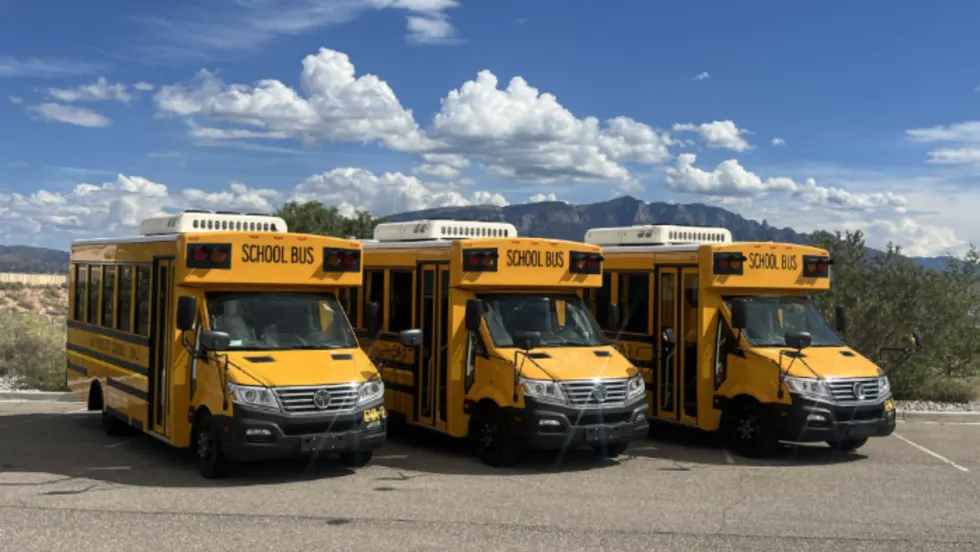
GreenPower Expands New Mexico EV Pilot With Larger Buses, V2G Testing
After logging more than 17,000 electric miles in the first year, New Mexico’s statewide pilot is moving into its second phase with larger vehicles, continued charging evaluations, and more.
Read More →
Can EV-as-a-Service Help Fleets Scale Electrification?
Sustainability Partners CEO Adam Cain explains how matching EVs, charging infrastructure, and duty cycles can help fleets scale electrification.
Read More →
How EV-as-a-Service Is Moving Fleets Beyond Pilots
Adam Cain, president and CEO of Sustainability Partners, explains how EV-as-a-service can help fleets scale deployments by addressing duty-cycle requirements and charging challenges.
Read More →
PowerFlex, The Mobility House Join Forces to Advance Fleet Electrification
Two EV charging providers are joining forces to deliver a broader portfolio of energy management and fleet electrification solutions.
Read More →
Ford Retools Louisville Plant for Fathom Electric Truck Production
Ford's $2 billion Louisville Assembly Plant overhaul introduces a three-part assembly process for the Fathom midsize electric truck, with production scheduled to begin in 2027.
Read More →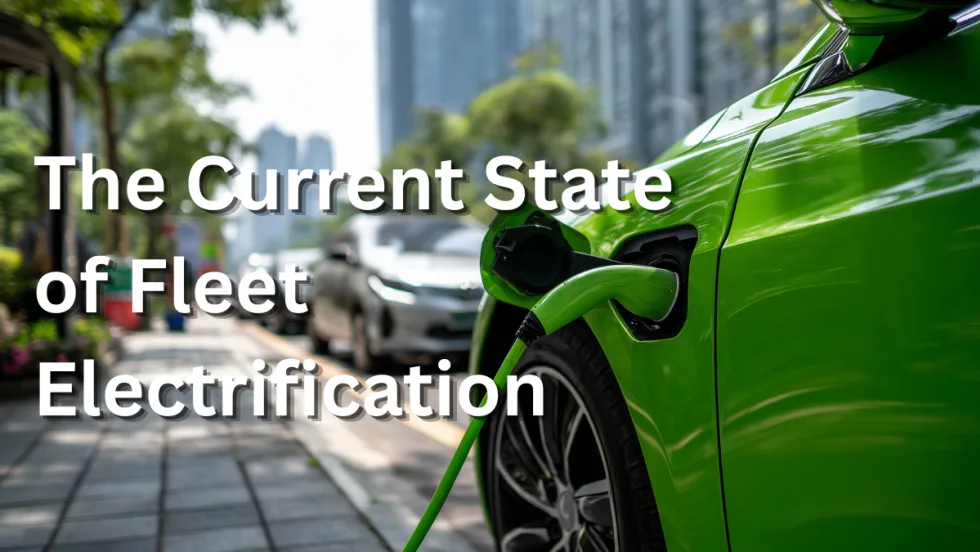
Merchants Fleet Reports 290M EV Miles as Fleets Navigate Changing Electrification Market
From millions in operating savings to hundreds of millions of EV miles, Merchants Fleet’s latest report reveals what’s working and what’s changing in fleet electrification.
Read More →
California District Commits to Electrify 25% of School Bus Fleet by 2028
One of the nation's largest school bus electrification projects to date demonstrates how grants, charging infrastructure, and public-private partnerships can help fleets transition to EVs at scale.
Read More →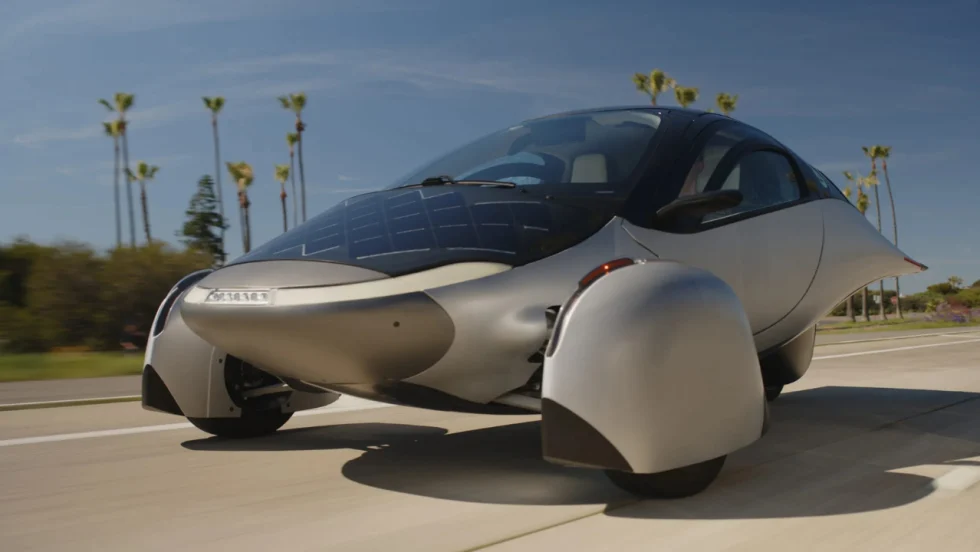
Aptera Orders Bodies and Chassis for Its First 40 Production Vehicles
Aptera Motors Corp. has issued purchase orders for the major structural components of its first 40 vehicles, and body and chassis components are expected to begin arriving in October.
Read More →