


Learn More: New Study Shows EV Owners' Thoughts on Cost of Home Charging
EV Charging at Home: Taxable Benefit or Work Tool?
In-kind employee benefits are generally viewed as taxable, yet home EV chargers might be classified as a work tool. How will the IRS rule?
by David Lewis
May 2, 2023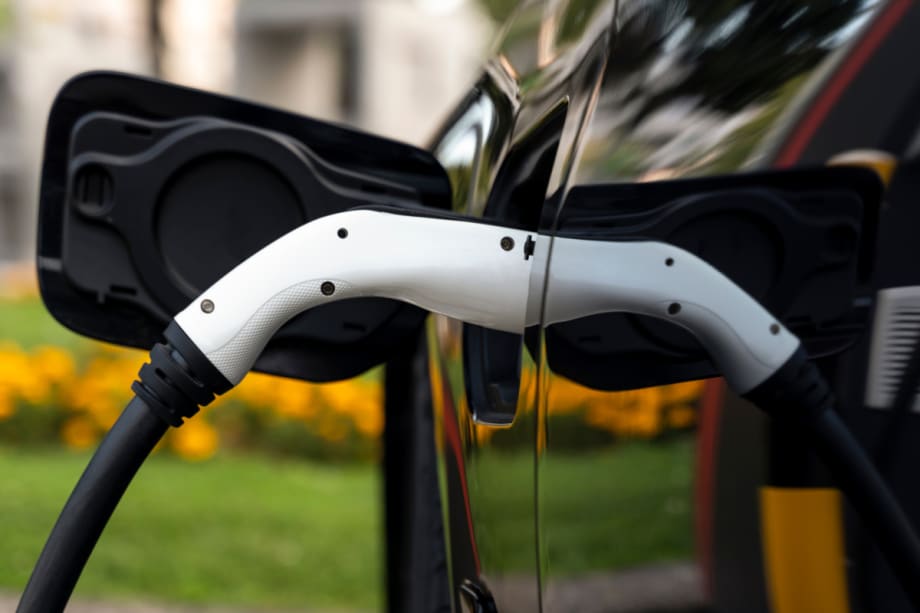
Classifying a home charger as a taxable benefit provides simplicity and clarity, but disincentivizes EV adoption.
Photo: Canva/Automotive Fleet
4 min to read
As electric vehicles (EVs) become more popular for fleet use, businesses are faced with a new question: Is a home charger for an EV considered a taxable benefit or an untaxed work tool? This issue has been debated for years, and the IRS has yet to provide guidance. As a result, businesses are left to try to interpret the law themselves.
In-Kind Benefits are Fully Taxable
Under general tax principles, the provision of an in-kind benefit to an employee is fully taxable in the absence of a specific tax code-based exclusion.
According to Ethan Severance, a Clean Transportation Expert and Attorney at Foley Hoag LLP, “Since there is no provision of the Internal Revenue Code that specifically excludes the value of at-home EV charging stations from an employee’s taxable income, the IRS is likely to view the employee as realizing taxable compensation equal to the value of the charger and the cost of installation.”
Defining a Work Tool
That said, a home charger might be classified as a work tool if it meets certain criteria. A work tool is defined as any property or service provided to an employee that is necessary for business use.
Criteria for classifying a home charger as a work tool include the necessity for business use such as whether an employee is required to have a vehicle for work purposes and whether the business owns and controls use of the charger.
What About EV Charging at Work?
Many employers are also wondering whether offering employees charging at work creates a taxable event.
“There is an open question as to whether an employee’s use of a workplace EV charger could be excludable from the employee’s taxable compensation as a de minimis benefit,” Severance explained.
A de minimis benefit is any property or service provided to an employee that has so little value that accounting for it would be unreasonable or administratively impracticable.
In 2015, U.S Senator Ron Wyden (D-OR) requested that the IRS issue guidance explicitly include complimentary workplace EV charging as a de minimis fringe benefit.
The IRS responded that it might issue guidance on the question in the future, but until then it would determine the taxability of free workplace EV charging on a case-by-case basis, depending on individual facts and circumstances.
“This means that employers need to consider how often employees use the workplace charging stations and the cost to the company of providing the benefit. Historically, the IRS has limited the value of a de minimis benefit to $100 a year,” Severance noted.
NAFA is Lobbying for Change
In 2022, the National Association of Fleet Administrators (NAFA) requested that the IRS issue guidance to address the fringe benefit implications of at-home charging of an employer-provided EV.
NAFA argued that all costs associated with a Level 2 charger for take-home work EVs, including installation, be considered a non-compensatory business cost with reimbursement excludable from an employee's income as a fringe benefit.
Furthermore, NAFA contended that the kWh cost of at-home charging also be excludable from an employee's income as a fringe benefit. The IRS has yet to respond, but a response is expected sometime this year.
Home Charger as Taxable Benefit: Clarification Needed
“Unfortunately, until the IRS issues guidance or Congress acts to exclude such benefits from taxable income, the analysis is heavily fact-dependent, and there is no one-size-fits-all answer,” Severance concluded.
There are advantages and disadvantages to classifying a home charger as a taxable benefit or a work tool. Classifying it as a taxable benefit provides simplicity and clarity, but disincentivizes EV adoption.
Classifying it as a work tool, by contrast, provides tax relief and cost savings, but it could lead to inaccurate tax returns, penalties, and interest charges from the IRS if found to be a misclassification.
In order to clarify this gray area and promote the accelerating EV adoption necessary to meet the United States’ climate goals, the IRS should issue guidance adopting NAFA’s positions. Until then, businesses should consider the factors discussed above and consult with tax or legal professionals before making a choice.

David Lewis is the founder and CEO of MoveEV.
Photo: MoveEV
David Lewis is the founder and CEO of MoveEV, an AI-driven green tech solution designed to make it easy for companies to accelerate electric vehicle (EV) adoption.
Originally posted on Automotive Fleet
Subscribe to Our Newsletter
More Charging
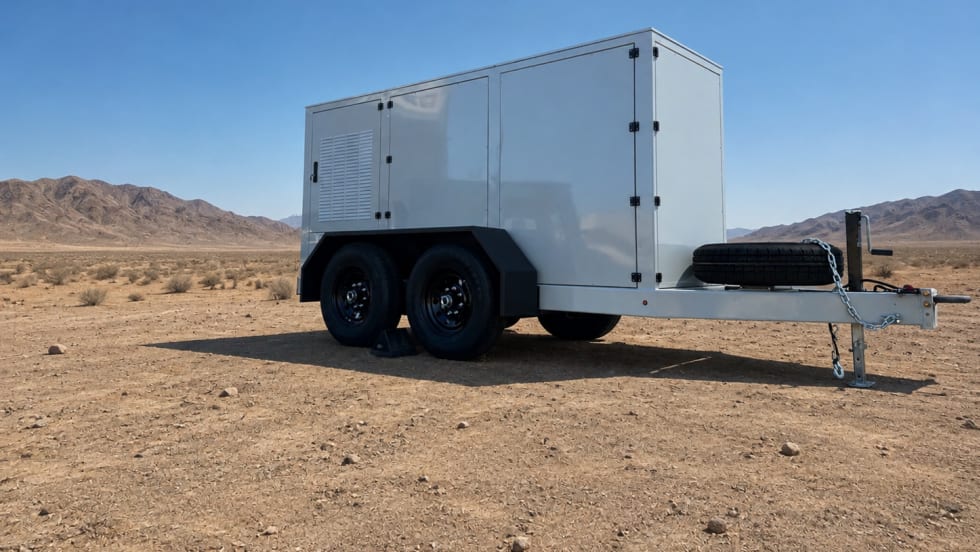
Xos Mobile Charging Hub Surpasses 1 GWh of Energy Delivered
As fleets electrify, charging capacity does not always arrive on the same timeline as the vehicles. Operating data from one Xos Hub shows how mobile, grid-independent charging can support vehicles when permanent infrastructure or utility upgrades aren't available.
Read More →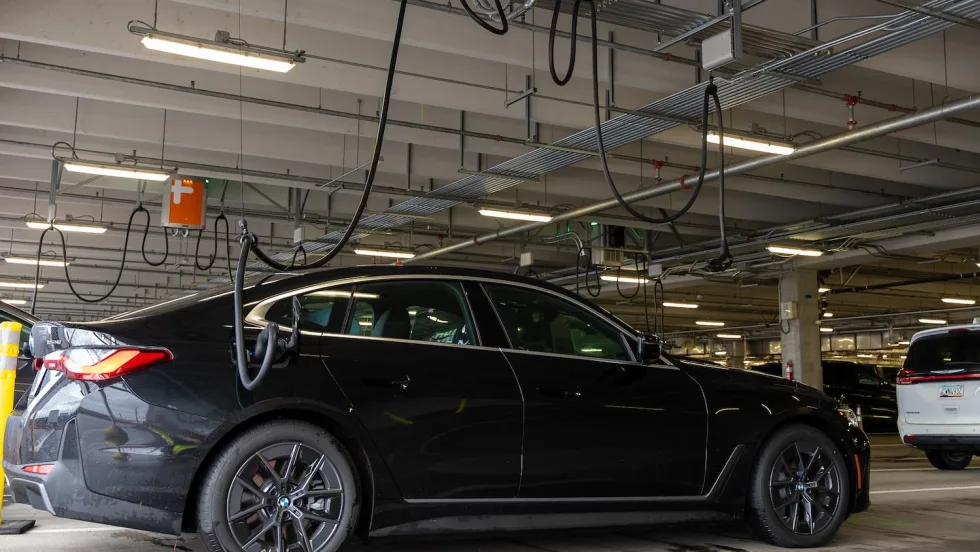
ChargePoint Adds Overhead EV Fast Charging at Portland International Airport
The installation can charge up to 20 rental vehicles simultaneously and uses overhead equipment to preserve ground-level space at the airport's Quick Turnaround Facility.
Read More →
Octopus Energy Launches Public EV Charging App in U.S.
Octopus Charge allows EV drivers to locate and access public charging stations through a single app, building on the company's Electroverse platform in Europe.
Read More →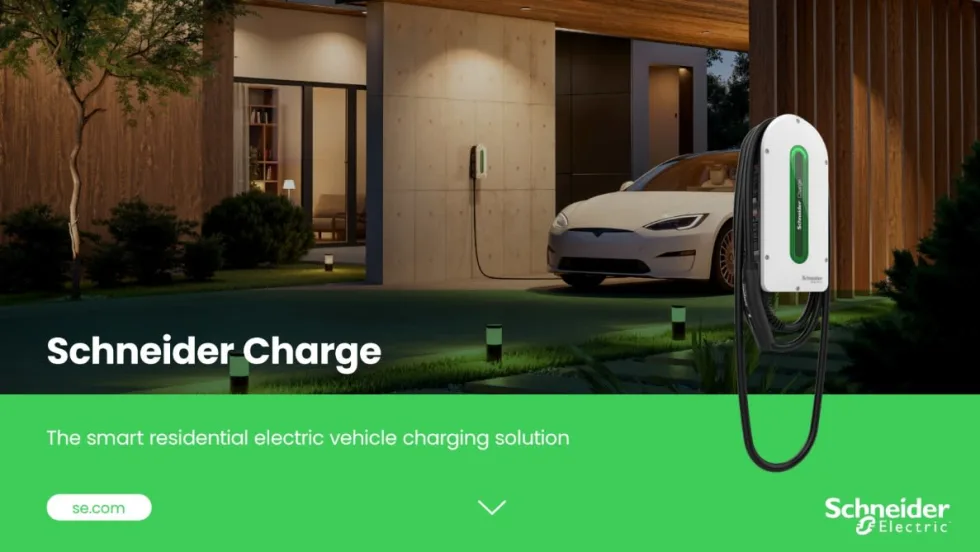
Schneider Electric Launches Level 2 Home EV Charger With Integrated Load Management
Schneider Charge uses integrated SmartAmp technology to adjust charging output based on household electrical demand and is available with NACS or J1772 connectors.
Read More →
Why EV Charging Reliability Is More Complicated Than It Looks
GridLink CEO Josh Silets explains what causes EV chargers to fail, why fleet operators often struggle to identify the source, and what questions they should ask charging vendors.
Read More →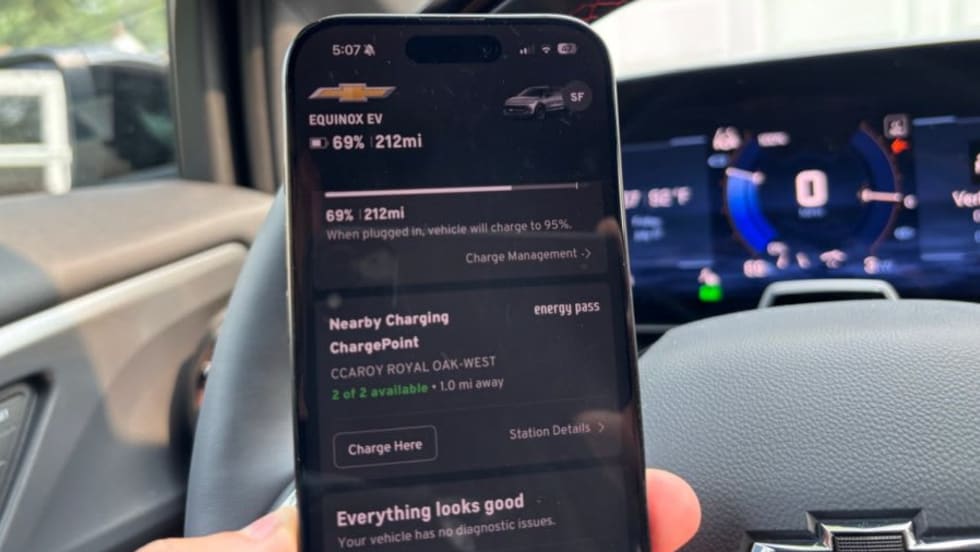
GM Adds ChargePoint Network to Energy Pass Platform
The integration gives GM EV drivers access to additional DC fast chargers and Level 2 stations through a single app while expanding the automaker's public charging ecosystem.
Read More →
Xos White Paper Asserts LA Olympics Will Lack Enough EV Chargers
The commercial EV fleet company recommends some faster and more flexible remedies to relieve the anticipated shortfall.
Read More →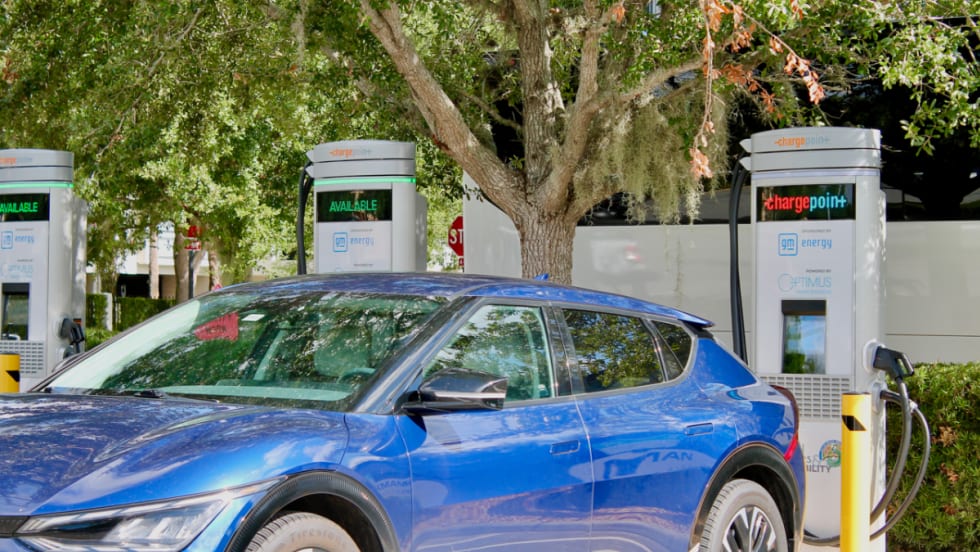
ChargePoint, Optimus Expand Fast-Charging Network Across Southeastern U.S.
ChargePoint will serve as the exclusive solutions provider, delivering hardware, software, and services to support Optimus’ growing charging network.
Read More →
Running A Profitable Electric Rental Fleet
How do you successfully operate an all-electric rental car fleet? Whether you manage a rental fleet or another commercial fleet, this conversation offers practical lessons on deploying, operating, and scaling electric vehicles.
Read More →
Why Charging May Never Be As Easy As Filling Up Gas
A seamless charge depends on a string of independent companies getting it right together, every time. How can electric fleets navigate the challenges to create a successful charging plan?
Read More →